 EN
EN

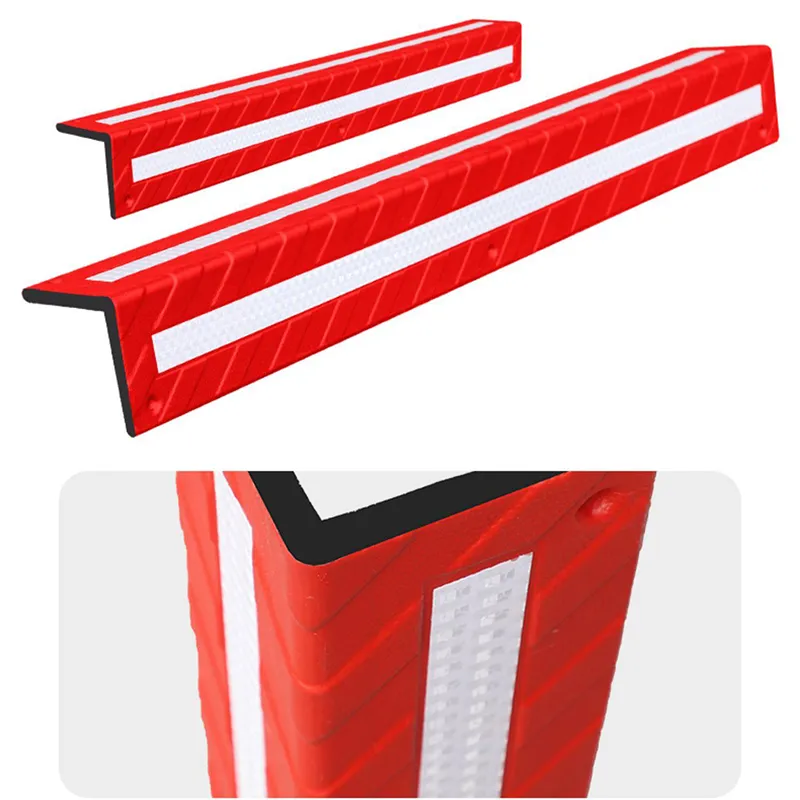
Eckenschutz: Materialien, Formen und Schutznutzen
Langlebiger Wandschutz und Stützenschutz für Sicherheitsumgebungen im gewerblichen Bereich
In stark frequentierten gewerblichen und industriellen Umgebungen herrscht ständiger Verkehr durch Fahrzeuge, Transportwagen, Gabelstapler, Hubwagen und Fußgängerverkehr. Lagerhallen, Parkgaragen, Krankenhäuser, Fabriken, Schulen, Einkaufszentren und Logistikzentren stehen alle vor der gleichen Herausforderung: den Schutz von Wänden, Stützen und Gebäudewinkeln vor wiederholten Stoßschäden. Hier kommt den Eckschutzleisten eine entscheidende Rolle in modernen Anlagen-Schutzsystemen zu.
Eckschutzleisten sind so konzipiert, dass sie Aufprallkräfte absorbieren und strukturelle Schäden durch versehentliche Kollisionen reduzieren. Warum gelten Eckschutzleisten als unverzichtbar in gewerblichen Umgebungen? Gebäudefugen zählen zu den am stärksten gefährdeten Bereichen jeder Anlage, da sie ständigem Kontakt mit beweglichen Geräten und Fahrzeugen ausgesetzt sind. Ohne geeigneten Eckschutz können wiederholte Aufpralle rasch zu abgeplatztem Putz, Rissen in den Oberflächen, beschädigter Farbe und teuren Instandhaltungskosten führen.
Moderne Eckschutzleisten sind in verschiedenen Materialien, Formen, Größen und Montagevarianten erhältlich, um unterschiedliche Anwendungen zu unterstützen. Gummieckschutzleisten, Kunststoff-Eckschutzleisten und schwerlasttaugliche Eckschutzleisten werden häufig in Parkgaragen, Laderampen, Lagern und öffentlichen Gebäuden eingesetzt. Hochsichtbare reflektierende Eckschutzleisten verbessern zudem die Sicherheit, indem sie Fahrern und Mitarbeitern helfen, bauliche Kanten leichter zu erkennen.
Viele gewerbliche Käufer beziehen Produkte von YS Traffic Safety – Lösungen für Eckschutz weil das Unternehmen werkseigene Eckschutzleisten aus langlebigen Materialien, mit gewerblicher Bauqualität und Anpassungsmöglichkeiten für industrielle und öffentliche Sicherheitsprojekte bereitstellt.
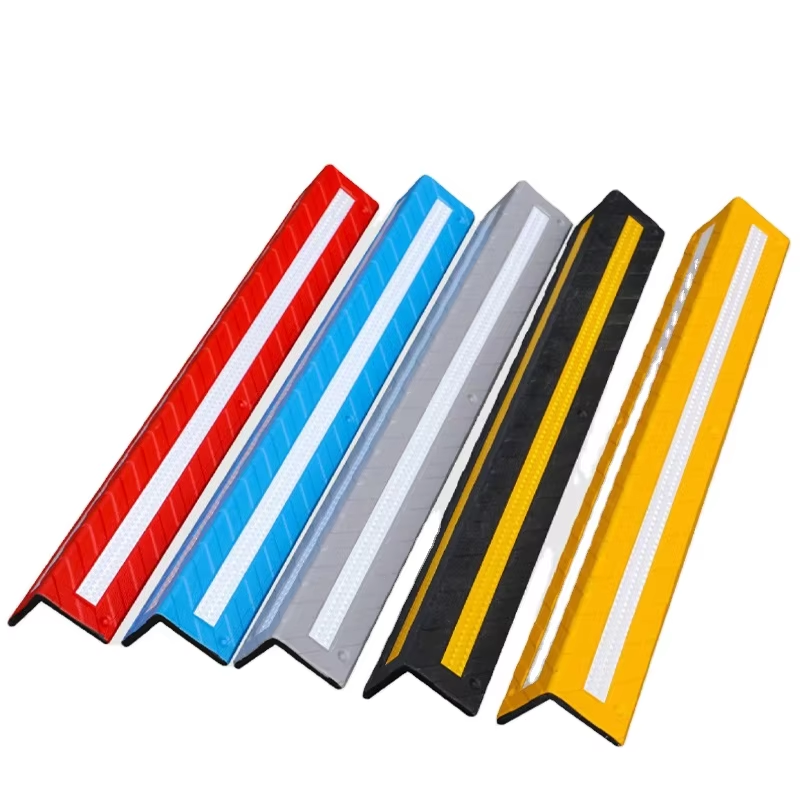
Bedeutung von Eckschutzleisten in gewerblichen Einrichtungen
Struktureller Schutz für Bereiche mit hohem Verkehrsaufkommen
Gewerbegebäude sind während des gesamten Tages kontinuierlichem Verkehr ausgesetzt. Gabelstapler fahren durch Lagergänge, Einkaufswagen bewegen sich durch Einzelhandelszentren, und Fahrzeuge zirkulieren innerhalb von Parkgaragen. Warum sind Ecken in diesen Umgebungen besonders anfällig? Ecken ragen naturgemäß nach außen vor und stellen daher den ersten Kontaktpunkt bei versehentlichen Zusammenstößen dar.
Eckschutzleisten schützen Wände, Stützen und strukturelle Kanten vor Dellen, Kratzern und Rissen, die durch wiederholte Kollisionen verursacht werden. Durch ihr stoßdämpfendes Design verringern sie die unmittelbare Belastung der Gebäudeaußenflächen und verlängern gleichzeitig die Lebensdauer der Infrastruktur der Einrichtung.
Parkhäuser installieren häufig Gummieckenschutz an Betonsäulen, um Fahrzeugschäden bei engen Kurven zu vermeiden. Lagerhallen verwenden robusten Eckenschutz in der Nähe von Ladebuchten und Geräteverkehrswegen, wo Gabelstaplerverkehr häufig auftritt.
Gewerbliche Immobilienverwalter wählen oft Eckschutz, weil dadurch die mit Neuanschleifen und strukturellen Reparaturen verbundenen Instandhaltungskosten gesenkt werden. Ein konsequenter Schutz trägt zudem dazu bei, ein sauberes und professionelleres Gebäudeerscheinungsbild zu bewahren.
Direkt vom Hersteller bezogene Eckschutzelemente bieten zuverlässige Haltbarkeit und genormte Abmessungen und eignen sich daher besonders für großflächige gewerbliche Projekte.
Verbesserte Sicherheit für Mitarbeiter und Fahrer
Sicherheit ist ein weiterer wichtiger Grund, aus dem Unternehmen Eckschutz in industriellen und öffentlichen Umgebungen installieren. Scharfe bauliche Ecken können Verletzungsrisiken für Fußgänger und Maschinenbediener darstellen, insbesondere in stark frequentierten oder schlecht einsehbaren Bereichen.
Warum priorisieren Sicherheitsmanager Eckschutzsysteme? Sichtbare Eckschutzleisten helfen Mitarbeitern und Fahrern, strukturelle Gefahren leichter zu erkennen und verringern gleichzeitig das Risiko unbeabsichtigten Kontakts.
Reflektierende Eckschutzleisten sind besonders wertvoll in Parkhäusern, Tiefgaragen, Lagern und Ladebereichen, wo die Lichtverhältnisse eingeschränkt sein können. Helle Farben und reflektierende Streifen verbessern die Sichtbarkeit und unterstützen eine sicherere Bewegung rund um Stützen und Wände.
Eckschutzleisten reduzieren zudem Schäden an Fahrzeugen, Transportwagen und Umschlaggeräten bei leichten Kollisionen. Gummieckschutzleisten absorbieren Aufprallenergie effektiver als freiliegende Beton- oder Stahlkanten.
Gewerbliche Einrichtungen mit hohen Sicherheitsstandards integrieren Eckschutzleisten häufig in umfassendere verkehrssicherheit sicherheitssysteme, darunter Radstopper, Geschwindigkeitsbremsen, Poller und Wandprotektoren.
Häufig verwendete Materialien für Eckschutzleisten
Gummieckschutzleisten für anspruchsvolle Anwendungen
Gummi-Eckenschutzleisten gehören zu den am weitesten verbreiteten Lösungen für industrielle und gewerbliche Umgebungen. Ihre Flexibilität und Schlagfestigkeit machen sie äußerst effektiv bei der Absorption wiederholten Kontakts durch Fahrzeuge und Geräte.
Warum werden Gummi-Eckenschutzleisten in Lagern und Parkgaragen bevorzugt? Gummi-Materialien bieten hervorragende Stoßdämpfung und widerstehen gleichzeitig dem Aufreißen unter wiederholtem Schlagdruck.
Schwerlast-Gummi-Eckenschutzleisten werden üblicherweise an Betonpfeilern, Wandkanten, Ladezonen-Eingängen und Lager-Ecken installiert. Ihre schlagdämpfenden Eigenschaften tragen zum Schutz sowohl der Baustrukturen als auch der bewegten Geräte bei.
Gummi-Eckenschutzleisten eignen sich zudem auch für den Außenbereich, da sie Feuchtigkeit, UV-Strahlung und Temperaturschwankungen widerstehen. Dadurch sind sie sowohl für Innen- als auch für Außenanwendungen geeignet.
Viele Gummischutzecken verfügen über reflektierende gelbe Streifen, um die Sichtbarkeit für Fahrer in Umgebungen mit schlechten Lichtverhältnissen zu verbessern. Hochsichtbare Schutzecken unterstützen eine sicherere Fahrzeugbewegung und verringern das Kollisionsrisiko.
Kommerzielle Käufer bevorzugen häufig Gummischutzecken, da sie eine lange Lebensdauer bei geringem Wartungsaufwand bieten.
Kunststoff- und PVC-Schutzecken für Innenräume
Kunststoff-Schutzecken und PVC-Schutzecken werden häufig in Krankenhäusern, Schulen, Büros, Hotels und Einzelhandelsumgebungen eingesetzt, wo Optik und leichter Schutz im Vordergrund stehen.
Warum sind PVC-Schutzecken für den Einsatz im Innenbereich beliebt? PVC-Materialien bieten ein sauberes Erscheinungsbild, Korrosionsbeständigkeit und einfache Montage und schützen gleichzeitig Wände vor Kratzern und geringfügigen Stoßschäden.
Schutzecken für den Innenbereich werden häufig in Fluren, Aufzügen, Einkaufsgängen und medizinischen Einrichtungen installiert, wo Wagen und Fußgängerverkehr regelmäßig mit den Wandkanten in Berührung kommen.
Kunststoff-Eckschutzleisten sind in verschiedenen Farben und Oberflächen erhältlich, sodass Immobilienverwalter die Anforderungen an das Innendesign effektiver erfüllen können.
Im Vergleich zu robusten Gummieckschutzleisten sind PVC-Eckschutzleisten in der Regel leichter und dekorativer, bieten aber dennoch einen praktischen Oberflächenschutz.
Gewerbliche Einrichtungen kombinieren häufig verschiedene eckenschutz materialien je nach dem Grad des Aufprallrisikos in bestimmten Betriebsbereichen.
Verschiedene Formen und Designs von Eckschutzleisten
L-förmige Eckschutzleisten für den Standard-Wandschutz
L-förmige Eckschutzleisten gehören zu den am häufigsten verwendeten Designs in gewerblichen Gebäuden. Ihre geknickte Struktur passt direkt über freiliegende Wandkanten und Säulenecken.
Warum werden L-förmige Eckschutzleisten so weit verbreitet eingesetzt? Ihr einfaches Design bietet zuverlässigen Schutz und ermöglicht eine schnelle Montage auf verschiedenen Untergründen wie Beton, Trockenbau, Stahl und Holz.
Lagerhallen, Parkhäuser und Einzelhandelsbetriebe installieren üblicherweise L-förmige Gummikantenschutzleisten an Ecken, die dem Verkehr von Fahrzeugen oder Transportwagen ausgesetzt sind.
Das abgewinkelte Profil hilft, Stöße aus mehreren Richtungen aufzunehmen und schützt gleichzeitig beide Seiten struktureller Kanten.
L-förmige Kantenschutzleisten sind in unterschiedlichen Breiten und Dicken erhältlich, je nach den Anforderungen an den Aufprallschutz. Hochbelastbare Ausführungen sind häufig für den industriellen Einsatz verstärkt.
Gewerbliche Käufer wählen häufig werksdirekt bezogene L-förmige Kantenschutzleisten, da standardisierte Abmessungen die Planung der Installation bei Großprojekten vereinfachen.
Abgerundete und dekorative Kantenschutz-Designs
Einige Umgebungen erfordern Kantenschutzsysteme, die Sicherheitsleistung mit ästhetischem Erscheinungsbild kombinieren. Abgerundete und dekorative Kantenschutzleisten werden häufig in öffentlichen Einrichtungen eingesetzt, wo das visuelle Erscheinungsbild eine Rolle spielt.
Warum wählen Hotels, Krankenhäuser und Bürogebäude dekorative Eckschutzleisten? Diese Einrichtungen möchten Wände schützen, ohne im Kundenbereich einen industriellen Eindruck zu erzeugen.
Abgerundete Eckschutzleisten reduzieren scharfe Kanten und ermöglichen gleichzeitig eine harmonischere visuelle Integration in die Innenarchitektur. Dekorative Oberflächen verbessern zudem die Kompatibilität mit gestrichenen Wänden und der Inneneinrichtung.
Krankenhäuser verwenden üblicherweise glatte PVC-Eckschutzleisten, da diese in medizinischen Umgebungen leichter zu reinigen und zu warten sind.
Bildungseinrichtungen installieren ebenfalls abgerundete Eckschutzleisten, um die Sicherheit von Kindern in Klassenzimmern, Fluren und Freizeitbereichen zu erhöhen.
Moderne Hersteller von Eckschutzleisten bieten mehrere Formvarianten an, um sowohl funktionale Schutzaufgaben als auch architektonische Gestaltungsanforderungen zu erfüllen.
Schutzeffekte von Eckschutzleisten
Gesenkte Gebäudeinstandhaltungskosten
Wiederholte Stoßschäden können die Instandhaltungskosten für Gebäude in gewerblichen Einrichtungen rasch erhöhen. Beschädigte Ecken erfordern häufig einen neuen Anstrich, Ausbesserungsarbeiten, eine Oberflächenneugestaltung oder sogar strukturelle Reparaturen.
Warum investieren Unternehmen in Eckschutzleisten als vorbeugenden Schutz? Die Montage von Eckschutzleisten ist deutlich kostengünstiger als die wiederholte Reparatur beschädigter Wände und Stützen im Zeitverlauf.
Lagerhallen mit starkem Gabelstaplerverkehr profitieren insbesondere von robusten Eckschutzleisten, da beim täglichen Betrieb häufig Ladegeräte gegen die konstruktiven Kanten stoßen.
Betreiber von Parkgaragen senken zudem die Kosten für Betonreparaturen, indem sie an tragenden Stützen, die dem Fahrzeugverkehr ausgesetzt sind, gummierte Eckschutzleisten installieren.
Langlebige Eckschutzleisten tragen dazu bei, das Erscheinungsbild des Gebäudes zu bewahren und betriebsbedingte Unterbrechungen durch Instandhaltungsarbeiten auf ein Minimum zu beschränken.
Gewerbliche Immobilienmanager betrachten Eckschutzleisten häufig als kosteneffiziente Investition zum Schutz der Infrastruktur im Rahmen eines langfristigen Facility-Managements.
Verbesserter Schutz von Geräten und Fahrzeugen
Eckschutzprofile schützen nicht nur Gebäude, sondern auch Fahrzeuge und industrielle Ausrüstung. Leichte Kollisionen mit freiliegenden Betonecken können Gabelstapler, Transportwagen, Lieferfahrzeuge oder Personenkraftwagen beschädigen.
Warum sind gummierte Eckschutzprofile wirksam zum Schutz von Fahrzeugen? Flexible Materialien absorbieren die Aufprallenergie schonender als harte strukturelle Oberflächen.
In Parkgaragen werden häufig reflektierende gummierte Eckschutzprofile eingesetzt, um Beschädigungen an Stoßstangen und Türen von Fahrzeugen während des Einparkens zu reduzieren.
Gabelstaplerfahrer in Lagerhallen profitieren ebenfalls von gut sichtbaren Eckschutzprofilen, da diese die Navigation durch enge Gänge und Ladebereiche erleichtern.
Eine Verringerung der Geräteschäden hilft Unternehmen, Reparaturkosten zu senken und gleichzeitig die betriebliche Effizienz zu verbessern.
Industrieanlagen integrieren Eckschutzprofile häufig in umfassendere Arbeitssicherheitsprogramme, die auf Unfallverhütung und Infrastrukturschutz ausgerichtet sind.
Reflektierende Eckschutzprofile zur Verbesserung der Sichtbarkeit
Mehr Sicherheit bei schlechten Lichtverhältnissen
Sichtbarkeit ist in industriellen Umgebungen, unterirdischen Parkgaragen und Ladebereichen entscheidend, wo sich die Lichtverhältnisse im Laufe des Tages ändern können.
Warum sind reflektierende Eckenschutzleisten für die gewerbliche Sicherheit wichtig? Reflektierende Streifen helfen Fahrern und Mitarbeitern, Ecken und Stützpfeiler aus größerer Entfernung leichter zu erkennen.
Parkgaragen installieren häufig schwarze und gelbe reflektierende Eckenschutzleisten, da kontrastreiche Farben die Sichtbarkeit während der Fahrzeugbewegung verbessern.
Lagerhallen und Logistikzentren setzen reflektierende Eckenschutzleisten ebenfalls in der Nähe von Laderampen und Geräteverkehrswegen ein, um einen sichereren Gabelstaplerbetrieb zu unterstützen.
Eine verbesserte Sichtbarkeit hilft, Kollisionsrisiken zu verringern und sicherere Navigationsbedingungen für Mitarbeiter und Fahrer zu schaffen.
Gewerbliche Käufer legen bei Einrichtungen, die 24 Stunden am Tag oder bei eingeschränkten Lichtverhältnissen betrieben werden, häufig besonderen Wert auf reflektierende Eckenschutzleisten.
Verbesserte Verkehrsorganisation innerhalb von Betriebsstätten
Eckenschutzprofile tragen auch zur internen Verkehrsorganisation innerhalb von Lagerhallen, Fabriken und Parkhäusern bei. Warum kombinieren Einrichtungen Eckenschutzprofile mit Verkehrssicherheitssystemen? Sichtbarer struktureller Schutz hilft dabei, Bewegungsmuster effektiver zu lenken.
Farbkodierte reflektierende Eckenschutzprofile können Sperrgebiete, Ladezonen, Fußgängerwege oder Standorte gefährlicher Geräte kennzeichnen.
Große Logistikzentren verwenden häufig reflektierende Eckenschutzprofile zusammen mit Bodenmarkierungen und Sicherheitsbarrieren, um die Arbeitsplatzorganisation zu verbessern.
Einheitliche visuelle Sicherheitssysteme helfen Mitarbeitern dabei, Navigationsrouten schneller zu erkennen und unterstützen gleichzeitig die betriebliche Effizienz.
Gewerbliche Einrichtungen profitieren von einem verbesserten Verkehrsfluss und einer geringeren Unfallhäufigkeit, solange die Sicherheitsausrüstung hochgradig sichtbar bleibt.
Direkt vom Hersteller bezogene reflektierende Eckenschutzprofile bieten eine zuverlässige Haltbarkeit, die für anspruchsvolle industrielle Umgebungen geeignet ist.
Montageverfahren für Eckenschutzprofile
Klebebefestigung für Innenanwendungen
Viele leichte Eckschutzleisten verwenden Klebesysteme für eine schnelle und bequeme Montage. Warum ist die Klebemontage für Innenräume beliebt? Sie verkürzt die Installationszeit und vermeidet das Bohren in Wände, was besonders in dekorativen Umgebungen von Vorteil ist.
PVC-Eckschutzleisten und dekorative Wandprotektoren verwenden häufig eine industrielle Kleberückseite für Büros, Schulen, Krankenhäuser und Einzelhandelsflächen.
Eine sorgfältige Oberflächenreinigung vor der Klebemontage ist wichtig, um eine starke Haftung und langfristige Stabilität zu gewährleisten.
Klebebefestigte Eckschutzleisten eignen sich besonders gut für Umgebungen mit geringer Belastung, wo eine schwere mechanische Befestigung nicht erforderlich ist.
Gewerbliche Wartungsteams bevorzugen oft klebebefestigte Eckschutzleisten, da beschädigte Einheiten schnell und mit minimalem Aufwand ausgetauscht werden können.
Schnelle Installationsverfahren tragen dazu bei, die Lohnkosten bei umfangreichen Innensanierungsprojekten zu senken.
Mechanische Befestigung für Hochleistungsschutz
Industrielle Umgebungen erfordern häufig robustere Montagemethoden, die wiederholten starken Stößen standhalten können. Mechanische Befestigungssysteme bieten eine höhere Stabilität für schwer belastbare Eckschutzleisten.
Warum werden Bolzen und Schrauben häufig für Gummeeckschutzleisten verwendet? Eine sichere Befestigung hilft dabei, die Positionierung bei ständigem Kontakt mit Gabelstaplern oder Fahrzeugen zu gewährleisten.
Tiefgaragen, Ladebuchten und Lagerhallen verwenden häufig mechanisch befestigte Eckschutzleisten an Betonsäulen und strukturellen Kanten.
Schwerlast-Montagesysteme verbessern die Langzeitbeständigkeit und verringern das Risiko, dass Eckschutzleisten im Laufe der Zeit verrutschen oder sich lockern.
Eine professionelle Installation trägt zudem dazu bei, eine einheitliche Ausrichtung über große gewerbliche Anlagen hinweg sicherzustellen.
Gewerbliche Einkäufer, die industrielle Projekte betreuen, bevorzugen in der Regel Eckschutzleisten, die zusammen mit kompatiblen Befestigungselementen geliefert werden, um die Planung der Installation zu vereinfachen.
Den richtigen Lieferanten für Eckschutzleisten auswählen
Fertigungsqualität und Materialstandards
Nicht alle Hersteller von Eckschutzleisten bieten dasselbe Maß an Haltbarkeit oder Fertigungsqualität. Gewerbliche Käufer sollten die Lieferantenfähigkeit sorgfältig bewerten, bevor sie größere Mengen bestellen.
Warum ist die Fertigungsqualität wichtig für eckenschutz ? Unter anspruchsvollen gewerblichen Bedingungen können minderwertige Materialien reißen, verblassen oder ihre Schlagfestigkeit verlieren.
Professionelle Hersteller von Eckschutzleisten bieten in der Regel mehrere produkt kategorien an, darunter Gummieckschutzleisten, PVC-Eckschutzleisten, Wandprotektoren, Parkplatz-Sicherheitsprodukte und Lager-Sicherheitsausrüstung.
Eine fortschrittliche Produktionskapazität ermöglicht zudem Individualisierungsoptionen wie reflektierende Streifen, Logodruck, Sonderfarben und spezielle Abmessungen.
Gewerbliche Käufer führen häufig Probentests und Lieferantenbewertungen durch, bevor sie Großbestellungen für industrielle Sicherheitsprojekte aufgeben.
Zuverlässige Fertigungsstandards verbessern die langfristige Produktleistung und verringern die Austauschhäufigkeit.
Großlieferung und Kundensupport
Große gewerbliche Projekte erfordern häufig Hunderte oder Tausende von Eckschutzleisten an mehreren Gebäuden oder Parkhäusern. Eine zuverlässige Lieferfähigkeit wird daher entscheidend, um die Projekttermine einzuhalten.
Warum bevorzugen Auftragnehmer Lieferanten für Eckschutzleisten direkt ab Werk? Eine stabile Produktionskapazität unterstützt Großbestellungen und verbessert gleichzeitig die Beschaffungseffizienz.
Professionelle Lieferanten bieten in der Regel technische Beratung, Angebotsunterstützung, Verpackungslösungen sowie Koordination des Exports für internationale Käufer.
Langfristige Lieferantenbeziehungen vereinfachen zudem Wiederholungsbestellungen und künftige Erweiterungsprojekte.
Fabriken mit Erfahrung im Exportgeschäft verstehen internationale Verpackungs- und Versandanforderungen effektiver.
Gewerbliche Käufer, die laufende Infrastrukturprojekte betreuen, legen häufig besonderen Wert auf Lieferanten, die eine stabile Lagerverfügbarkeit und einen reaktionsfähigen Kundenservice sicherstellen können.
Häufig gestellte Fragen
Wofür werden Eckschutzleisten verwendet?
Eckenschutzleisten dienen zum Schutz von Wänden, Stützen und konstruktiven Ecken vor Aufprallschäden durch Fahrzeuge, Gabelstapler, Transportwagen und Fußgängerverkehr in gewerblichen und industriellen Umgebungen.
Welches Material eignet sich am besten für schwer belastbare Eckenschutzleisten
Gummieckenschutzleisten werden häufig für schwer belastbare Anwendungen bevorzugt, da sie eine starke Stoßabsorption, Wetterbeständigkeit und langfristige Haltbarkeit bieten.
Warum sind reflektierende Eckenschutzleisten wichtig
Reflektierende Eckenschutzleisten verbessern die Sichtbarkeit bei schlechten Lichtverhältnissen und helfen Fahrern sowie Mitarbeitern dabei, konstruktive Ecken leichter zu erkennen und Kollisionsrisiken zu verringern.
Wo werden Eckenschutzleisten üblicherweise installiert
Eckenschutzleisten werden üblicherweise in Parkgaragen, Lagern, Laderampen, Krankenhäusern, Schulen, Einkaufszentren, Fabriken und Bürogebäuden installiert, wo Wandkanten vor wiederholten Aufprallen geschützt werden müssen.
Weitere Informationen zu industriellen Eckenschutzleisten und gewerblichen Verkehrssicherheitsprodukten finden Sie unter YS Traffic Safety Offizielle Website .
Inhaltsverzeichnis
- Eckenschutz: Materialien, Formen und Schutznutzen
- Langlebiger Wandschutz und Stützenschutz für Sicherheitsumgebungen im gewerblichen Bereich
- Bedeutung von Eckschutzleisten in gewerblichen Einrichtungen
- Häufig verwendete Materialien für Eckschutzleisten
- Verschiedene Formen und Designs von Eckschutzleisten
- Schutzeffekte von Eckschutzleisten
- Reflektierende Eckschutzprofile zur Verbesserung der Sichtbarkeit
- Montageverfahren für Eckenschutzprofile
- Den richtigen Lieferanten für Eckschutzleisten auswählen
- Häufig gestellte Fragen