 EN
EN

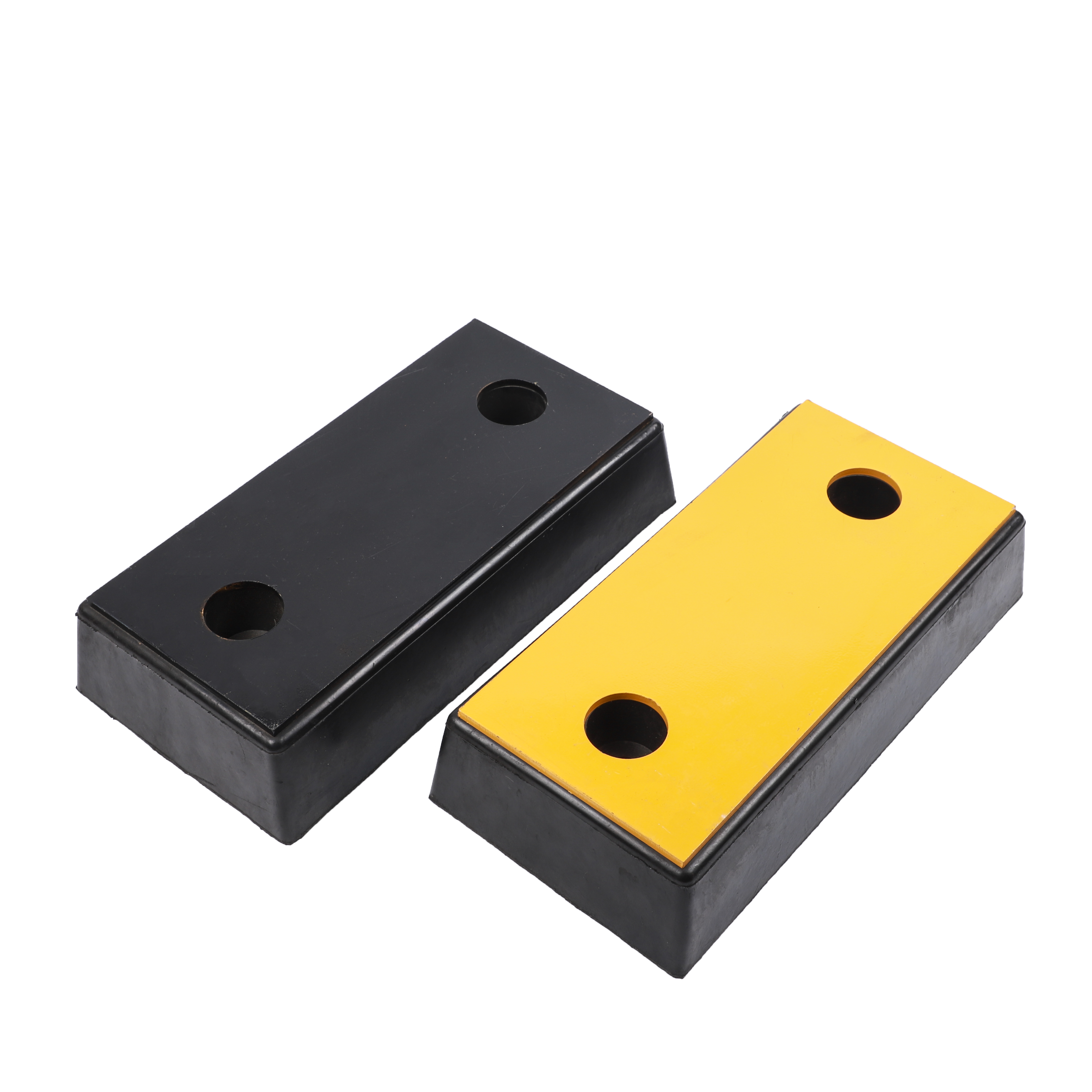
Dock Bumper Wear: When to Repair or Replace
Essential Loading Dock Protection for Safer Industrial Operations
Loading docks are among the busiest and most demanding areas in warehouses, logistics centers, manufacturing plants, and distribution facilities. Trucks reverse into dock positions repeatedly throughout the day, often under tight schedules and varying weather conditions. During these operations, the dock bumper becomes one of the most important protective components in preventing structural damage and maintaining operational safety.
A dock bumper is designed to absorb impact between trucks and loading dock structures during docking procedures. Why is the dock bumper considered critical for industrial facilities? Without proper dock protection, repeated trailer impact can quickly damage concrete walls, loading dock edges, vehicles, and warehouse infrastructure. Even minor contact over time may lead to expensive repairs and operational disruptions.
Dock bumper systems are exposed to constant pressure, friction, vibration, and environmental stress. As a result, wear and deterioration naturally occur over time. Facility managers must regularly evaluate whether a dock bumper should be repaired or fully replaced in order to maintain safety and structural protection.
Many industrial buyers source products from YS Traffic Safety Dock Bumper Solutions because the company provides heavy-duty dock bumper products designed for warehouses, logistics facilities, loading bays, and commercial docking operations requiring reliable impact protection.
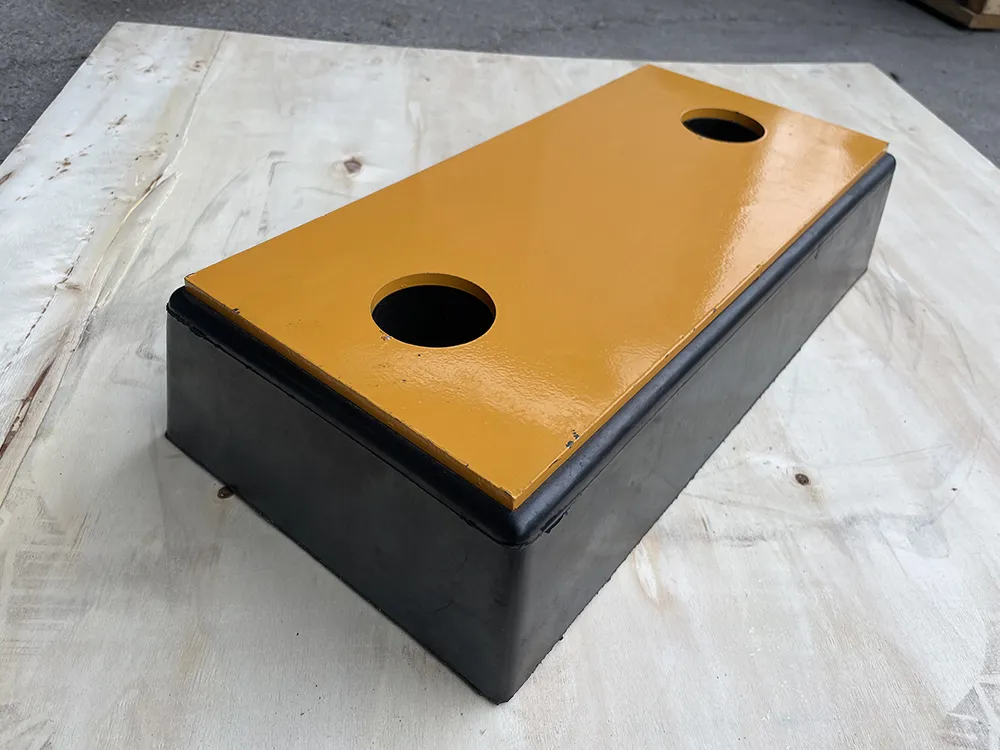
Importance of Dock Bumper Systems in Loading Facilities
Structural Protection for Loading Dock Areas
Loading docks experience repeated trailer impact every day. Trucks of different sizes reverse toward docking stations while drivers attempt to align trailers accurately with loading doors. Why is structural protection necessary in these environments? Dock walls and platform edges are highly vulnerable to repeated collision pressure.
A dock bumper absorbs impact energy before vehicles make direct contact with the building structure. This helps protect concrete surfaces, dock edges, steel frames, and loading platforms from cracking and deformation.
Warehouses and logistics centers often install heavy-duty dock bumper systems because high-frequency docking operations increase wear on loading infrastructure.
Without a durable dock bumper, facilities may experience costly repairs related to damaged walls, broken concrete, or compromised loading platforms.
Commercial operators frequently view dock bumper systems as essential long-term investments for reducing maintenance expenses and improving operational efficiency.
Reliable dock protection also helps extend the overall lifespan of loading dock infrastructure.
Improved Safety for Vehicles and Workers
Safety is another major reason industrial facilities rely on dock bumper systems. Loading areas involve forklifts, trucks, warehouse workers, and moving cargo operating within confined spaces.
Why does a damaged dock bumper create safety concerns? Worn or missing dock protection increases the risk of severe trailer impact, unstable docking alignment, and unexpected structural damage.
A properly functioning dock bumper helps maintain safer contact between trucks and dock structures during loading procedures.
Truck drivers also benefit because quality dock bumper systems reduce trailer damage caused by hard impact during reversing maneuvers.
Forklift operators working inside trailers rely on stable docking conditions to move cargo safely between warehouse floors and truck beds.
Industrial safety programs often include regular dock bumper inspection as part of broader loading dock risk management procedures.
Common Causes of Dock Bumper Wear
Continuous Trailer Impact During Daily Operations
Repeated vehicle contact is the most common cause of dock bumper deterioration. Why does impact damage accumulate so quickly in busy facilities? High-volume loading docks may handle dozens or even hundreds of truck movements every day.
Each docking procedure places pressure on the dock bumper surface. Over time, repeated compression and friction gradually wear down rubber material, steel mounting systems, and protective layers.
Facilities with aggressive docking patterns or inexperienced drivers may experience accelerated dock bumper wear due to stronger collision force.
Industrial loading areas serving large trailers or heavy transport vehicles often require reinforced dock bumper systems because impact energy is significantly higher.
Warehouse managers frequently inspect high-traffic loading bays more often because these locations experience faster bumper deterioration.
Heavy operational demand eventually reduces the impact absorption capability of aging dock bumper products.
Environmental Exposure and Weather Conditions
Outdoor loading docks expose dock bumper systems to rain, sunlight, snow, humidity, and temperature changes. Why do environmental conditions affect dock bumper lifespan? Continuous exposure to weather gradually weakens materials and protective coatings.
Rubber dock bumper surfaces may harden, crack, or lose flexibility after long-term UV exposure and temperature fluctuations.
Steel mounting hardware may also corrode if protective coatings deteriorate over time.
Cold weather environments can make some dock bumper materials less flexible, increasing the risk of cracking under heavy impact.
Industrial facilities near coastal areas or chemical processing operations may experience faster corrosion because of moisture and airborne contaminants.
Weather-related wear often combines with operational impact to accelerate overall dock bumper deterioration.
Signs That a Dock Bumper Needs Repair
Surface Cracking and Minor Material Damage
Small surface cracks are among the earliest signs of dock bumper wear. Why should facilities address minor damage quickly? Even small cracks may expand under repeated pressure and eventually compromise impact protection performance.
Rubber dock bumper systems sometimes develop superficial cracking because of aging, UV exposure, or repeated compression cycles.
Minor edge damage or shallow surface wear may still allow the dock bumper to function effectively if structural integrity remains intact.
Industrial maintenance teams often repair small damaged areas before larger structural failure occurs.
Routine inspections help identify early-stage wear while repair solutions remain relatively simple and cost-effective.
Addressing small problems early may help extend dock bumper service life significantly.
Loose Mounting Hardware and Alignment Issues
Dock bumper performance depends not only on the rubber surface but also on secure installation. Why are mounting issues considered serious safety concerns? Loose hardware may allow dock bumpers to shift during vehicle impact.
Repeated trailer pressure can gradually loosen bolts, brackets, and mounting plates over time.
Misaligned dock bumper systems may create uneven impact distribution, increasing structural stress on both the bumper and loading dock.
Industrial maintenance personnel should regularly inspect mounting hardware for corrosion, looseness, or visible deformation.
In some situations, replacing hardware components may restore dock bumper stability without requiring full bumper replacement.
Proper alignment and secure fastening are essential for maintaining safe loading dock operation.
Signs That a Dock Bumper Requires Replacement
Severe Compression and Loss of Impact Resistance
Dock bumpers are designed to absorb impact through compression and flexibility. Why does excessive compression indicate replacement is necessary? Permanently compressed bumpers lose their ability to cushion trailer impact effectively.
A heavily worn dock bumper may appear flattened or deformed even when no vehicle is present.
Reduced thickness limits the bumper’s ability to absorb docking force, increasing stress on loading dock structures.
Facilities experiencing repeated hard trailer contact often replace dock bumper systems when visible compression becomes severe.
Heavy-duty industrial operations typically monitor bumper thickness as part of scheduled safety inspections.
Ignoring severe compression may eventually lead to structural damage and higher repair expenses for loading dock infrastructure.
Deep Cracks and Structural Separation
Surface wear may sometimes progress into deeper structural failure. Why are deep cracks dangerous for dock bumper systems? Significant material separation weakens the bumper’s ability to distribute impact pressure safely.
Large cracks, detached sections, or exposed internal reinforcement indicate advanced deterioration requiring immediate replacement.
Damaged dock bumper systems may also shift unpredictably during vehicle contact, creating additional safety hazards for trucks and workers.
Industrial facilities should replace severely damaged dock bumpers promptly to maintain safe docking conditions.
Facilities operating high-volume logistics centers often maintain replacement inventory to minimize downtime during bumper replacement procedures.
Reliable dock bumper performance is critical for protecting both infrastructure and operational safety.
Repair Strategies for Extending Dock Bumper Lifespan
Routine Inspection and Preventive Maintenance
Preventive maintenance is one of the most effective ways to extend dock bumper service life. Why do proactive maintenance programs reduce long-term costs? Early identification of wear allows facilities to correct problems before major damage develops.
Industrial facilities commonly schedule regular dock bumper inspections based on traffic volume and operational intensity.
Maintenance teams typically evaluate rubber condition, mounting hardware, alignment stability, and visible impact damage during inspections.
Cleaning dock bumper surfaces also helps improve visibility and identify developing cracks more easily.
Facilities with heavy trailer traffic often perform more frequent inspections because wear progresses faster in high-use environments.
Preventive maintenance improves operational reliability while reducing emergency repair situations.
Replacing Damaged Hardware Components
Not all dock bumper problems require complete replacement. Why can hardware repair sometimes restore bumper performance effectively? Mounting brackets and bolts often wear faster than the bumper itself in certain environments.
Corroded or loose mounting systems may reduce stability even if the rubber dock bumper remains structurally sound.
Replacing bolts, brackets, or anchor plates can improve bumper alignment and restore secure positioning.
Industrial maintenance teams frequently keep replacement hardware available for quick repair procedures.
Professional repair work helps maintain consistent impact protection while reducing unnecessary product replacement costs.
Reliable hardware systems are essential for maximizing dock bumper durability and operational safety.
Benefits of Replacing Worn Dock Bumper Systems
Improved Impact Protection for Loading Docks
A new dock bumper restores full impact absorption capability, improving protection for both loading infrastructure and vehicles.
Why do industrial facilities replace dock bumpers before total failure occurs? Proactive replacement reduces the risk of structural damage caused by weakened impact resistance.
Heavy-duty dock bumper systems provide stronger cushioning performance for trucks reversing into loading bays.
Improved impact absorption also reduces stress on concrete walls, dock levelers, and loading platforms.
Commercial facilities handling high-value cargo often prioritize reliable dock protection to maintain smooth logistics operations.
Consistent impact protection helps reduce maintenance costs associated with damaged dock structures.
Better Operational Efficiency and Safety
Loading docks operate more efficiently when vehicles can dock smoothly and safely. Why does dock bumper condition affect operational performance? Stable docking conditions improve alignment and reduce collision risks during trailer positioning.
Drivers gain greater confidence when loading bays provide reliable cushioning and clear docking support.
Warehouse workers also benefit from improved safety because properly protected docks reduce sudden impact movement.
Modern dock bumper systems may additionally improve appearance and visibility inside loading areas.
Commercial logistics facilities frequently upgrade worn dock bumpers to maintain professional operational standards.
Reliable loading infrastructure contributes to smoother cargo handling and reduced operational interruptions.
Choosing the Right Replacement Dock Bumper
Selecting Proper Material and Size
Different loading dock environments require different bumper specifications. Why is proper dock bumper selection important? Incorrect bumper size or material may reduce protection effectiveness and shorten product lifespan.
Heavy-duty rubber dock bumper systems are commonly used for high-impact industrial loading areas because they provide excellent durability and impact resistance.
Facilities handling large trailers or frequent docking activity often require reinforced bumper thickness and larger dimensions.
Smaller loading operations may choose compact dock bumper systems suitable for lighter commercial traffic.
Commercial buyers should evaluate trailer height, dock structure design, traffic frequency, and environmental conditions before selecting replacement products.
Professional suppliers can often recommend suitable dock bumper configurations based on operational requirements.
Working with Reliable Dock Bumper Manufacturers
Supplier quality directly affects long-term dock bumper performance. Why do industrial buyers prioritize experienced manufacturers? Reliable production standards improve durability, consistency, and operational safety.
Professional dock bumper manufacturers typically provide multiple loading dock protection products including rubber dock bumpers, dock seals, wheel chocks, wall protectors, and traffic safety equipment.
Advanced manufacturing capability also supports customized sizes, reinforced structures, and specialized mounting systems.
Commercial contractors frequently request technical specifications and durability testing information before placing bulk orders.
Factory-direct suppliers often provide better inventory stability and project support for industrial logistics facilities.
Strong supplier relationships help businesses maintain consistent loading dock protection standards across multiple locations.
FAQ
What is a dock bumper used for
A dock bumper is used to absorb impact between trucks and loading dock structures during docking operations, helping protect walls, platforms, and vehicles from collision damage.
How often should dock bumpers be inspected
Dock bumpers should be inspected regularly based on traffic volume and operational conditions. Busy loading docks often perform inspections monthly or during scheduled maintenance programs.
What are the signs that a dock bumper needs replacement
Common signs include severe compression, deep cracks, loose mounting systems, structural separation, and reduced impact absorption performance.
Can damaged dock bumpers be repaired instead of replaced
Minor surface wear and hardware issues can sometimes be repaired, but heavily compressed or structurally damaged dock bumpers usually require full replacement for safe operation.
For more information about heavy-duty dock bumper systems and industrial loading dock protection products, visit YS Traffic Safety Official Website.
Table of Contents
- Dock Bumper Wear: When to Repair or Replace
- Essential Loading Dock Protection for Safer Industrial Operations
- Importance of Dock Bumper Systems in Loading Facilities
- Common Causes of Dock Bumper Wear
- Signs That a Dock Bumper Needs Repair
- Signs That a Dock Bumper Requires Replacement
- Repair Strategies for Extending Dock Bumper Lifespan
- Benefits of Replacing Worn Dock Bumper Systems
- Choosing the Right Replacement Dock Bumper
- FAQ