 EN
EN

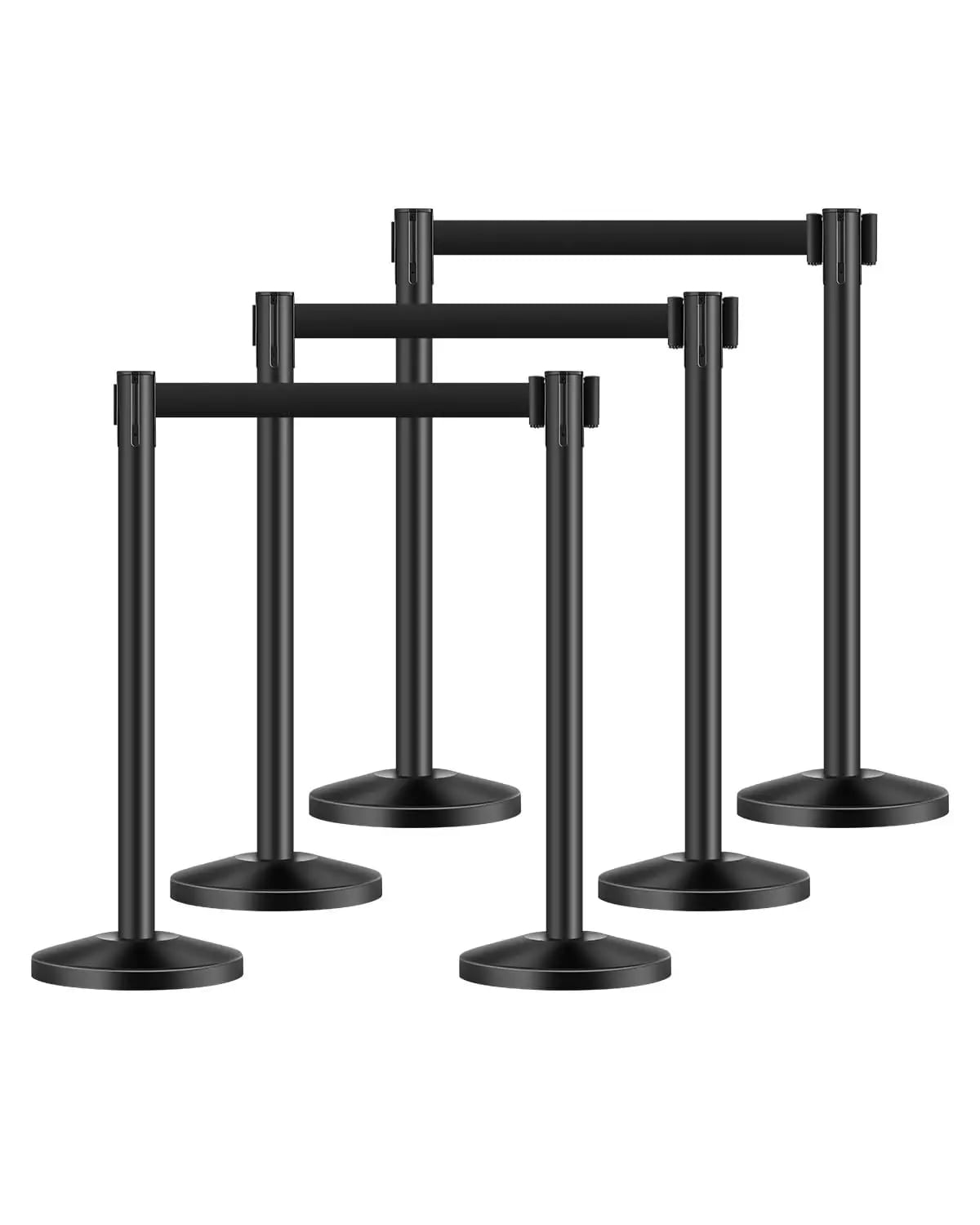
How to Use Crowd Control Barriers to Manage Event Traffic Safely
Managing large groups of people during concerts, exhibitions, trade shows, stadium events, airports, shopping malls, and public gatherings requires more than simply placing signs or ropes near entrances. Poor pedestrian guidance often causes congestion, safety hazards, confused visitors, delayed entry, and even disputes between attendees. This is why many organizers now rely on crowd control barriers to create organized walkways, reduce bottlenecks, and improve the overall visitor experience.
Whether visitors are lining up for ticket verification, security screening, registration, or controlled access areas, using the right crowd control barriers can significantly improve traffic flow. A properly designed barrier layout helps event staff guide people efficiently while keeping entrances visually clean and professional. Why do some events move smoothly even with thousands of visitors? In many cases, the answer lies in well-planned queue management systems and durable retractable belt stanchions.
For indoor venues, premium retractable belt stanchion systems are widely used because they are flexible, easy to reposition, and suitable for temporary crowd management. In outdoor events, organizers often combine crowd control barriers with heavy-duty barricades to separate walking zones, VIP sections, and restricted areas. Choosing the correct barrier solution depends on venue size, expected foot traffic, entrance width, and event duration.
The use of crowd control barriers also affects customer perception. Visitors entering an organized queue area usually feel safer and more confident about event management. For exhibitions, retail promotions, transportation terminals, and corporate venues, orderly queue systems can even improve brand image. This is why more facility managers and event planners are investing in durable queue management equipment instead of temporary improvised solutions.
For professional queue organization, many buyers prefer using the premium black retractable belt stanchion system from YSTrafficSafety because it combines stable construction, professional appearance, and flexible traffic control performance suitable for commercial and public environments.
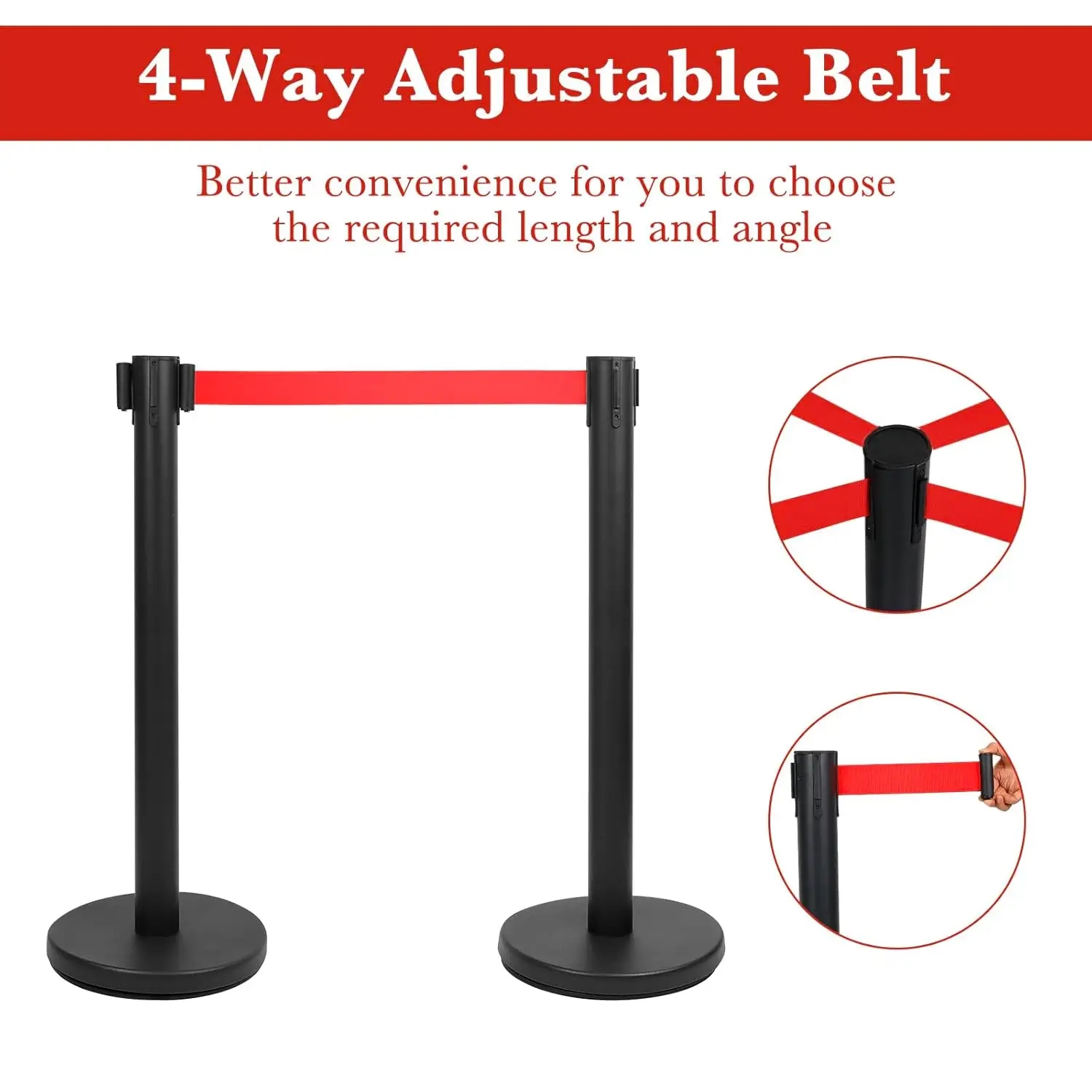
Common Traffic Problems During Large Events
Entrance Congestion at Registration Areas
One of the biggest challenges during busy events is uncontrolled entrance congestion. Without proper crowd control barriers, visitors tend to gather randomly near ticket counters, check-in desks, or security gates. This often blocks walkways and slows down the entire entry process.
Why does congestion become worse during peak hours? In many situations, attendees do not clearly understand where lines begin or end. Retractable belt stanchions help define walking paths and maintain organized queue lanes. When visitors can visually follow a structured path, they move faster and create fewer interruptions.
Crowd control barriers are especially useful at exhibition halls, conference centers, and sports venues where visitor traffic changes rapidly throughout the day. Adjustable barrier layouts allow staff to expand or reduce queue lanes depending on crowd volume. This flexibility helps improve operational efficiency while reducing stress for both visitors and security personnel.
Using professional queue management systems also minimizes unauthorized shortcutting or line jumping. Organized pathways create fairness, which improves visitor satisfaction and reduces complaints during crowded events.
Safety Risks Caused by Unstructured Crowd Movement
Uncontrolled pedestrian movement can create serious safety risks. People entering from multiple directions may suddenly stop, turn around, or collide with others. In emergency situations, poorly managed traffic areas can delay evacuation procedures and increase panic.
Crowd control barriers create clear movement directions that help visitors understand where they should walk. Why is directional guidance important? When people instinctively follow designated queue paths, crowd density becomes easier to manage. This reduces sudden crowd surges near entrances or narrow corridors.
In airports, subway stations, convention centers, and entertainment venues, retractable belt stanchions are often used to separate pedestrian streams moving in opposite directions. This prevents unnecessary crossing traffic and keeps walkways organized.
Professional barrier systems also help staff control restricted areas. Temporary maintenance zones, backstage entrances, VIP sections, and equipment storage areas can be separated quickly using portable crowd control barriers. Compared with makeshift solutions, commercial-grade barriers provide stronger stability and a more professional appearance.
Choosing the Right Crowd Control Barriers for Different Events
Retractable Belt Stanchions for Indoor Queue Management
Retractable belt stanchions are among the most popular crowd control barriers for indoor environments. Their compact structure and flexible belt system allow organizers to create temporary queue lanes without permanent installations.
Why are retractable barriers widely used in commercial venues? One major reason is adaptability. Event organizers can quickly change queue layouts based on crowd size or venue conditions. During registration periods, longer zigzag queue lanes can maximize limited floor space. Once visitor flow decreases, staff can easily reposition the barriers.
The premium black retractable belt stanchion system is especially suitable for hotels, trade fairs, museums, banks, airports, and conference halls because of its professional appearance and stable base design. Durable belt locking mechanisms also improve safety during high-traffic operation.
Another advantage of retractable crowd control barriers is portability. Staff members can transport and store them efficiently after events. For venues hosting multiple events every week, reusable queue systems reduce long-term operational costs while maintaining consistent traffic control quality.
Many B2B buyers also prefer retractable stanchions because they support OEM customization options, including logo printing, belt color selection, and post finishes. This helps commercial venues maintain brand consistency across public spaces.
Heavy-Duty Crowd Barriers for Outdoor Traffic Control
Outdoor events usually require stronger crowd control barriers because of larger visitor numbers and changing environmental conditions. Concerts, sports competitions, festivals, and public ceremonies often involve continuous pedestrian movement over extended periods.
Why are heavy-duty barriers important outdoors? Lightweight queue equipment may shift under crowd pressure or unstable ground conditions. Steel barricades and reinforced crowd control barriers provide stronger physical separation for large-scale traffic management.
Outdoor barrier systems are commonly used to divide entrance checkpoints, emergency lanes, security inspection zones, and VIP sections. Event managers often combine fixed barricades with retractable belt stanchions to create layered traffic control systems.
Weather resistance also matters for outdoor applications. Powder-coated steel barriers and corrosion-resistant finishes help maintain durability under rain, sunlight, and repeated transportation. For rental companies and event service providers, long-lasting materials reduce replacement frequency and maintenance costs.
Professional crowd control barriers can also support temporary signage attachments. Directional signs, sponsor branding, and safety instructions improve visitor navigation while supporting event communication objectives.
Effective Queue Layout Strategies for Safe Crowd Movement
Zigzag Queue Systems for High Traffic Efficiency
Zigzag queue layouts are widely used because they maximize waiting capacity within limited spaces. Instead of allowing visitors to form long straight lines, crowd control barriers guide people through organized back-and-forth pathways.
Why does this layout improve efficiency? Visitors remain contained within a predictable walking area, preventing random overflow into nearby pedestrian zones. Queue managers can also estimate waiting times more accurately because line lengths remain visible.
Retractable belt stanchions are ideal for zigzag layouts because belts can connect from multiple directions. Staff can quickly adjust lane spacing depending on traffic conditions. During trade exhibitions and ticketed events, this flexibility allows operators to respond to changing visitor volumes throughout the day.
Another benefit is psychological organization. Visitors often feel more comfortable when lines appear structured and professionally managed. Clearly defined queue routes reduce uncertainty and improve overall event experience.
For temporary events held inside shopping centers, airports, or exhibition halls, modular crowd control barriers provide practical traffic organization without permanent construction changes.
Directional Traffic Separation for Safer Pedestrian Flow
Separating incoming and outgoing traffic is essential for busy venues. Without proper crowd control barriers, opposing pedestrian movement can cause congestion near entrances and exits.
Why do many venues create separate lanes? Controlled directional movement minimizes collisions and prevents unnecessary delays. Visitors entering the venue can move smoothly while exiting attendees leave through dedicated pathways.
Retractable stanchions help create temporary directional systems that can change throughout the day. During peak arrival periods, more lanes can support incoming traffic. After events end, layouts can shift to prioritize exit flow.
This strategy is especially important for transportation terminals, stadiums, convention centers, and public service buildings. Organized pedestrian routing improves safety while helping security personnel monitor movement patterns more effectively.
In some facilities, crowd control barriers are also combined with access control technology, ticket scanners, or security checkpoints to improve operational coordination.
Improving Event Safety with Professional Barrier Systems
Reducing Unauthorized Access in Restricted Areas
Large events often include backstage zones, equipment storage rooms, media sections, and staff-only corridors. Without clear physical separation, visitors may accidentally enter restricted spaces.
Crowd control barriers help event staff create temporary access boundaries quickly and professionally. Why is visible separation important? Physical barriers reduce confusion and discourage unauthorized entry without requiring constant verbal instructions.
Retractable belt stanchions are commonly used in indoor restricted areas because they are lightweight and easy to reposition. For higher-security environments, organizers may combine crowd control barriers with metal barricades or security personnel.
Professional queue systems also improve emergency response readiness. When access zones are clearly separated, staff can direct people more efficiently during evacuations or operational adjustments.
For commercial venues, organized restricted areas also improve professionalism. Visitors are more likely to trust event operations when pathways and access points appear controlled and clearly managed.
Supporting Faster Emergency Response Coordination
Emergency preparedness is an important part of event traffic management. During unexpected incidents, poorly organized pedestrian areas can delay evacuation and increase confusion.
Crowd control barriers support safer emergency coordination by maintaining organized movement channels. Why does this matter during emergencies? Clear pathways help security teams direct people toward exits without excessive crowd compression.
Portable barrier systems are especially useful because they can be reconfigured rapidly if traffic conditions change. Event managers may temporarily open additional pathways or isolate affected zones depending on operational requirements.
Barrier layouts should also consider wheelchair accessibility, stroller movement, and emergency service access. Proper spacing improves inclusiveness while supporting safety compliance for public venues.
Many professional event planners conduct pre-event traffic simulations to determine optimal crowd control barrier placement before visitor arrival. This proactive planning reduces operational risks and improves overall venue management efficiency.
Selecting Reliable Crowd Control Barrier Suppliers
Material Durability for Commercial Applications
Not all crowd control barriers are designed for heavy commercial use. Some low-cost products may become unstable, damaged, or difficult to maintain after repeated deployment.
Why should buyers focus on material quality? Commercial venues often use queue systems daily under continuous pedestrian pressure. Durable steel construction, reinforced bases, and reliable belt mechanisms improve long-term operational performance.
Professional retractable belt stanchions typically include weighted bases for better stability. Scratch-resistant coatings also help maintain appearance after frequent transportation and storage.
For distributors, wholesalers, and project contractors, choosing reliable crowd control barriers reduces replacement costs and improves customer satisfaction. OEM and ODM customization capabilities can also support different market requirements.
Reliable suppliers usually provide consistent production quality, export packaging support, and flexible order quantities for commercial buyers.
OEM Customization for Branding and Facility Design
Many businesses prefer customized crowd control barriers that match their branding or venue style. Hotels, airports, luxury retail stores, and exhibition centers often require coordinated colors and finishes.
Retractable belt stanchions can support custom logo printing, belt colors, stainless steel finishes, and post designs. Why is customization valuable? Coordinated queue equipment improves visual consistency and enhances customer experience.
For event rental companies, customized barrier systems can also improve market competitiveness. Branded equipment creates a more professional appearance during corporate events and public gatherings.
Some manufacturers additionally provide custom barrier dimensions, safety messaging belts, or modular connector systems for special project requirements. Buyers handling large commercial installations often benefit from working directly with experienced factory suppliers.
Practical Maintenance Tips for Crowd Control Barriers
Daily Inspection for Safer Operation
Regular maintenance helps extend the service life of crowd control barriers. Event staff should inspect retractable belts, locking mechanisms, and base stability before each use.
Why are inspections important? Damaged barriers may create safety risks during crowded events. Loose belts or unstable bases can interrupt queue flow and increase accident potential.
Cleaning barrier surfaces also improves presentation quality. Fingerprints, dust, and scratches may affect professional appearance in high-end venues such as hotels or convention centers.
Portable stanchions should be stored properly after use to prevent unnecessary wear during transportation. Protective packaging and organized storage reduce long-term maintenance expenses.
For outdoor barrier systems, corrosion inspection is especially important after exposure to rain or humid environments.
Proper Storage for Long-Term Durability
Incorrect storage practices can shorten the lifespan of crowd control barriers. Stacking equipment carelessly may damage belt housings, connectors, or surface finishes.
Why do professional venues invest in organized storage systems? Proper storage improves equipment longevity and simplifies inventory management. Staff can also deploy barriers faster during event preparation.
Retractable belt stanchions should be stored upright whenever possible to protect internal belt tension systems. Heavy-duty outdoor barricades should be cleaned before storage to reduce corrosion risk.
Commercial buyers managing large inventories often choose stackable or modular barrier designs because they save warehouse space and simplify transportation logistics.
Working with experienced manufacturers can also help buyers select packaging methods suitable for international shipping and long-term storage.
FAQ
What are the best crowd control barriers for indoor events
Retractable belt stanchions are usually the best choice for indoor queue management because they are flexible, portable, and visually professional. They work well in airports, hotels, exhibitions, conference centers, and retail environments where organizers need adjustable queue layouts.
How do crowd control barriers improve event safety
Crowd control barriers help organize pedestrian movement, reduce congestion, separate restricted areas, and improve emergency response coordination. Proper queue layouts also minimize confusion and create safer entrance and exit pathways for visitors.
Why are retractable belt stanchions popular for queue management
Retractable belt stanchions allow event staff to create temporary queue lanes quickly. Their adjustable belts and portable structure make them suitable for changing crowd conditions, especially in high-traffic commercial environments.
What should buyers consider when choosing crowd control barriers
Buyers should evaluate material durability, base stability, belt quality, portability, customization options, and intended application scenarios. Commercial venues usually benefit from heavy-duty crowd control barriers designed for repeated professional use.
For commercial projects, wholesale inquiries, or customized queue management solutions, buyers can explore professional retractable stanchion systems and crowd control barriers from YSTrafficSafety Official Website to request specifications, OEM options, pricing, and sample recommendations.
Table of Contents
- Common Traffic Problems During Large Events
- Choosing the Right Crowd Control Barriers for Different Events
- Effective Queue Layout Strategies for Safe Crowd Movement
- Improving Event Safety with Professional Barrier Systems
- Selecting Reliable Crowd Control Barrier Suppliers
- Practical Maintenance Tips for Crowd Control Barriers
- FAQ