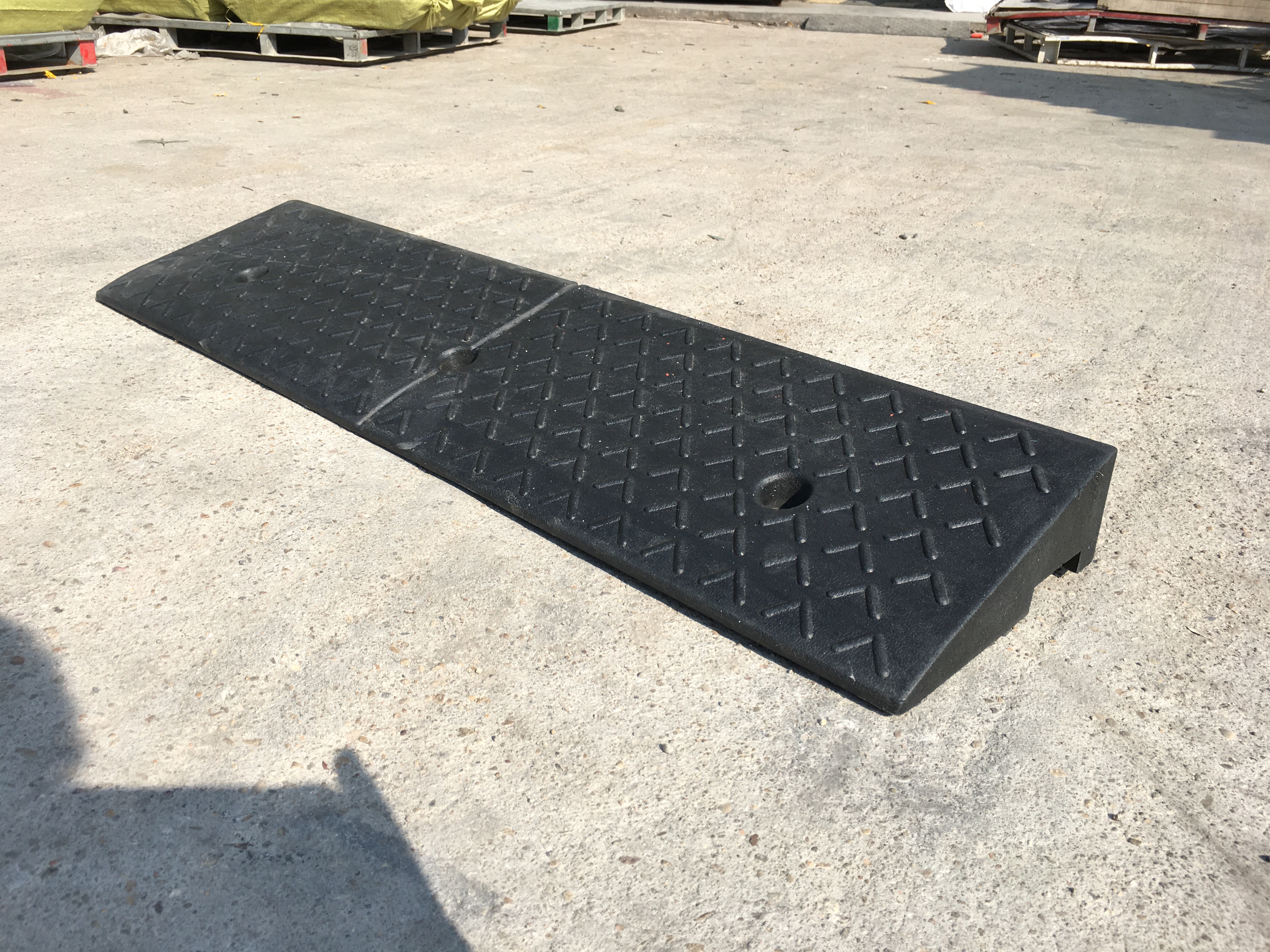
rubber ramp
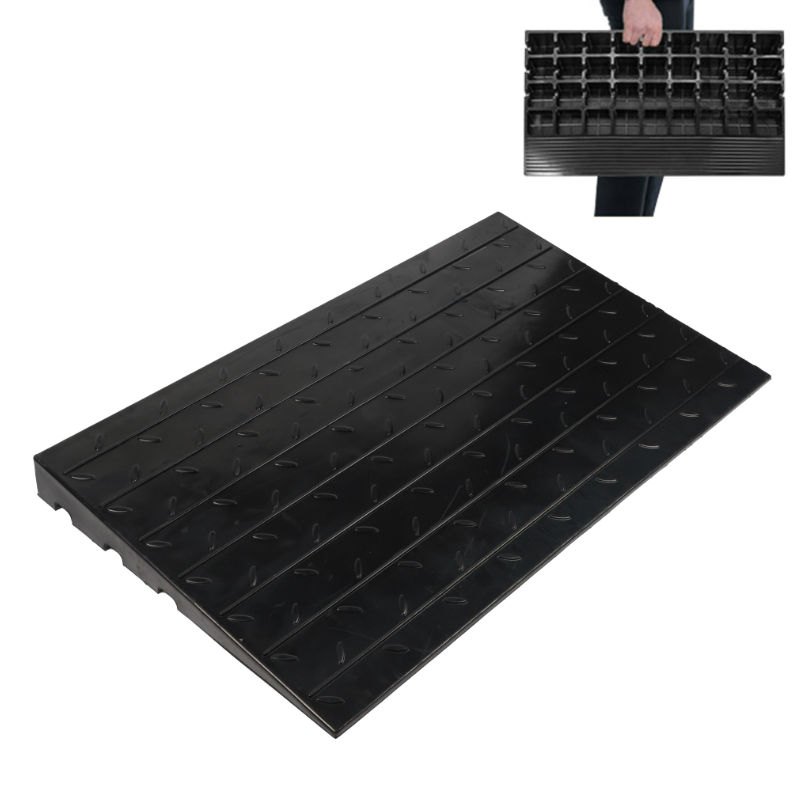
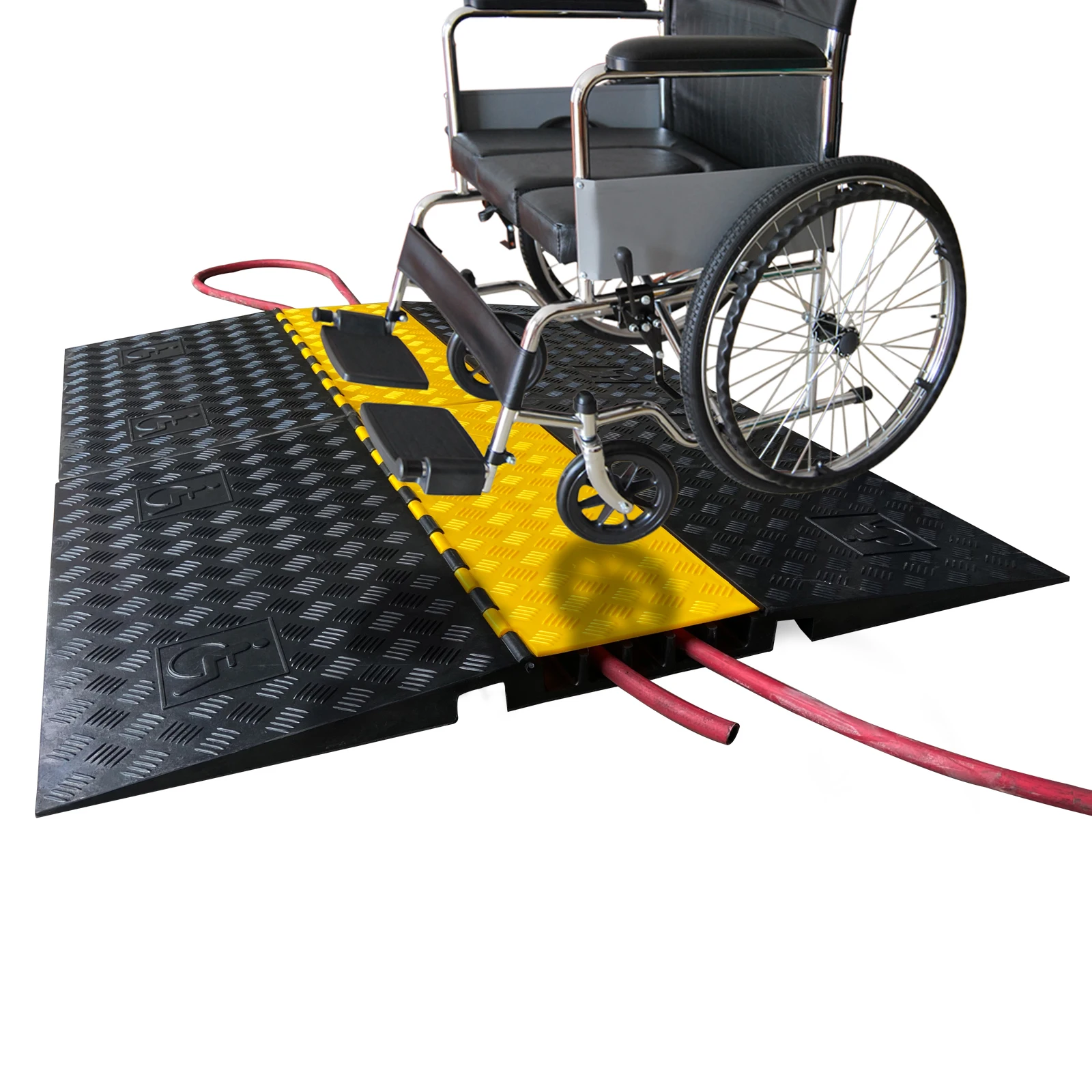
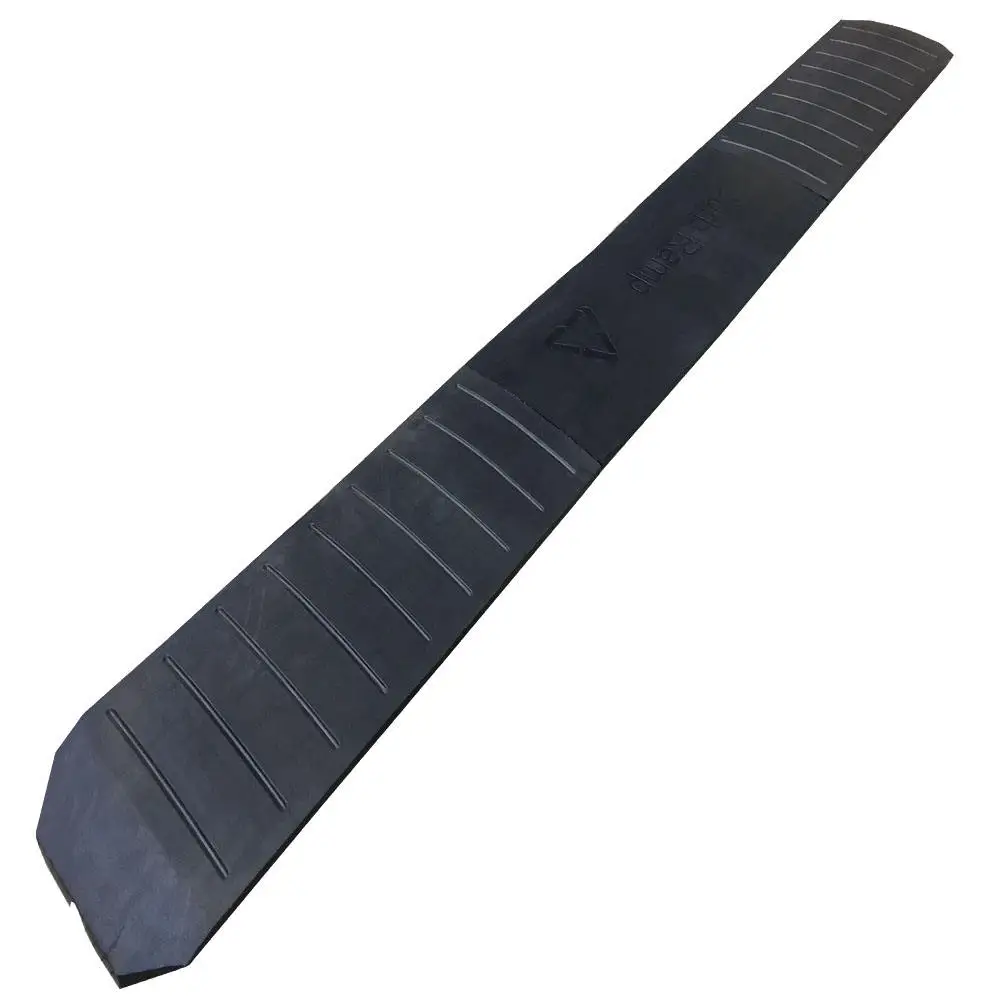
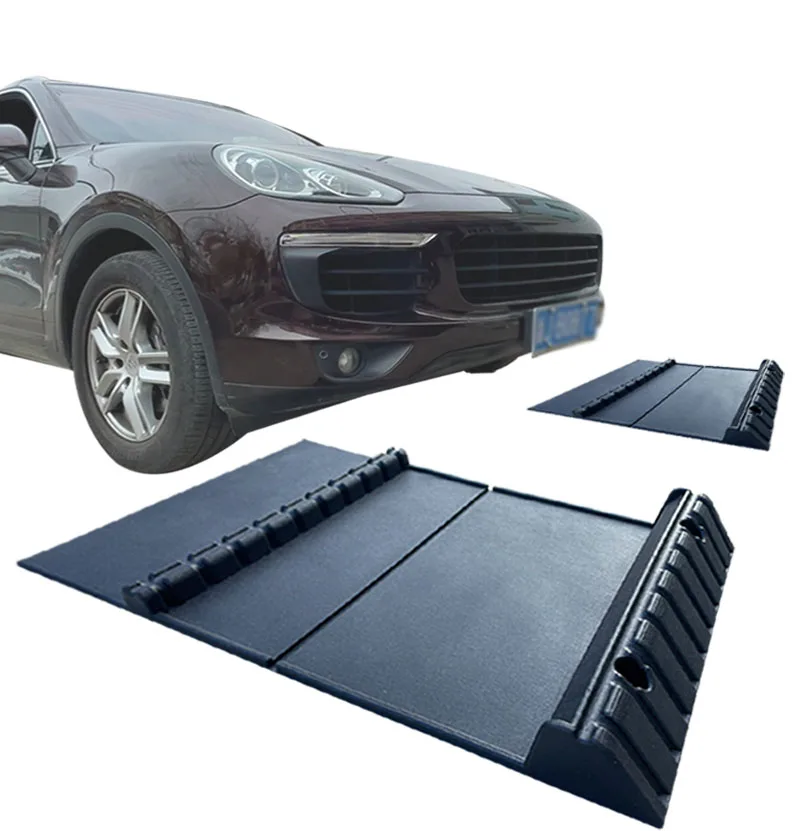
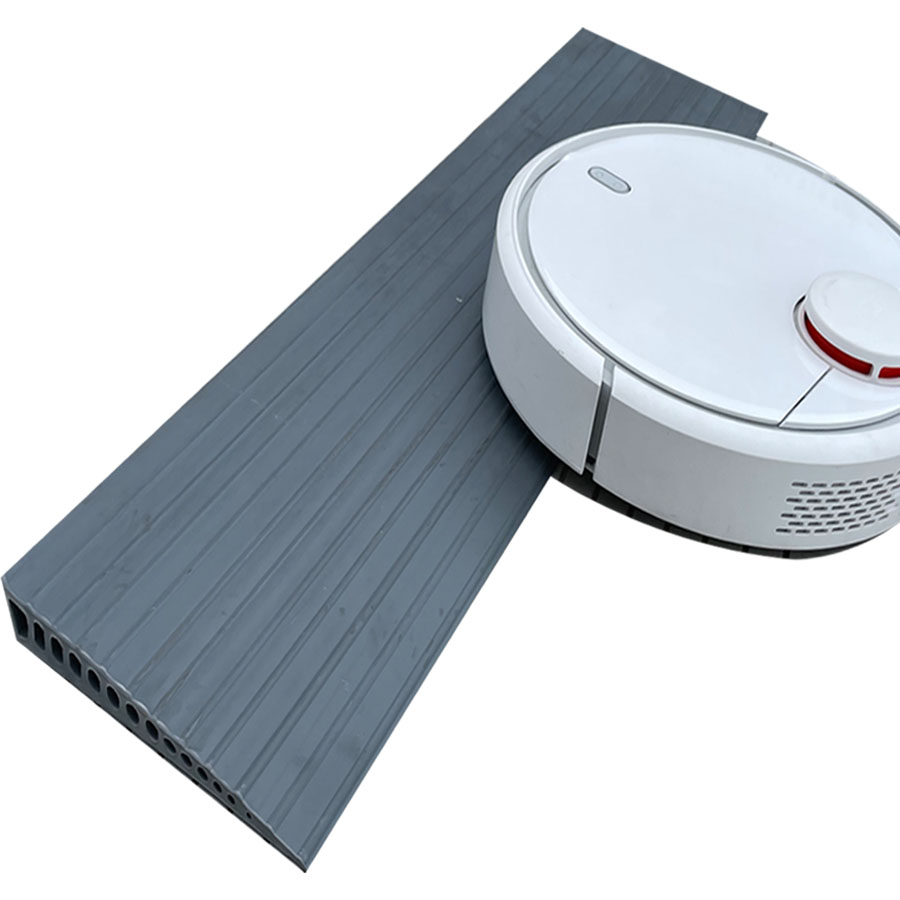
A rubber ramp is a versatile accessibility solution designed to create smooth transitions between different surface heights, eliminating obstacles and providing safe passage for wheelchairs, vehicles, and pedestrian traffic. Constructed from durable rubber materials, these ramps offer exceptional resilience against weather conditions, heavy loads, and frequent use. The rubber ramp serves as an essential tool in various settings, from residential driveways to commercial loading docks, ensuring compliance with accessibility standards while maintaining operational efficiency. The primary functions of a rubber ramp include bridging height gaps at doorways, curbs, and loading areas, reducing tripping hazards, and facilitating the movement of wheeled equipment. Technologically, modern rubber ramps feature advanced compound formulations that resist cracking, fading, and deformation under extreme temperatures. Many models incorporate textured surfaces or grooved patterns that enhance traction, preventing slips even in wet conditions. The modular design of many rubber ramps allows for customizable configurations, enabling users to extend or adjust ramp systems according to specific spatial requirements. Installation typically requires no specialized tools or permanent modifications, making the rubber ramp an adaptable solution for temporary or permanent applications. These ramps commonly serve warehouses, retail establishments, healthcare facilities, schools, and private residences, accommodating everything from manual wheelchairs to forklifts. The flexibility, portability, and cost-effectiveness of rubber ramps make them preferred alternatives to permanent concrete or metal structures, particularly in rental properties or locations requiring frequent reconfiguration.
 EN
EN