 EN
EN

How to Extend the Life of Laminated Rubber Dock Bumpers
Long-Term Protection Strategies for Industrial Dock Equipment
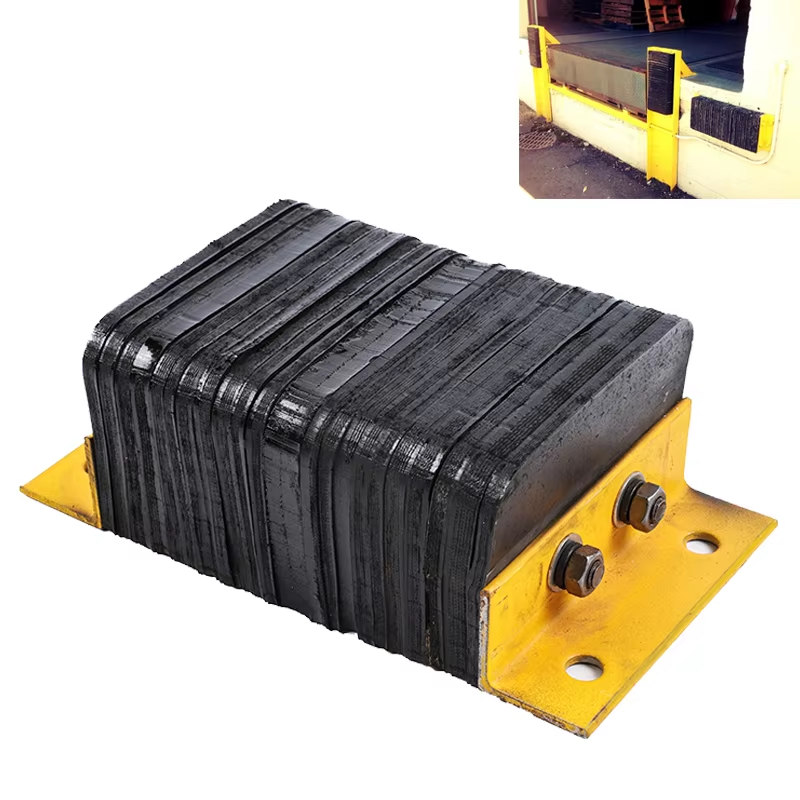
Loading docks are among the busiest operational areas in warehouses, freight terminals, logistics hubs, ports, and manufacturing facilities. Trucks and trailers move continuously through loading bays every day, often under demanding schedules and heavy operational pressure. In these high-impact environments, a laminated rubber bumper plays a critical role in protecting dock structures, vehicles, equipment, and personnel from repeated collision damage.
A laminated rubber bumper is specifically designed to absorb docking impact and reduce stress on loading dock infrastructure. Why is long-term maintenance important for these heavy-duty protection systems? Even the strongest bumper products can wear prematurely if they are exposed to excessive pressure, improper installation, harsh environmental conditions, or insufficient maintenance.
Industrial facilities that properly maintain their laminated rubber bumper systems often achieve longer service life, reduced replacement costs, and more stable loading dock operations. Maintenance programs also help improve safety while protecting warehouse infrastructure from expensive structural damage.
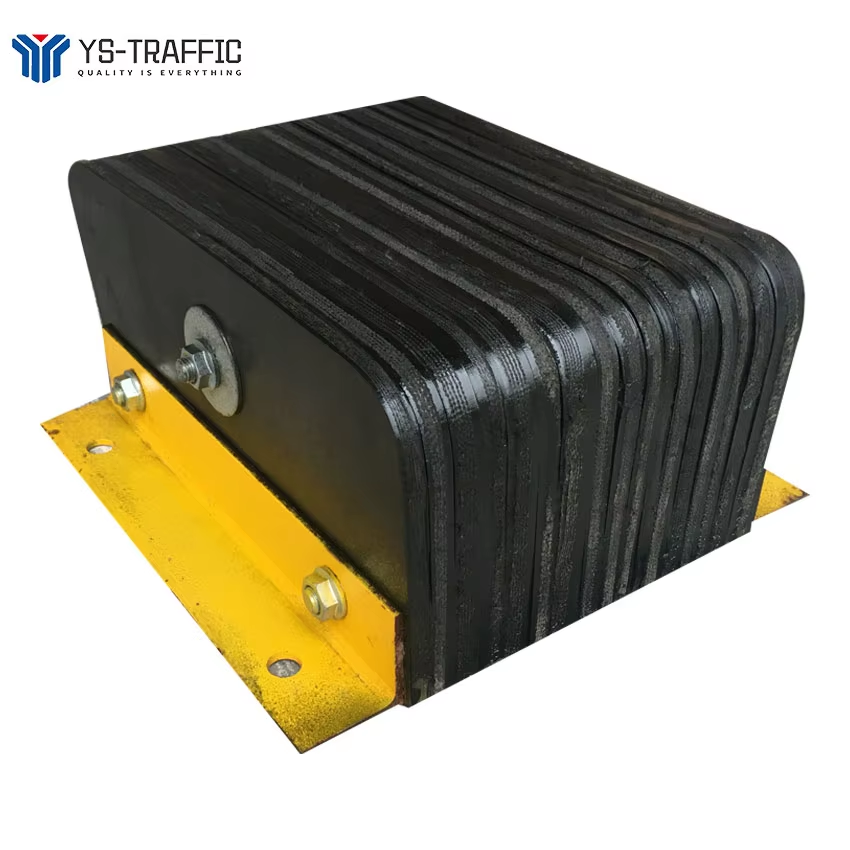
Many industrial buyers source products from YS Traffic Safety Laminated Rubber Bumper Solutions because the company provides heavy-duty laminated rubber bumper systems designed for warehouses, marine docks, freight terminals, manufacturing plants, and commercial loading facilities requiring durable impact protection.
Understanding How Laminated Rubber Bumper Systems Wear Over Time
Continuous Docking Pressure and Compression Stress
Every loading dock experiences repeated impact throughout daily operations. Why does constant docking pressure gradually affect laminated rubber bumper performance? Each trailer contact creates compression stress that slowly influences the internal structure of the bumper system.
Heavy-duty laminated rubber bumper products are designed to absorb and distribute impact force, but constant operational pressure eventually creates wear after thousands of docking cycles.
Warehouses operating twenty-four hours per day often experience faster bumper wear because trailers continuously enter and leave loading bays.
Distribution centers handling oversized trailers may also expose bumper systems to higher compression loads during docking procedures.
Industrial property managers frequently monitor compression performance because reduced elasticity can weaken impact protection capability.
Understanding operational stress helps facilities develop more effective maintenance and replacement planning strategies.
Surface Abrasion Caused by Trailer Friction
Docking impact is not the only factor affecting bumper lifespan. Why does trailer friction contribute to laminated rubber bumper wear? During docking procedures, trailers may scrape or slide against bumper surfaces, especially in high-traffic facilities with difficult maneuvering conditions.
This repeated friction gradually removes material from exposed bumper surfaces and may weaken structural stability over time.
Busy logistics centers commonly experience abrasion damage because docking activity remains constant throughout operational schedules.
Facilities handling uneven trailer alignment may place additional stress on specific sections of the laminated rubber bumper system.
Steel-faced laminated rubber bumper products are often selected because reinforced surfaces improve abrasion resistance in demanding industrial environments.
Reducing unnecessary friction helps extend bumper service life and maintain reliable loading dock protection.
Choosing the Correct Laminated Rubber Bumper from the Beginning
Matching Impact Capacity to Operational Requirements
One of the most effective ways to extend bumper lifespan is selecting the correct product initially.
Why does proper bumper selection influence long-term durability? A laminated rubber bumper designed for light-duty applications may fail quickly in a heavy industrial environment.
Facilities handling large trailers and continuous freight movement generally require reinforced bumper systems with higher compression resistance.
Commercial buyers should evaluate docking frequency, trailer size, vehicle weight, and operational traffic before selecting bumper specifications.
Heavy-duty laminated rubber bumper systems help distribute impact pressure more evenly while maintaining structural integrity under demanding conditions.
Industrial loading docks operating around the clock often prioritize thicker bumper systems capable of handling continuous operational stress.
Correct product selection reduces premature wear and improves long-term operational reliability.
Selecting Proper Thickness and Reinforcement
Thickness plays an important role in bumper durability and performance.
Why do thicker laminated rubber bumper products typically last longer in high-impact facilities? Increased thickness improves energy absorption capability and reduces compression fatigue.
Busy warehouses and freight terminals frequently install reinforced laminated rubber bumper systems because thinner products may compress too quickly under heavy operational pressure.
Steel reinforcement also improves structural stability and helps protect bumper surfaces from aggressive trailer friction.
Commercial loading docks handling oversized vehicles often benefit from heavy-duty bumper configurations with enhanced reinforcement layers.
Factory-direct suppliers commonly offer multiple thickness and reinforcement options according to operational requirements.
Choosing appropriate bumper dimensions helps facilities optimize durability and infrastructure protection.
Proper Installation Techniques for Longer Service Life
Correct Mounting Position and Alignment
Installation quality significantly affects laminated rubber bumper performance.
Why is bumper positioning important for long-term durability? Improper alignment may cause uneven impact distribution and accelerated wear on certain sections of the bumper system.
Facilities should install laminated rubber bumper products at heights matching trailer contact points to ensure balanced compression during docking procedures.
Misaligned bumpers may allow trailers to strike exposed concrete or steel structures, increasing infrastructure damage risk.
Industrial warehouses commonly evaluate docking patterns before determining bumper placement.
Professional installation helps maintain stable impact absorption while reducing stress concentration.
Correct alignment contributes to smoother trailer docking and longer bumper lifespan.
Using Strong Mounting Hardware and Reinforcement
Even high-quality bumper systems can fail prematurely if mounting hardware is inadequate.
Why is reinforced mounting important for laminated rubber bumper systems? Continuous docking pressure gradually affects bolts, brackets, and structural connections.
Heavy-duty mounting hardware helps maintain bumper stability under repeated operational impact.
Commercial loading docks handling frequent trailer movement often require reinforced anchoring systems to prevent loosening or shifting.
Facilities operating in marine or outdoor environments may also prioritize corrosion-resistant hardware for improved durability.
Industrial maintenance teams commonly inspect mounting systems regularly because secure attachment directly influences bumper performance.
Reliable installation support improves safety and extends operational lifespan for industrial dock protection systems.
Reducing Operational Damage During Docking Procedures
Improving Trailer Alignment and Docking Accuracy
Operational practices strongly influence bumper wear rates.
Why does accurate trailer positioning help extend laminated rubber bumper lifespan? Poor docking alignment creates uneven pressure and excessive friction on bumper surfaces.
Facilities often use guide markings, dock lights, and driver training programs to improve docking precision.
Industrial warehouses handling large freight volumes frequently prioritize organized trailer movement to reduce unnecessary bumper stress.
Docking guidance systems help drivers position trailers more smoothly during reversing procedures.
Proper trailer alignment reduces scraping, surface tearing, and uneven compression on laminated rubber bumper systems.
Improved operational consistency contributes to longer service life and reduced maintenance costs.
Controlling Docking Speed in High-Traffic Facilities
Trailer speed also affects bumper wear and loading dock safety.
Why should facilities manage docking speed carefully? High-speed trailer contact creates stronger impact force and increases structural stress on bumper systems.
Commercial loading docks commonly implement speed control procedures to reduce aggressive docking pressure.
Distribution centers often provide driver safety instructions to encourage slower and more controlled reversing operations.
Heavy-duty laminated rubber bumper systems absorb significant impact energy, but reducing unnecessary force helps preserve structural integrity.
Controlled docking procedures improve both operational safety and bumper durability.
Lower impact pressure also helps protect loading dock infrastructure from long-term damage.
Maintenance Practices for Laminated Rubber Bumper Systems
Routine Visual Inspection Programs
Preventive maintenance is one of the most effective methods for extending bumper lifespan.
Why should facilities inspect laminated rubber bumper systems regularly? Early identification of wear helps prevent larger operational problems and infrastructure damage.
Maintenance teams commonly check for compression deformation, surface cracking, loose hardware, and steel facing wear.
Busy loading docks often perform monthly inspections because operational traffic remains constant.
Routine visual checks also help identify uneven impact patterns that may indicate docking alignment issues.
Industrial facilities frequently integrate bumper inspection into broader warehouse maintenance programs.
Consistent preventive care improves operational reliability and reduces emergency repair expenses.
Cleaning and Surface Care for Industrial Environments
Surface maintenance also affects long-term bumper performance.
Why does regular cleaning help preserve laminated rubber bumper systems? Dirt, oil, chemicals, and debris may gradually weaken bumper surfaces or hide developing wear problems.
Industrial warehouses commonly clean bumper surfaces during routine loading dock maintenance procedures.
Marine terminals may require more frequent cleaning because salt exposure increases material stress and hardware corrosion risk.
Facilities handling chemical products often prioritize surface maintenance to reduce environmental damage to rubber materials.
Clean bumper surfaces also improve visibility and help maintenance teams identify structural issues more easily.
Proper cleaning supports longer service life and more reliable loading dock protection.
Environmental Factors That Affect Laminated Rubber Bumper Lifespan
Outdoor Weather Exposure and Temperature Changes
Environmental conditions significantly influence bumper durability.
Why do outdoor loading docks require stronger laminated rubber bumper maintenance programs? Sunlight, rain, snow, moisture, and temperature fluctuations gradually affect rubber performance over time.
Cold-weather facilities may experience reduced material flexibility during extreme winter conditions.
Hot climates can also increase surface aging if bumper systems remain exposed to direct sunlight continuously.
Industrial facilities operating outdoors often select weather-resistant laminated rubber bumper products designed for harsh environmental exposure.
Routine inspection becomes especially important in outdoor applications because environmental wear may accelerate material fatigue.
Protecting bumper systems from unnecessary environmental stress improves operational lifespan.
Marine and Coastal Operating Conditions
Marine environments create additional maintenance challenges for industrial dock protection systems.
Why do ports and coastal facilities require specialized laminated rubber bumper care? Salt exposure increases corrosion risk for mounting hardware and reinforced steel surfaces.
Marine terminals commonly use steel-faced laminated rubber bumper systems because they provide stronger abrasion resistance during cargo operations.
Regular cleaning and hardware inspection help reduce long-term corrosion damage in coastal environments.
Commercial marine facilities often prioritize heavy-duty bumper systems specifically engineered for demanding operational exposure.
Reliable maintenance programs improve durability while supporting safer cargo handling procedures.
Environmental awareness helps facilities maximize bumper performance in difficult operating conditions.
Working with Professional Laminated Rubber Bumper Manufacturers
Access to Durable Industrial-Grade Materials
Product quality directly affects bumper lifespan and operational performance.
Why do industrial buyers prefer experienced laminated rubber bumper manufacturers? Professional factories generally use higher-quality materials and more consistent production standards.
Heavy-duty laminated rubber bumper systems require proper rubber density, compression layering, and reinforcement design for reliable long-term operation.
Commercial facilities often prioritize suppliers capable of supporting warehouse, logistics, marine, and manufacturing applications.
Factory-direct manufacturers may also provide technical guidance regarding suitable bumper specifications for specific operational conditions.
Reliable material quality helps reduce premature wear and improve long-term loading dock protection.
Strong manufacturing standards contribute to safer industrial infrastructure management.
Custom Solutions for Specialized Loading Docks
Different loading facilities often require different protection strategies.
Why is customization important for laminated rubber bumper applications? Standard bumper configurations may not always match unique loading dock layouts or operational requirements.
Factories commonly provide customized dimensions, steel facings, reinforcement layers, and mounting systems according to project conditions.
Industrial facilities handling oversized trailers frequently request specialized bumper designs for improved impact management.
Commercial contractors also benefit from factory-direct production because customized solutions simplify installation planning and procurement coordination.
Flexible manufacturing capability helps facilities optimize operational compatibility and bumper durability.
Customized laminated rubber bumper systems improve protection efficiency in demanding industrial environments.
FAQ
What causes laminated rubber bumper systems to wear out faster
Heavy trailer impact, poor docking alignment, excessive friction, harsh environmental exposure, and insufficient maintenance can all accelerate laminated rubber bumper wear.
How often should laminated rubber bumper systems be inspected
Most industrial facilities perform monthly inspections, although high-traffic loading docks may require more frequent maintenance checks depending on operational intensity.
Are steel-faced laminated rubber bumper products more durable
Steel-faced laminated rubber bumper systems provide improved abrasion resistance and longer service life in facilities with frequent trailer movement and heavy operational traffic.
Can proper installation improve laminated rubber bumper lifespan
Yes, correct alignment, secure mounting hardware, and proper positioning significantly improve impact distribution and help extend bumper service life.
For more information about industrial laminated rubber bumper systems and heavy-duty loading dock protection products, visit YS Traffic Safety Official Website.
全文约3020词。
Table of Contents
- How to Extend the Life of Laminated Rubber Dock Bumpers
- Long-Term Protection Strategies for Industrial Dock Equipment
- Understanding How Laminated Rubber Bumper Systems Wear Over Time
- Choosing the Correct Laminated Rubber Bumper from the Beginning
- Proper Installation Techniques for Longer Service Life
- Reducing Operational Damage During Docking Procedures
- Maintenance Practices for Laminated Rubber Bumper Systems
- Environmental Factors That Affect Laminated Rubber Bumper Lifespan
- Working with Professional Laminated Rubber Bumper Manufacturers
- FAQ