 EN
EN

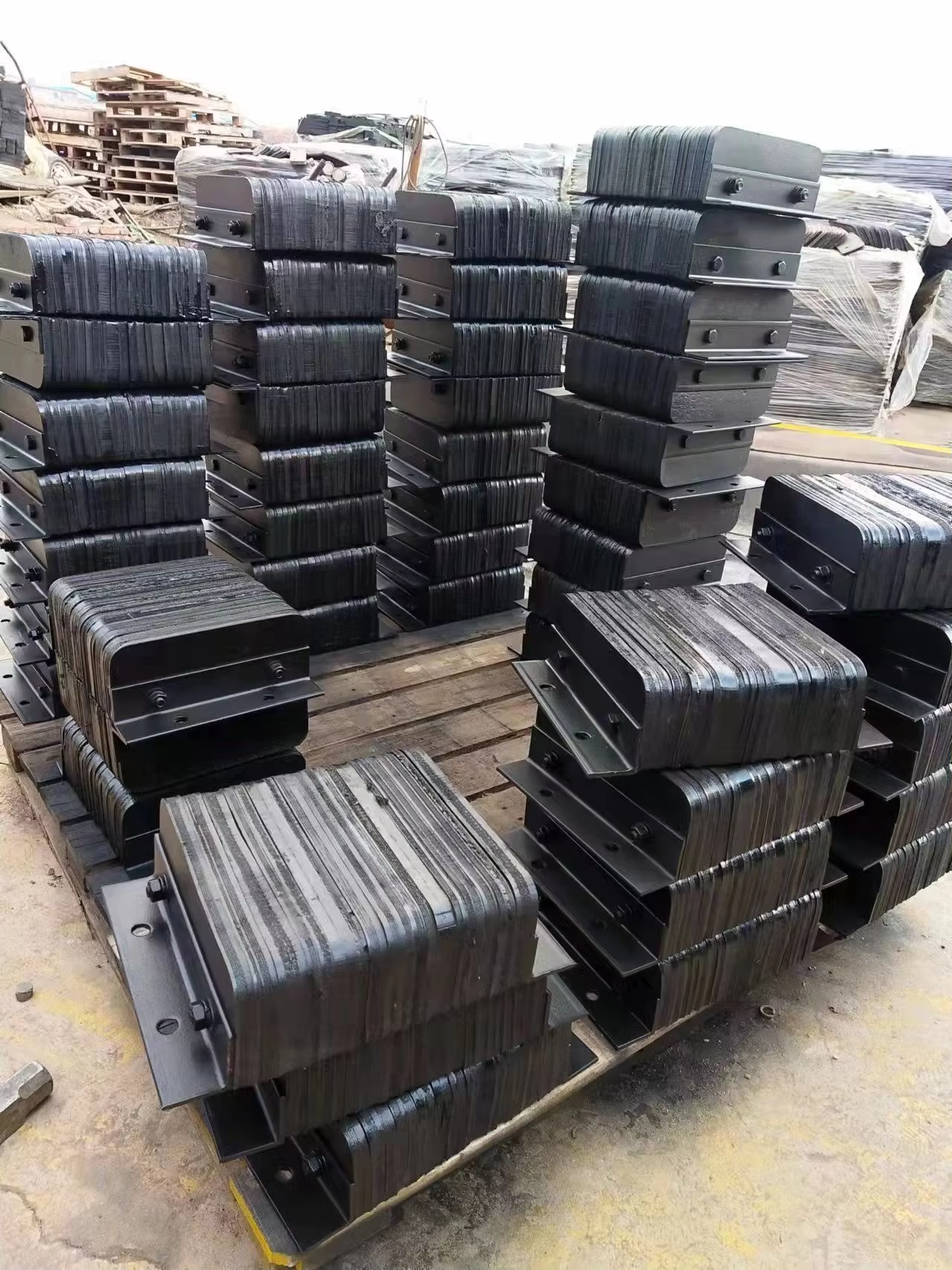
Selecting Laminated Bumpers Based on Impact Load Requirements
Reliable Impact Management for Industrial Loading Facilities
Industrial loading docks, freight terminals, logistics centers, marine ports, and warehouse operations all depend on durable protective systems capable of handling repeated vehicle impact. Trucks, trailers, forklifts, and heavy cargo equipment move continuously through loading areas every day, often under demanding operational conditions. In these environments, selecting the correct laminated rubber bumper becomes essential for protecting loading dock infrastructure, improving safety, and reducing long-term maintenance costs.
A laminated rubber bumper is specifically designed to absorb and distribute impact energy generated during docking procedures and equipment movement. Why is impact load evaluation so important when selecting a laminated rubber bumper? Every facility experiences different operational conditions, traffic patterns, trailer sizes, and docking pressures. A bumper system that performs well in a light commercial loading area may fail quickly in a high-volume industrial environment.
Heavy-duty laminated rubber bumper systems are engineered to withstand repeated compression while maintaining structural stability over long service periods. Facilities with heavy traffic volume often require reinforced bumper solutions capable of managing high impact loads without excessive deformation or premature wear.
Many industrial buyers source products from YS Traffic Safety Laminated Rubber Bumper Solutions because the company provides factory-direct laminated rubber bumper systems suitable for warehouses, logistics centers, ports, manufacturing plants, and commercial loading dock applications requiring reliable impact protection.
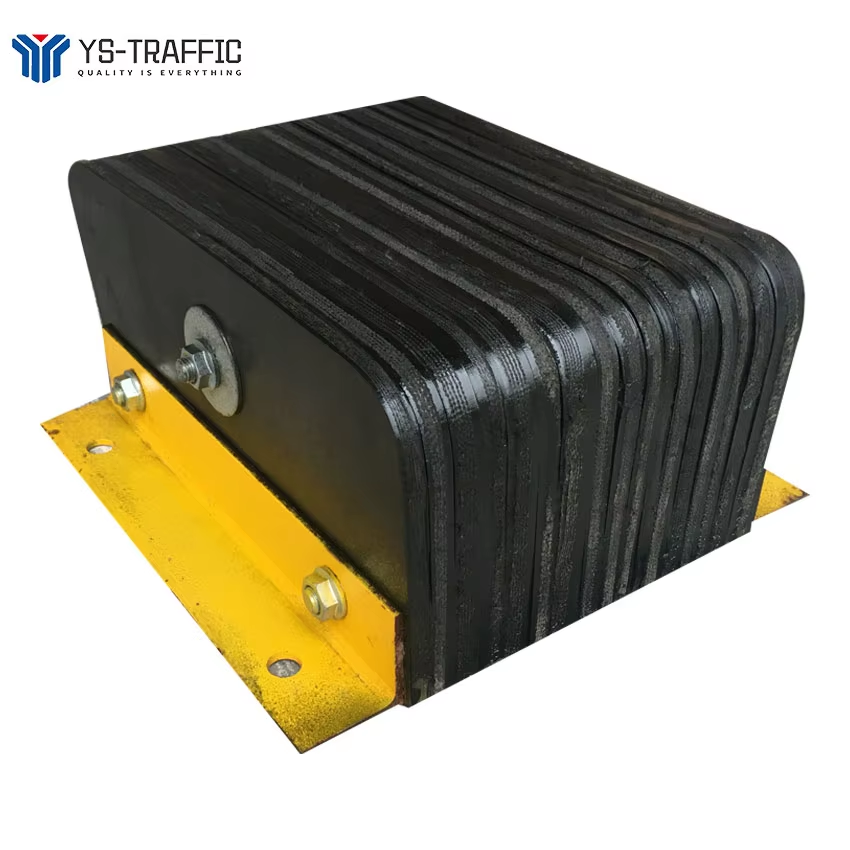
Understanding Impact Load Requirements for Laminated Rubber Bumper Systems
Importance of Accurate Impact Load Evaluation
Every loading dock experiences different levels of operational stress. Why should facilities evaluate impact load carefully before selecting a laminated rubber bumper? Incorrect bumper selection may result in insufficient protection, increased maintenance costs, and reduced infrastructure lifespan.
Impact load refers to the amount of force transferred during trailer or vehicle contact with loading dock structures. Heavy trailers reversing into docking bays generate substantial pressure against protective bumper systems.
A properly selected laminated rubber bumper helps absorb this energy before it damages concrete walls, dock edges, steel frames, or loading platforms.
Warehouses with continuous shipping schedules often require stronger laminated rubber bumper systems because repeated impact cycles create long-term structural stress.
Commercial logistics operators frequently analyze trailer size, docking frequency, and operational traffic before determining bumper specifications.
Accurate impact load evaluation improves safety, durability, and overall loading dock efficiency.
Relationship Between Vehicle Weight and Dock Pressure
Vehicle size and trailer weight directly affect loading dock impact conditions. Why do heavier vehicles require reinforced laminated rubber bumper systems? Larger trucks generate stronger collision force during docking procedures, especially in high-traffic facilities.
Freight terminals handling oversized trailers typically experience greater pressure on dock protection systems compared to smaller commercial loading areas.
Heavy cargo operations also increase compression cycles on bumper surfaces throughout daily operations.
A durable laminated rubber bumper helps distribute impact force more evenly while maintaining stable compression resistance.
Industrial facilities operating twenty-four hours per day often prioritize high-density bumper systems capable of handling continuous operational stress.
Commercial property managers frequently select reinforced laminated rubber bumper products to reduce structural wear and extend infrastructure lifespan.
Proper vehicle load analysis helps facilities choose bumper systems with suitable impact absorption capability.
Structure and Performance of Laminated Rubber Bumper Products
Multi-Layer Construction for High Impact Resistance
The internal structure of a laminated rubber bumper significantly affects performance under heavy operational conditions.
Why is laminated construction widely preferred for industrial loading applications? Multiple compressed rubber layers provide stronger impact absorption and better resistance against repeated compression cycles.
Each layer within the laminated rubber bumper contributes to distributing docking pressure more evenly across the bumper surface.
This design reduces concentrated stress and helps maintain structural stability during continuous trailer contact.
Industrial facilities handling large shipping volumes often rely on laminated rubber bumper systems because standard molded bumpers may deform more quickly under constant impact.
Heavy-duty laminated construction also improves long-term durability in demanding warehouse and logistics environments.
Reliable multi-layer reinforcement helps maintain consistent impact protection over extended operational periods.
Compression Recovery and Structural Stability
Compression recovery is another important performance characteristic for industrial bumper systems.
Why does compression recovery matter for loading dock safety? A laminated rubber bumper must return to its original shape after repeated impact to maintain effective protection.
Poor-quality bumper systems may remain compressed after continuous docking activity, reducing their ability to absorb future impact.
Heavy-duty laminated rubber bumper products are designed to maintain elasticity and structural integrity under demanding operational conditions.
Commercial warehouses frequently prioritize stable compression recovery because loading dock traffic remains constant throughout daily operations.
Reliable recovery performance also helps preserve trailer alignment and improve docking consistency.
Strong structural stability contributes to safer loading procedures while reducing infrastructure maintenance requirements.
Selecting Laminated Rubber Bumper Thickness
Thin Laminated Rubber Bumper Systems for Moderate Traffic
Not all loading facilities require maximum bumper thickness. Why are thinner laminated rubber bumper products suitable for some environments? Moderate traffic loading docks handling smaller delivery vehicles may not experience extreme impact pressure.
Light commercial facilities often choose thinner laminated rubber bumper systems because operational demand is lower and space limitations may exist.
These bumper products still provide reliable impact absorption while maintaining more compact installation profiles.
Commercial buildings with limited loading activity may prioritize balanced protection and cost efficiency when selecting bumper thickness.
Factory-direct manufacturers frequently offer multiple thickness options to match different operational environments.
Properly selected bumper thickness helps maintain reliable dock protection without unnecessary material expense.
Compact laminated rubber bumper systems remain effective for moderate industrial and commercial applications.
Heavy-Duty Thickness for Extreme Impact Conditions
Busy logistics centers and freight terminals often require stronger dock protection systems.
Why do high-impact facilities choose thicker laminated rubber bumper products? Continuous trailer movement generates stronger collision force and more frequent compression cycles.
Heavy-duty bumper thickness improves impact resistance and helps reduce stress transfer to loading dock structures.
Industrial warehouses handling oversized trailers commonly install reinforced laminated rubber bumper systems capable of managing severe operational pressure.
Thicker bumper designs also provide better long-term durability in environments with aggressive docking activity.
Commercial freight facilities frequently prioritize maximum protection because infrastructure repairs can interrupt operational schedules.
Reliable heavy-duty laminated rubber bumper systems help maintain safer and more efficient loading dock operations.
Improved compression resistance supports longer service life under demanding industrial conditions.
Steel-Faced Laminated Rubber Bumper Options
Surface Protection Against Trailer Friction
Continuous trailer movement creates abrasion pressure on bumper surfaces.
Why are steel-faced laminated rubber bumper systems widely used in high-traffic facilities? Steel facings help protect the rubber body from excessive surface wear caused by repeated trailer contact.
Standard rubber surfaces may gradually deteriorate when trailers consistently rub against loading dock protection systems.
A steel-faced laminated rubber bumper improves abrasion resistance while maintaining strong impact absorption capability.
Industrial loading docks with constant truck traffic often prioritize reinforced surface protection to reduce maintenance frequency.
Commercial facilities handling uneven trailer alignment especially benefit from steel-faced bumper systems because docking friction remains high.
Improved surface durability helps preserve bumper performance over longer operational periods.
Extended Lifespan in Harsh Industrial Environments
Operational durability is critical for loading dock infrastructure planning.
Why do industrial facilities prioritize long-lasting laminated rubber bumper systems? Frequent replacement increases maintenance costs and may interrupt warehouse operations.
Steel-faced laminated rubber bumper products typically provide longer service life because reinforced surfaces resist tearing, gouging, and heavy abrasion.
Ports, freight terminals, and distribution centers commonly use steel-faced systems to improve durability under demanding operational conditions.
Heavy-duty reinforcement also helps maintain structural consistency during continuous compression cycles.
Commercial buyers often evaluate long-term operational costs when selecting bumper materials and reinforcement options.
Reliable durability improves return on investment while reducing replacement frequency for industrial loading facilities.
Evaluating Dock Traffic and Operational Conditions
High-Frequency Docking Operations
Traffic volume strongly influences bumper selection requirements.
Why do high-frequency loading docks require reinforced laminated rubber bumper systems? Continuous trailer movement increases both impact pressure and compression frequency.
Warehouses operating around the clock often experience hundreds of trailer docking procedures daily.
Heavy operational activity places substantial stress on loading dock protection systems and surrounding infrastructure.
A properly selected laminated rubber bumper helps facilities maintain stable impact protection under demanding traffic conditions.
Commercial logistics centers frequently prioritize heavy-duty bumper configurations capable of supporting nonstop operational schedules.
Reliable dock protection improves safety while reducing long-term infrastructure wear.
Correct traffic evaluation helps facilities optimize bumper performance and maintenance planning.
Environmental Conditions and Operational Exposure
Environmental conditions also affect laminated rubber bumper performance.
Why should facilities consider climate and operating environment before selecting bumper systems? Outdoor loading docks experience sunlight, rain, moisture, and temperature fluctuations that may accelerate material wear.
Marine terminals often require reinforced laminated rubber bumper products because salt exposure and moisture create additional operational stress.
Cold-weather environments may require specialized rubber compounds capable of maintaining flexibility during low temperatures.
Industrial facilities near chemical processing operations may also prioritize enhanced material resistance.
Commercial buyers should evaluate operational exposure carefully when reviewing bumper specifications.
Environmental compatibility helps improve product lifespan and long-term loading dock reliability.
Reliable material performance contributes to consistent safety and infrastructure protection.
Working with Professional Laminated Rubber Bumper Manufacturers
Factory-Direct Customization for Industrial Applications
Different loading facilities often require different bumper configurations.
Why do commercial buyers prefer professional laminated rubber bumper manufacturers? Experienced factories typically provide stronger customization capability and more consistent product quality.
Manufacturers may offer custom dimensions, thicknesses, steel facings, mounting systems, and compression density according to project requirements.
Warehouses, marine ports, freight terminals, and manufacturing plants frequently request specialized bumper systems tailored to operational conditions.
Factory-direct sourcing also helps simplify procurement for large infrastructure projects.
Commercial contractors often prioritize suppliers capable of supporting both standard and customized laminated rubber bumper production.
Flexible manufacturing capability improves compatibility with complex industrial layouts and loading requirements.
Customized bumper solutions help facilities optimize safety and operational efficiency.
Reliable Bulk Supply and Technical Support
Large industrial projects often require stable production scheduling and long-term supplier support.
Why is reliable supply capability important for laminated rubber bumper procurement? Delayed product availability may affect warehouse construction schedules and operational readiness.
Professional manufacturers generally maintain stronger production capacity for commercial and industrial projects.
Bulk supply capability also improves consistency across multiple bumper installations.
Industrial buyers frequently value technical consultation during product selection and installation planning.
Experienced suppliers may recommend suitable laminated rubber bumper configurations according to operational traffic and impact conditions.
Reliable technical support improves procurement accuracy and loading dock protection performance.
Strong supplier relationships contribute to smoother project coordination and long-term operational reliability.
Maintenance Considerations for Long-Term Performance
Routine Inspection for Consistent Impact Protection
Even heavy-duty laminated rubber bumper systems require regular maintenance.
Why is preventive inspection important for industrial dock protection? Early identification of wear helps facilities avoid larger structural problems and unexpected operational downtime.
Maintenance teams commonly inspect laminated rubber bumper products for excessive compression, surface damage, loose hardware, or steel facing wear.
Busy loading facilities often perform inspections monthly or according to traffic intensity.
Routine maintenance helps preserve impact absorption capability and improve loading dock safety.
Industrial facilities frequently integrate bumper inspection into broader warehouse maintenance programs.
Reliable preventive care supports longer bumper lifespan and more stable operational performance.
Consistent maintenance also helps reduce emergency repair expenses.
Replacement Planning for Industrial Facilities
Eventually, all bumper systems reach the end of their operational lifespan.
Why should facilities replace worn laminated rubber bumper products before complete failure occurs? Severely compressed bumpers may no longer provide effective protection against trailer impact.
Proactive replacement planning helps facilities maintain continuous loading dock safety and infrastructure protection.
Industrial warehouses handling heavy traffic often maintain spare laminated rubber bumper inventory to minimize operational interruption during maintenance.
Commercial logistics operators frequently schedule bumper replacement during planned maintenance shutdowns.
Reliable replacement planning improves long-term operational continuity and loading dock reliability.
Strong maintenance programs help industrial facilities maximize the value of heavy-duty bumper investments.
FAQ
What is a laminated rubber bumper used for
A laminated rubber bumper is used to absorb and distribute impact force between trailers or vehicles and loading dock structures, helping protect infrastructure from collision damage.
Why is impact load important when selecting a laminated rubber bumper
Impact load determines how much force the bumper must absorb during docking procedures. Proper evaluation helps facilities choose a bumper system with suitable durability and protection capability.
Are steel-faced laminated rubber bumper systems better for heavy traffic areas
Steel-faced laminated rubber bumper products provide improved abrasion resistance and longer service life, making them suitable for high-traffic loading docks and industrial environments.
Can laminated rubber bumper systems be customized for industrial projects
Yes, many manufacturers provide custom laminated rubber bumper solutions including specialized dimensions, thicknesses, steel facings, mounting systems, and reinforced construction for commercial applications.
For more information about industrial laminated rubber bumper systems and heavy-duty loading dock protection products, visit YS Traffic Safety Official Website.
Table of Contents
- Selecting Laminated Bumpers Based on Impact Load Requirements
- Reliable Impact Management for Industrial Loading Facilities
- Understanding Impact Load Requirements for Laminated Rubber Bumper Systems
- Structure and Performance of Laminated Rubber Bumper Products
- Selecting Laminated Rubber Bumper Thickness
- Steel-Faced Laminated Rubber Bumper Options
- Evaluating Dock Traffic and Operational Conditions
- Working with Professional Laminated Rubber Bumper Manufacturers
- Maintenance Considerations for Long-Term Performance
- FAQ