 EN
EN

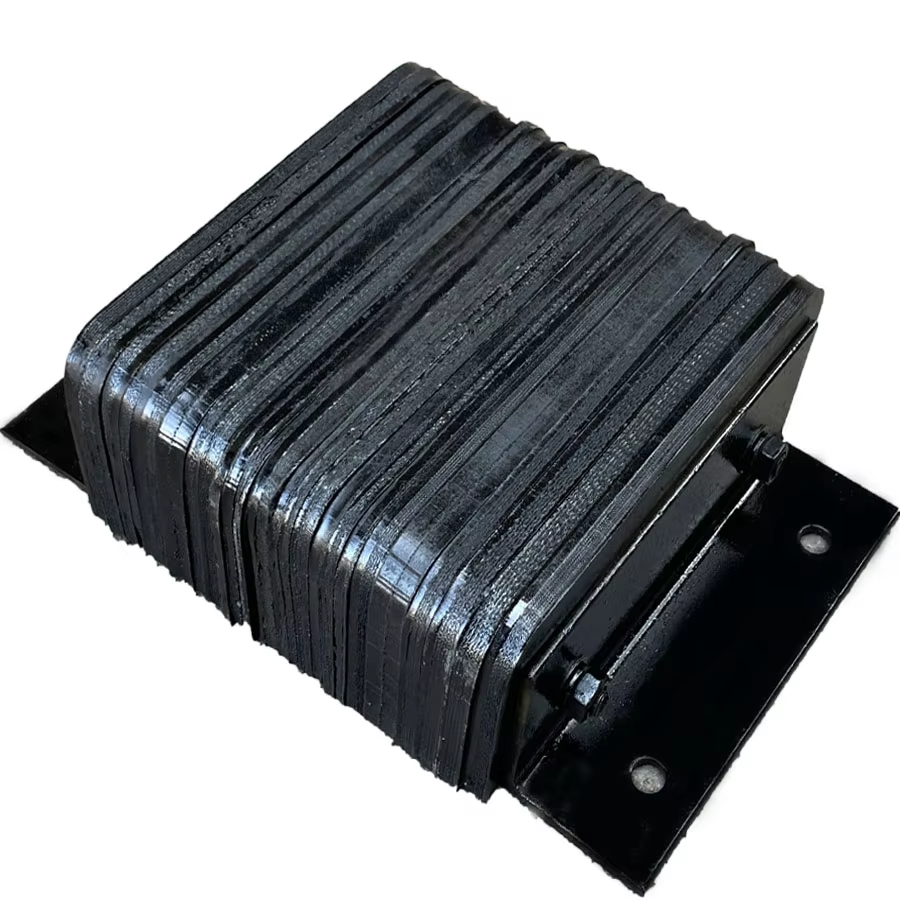
Steel-Faced Laminated Bumpers: When They Are Needed & Why
Heavy-Duty Dock Protection for Demanding Industrial Environments
Warehouses, freight terminals, logistics centers, marine docks, and manufacturing plants all depend on efficient loading and unloading operations. Trucks and trailers move constantly through loading bays, often under tight schedules and difficult maneuvering conditions. In these high-impact environments, a laminated rubber bumper plays a critical role in protecting loading dock structures, vehicles, and equipment from repeated collision damage.
A laminated rubber bumper is specifically designed to absorb and distribute impact force during trailer docking procedures. Why do industrial facilities choose reinforced bumper systems instead of standard dock protection products? Continuous trailer contact can create severe structural stress on dock walls, loading platforms, steel frames, and building foundations over time. Without proper impact absorption, facilities may face expensive repair costs, operational downtime, and safety concerns.
Steel-faced laminated rubber bumper systems are especially popular in high-traffic loading areas because they combine heavy-duty rubber construction with reinforced steel protection. The laminated structure improves compression resistance, while the steel facing helps reduce abrasion caused by constant trailer movement.
Many industrial buyers source products from YS Traffic Safety Laminated Rubber Bumper Solutions because the company provides factory-direct laminated rubber bumper products suitable for loading docks, logistics facilities, warehouses, ports, and commercial transportation centers requiring reliable impact protection.
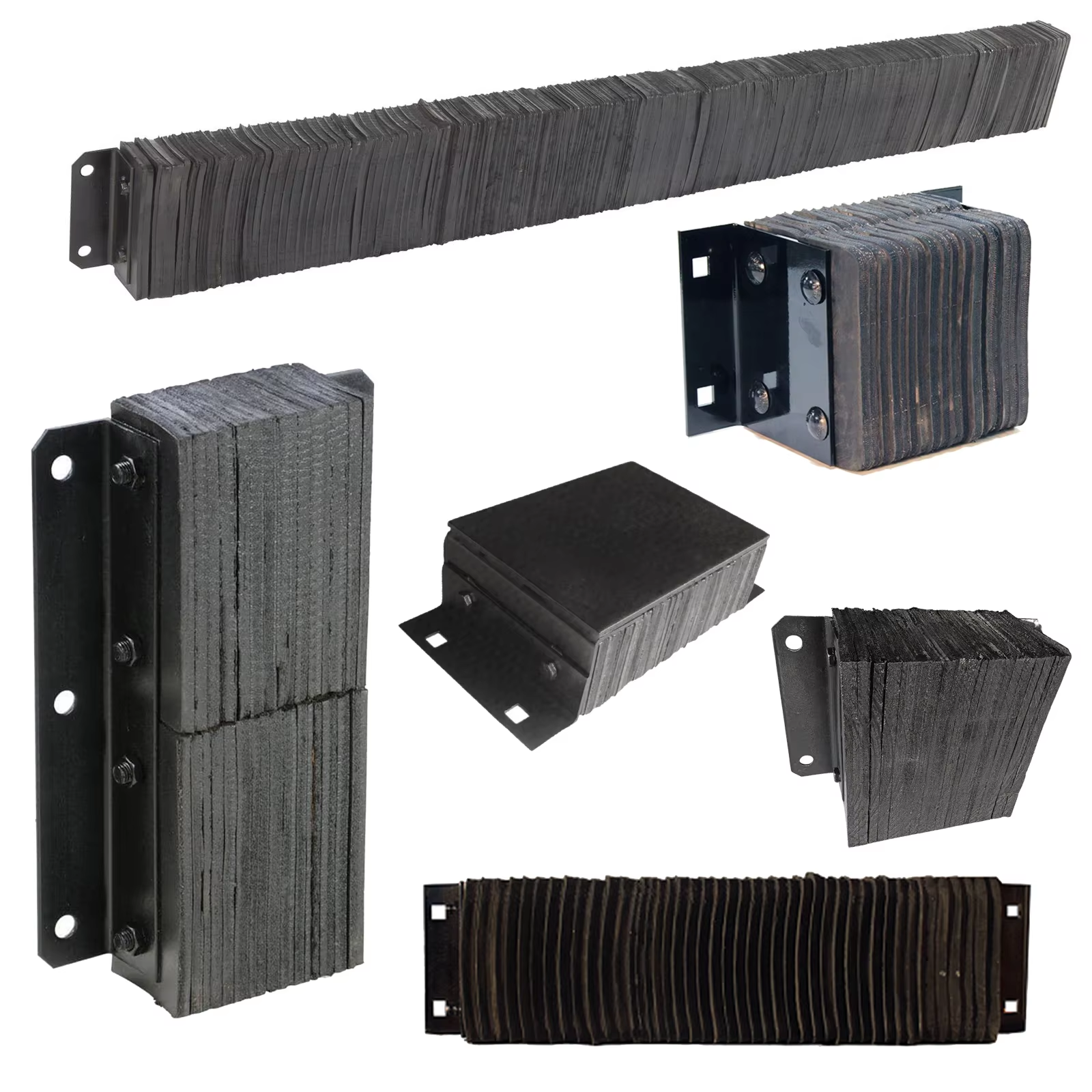
Importance of Laminated Rubber Bumper Systems
Protecting Loading Dock Infrastructure from Repeated Impact
Loading docks experience constant pressure from reversing trailers every day. Why does repeated trailer contact create serious structural concerns? Even low-speed docking impact can gradually weaken concrete edges, steel dock frames, and loading bay structures after continuous exposure.
A laminated rubber bumper absorbs collision energy before trailers make direct contact with dock infrastructure. This protective barrier helps reduce stress on loading platforms and preserve structural integrity.
Industrial facilities operating around the clock often install heavy-duty laminated rubber bumper systems because traffic frequency remains extremely high.
Distribution centers and freight terminals commonly experience hundreds of trailer movements each day, increasing the risk of structural wear.
Reliable impact absorption helps facilities reduce long-term repair costs while improving operational continuity.
Commercial property managers frequently consider laminated rubber bumper systems essential components of warehouse infrastructure protection programs.
Improving Safety in High-Traffic Docking Areas
Safety is another major reason industrial facilities install reinforced laminated rubber bumper products. Loading docks involve trucks, forklifts, cargo equipment, and warehouse workers operating within limited spaces.
Why does a laminated rubber bumper improve operational safety? Stable impact cushioning helps reduce sudden trailer movement during docking procedures.
Truck drivers benefit because the bumper creates more controlled contact with loading dock surfaces.
Forklift operators also work more safely when trailers remain aligned properly against loading platforms.
Warehouses handling large freight volumes often prioritize reinforced dock protection to reduce accident risk during loading and unloading operations.
Heavy-duty laminated rubber bumper systems help support safer industrial environments while improving operational efficiency.
Understanding Laminated Rubber Bumper Construction
Multi-Layer Rubber Compression Technology
The structure of a laminated rubber bumper differs significantly from standard molded bumper products. Why is laminated construction important for heavy-duty impact protection? Multiple layers of compressed rubber create stronger resistance against repeated compression cycles.
Each layer within the laminated rubber bumper helps distribute impact force more evenly during trailer contact.
This design improves durability and reduces the likelihood of premature deformation under constant operational stress.
Industrial facilities with continuous docking activity often choose laminated rubber bumper products because they maintain reliable performance over longer service periods.
Heavy-duty lamination also improves structural stability during high-pressure trailer impact conditions.
Commercial loading docks handling oversized vehicles especially benefit from reinforced compression resistance.
The layered design allows laminated rubber bumper systems to withstand demanding industrial applications more effectively.
Reinforced Structural Stability for Industrial Use
Industrial loading environments require durable protection systems capable of surviving constant operational pressure.
Why do logistics facilities prioritize structural stability in bumper selection? Weak or poorly reinforced bumpers may compress unevenly, crack, or fail prematurely under repeated impact.
A properly engineered laminated rubber bumper maintains consistent shape and impact absorption capability even after continuous use.
Reinforced lamination helps improve long-term resistance against wear, stress fatigue, and heavy compression.
Warehouses, ports, and freight terminals commonly use reinforced bumper systems because operational downtime caused by infrastructure damage can become extremely costly.
Reliable structural performance helps support smoother trailer docking operations while preserving loading dock safety.
Strong bumper stability also contributes to more predictable trailer positioning during reversing procedures.
Benefits of Steel-Faced Laminated Rubber Bumper Systems
Improved Abrasion Resistance During Trailer Contact
Busy loading docks often experience continuous trailer friction against protective bumper surfaces.
Why are steel-faced laminated rubber bumper products widely used in high-traffic facilities? Steel facings help protect the rubber body from excessive surface wear caused by repeated trailer movement.
Standard rubber surfaces may gradually deteriorate when trailers consistently rub or scrape against dock protection systems.
A steel-faced laminated rubber bumper adds a reinforced metal layer that improves resistance to abrasion, tearing, and gouging.
Industrial facilities with constant truck traffic frequently select steel-faced bumper systems to extend service life and reduce maintenance frequency.
Heavy-duty freight terminals especially benefit from stronger surface protection because docking operations occur continuously throughout the day.
Improved abrasion resistance helps facilities maintain more reliable loading dock protection over time.
Enhanced Protection for Dock Edges and Loading Bays
Dock edges are among the most vulnerable areas in industrial loading facilities.
Why is reinforced edge protection necessary for commercial loading docks? Trailer impact pressure concentrates heavily around loading bay corners and concrete edges during docking procedures.
A steel-faced laminated rubber bumper helps distribute collision force more effectively while shielding exposed structural areas from direct impact.
Warehouses handling oversized trailers often require reinforced bumper systems capable of managing stronger docking pressure.
Commercial facilities frequently install steel-faced laminated rubber bumper products along high-impact zones where structural wear risk remains highest.
Reliable dock edge protection helps reduce cracking, chipping, and concrete deterioration over time.
Improved structural preservation contributes to lower maintenance expenses and longer infrastructure lifespan.
Situations Where Laminated Rubber Bumper Systems Are Needed
High-Traffic Logistics and Distribution Centers
Distribution centers handle continuous freight movement throughout daily operations.
Why do logistics facilities require heavy-duty laminated rubber bumper systems? Frequent trailer docking creates intense impact pressure that standard bumper products may not withstand effectively.
Busy warehouses often process hundreds of deliveries each day, increasing compression cycles and operational wear on loading dock protection systems.
A reinforced laminated rubber bumper provides stronger durability and more stable impact absorption under demanding conditions.
Large freight terminals also experience varying trailer sizes and docking patterns that place additional stress on dock structures.
Commercial logistics operators commonly prioritize heavy-duty bumper systems to improve infrastructure reliability and reduce repair costs.
Reliable dock protection supports smoother freight movement and operational continuity.
Marine Docks and Port Facilities
Marine environments create additional challenges for impact protection systems.
Why are laminated rubber bumper products frequently used in ports and marine terminals? Docking pressure from ships, cargo vehicles, and heavy equipment requires stronger structural resilience.
Port facilities often experience harsh environmental exposure including moisture, salt, and temperature fluctuations.
A heavy-duty laminated rubber bumper provides improved durability under demanding marine operating conditions.
Steel-faced designs also help improve wear resistance in locations with constant equipment movement and cargo transfer operations.
Commercial marine terminals commonly install reinforced bumper systems along loading zones, dock walls, and cargo handling areas.
Reliable impact protection helps maintain operational safety while preserving marine infrastructure integrity.
Selecting the Right Laminated Rubber Bumper
Evaluating Traffic Volume and Impact Conditions
Every loading facility operates under different conditions.
Why should laminated rubber bumper selection match operational demand? A bumper system designed for moderate traffic may fail quickly in heavy industrial environments.
Facilities handling large trailers and continuous truck movement typically require thicker laminated rubber bumper products with reinforced construction.
Commercial buyers should evaluate docking frequency, vehicle weight, trailer size, and impact patterns before choosing bumper specifications.
Industrial warehouses operating twenty-four hours per day often prioritize maximum compression resistance and abrasion durability.
Proper product selection improves long-term operational reliability while reducing replacement frequency.
Professional manufacturers can often recommend suitable laminated rubber bumper configurations according to loading dock conditions.
Correct impact matching helps facilities optimize safety and infrastructure protection.
Choosing Appropriate Steel Facing and Mounting Design
Not all loading docks require identical bumper configurations.
Why does installation layout affect laminated rubber bumper performance? Improper positioning may reduce impact absorption efficiency and increase uneven structural stress.
Some facilities require full steel-faced laminated rubber bumper systems while others may only need reinforced protection in specific impact zones.
Commercial loading docks handling difficult trailer angles often benefit from specialized bumper placement strategies.
Industrial property managers frequently review collision patterns before determining mounting layouts and reinforcement requirements.
Secure mounting hardware is also essential for maintaining bumper stability under repeated docking pressure.
Reliable installation improves both structural safety and long-term bumper durability.
Properly positioned laminated rubber bumper systems contribute to smoother loading operations.
Advantages of Factory-Direct Laminated Rubber Bumper Supply
Consistent Manufacturing Quality for Commercial Projects
Large industrial facilities often require multiple bumper systems across several loading bays.
Why do commercial buyers prefer factory-direct laminated rubber bumper manufacturers? Direct production helps ensure consistent dimensions, material density, and structural quality across bulk orders.
Professional factories typically use controlled manufacturing processes to maintain reliable product performance.
Heavy-duty laminated rubber bumper systems require accurate compression ratios and proper steel reinforcement alignment for effective operation.
Commercial contractors frequently prioritize manufacturers capable of maintaining stable quality standards for long-term infrastructure projects.
Consistent manufacturing also improves installation efficiency and operational reliability.
Industrial buyers often value suppliers with experience in warehouse, logistics, and transportation safety equipment production.
Reliable factory quality contributes to better loading dock protection outcomes.
Flexible Customization for Industrial Applications
Different industries often require different bumper specifications.
Why is customization important when selecting laminated rubber bumper products? Standard sizes may not always match unique operational layouts or impact conditions.
Factory-direct suppliers commonly provide customized dimensions, steel facings, mounting systems, and rubber density options according to project requirements.
Ports, warehouses, manufacturing plants, and freight terminals may all require specialized bumper configurations.
Commercial distributors frequently request OEM production and private-label customization for regional safety equipment markets.
Flexible production capability helps facilities obtain bumper systems specifically matched to operational needs.
Customized laminated rubber bumper products improve compatibility, protection coverage, and installation efficiency.
Professional customization support also helps simplify large-scale commercial procurement projects.
Maintenance and Long-Term Performance
Routine Inspection for Continuous Protection
Even heavy-duty laminated rubber bumper systems require regular inspection.
Why is preventive maintenance important for industrial dock protection? Early identification of wear helps prevent larger infrastructure problems and operational interruptions.
Maintenance teams commonly inspect laminated rubber bumper surfaces for excessive compression, steel facing wear, loose hardware, or alignment issues.
Busy loading facilities often perform inspections monthly or according to docking frequency.
Routine cleaning also helps maintain visibility and improve overall loading dock appearance.
Preventive maintenance programs extend bumper lifespan while supporting safer trailer docking operations.
Industrial facilities frequently integrate bumper inspection into broader warehouse safety management systems.
Replacing Worn Laminated Rubber Bumper Systems
Eventually, even reinforced bumper systems reach the end of their operational lifespan.
Why should facilities replace damaged laminated rubber bumper products before complete failure occurs? Severely compressed or worn bumpers may no longer provide sufficient impact absorption.
Replacing worn bumper systems helps restore proper dock protection and trailer alignment support.
Industrial facilities often maintain spare laminated rubber bumper inventory to reduce downtime during maintenance procedures.
Commercial logistics centers handling high freight volumes especially benefit from proactive replacement planning.
Reliable bumper performance supports smoother warehouse operations while protecting expensive loading dock infrastructure.
Proper replacement scheduling helps facilities maintain consistent safety and operational standards.
FAQ
What is a laminated rubber bumper used for
A laminated rubber bumper is used to absorb impact between vehicles or trailers and loading dock structures, helping protect buildings, equipment, and dock infrastructure from collision damage.
Why are steel-faced laminated rubber bumper systems important
Steel-faced laminated rubber bumper products provide improved abrasion resistance and longer service life in high-traffic loading environments with constant trailer movement.
Where are laminated rubber bumper systems commonly installed
Laminated rubber bumper systems are commonly installed in warehouses, freight terminals, logistics centers, marine docks, manufacturing plants, and commercial loading facilities.
How do facilities choose the right laminated rubber bumper
Facilities typically evaluate traffic volume, trailer size, impact conditions, mounting layout, and operational environment when selecting a laminated rubber bumper system.
For more information about industrial laminated rubber bumper systems and heavy-duty dock protection products, visit YS Traffic Safety Official Website.
Table of Contents
- Steel-Faced Laminated Bumpers: When They Are Needed & Why
- Heavy-Duty Dock Protection for Demanding Industrial Environments
- Importance of Laminated Rubber Bumper Systems
- Understanding Laminated Rubber Bumper Construction
- Benefits of Steel-Faced Laminated Rubber Bumper Systems
- Situations Where Laminated Rubber Bumper Systems Are Needed
- Selecting the Right Laminated Rubber Bumper
- Advantages of Factory-Direct Laminated Rubber Bumper Supply
- Maintenance and Long-Term Performance
- FAQ