 EN
EN

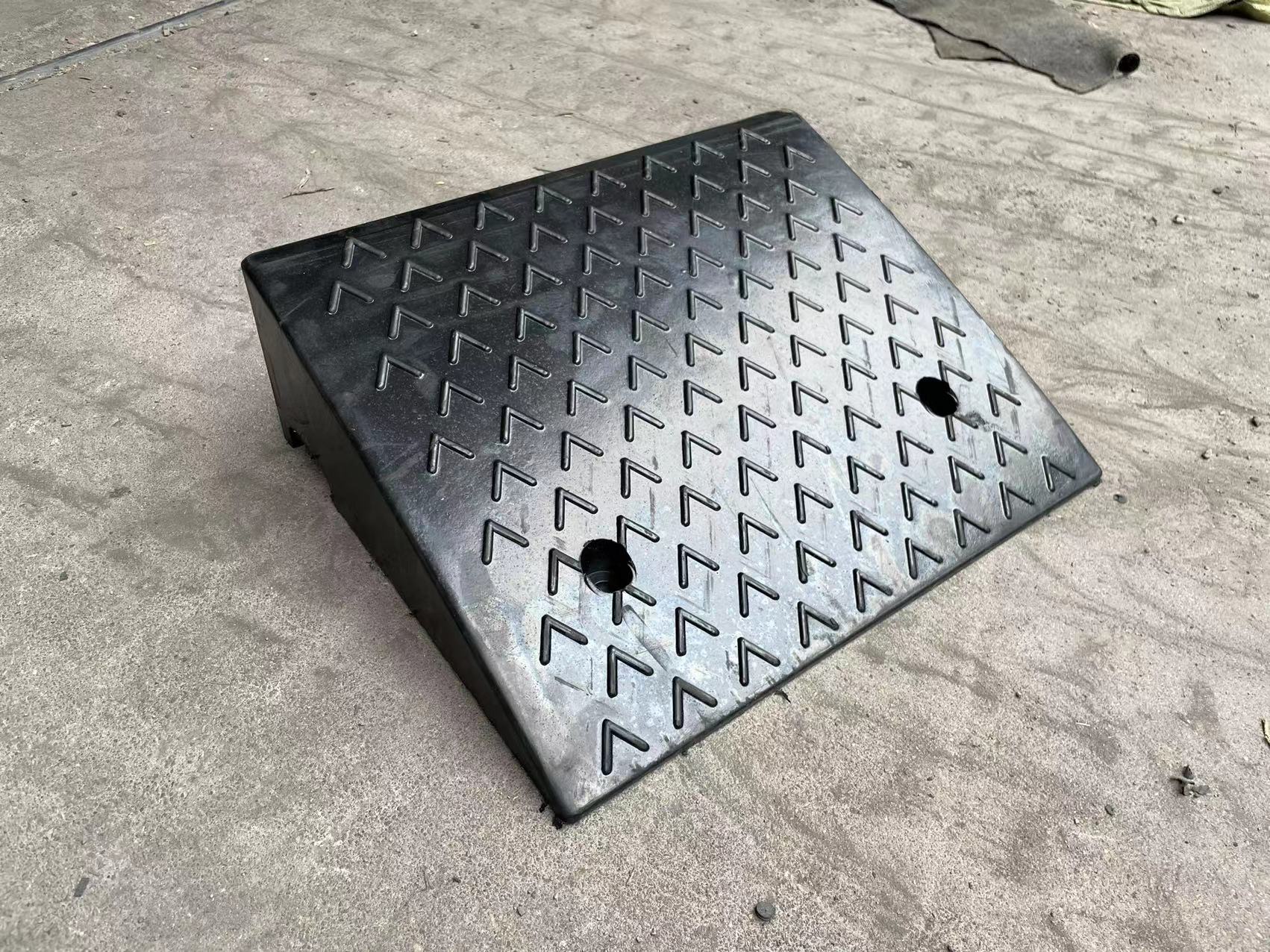
Custom heavy duty ground mats represent a specialized category of temporary roadway solutions designed to meet specific operational requirements across diverse industrial applications. These engineered surfaces provide critical load distribution capabilities while incorporating customizable features such as precise load ratings, specialized surface patterns, and integrated connection systems. The customization aspect allows organizations to obtain heavy duty ground mats that align perfectly with their unique site conditions, equipment specifications, and safety requirements.
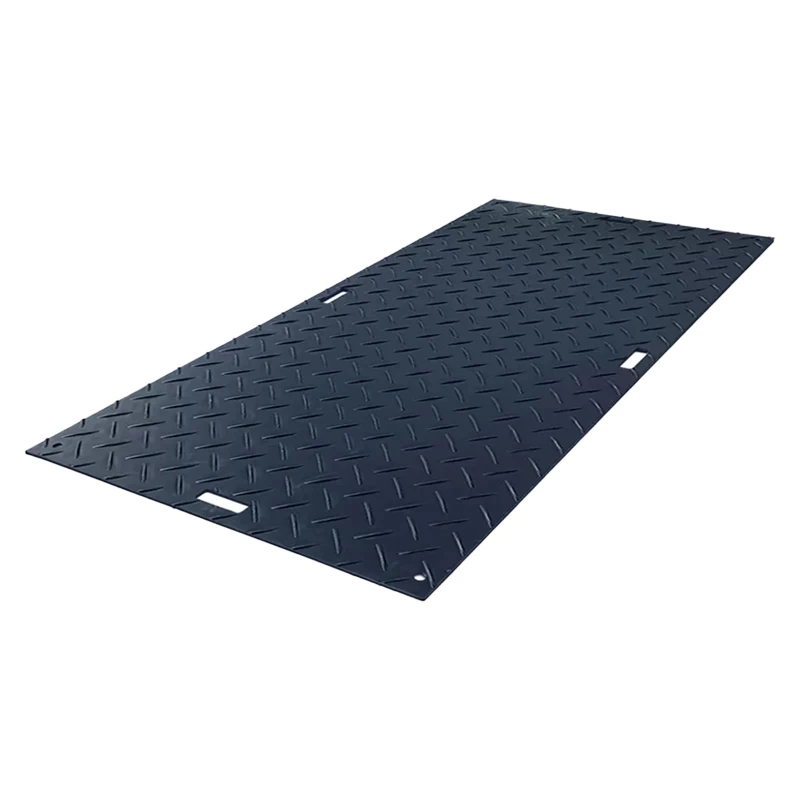
The integration of specific load ratings, surface patterns, and connection joints transforms standard heavy duty ground mats into precision-engineered solutions that address complex operational challenges. This customization approach ensures that each mat system delivers optimal performance characteristics while maintaining the structural integrity required for heavy equipment operations. Understanding the interplay between these three critical design elements enables informed decision-making when specifying custom heavy duty ground mats for construction sites, event venues, industrial facilities, and temporary access applications.
Load Rating Specifications for Custom Heavy Duty Ground Mats
Understanding Load Rating Requirements
Load rating specifications form the foundation of custom heavy duty ground mats design, determining the maximum weight capacity that each mat can safely support without structural failure or excessive ground penetration. These ratings account for both static loads, where equipment remains stationary, and dynamic loads generated by moving vehicles and machinery. Professional engineers calculate load ratings based on material properties, mat dimensions, support structure design, and expected load distribution patterns across the mat surface.
Custom load ratings for heavy duty ground mats typically range from 60,000 pounds for standard construction equipment up to 200,000 pounds or more for specialized applications involving cranes, drilling rigs, and other ultra-heavy machinery. The specification process involves analyzing the ground-bearing pressure requirements, axle loads of intended equipment, and safety factors necessary for reliable long-term performance. Engineers also consider environmental factors such as ground conditions, temperature variations, and potential dynamic loading scenarios.
Engineering Considerations for Load Distribution
Effective load distribution in custom heavy duty ground mats requires careful attention to structural ribbing patterns, material thickness, and reinforcement strategies that spread concentrated loads across the mat surface and into the underlying ground. The engineering approach involves finite element analysis to optimize rib placement, determine optimal material distribution, and validate structural performance under various loading conditions. This analysis ensures that custom heavy duty ground mats provide consistent performance across their entire surface area.
Advanced load distribution designs incorporate variable thickness profiles, strategic reinforcement placement, and engineered flex zones that accommodate ground irregularities while maintaining structural integrity. The custom design process allows engineers to optimize load paths, minimize stress concentrations, and ensure that each mat performs reliably under site-specific conditions. These engineering considerations directly impact the long-term durability and cost-effectiveness of heavy duty ground mats in demanding applications.
Surface Pattern Design and Functionality
Traction and Grip Pattern Options
Surface pattern customization on heavy duty ground mats serves multiple functional purposes, with traction performance being the primary consideration for equipment operators and site safety managers. Diamond plate patterns provide excellent grip characteristics for wheeled vehicles, while deeper tread patterns offer superior traction for tracked equipment operating in muddy or slippery conditions. The selection of appropriate surface patterns depends on the types of equipment using the mats, prevailing weather conditions, and specific safety requirements for each application.
Custom traction patterns can incorporate directional elements that channel water runoff, reduce hydroplaning risks, and maintain grip performance in wet conditions. Advanced pattern designs may include variable depth elements, integrated drainage channels, and specialized grip zones that provide enhanced traction where equipment typically accelerates, decelerates, or turns. These custom features ensure that heavy duty ground mats maintain optimal traction performance throughout their service life.
Drainage and Water Management Patterns
Effective water management through custom surface patterns prevents water accumulation on heavy duty ground mats, reducing slip hazards and preventing structural damage from freeze-thaw cycles. Drainage patterns incorporate channels, grooves, and slope considerations that direct water flow away from high-traffic areas while maintaining the structural integrity of the mat surface. The design process considers local rainfall patterns, site drainage conditions, and equipment operational requirements.
Advanced drainage patterns may include integrated spillways, debris collection areas, and self-cleaning features that maintain surface performance with minimal maintenance requirements. Custom heavy duty ground mats can incorporate perforated sections, raised borders, and channelized surface geometries that manage water flow while preserving load-carrying capacity. These drainage considerations become critical in applications where mats remain in place for extended periods or operate in challenging environmental conditions.
Connection Joint Systems and Integration
Mechanical Connection Technologies
Connection joint systems in custom heavy duty ground mats provide secure interlocking capabilities that create continuous surfaces capable of handling heavy equipment traffic across multiple mat sections. Mechanical connection technologies include cam-lock systems, pin-and-loop mechanisms, and integrated interlocking edges that ensure reliable connections while allowing for quick installation and removal. The selection of appropriate connection systems depends on equipment loading patterns, site access constraints, and operational timeline requirements.
Advanced mechanical connections incorporate self-aligning features, tool-free operation, and visual connection indicators that streamline installation processes while ensuring reliable joint performance. Custom connection designs may include angular adjustment capabilities, vertical load transfer mechanisms, and sealed joint interfaces that prevent contamination and maintain heavy duty ground mats performance over extended service periods. These mechanical systems enable the creation of large continuous surfaces from multiple mat sections.
Structural Continuity and Load Transfer
Effective load transfer across connection joints ensures that custom heavy duty ground mats function as integrated systems rather than individual components, preventing joint failure and maintaining consistent surface performance. Structural continuity designs incorporate overlapping load paths, reinforced connection zones, and graduated stiffness transitions that distribute loads smoothly across mat boundaries. This engineering approach prevents stress concentrations at joints while maintaining the flexibility needed for ground conformance.
Custom joint designs may include flexible coupling elements, shock absorption features, and dynamic load distribution mechanisms that accommodate equipment-induced vibrations and ground movement. The structural continuity approach ensures that heavy duty ground mats provide consistent performance characteristics across entire installation areas, regardless of individual mat boundaries. These design considerations become critical when supporting equipment with long wheelbases or wide track patterns that span multiple mat sections.
Custom Design Process and Specification Development
Site Assessment and Requirements Analysis
The custom design process for heavy duty ground mats begins with comprehensive site assessment that evaluates ground conditions, equipment requirements, environmental factors, and operational constraints that influence mat specification. This assessment includes soil analysis, equipment loading surveys, traffic pattern evaluation, and environmental impact considerations that inform the custom design process. Professional site assessment ensures that custom heavy duty ground mats address specific operational challenges while optimizing performance and cost-effectiveness.
Requirements analysis extends beyond basic load capacity to include factors such as installation timeline constraints, storage requirements, transportation limitations, and maintenance accessibility that influence custom mat design decisions. The analysis process considers equipment operational patterns, seasonal usage variations, and long-term performance expectations that affect material selection and design optimization. This comprehensive approach ensures that custom heavy duty ground mats deliver optimal value across their entire service life.
Design Optimization and Performance Validation
Design optimization for custom heavy duty ground mats involves iterative analysis and refinement processes that balance performance requirements with practical constraints such as manufacturing feasibility, transportation considerations, and budget parameters. Computer-aided design tools enable engineers to evaluate multiple design alternatives, optimize material usage, and validate performance characteristics before finalizing specifications. This optimization process ensures that custom designs achieve required performance levels while maintaining cost-effectiveness.
Performance validation includes structural analysis, durability testing, and field performance verification that confirms custom heavy duty ground mats meet specified requirements under actual operating conditions. The validation process may include prototype testing, accelerated aging studies, and long-term performance monitoring that provides confidence in custom design decisions. These validation steps ensure that custom mats deliver reliable performance throughout their intended service life while meeting all safety and operational requirements.
FAQ
What load ratings are available for custom heavy duty ground mats?
Custom heavy duty ground mats can be engineered to support load ratings ranging from 60,000 pounds for standard construction equipment up to 200,000 pounds or more for specialized applications. The specific load rating depends on mat dimensions, material selection, structural design, and intended equipment types. Engineers calculate load ratings based on both static and dynamic loading conditions to ensure safe operation under all anticipated use scenarios.
How do different surface patterns affect the performance of heavy duty ground mats?
Surface patterns significantly impact traction performance, water management, and equipment safety on heavy duty ground mats. Diamond plate patterns provide excellent grip for wheeled vehicles, while deeper tread patterns offer superior traction for tracked equipment. Custom drainage patterns can incorporate water channels and spillways that prevent water accumulation and maintain safe operating conditions in various weather conditions.
What types of connection joints work best for large mat installations?
The most effective connection joints for large heavy duty ground mats installations include cam-lock systems and pin-and-loop mechanisms that provide secure connections while enabling quick installation and removal. Advanced systems incorporate self-aligning features and tool-free operation that streamline installation processes. The connection system selection depends on equipment loading patterns, installation timeline requirements, and the need for structural continuity across mat boundaries.
How long does the custom design process take for heavy duty ground mats?
The custom design process for heavy duty ground mats typically requires 2-4 weeks for standard applications, including site assessment, requirements analysis, design optimization, and performance validation. Complex projects involving specialized load requirements or unique environmental conditions may require additional time for engineering analysis and prototype testing. The timeline depends on design complexity, required testing, and manufacturing considerations for the custom specifications.