 EN
EN

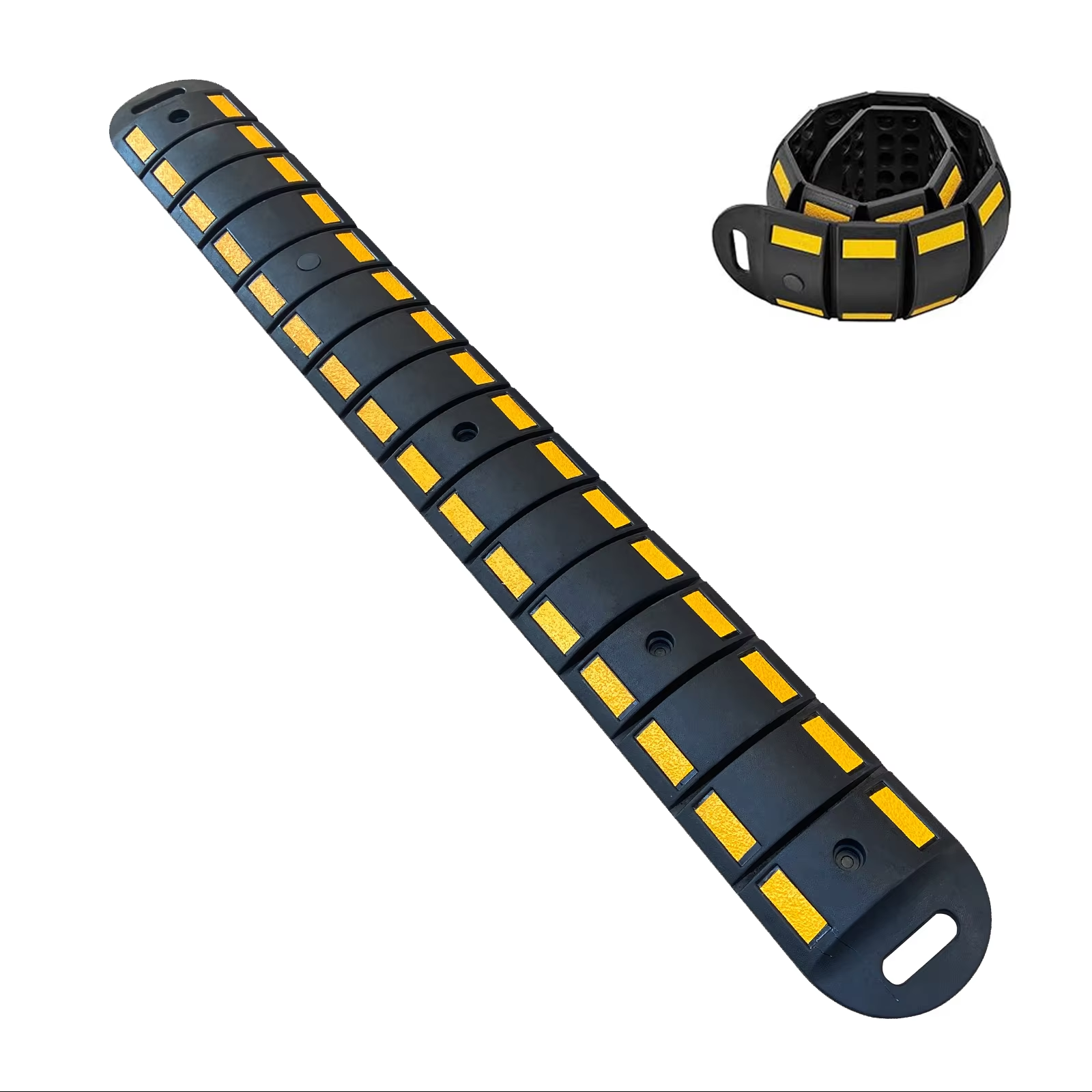
Understanding Traffic Calming Measures for Safer Streets
Creating safer neighborhoods and protecting pedestrians has become a critical focus for urban planners and community leaders. Among the most effective traffic calming solutions are speed bumps and speed humps - though many people use these terms interchangeably, they serve distinct purposes and come with different specifications. The key differences lie in their speed hump height, traffic standards implementation, and overall impact on pedestrian safety.
As communities evolve and traffic patterns change, selecting the right traffic calming measure becomes increasingly important. Let's explore the specific characteristics of each option and help you determine which solution best suits your needs.
Differences Between Speed Bumps and Speed Humps
Physical Characteristics and Design
Speed bumps are typically shorter and more abrupt, ranging from 3 to 4 inches in height and spanning 1 to 3 feet in length. They're designed to force vehicles to slow down to very low speeds, usually 2-10 mph. The standard speed hump height, by contrast, follows specific traffic standards, typically reaching 3-4 inches but extending 12-14 feet in length. This gradual rise and fall allows for slightly higher passing speeds of 15-20 mph.
The engineering behind these designs specifically targets different environments and usage scenarios. Speed humps feature a parabolic shape that provides a more comfortable passage while maintaining effective speed reduction. Their geometry is carefully calculated to optimize pedestrian safety without causing vehicle damage when traversed at appropriate speeds.
Installation Locations and Applications
Speed bumps are most commonly found in private properties, parking lots, and driveways where very low speeds are essential. Their compact design makes them ideal for areas with concentrated foot traffic and limited vehicle movement. The strict traffic standards governing public roadways typically don't permit traditional speed bumps due to their aggressive profile.
Speed humps, adhering to established traffic standards, are the preferred choice for residential streets and public roads. Their design accommodates emergency vehicles, public transit, and normal traffic flow while still effectively reducing speeds. The longer profile of speed humps also provides enhanced pedestrian safety by creating broader zones of reduced vehicle speed.
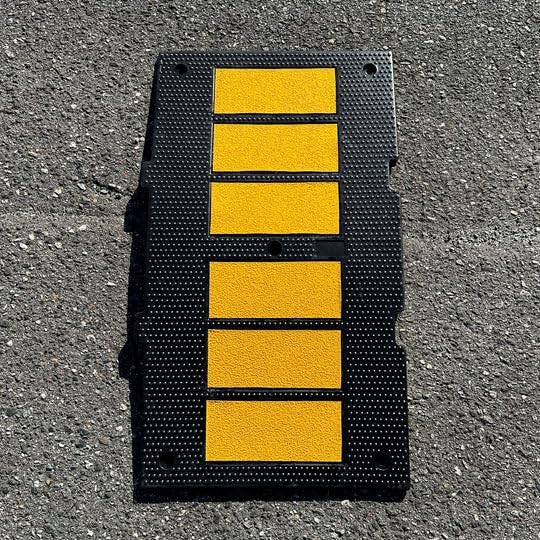
Impact on Vehicle Speed and Safety
Speed Reduction Effectiveness
Studies have shown that proper speed hump height implementation can reduce average vehicle speeds by 20-25%. This reduction occurs not just at the hump location but extends throughout the traffic-calmed area. The gradual profile encourages drivers to maintain a consistent, safer speed rather than accelerating and braking sharply between obstacles.
Traffic standards research indicates that streets with properly installed speed humps experience a significant decrease in cut-through traffic and overall vehicle volume. This comprehensive approach to speed management creates safer environments for all road users, particularly enhancing pedestrian safety in residential areas.
Safety Considerations for Different Vehicle Types
Emergency response vehicles benefit from the more gradual profile of speed humps, which allows them to maintain necessary response times while still ensuring pedestrian safety. The standardized speed hump height permits fire trucks and ambulances to cross at higher speeds than would be possible with traditional speed bumps.
Cyclists and motorcyclists also find speed humps more navigable, as the longer profile reduces the risk of losing control or being destabilized. This aspect of traffic standards compliance makes speed humps a more inclusive solution for all road users while maintaining effective speed control.
Implementation and Maintenance Factors
Cost and Installation Requirements
The installation of speed humps requires careful attention to traffic standards and typically involves more extensive planning than speed bumps. The initial cost includes engineering studies, proper drainage considerations, and adherence to specific speed hump height requirements. While this makes them more expensive initially, their durability and effectiveness often provide better long-term value.
Regular maintenance ensures continued effectiveness and compliance with pedestrian safety guidelines. This includes periodic inspection of the speed hump height, surface condition, and marking visibility. Professional installation and maintenance help prevent common issues like water pooling and deterioration.
Community Impact and Acceptance
Successful implementation of traffic calming measures requires community buy-in and understanding. When residents understand how speed humps contribute to pedestrian safety and overall quality of life, they're more likely to support their installation. Educational outreach about traffic standards and the benefits of properly designed speed management solutions helps build this support.
Community feedback often indicates greater satisfaction with speed humps compared to speed bumps, primarily due to their less aggressive profile and broader effectiveness in maintaining consistent traffic speeds throughout neighborhoods.
Frequently Asked Questions
What is the optimal speed hump height for residential areas?
The optimal speed hump height for residential areas typically ranges between 3 to 4 inches, following established traffic standards. This height effectively reduces vehicle speeds while maintaining comfort and safety for all road users, including emergency vehicles.
How do weather conditions affect speed hump effectiveness?
Weather conditions can impact the effectiveness of speed humps, particularly in areas with snow removal requirements. However, proper design and installation following traffic standards ensure year-round functionality and maintained pedestrian safety. Regular maintenance and visible markings help drivers navigate these features in all weather conditions.
What spacing is recommended between speed humps?
According to traffic standards, the recommended spacing between speed humps typically ranges from 260 to 500 feet, depending on the desired target speed and road characteristics. This spacing helps maintain consistent vehicle speeds and ensures optimal pedestrian safety throughout the traffic-calmed zone.
How long do speed humps typically last?
When properly installed and maintained according to traffic standards, speed humps can last 7-10 years or longer. Regular inspection of the speed hump height and surface condition, along with prompt repairs when needed, helps ensure continued effectiveness in maintaining pedestrian safety and traffic calming goals.