 EN
EN

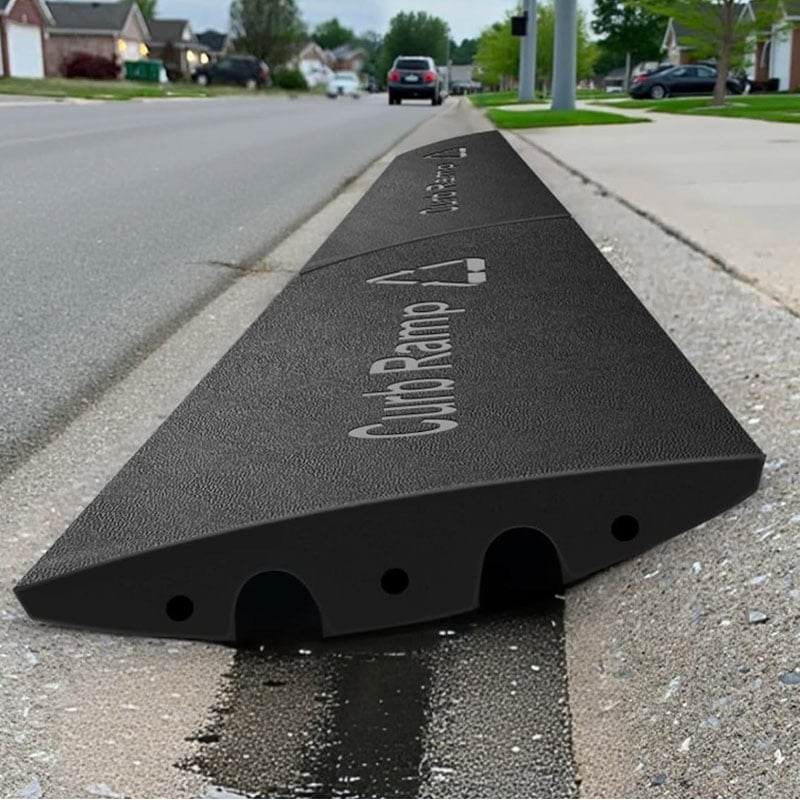
Factory-produced modular ramp systems represent a revolutionary approach to accessibility infrastructure, offering unprecedented speed in deployment and unmatched scalability for large-scale projects. These engineered solutions combine precision manufacturing with standardized components, enabling rapid assembly across diverse industrial, commercial, and institutional environments. The shift toward modular ramp systems has transformed how organizations approach accessibility compliance, moving from custom-built solutions to factory-optimized components that deliver consistent performance and dramatically reduced installation timelines.
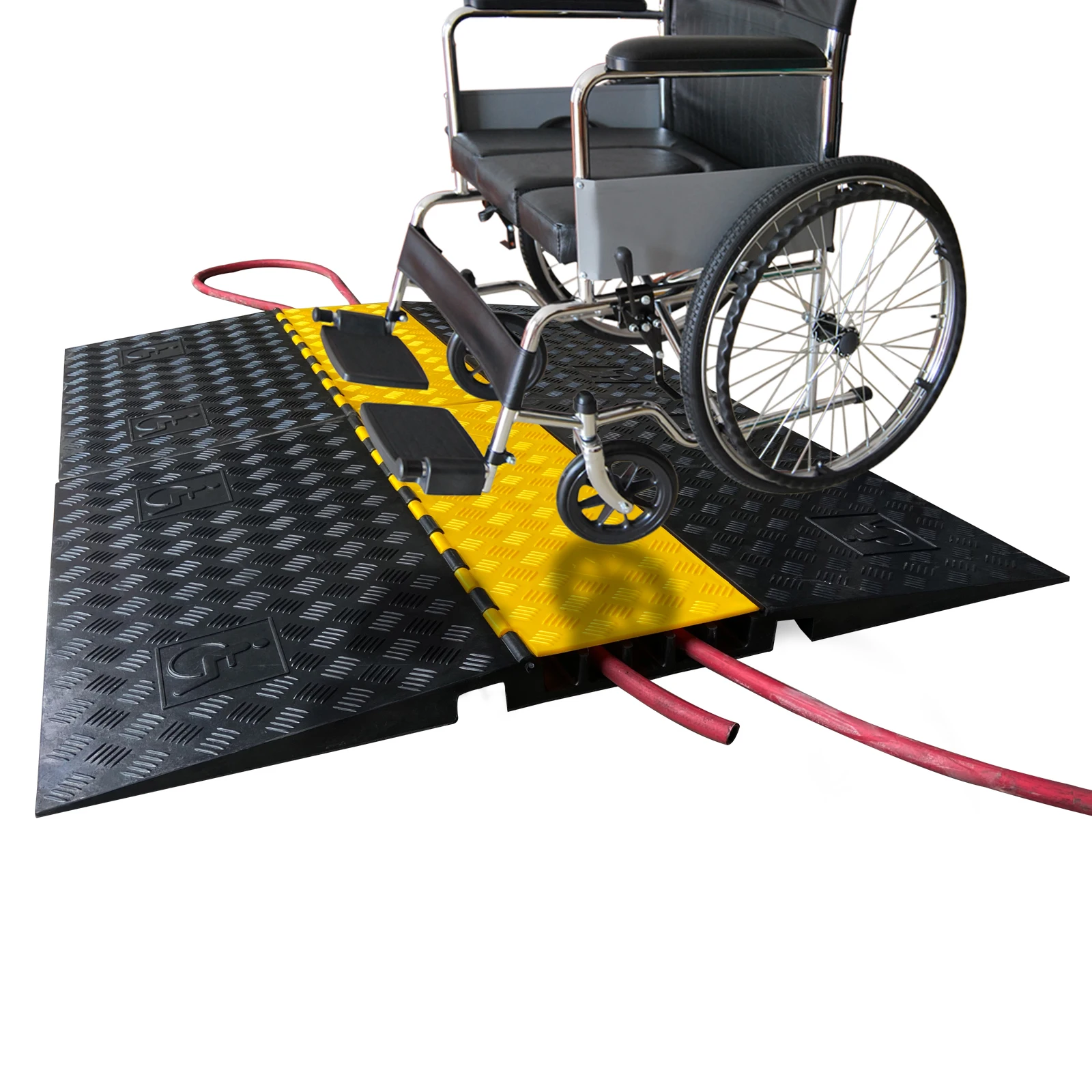
The demand for bulk project supply capabilities has driven manufacturers to develop sophisticated production systems that can handle large-volume orders while maintaining strict quality standards. These factory-produced modular ramp systems incorporate advanced materials science, precision engineering tolerances, and standardized connection mechanisms that ensure seamless integration regardless of project scale. Organizations across healthcare, education, government, and industrial sectors increasingly rely on these systems to meet accessibility requirements efficiently while managing budget constraints and tight project deadlines.
Engineering Advantages of Factory Production Methods
Precision Manufacturing Controls
Factory-produced modular ramp systems benefit from controlled manufacturing environments that ensure consistent dimensional accuracy and material properties across all components. Advanced CNC machining and automated fabrication processes eliminate the variability inherent in field construction, resulting in components that fit together perfectly without field modifications or adjustments. Quality control protocols implemented during factory production include dimensional verification, load testing, and surface finish inspection that would be impossible to replicate in field conditions.
The precision manufacturing approach extends to connection hardware, drainage features, and safety elements integrated into each modular component. Factory conditions allow for precise tooling setups, temperature-controlled curing processes, and multi-stage quality verification that ensures every component meets exact specifications. This level of manufacturing control translates directly into faster assembly times and reduced field labor requirements, as installers work with components engineered for perfect fit and function.
Material selection and processing benefit significantly from factory production capabilities, allowing manufacturers to optimize polymer formulations, reinforce critical stress points, and apply specialized surface treatments under controlled conditions. The result is modular ramp systems with enhanced durability, weather resistance, and load-bearing capacity that exceed the performance of field-assembled alternatives.
Standardized Component Integration
The factory production approach enables comprehensive standardization of component interfaces, connection methods, and assembly sequences that dramatically simplify installation procedures. Standardized mounting systems, hardware specifications, and alignment features ensure that components from different production runs integrate seamlessly, supporting both immediate installation needs and future system expansions. This standardization extends to electrical conduits, drainage channels, and safety rail attachment points built into each modular section.
Component standardization facilitates inventory management for large projects, allowing procurement teams to order specific quantities of standard components rather than managing complex custom specifications for each installation location. The modular approach supports mixed configurations within single projects, enabling architects and engineers to specify different ramp configurations while maintaining component compatibility throughout the facility.
Factory-produced modular ramp systems incorporate standardized testing protocols that validate load capacity, slip resistance, and durability characteristics for each component type. This systematic approach to performance verification supports compliance documentation requirements and provides engineering data necessary for structural integration with existing facilities.
Rapid Assembly Implementation Strategies
Pre-Assembly Preparation Systems
Fast assembly capabilities begin with comprehensive pre-installation planning and component organization systems developed specifically for modular ramp systems. Factory production includes detailed assembly documentation, component identification systems, and pre-positioned hardware that eliminates field measurement and cutting operations. Installation teams receive complete component inventories with location-specific identification codes that correspond to detailed assembly drawings and sequence instructions.
The preparation phase includes site verification protocols that confirm foundation readiness, utility clearances, and dimensional compatibility before component delivery. Modular ramp systems designed for rapid assembly incorporate adjustable mounting systems that accommodate minor site variations without requiring custom modifications or field fabrication. This preparation approach reduces installation time from days to hours for typical installations.
Component packaging and delivery scheduling coordinate with assembly sequences to minimize material handling and staging requirements on installation sites. Factory-produced systems include lifting points, temporary support features, and handling instructions that enable safe and efficient component positioning using standard construction equipment.
Tool-Free Connection Methods
Advanced modular ramp systems incorporate mechanical connection methods that eliminate welding, cutting, or specialized tool requirements during field assembly. Precision-manufactured connection hardware includes cam-lock mechanisms, bayonet fittings, and threaded assemblies that create secure joints using hand tools or standard construction equipment. These connection methods maintain structural integrity while enabling rapid assembly and future reconfiguration capabilities.
The tool-free approach extends to electrical connections for lighting systems, alarm integration, and monitoring equipment built into modular ramp systems. Factory-produced components include pre-wired connection points with weather-sealed interfaces that enable rapid system integration without electrical contractor involvement. This comprehensive approach to connection design significantly reduces installation labor requirements and eliminates potential field wiring errors.
Safety features integrated into connection systems include positive locking indicators, load transfer verification methods, and visual alignment guides that ensure proper assembly without extensive training or experience requirements. The systematic approach to connection design enables consistent assembly quality regardless of installer experience level.
Bulk Project Supply Chain Management
Volume Production Capabilities
Factory-produced modular ramp systems leverage industrial production capabilities to support large-scale project requirements with consistent quality and delivery reliability. Manufacturing facilities equipped for bulk production maintain component inventories, raw material stockpiles, and production scheduling systems that accommodate project-specific delivery requirements without compromising quality standards. Volume production capabilities include surge capacity planning that enables manufacturers to scale output for major institutional or government projects.
The bulk supply approach incorporates sophisticated project management systems that coordinate component production sequences with installation schedules across multiple project sites. Advanced manufacturing planning systems optimize production runs to minimize material waste, reduce inventory carrying costs, and ensure consistent component availability throughout extended project timelines. This systematic approach to bulk supply management significantly reduces project costs compared to sequential small-order procurement.
Quality assurance protocols for bulk production include statistical sampling methods, batch tracking systems, and performance verification testing that ensures consistent component characteristics across large production runs. Factory production capabilities enable comprehensive testing of material properties, dimensional accuracy, and performance characteristics that support engineering analysis and compliance documentation for major projects.
Logistics and Distribution Networks
Effective bulk project supply requires sophisticated logistics capabilities that coordinate component delivery with installation schedules across geographically distributed project sites. Modular ramp systems designed for bulk supply incorporate efficient packaging methods, standardized shipping configurations, and delivery scheduling systems that minimize transportation costs while ensuring component availability when needed. Distribution networks include regional warehousing capabilities that support rapid deployment for emergency accessibility projects or accelerated construction schedules.
The logistics approach includes component tracking systems that provide real-time visibility into production status, shipping schedules, and delivery confirmation for complex multi-site projects. Advanced distribution planning coordinates component delivery sequences with site preparation activities and installation crew schedules to optimize overall project efficiency. This comprehensive logistics approach reduces project delays and eliminates costly component shortage situations.
Transportation considerations for modular ramp systems include optimized packaging dimensions, weight distribution planning, and handling equipment compatibility that enables efficient loading, transport, and unloading operations. Factory-produced components include integrated lifting points and protection features that prevent damage during transportation while enabling rapid unloading using standard construction equipment.
Performance Advantages and Quality Assurance
Structural Integrity and Load Capacity
Factory-produced modular ramp systems incorporate advanced engineering analysis and structural optimization that delivers superior load capacity and durability compared to field-constructed alternatives. Controlled manufacturing conditions enable precise material processing, reinforcement placement, and quality verification that ensures consistent structural performance across all components. Load testing protocols implemented during factory production verify capacity ratings and safety factors that support engineering calculations for specific installation requirements.
The structural design of modular ramp systems incorporates distributed load transfer mechanisms, integrated reinforcement systems, and connection methods that create continuous load paths throughout assembled installations. Factory production enables optimization of material distribution, stress concentration management, and fatigue resistance characteristics that extend service life and reduce maintenance requirements. Advanced materials and manufacturing processes support higher load ratings in lighter-weight configurations compared to traditional construction methods.
Structural testing programs for factory-produced modular ramp systems include dynamic load analysis, fatigue testing, and environmental exposure simulation that validates long-term performance under realistic service conditions. This comprehensive approach to structural verification provides engineering data necessary for integration with existing structures and compliance with building codes and accessibility standards.
Surface Performance and Safety Features
Factory production environments enable precise control of surface textures, anti-slip treatments, and safety feature integration that ensures consistent performance characteristics across all modular ramp systems components. Advanced surface processing techniques include micro-texturing, chemical etching, and polymer coating applications that deliver optimal traction characteristics under various weather conditions. Quality control protocols verify slip resistance values, drainage performance, and cleaning compatibility for each surface treatment option.
Safety feature integration benefits from factory production capabilities that enable precise positioning of tactile indicators, edge treatments, and visual contrast elements required for accessibility compliance. Standardized safety features include integrated drainage systems, anti-icing treatments, and visibility enhancement elements that support safe operation under challenging environmental conditions. The factory approach ensures consistent safety feature performance and reduces liability concerns associated with field installation variations.
Long-term surface performance characteristics of factory-produced modular ramp systems include UV resistance, chemical compatibility, and wear resistance properties that maintain safety and appearance standards throughout extended service life. Advanced material formulations and processing techniques support superior environmental resistance compared to field-applied treatments.
FAQ
How quickly can factory-produced modular ramp systems be assembled compared to traditional construction methods?
Factory-produced modular ramp systems typically achieve assembly times that are 75-90% faster than traditional cast-in-place or custom-built ramp construction. Standard installations can be completed in hours rather than days, with minimal site preparation requirements and no curing time delays. The precise manufacturing tolerances and pre-engineered connection systems eliminate field fitting and adjustment time that significantly extends traditional construction schedules.
What volume capabilities do manufacturers maintain for bulk project supply requirements?
Leading manufacturers of modular ramp systems maintain production capabilities that support projects requiring hundreds or thousands of components with delivery schedules coordinated across multiple installation sites. Bulk supply capabilities include surge production capacity, regional distribution networks, and project management systems that handle complex multi-phase installations while maintaining quality standards and delivery reliability throughout extended project timelines.
How do factory production quality controls ensure consistent performance across large component orders?
Factory production quality assurance includes statistical sampling protocols, batch tracking systems, and comprehensive testing programs that verify dimensional accuracy, material properties, and performance characteristics for every production run. Advanced manufacturing controls include automated inspection systems, load testing verification, and surface performance validation that ensures consistent component quality regardless of order size or production schedule variations.
Can modular ramp systems accommodate site-specific requirements while maintaining bulk supply advantages?
Modern modular ramp systems incorporate flexible design capabilities that accommodate various site conditions, accessibility requirements, and architectural constraints while maintaining standardized component compatibility. Factory production includes multiple component configurations, adjustable mounting systems, and optional accessories that enable site-specific customization without requiring custom manufacturing or extended delivery schedules for bulk projects.
Table of Contents
- Engineering Advantages of Factory Production Methods
- Rapid Assembly Implementation Strategies
- Bulk Project Supply Chain Management
- Performance Advantages and Quality Assurance
-
FAQ
- How quickly can factory-produced modular ramp systems be assembled compared to traditional construction methods?
- What volume capabilities do manufacturers maintain for bulk project supply requirements?
- How do factory production quality controls ensure consistent performance across large component orders?
- Can modular ramp systems accommodate site-specific requirements while maintaining bulk supply advantages?