 EN
EN

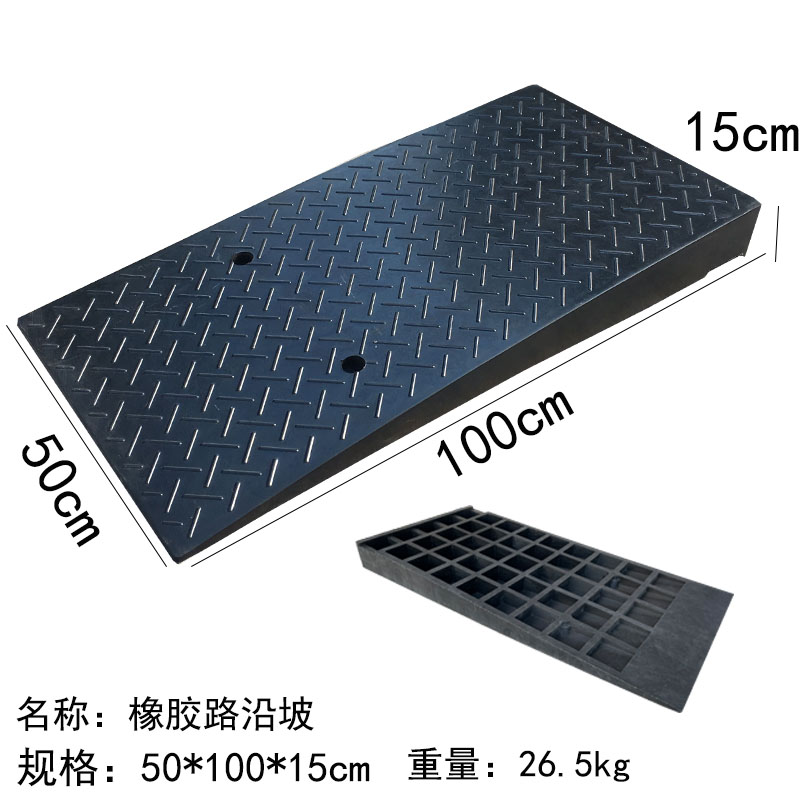
Selecting the appropriate modular wheelchair ramp for your facility requires careful consideration of multiple factors including accessibility requirements, traffic volume, and environmental conditions. A modular wheelchair ramp system offers unparalleled flexibility compared to permanent installations, allowing facilities to adapt their accessibility solutions as needs evolve. Understanding the various types of modular wheelchair ramp configurations available helps facility managers make informed decisions that ensure compliance with ADA standards while optimizing user safety and convenience.
Understanding Modular Wheelchair Ramp Components and Design
Essential Structural Elements
The foundation of any effective modular wheelchair ramp lies in its structural components, which must work harmoniously to provide safe and reliable access. Ramp sections typically feature interlocking mechanisms that ensure seamless connections between panels while maintaining structural integrity under various load conditions. Platform sections serve as essential transition areas and rest points, particularly important for longer ramp configurations where users may need to pause during ascent or descent.
Handrail systems represent another critical component, providing necessary support and guidance for wheelchair users and individuals with mobility aids. Quality modular wheelchair ramp systems incorporate adjustable handrail heights to accommodate different user requirements while maintaining compliance with accessibility standards. Edge protection barriers prevent wheels from inadvertently rolling off the ramp surface, enhancing safety during use.
Surface Technology and Traction Features
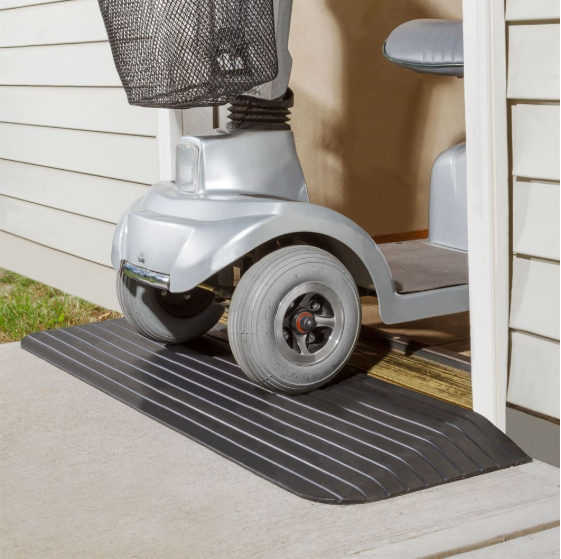
Surface design significantly impacts the performance and safety of a modular wheelchair ramp installation. Anti-slip surfaces utilize various texturing techniques including raised patterns, grooved channels, and specialized coatings to provide optimal traction in diverse weather conditions. Some advanced systems incorporate perforated surfaces that allow moisture drainage while maintaining grip, particularly beneficial for outdoor installations.
The choice between different surface materials affects both performance and maintenance requirements. Aluminum surfaces offer excellent durability and weather resistance while remaining lightweight for easy reconfiguration. Composite materials may provide enhanced grip characteristics and reduced thermal conductivity, making them comfortable for users in various climate conditions.
Temporary versus Semi-Permanent Installation Options
Portable Modular Systems
Portable modular wheelchair ramp solutions excel in situations requiring frequent relocation or temporary accessibility enhancement. These systems typically feature lightweight construction and tool-free assembly mechanisms that enable rapid deployment and breakdown. Event venues, temporary facilities, and locations undergoing renovation often benefit from portable configurations that can be quickly adapted to changing requirements.
Weight considerations become paramount when selecting portable systems, as heavier configurations may require additional personnel or equipment for relocation. However, lighter systems must still maintain structural integrity and stability under normal use conditions. Advanced portable designs incorporate folding mechanisms or telescoping sections that reduce storage space while maintaining full functionality when deployed.
Semi-Permanent Modular Installations
Semi-permanent modular wheelchair ramp installations provide enhanced stability and durability while retaining the flexibility for future modifications or relocation. These systems often utilize more robust connection methods and may incorporate ground anchoring systems for additional security. Commercial facilities, healthcare institutions, and educational buildings frequently choose semi-permanent solutions that balance adaptability with long-term reliability.
Foundation requirements for semi-permanent installations may include concrete pads or other stable base preparations, though many modern systems can adapt to various ground conditions through adjustable support legs or leveling mechanisms. This adaptability allows installations on uneven terrain while maintaining proper slope angles and safety standards.
Load Capacity and Traffic Volume Considerations
Weight Rating Classifications
Different modular wheelchair ramp systems accommodate varying weight capacities, from standard residential applications to heavy-duty commercial use. Understanding load requirements involves considering not only wheelchair and user weight but also potential dynamic loads from multiple simultaneous users or maintenance equipment. Standard systems typically handle loads up to 800 pounds, while heavy-duty configurations may support 1,500 pounds or more.
Load distribution across ramp surfaces affects both immediate safety and long-term durability. Quality systems distribute weight effectively through reinforced support structures and strategic bracing elements. When evaluating a modular wheelchair ramp, consider both static load ratings and dynamic performance specifications to ensure appropriate selection for intended use patterns.
Traffic Flow and Usage Patterns
High-traffic facilities require modular wheelchair ramp systems engineered for frequent use without premature wear or performance degradation. Commercial environments, medical facilities, and public buildings experience significantly higher usage volumes than residential applications, necessitating more robust construction and enhanced surface durability.
Bidirectional traffic considerations become important in busy environments where simultaneous ascending and descending movement occurs. Wider ramp configurations or dual-direction systems may be necessary to prevent congestion and ensure smooth traffic flow. Some facilities benefit from dedicated up and down ramps to optimize user experience and safety during peak usage periods.
Environmental Factors and Weather Resistance
Climate Adaptation Requirements
Regional climate conditions significantly influence modular wheelchair ramp selection, particularly for outdoor installations exposed to temperature extremes, precipitation, and seasonal weather variations. Cold climate installations must account for snow and ice accumulation, requiring enhanced drainage systems and potentially heated surface options to maintain year-round accessibility.
Thermal expansion and contraction affect system performance over time, making material selection and connection design critical factors. Aluminum systems typically handle temperature variations well due to material properties, while composite materials may offer superior insulation characteristics in extreme temperature environments.
Moisture Management and Drainage
Effective moisture management prevents water accumulation that could create slippery conditions or structural damage over time. Modern modular wheelchair ramp designs incorporate various drainage solutions including sloped surfaces, integrated channels, and perforated decking that allows water to pass through rather than pooling on the surface.
Corrosion resistance becomes particularly important in coastal environments or areas with high humidity and salt exposure. Anodized aluminum construction and marine-grade hardware ensure long-term performance in challenging environmental conditions while minimizing maintenance requirements.
Installation Requirements and Site Preparation
Ground Condition Assessment
Proper site evaluation ensures optimal modular wheelchair ramp performance and longevity. Ground conditions including slope, stability, and drainage characteristics influence foundation requirements and system selection. Soft or unstable soils may require additional preparation or specialized foundation elements to prevent settling or movement over time.
Existing infrastructure integration involves connecting new modular wheelchair ramp installations to buildings, sidewalks, or other access points. Transition plates and threshold adapters ensure smooth connections while maintaining proper slope angles and eliminating trip hazards at connection points.
Utility and Access Considerations
Underground utilities, overhead clearances, and existing landscape features may impact modular wheelchair ramp placement and configuration options. Careful site planning identifies potential conflicts and ensures adequate clearances for safe operation while avoiding interference with existing facility operations.
Maintenance access requirements should be considered during initial planning to ensure long-term system serviceability. Adequate space around ramp installations allows for cleaning, inspection, and potential component replacement without disrupting facility operations or compromising user safety.
Maintenance and Lifecycle Management
Routine Maintenance Protocols
Establishing comprehensive maintenance schedules extends modular wheelchair ramp service life while ensuring consistent performance and safety. Regular cleaning removes debris, snow, and ice that could compromise traction or create safety hazards. Surface inspection identifies wear patterns or damage that might require attention before becoming serious problems.
Connection point maintenance involves checking fasteners, alignment, and structural integrity at regular intervals. Modular systems benefit from periodic disassembly and reassembly to inspect hidden components and ensure all connections remain secure and properly adjusted.
Component Replacement and Upgrades
The modular design philosophy enables selective component replacement without complete system overhaul, reducing long-term ownership costs and minimizing disruption during maintenance activities. Individual ramp sections, handrails, or platform elements can be replaced as needed while maintaining overall system functionality.
Upgrade opportunities allow facilities to enhance existing modular wheelchair ramp installations with improved components or additional features as requirements evolve. Technology advances in surface materials, connection systems, or safety features can be incorporated into existing installations through selective component upgrades.
FAQ
What is the maximum slope allowed for a modular wheelchair ramp installation
ADA guidelines specify a maximum slope of 1:12 (8.33%) for modular wheelchair ramp installations, meaning one inch of rise for every twelve inches of horizontal run. Steeper slopes may be acceptable for very short runs, but longer installations must maintain the 1:12 ratio to ensure safe and comfortable use by individuals with mobility limitations.
How do I determine the appropriate weight capacity for my modular wheelchair ramp system
Weight capacity selection should consider the heaviest anticipated load including wheelchair, user, and any additional equipment or cargo. Standard residential applications typically require 600-800 pound capacity, while commercial installations may need 1,000-1,500 pounds or more. Consider both static weight and dynamic loading from movement and multiple users when making capacity decisions.
Can modular wheelchair ramp systems be used in all weather conditions
Quality modular wheelchair ramp systems designed for outdoor use can operate safely in most weather conditions when properly maintained. Anti-slip surfaces and drainage features help manage wet conditions, while appropriate material selection ensures performance in temperature extremes. Snow and ice removal protocols may be necessary in winter climates to maintain safe access.
What foundation preparation is required for semi-permanent modular wheelchair ramp installation
Foundation requirements vary based on soil conditions and system design, but may include concrete pads, compacted gravel bases, or adjustable support posts. Many modern modular wheelchair ramp systems can adapt to uneven terrain through leveling mechanisms, reducing extensive site preparation while maintaining proper slope angles and structural stability.
Table of Contents
- Understanding Modular Wheelchair Ramp Components and Design
- Temporary versus Semi-Permanent Installation Options
- Load Capacity and Traffic Volume Considerations
- Environmental Factors and Weather Resistance
- Installation Requirements and Site Preparation
- Maintenance and Lifecycle Management
-
FAQ
- What is the maximum slope allowed for a modular wheelchair ramp installation
- How do I determine the appropriate weight capacity for my modular wheelchair ramp system
- Can modular wheelchair ramp systems be used in all weather conditions
- What foundation preparation is required for semi-permanent modular wheelchair ramp installation