 EN
EN

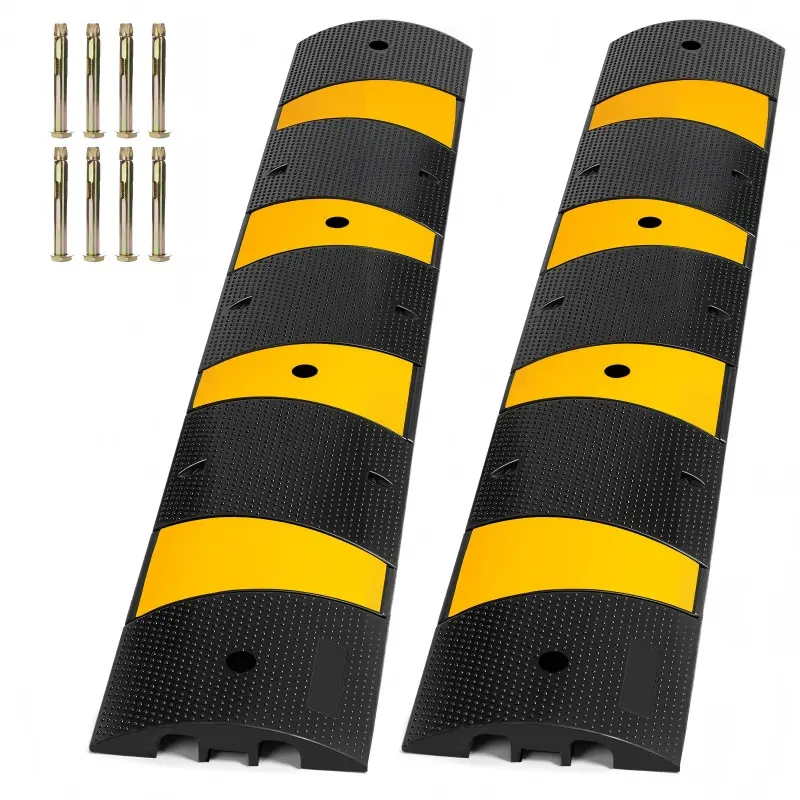
Industrial applications across manufacturing, automotive, and construction sectors increasingly demand precision-engineered factory-made rubber bases that deliver consistent performance under demanding operational conditions. These specialized components serve as critical foundation elements in machinery installations, traffic management systems, and equipment mounting applications where stability, vibration dampening, and load distribution are paramount. Modern factory-made rubber bases incorporate advanced polymer compounds and precision molding techniques to achieve superior durability, dimensional accuracy, and resistance to environmental factors including temperature fluctuations, chemical exposure, and mechanical stress.
Manufacturing Excellence in Rubber Base Production
Advanced Molding Technologies
Contemporary factory-made rubber bases utilize injection molding and compression molding technologies that ensure consistent material distribution and dimensional precision across every production unit. These manufacturing processes enable the creation of complex geometries while maintaining structural integrity throughout the base component. Quality control systems integrated into production lines monitor temperature, pressure, and curing parameters to guarantee that each factory-made rubber base meets stringent specifications for weight tolerance, diameter accuracy, and material density.
The implementation of computer-controlled molding equipment allows manufacturers to achieve repeatability levels that exceed traditional hand-crafted alternatives. Automated systems regulate compound mixing ratios, injection timing, and cooling cycles to eliminate variability between production batches. This technological advancement ensures that factory-made rubber bases maintain consistent performance characteristics regardless of production volume or scheduling requirements.
Material Science Innovations
Modern factory-made rubber bases incorporate synthetic rubber compounds specifically formulated for industrial applications requiring enhanced load-bearing capacity and environmental resistance. These materials undergo extensive testing protocols to verify their performance under various stress conditions, temperature ranges, and chemical exposure scenarios. The selection of appropriate base materials directly impacts the longevity and effectiveness of the final product in demanding operational environments.
Specialized additives integrated into the rubber compound enhance specific properties such as UV resistance, ozone protection, and flame retardancy. Factory-made rubber bases designed for outdoor applications benefit from these enhanced formulations that maintain structural integrity despite prolonged exposure to harsh environmental conditions. The careful balance of these material properties ensures optimal performance across diverse industrial applications.
Customization Capabilities and Specifications
Weight Distribution Engineering
The ability to customize weight specifications represents a crucial advantage of factory-made rubber bases over generic alternatives. Engineering teams can calculate precise weight requirements based on the intended application, load distribution patterns, and stability requirements. This customization capability ensures that each factory-made rubber base provides optimal performance for its specific installation environment while maintaining safety margins appropriate for the application.
Weight customization involves careful selection of filler materials, rubber compound density, and internal structure design. Factory-made rubber bases can incorporate metallic fillers to increase weight or utilize hollow sections to reduce overall mass while maintaining structural strength. This flexibility allows engineers to optimize the balance between stability and handling convenience for various industrial applications.
Diameter Precision and Tolerances
Diameter specifications for factory-made rubber bases require precise engineering to ensure proper fit and function within existing equipment installations. Manufacturing tolerances typically range from plus or minus 2-3 millimeters for standard applications, though specialized requirements may demand tighter control. The ability to customize diameter dimensions enables compatibility with various mounting systems and equipment configurations across different industries.
Quality assurance protocols include dimensional verification at multiple stages throughout the production process. Factory-made rubber bases undergo inspection procedures using precision measuring equipment to confirm diameter consistency across production batches. This attention to dimensional accuracy ensures reliable installation and optimal performance in field applications where precise fit is critical for operational success.
Color Marking Systems and Identification
Visual Identification Standards
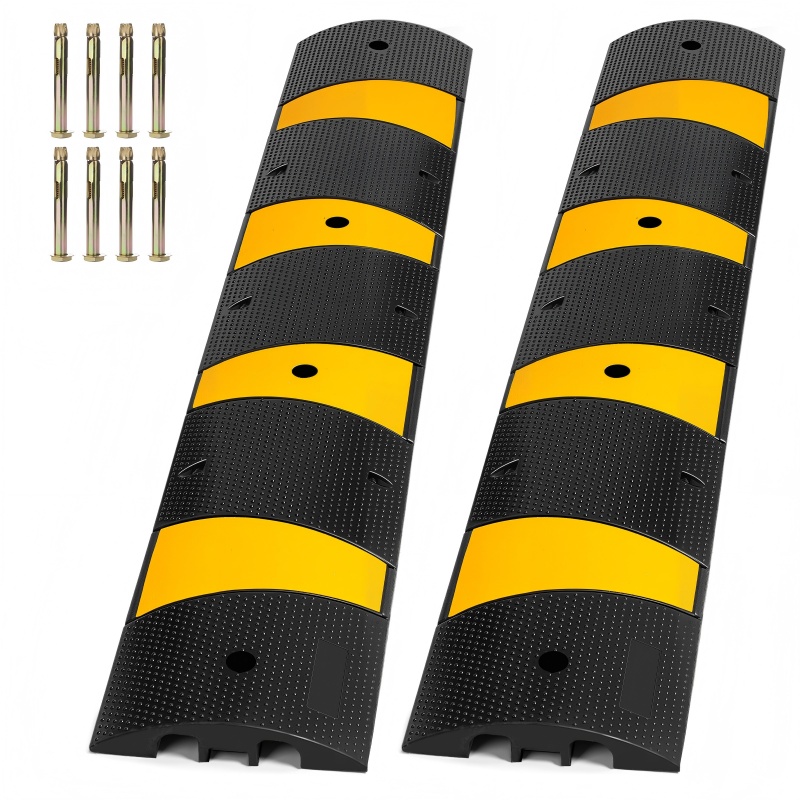
Color marking systems integrated into factory-made rubber bases provide essential visual identification capabilities for inventory management, safety compliance, and operational efficiency. These marking systems utilize permanent coloring agents that resist fading, chemical degradation, and mechanical wear throughout the service life of the component. Standardized color coding enables rapid identification of specific product variants, load ratings, or application categories in industrial environments.
The implementation of color marking during the manufacturing process ensures uniform appearance and eliminates the need for secondary marking operations. Factory-made rubber bases can incorporate multiple colors, patterns, or geometric shapes to convey specific information about their intended use, installation requirements, or maintenance schedules. This visual communication system reduces the potential for installation errors and enhances overall safety in industrial operations.
Durability of Marking Systems
Color marking durability requires careful selection of pigments and application methods that withstand the environmental conditions encountered in typical industrial applications. Factory-made rubber bases utilize colorfast materials that maintain their visual identification properties despite exposure to ultraviolet radiation, temperature cycling, and chemical contact. The integration of color marking into the base material during manufacturing ensures permanent identification that cannot be removed or obscured through normal use.
Testing protocols for color marking systems include accelerated weathering studies, chemical resistance evaluations, and abrasion testing to verify long-term performance. These quality assurance measures ensure that factory-made rubber bases maintain their visual identification capabilities throughout their operational lifetime, supporting effective inventory management and safety compliance requirements.
Industrial Applications and Performance Benefits
Machinery Mounting Solutions
Factory-made rubber bases excel in machinery mounting applications where vibration isolation and load distribution are critical performance requirements. These components effectively absorb mechanical vibrations generated by rotating equipment, reducing noise transmission and extending the service life of both the machinery and surrounding structures. The customizable weight and diameter specifications enable optimal matching to specific equipment requirements and installation constraints.
Industrial machinery installations benefit from the consistent performance characteristics of factory-made rubber bases compared to field-fabricated alternatives. The precision manufacturing process ensures uniform load distribution across the mounting surface, preventing stress concentrations that could lead to premature failure or equipment misalignment. This reliability factor contributes significantly to overall system performance and maintenance cost reduction.
Traffic Management Systems
Traffic control applications utilize factory-made rubber bases to provide stable foundations for temporary signage, barrier systems, and warning devices. The weather resistance and durability of these components make them ideal for outdoor installations subject to vehicle impact, wind loading, and temperature variations. Customizable weight specifications enable appropriate ballasting for different wind zones and installation requirements.
The consistent quality and performance of factory-made rubber bases support compliance with traffic management standards and safety regulations. Color marking capabilities enable clear identification of different product categories, load ratings, or installation requirements, facilitating proper deployment and maintenance of traffic control systems. This standardization contributes to improved safety outcomes and operational efficiency in traffic management operations.
Quality Assurance and Testing Protocols
Performance Verification Methods
Comprehensive testing protocols for factory-made rubber bases include load testing, environmental exposure studies, and dimensional verification procedures. These quality assurance measures ensure that each product meets or exceeds specified performance requirements before shipment to customers. Load testing verifies the ability of rubber bases to support specified weights while maintaining dimensional stability and structural integrity under various loading conditions.
Environmental testing protocols simulate the conditions encountered in typical industrial applications, including temperature cycling, moisture exposure, and chemical contact scenarios. Factory-made rubber bases undergo accelerated aging studies to predict long-term performance characteristics and identify potential failure modes before they occur in field applications. This proactive approach to quality assurance supports customer confidence and reduces the risk of premature product failure.
Compliance and Certification Standards
Factory-made rubber bases manufactured for industrial applications must comply with relevant industry standards and safety regulations. These requirements may include material composition specifications, performance testing protocols, and documentation requirements for traceability and quality control. Compliance with recognized standards ensures that products meet minimum performance requirements and support customer compliance obligations.
Certification processes involve third-party testing and verification of product performance characteristics, manufacturing quality systems, and documentation procedures. Factory-made rubber bases that achieve certification provide customers with confidence in product performance and regulatory compliance. This certification support is particularly important for applications in regulated industries where product documentation and performance verification are mandatory requirements.
Installation and Maintenance Considerations
Optimal Installation Practices
Proper installation of factory-made rubber bases requires attention to surface preparation, alignment procedures, and environmental conditions at the installation site. Surface preparation typically involves cleaning, leveling, and inspection of the mounting surface to ensure optimal contact and load distribution. The precision manufacturing of factory-made rubber bases enables predictable installation procedures that minimize field adjustment requirements and installation time.
Installation procedures should consider the specific application requirements, environmental conditions, and expected service loads when positioning factory-made rubber bases. Proper alignment ensures uniform load distribution and prevents stress concentrations that could compromise performance or service life. The use of appropriate installation tools and procedures supports optimal performance throughout the operational lifetime of the installation.
Maintenance Requirements and Service Life
Factory-made rubber bases typically require minimal maintenance throughout their service life due to their durable construction and material properties. Regular inspection procedures should focus on visual examination for signs of wear, damage, or displacement that could affect performance. The color marking systems integrated into these components facilitate identification and tracking of maintenance schedules and replacement requirements.
Service life expectations for factory-made rubber bases vary depending on the specific application conditions, environmental exposure, and loading patterns. Properly selected and installed components can provide reliable service for many years under normal operating conditions. Maintenance records and performance tracking support predictive maintenance strategies that optimize replacement timing and minimize operational disruptions.
FAQ
What weight ranges are available for custom factory-made rubber bases
Custom factory-made rubber bases can be manufactured across a wide weight range from lightweight applications requiring just a few pounds up to heavy-duty industrial applications requiring several hundred pounds per unit. The specific weight is achieved through careful selection of rubber compound density, filler materials, and internal structure design. Most manufacturers can accommodate weight specifications within plus or minus 5 percent of the target value, ensuring consistency across production batches and reliable performance in field applications.
How do color marking systems maintain visibility over time
Color marking systems in factory-made rubber bases utilize UV-resistant pigments and colorfast materials that maintain their visual properties despite prolonged exposure to sunlight, weather, and industrial environments. The color marking is integrated into the rubber compound during manufacturing rather than applied as a surface coating, ensuring permanent identification that cannot fade, chip, or wear away through normal use. Accelerated weathering tests verify color retention performance over the expected service life of the component.
What diameter tolerances can be achieved in custom manufacturing
Factory-made rubber bases can achieve diameter tolerances typically ranging from plus or minus 2 to 5 millimeters depending on the overall size and complexity of the component. Smaller diameter bases generally achieve tighter tolerances, while larger components may require slightly wider tolerance ranges due to material shrinkage characteristics. Precision molding equipment and quality control systems ensure consistent dimensional accuracy across production runs, supporting reliable installation and optimal performance in field applications.
Are factory-made rubber bases suitable for extreme temperature applications
Factory-made rubber bases can be formulated with specialized compounds designed for extreme temperature applications ranging from arctic conditions to high-temperature industrial environments. The specific temperature range depends on the rubber compound selection, with standard formulations typically performing well between negative 40 and positive 180 degrees Fahrenheit. Specialized compounds can extend this range significantly for applications requiring extreme temperature resistance, though these formulations may require longer lead times and minimum order quantities.