 EN
EN

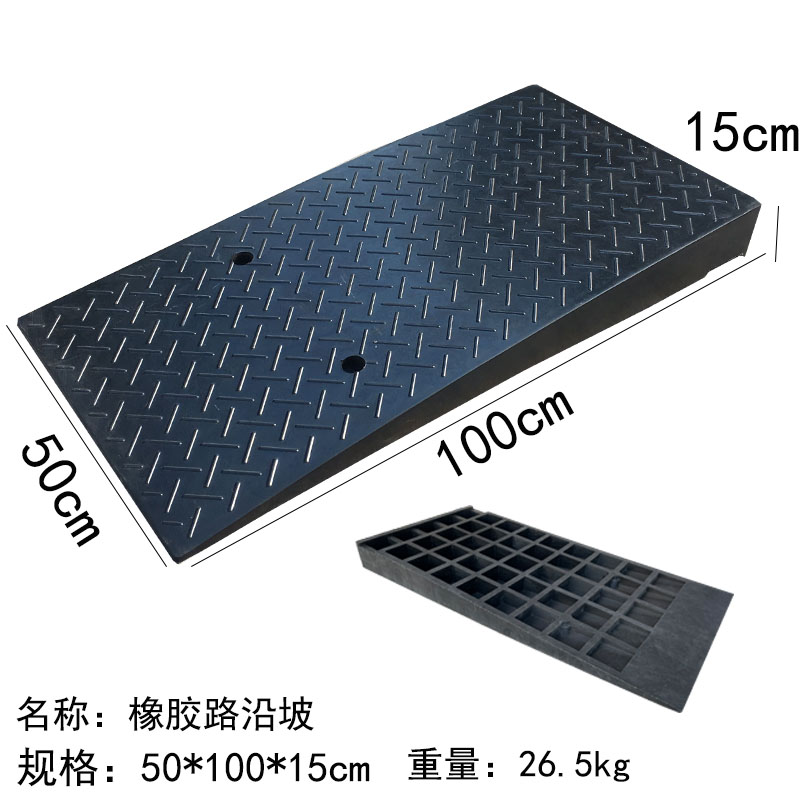
Modern property development and urban infrastructure projects increasingly demand specialized solutions for vehicle access management. Among these essential components, custom driveway curb ramps have emerged as critical elements that bridge the gap between traditional road surfaces and private property entrances. These engineered solutions provide seamless transitions while maintaining structural integrity and aesthetic appeal across diverse applications.
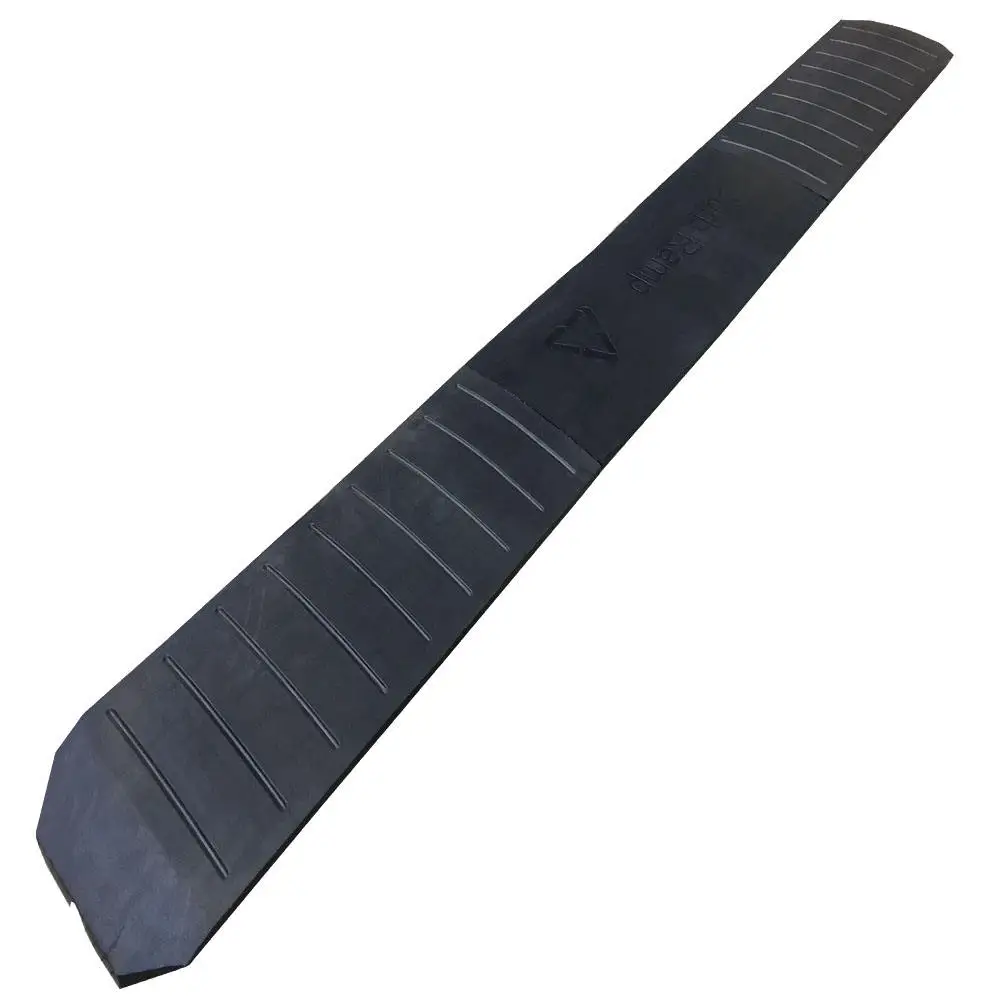
The evolution of access infrastructure has transformed how architects, engineers, and facility managers approach entrance design. Traditional concrete installations often fail to meet the dynamic requirements of contemporary commercial and residential developments. Factory-manufactured solutions offer superior consistency, durability, and customization options that address specific site conditions and performance criteria.
Understanding the technical specifications and application parameters of these access solutions enables informed decision-making for project stakeholders. From load-bearing requirements to dimensional constraints, each installation presents unique challenges that demand careful consideration of material properties, environmental factors, and long-term performance expectations.
Engineering Specifications and Load Capacity Requirements
Structural Design Principles
The foundation of effective custom driveway curb ramps lies in their engineered design approach. Advanced manufacturing processes enable precise control over material density, reinforcement placement, and surface geometry. These factors directly influence the ramp's ability to withstand repeated vehicle loading while maintaining dimensional stability over extended service periods.
Load capacity calculations must account for both static and dynamic forces generated during vehicle transitions. Heavy commercial vehicles create significantly higher stress concentrations compared to passenger cars, requiring enhanced structural design parameters. Modern manufacturing techniques allow for graduated load ratings that match specific application requirements without over-engineering the solution.
Material selection plays a crucial role in achieving optimal performance characteristics. High-density polymer composites offer excellent strength-to-weight ratios while providing superior resistance to environmental degradation. These materials maintain their structural properties across wide temperature ranges and resist common chemical exposures found in urban environments.
Performance Testing Standards
Comprehensive testing protocols ensure that custom driveway curb ramps meet rigorous performance standards before deployment. Laboratory testing encompasses static load testing, fatigue cycling, and environmental exposure simulations that replicate decades of real-world service conditions. These validation processes provide confidence in long-term performance predictions and warranty coverage.
Field testing complements laboratory evaluation by confirming performance under actual installation conditions. Soil bearing capacity, drainage characteristics, and thermal expansion effects all influence the overall system performance. Proper testing protocols identify potential issues before they impact project schedules or budgets.
Quality assurance measures extend beyond initial testing to include ongoing monitoring and maintenance protocols. Regular inspection schedules help identify wear patterns and performance degradation before critical failures occur. This proactive approach maximizes service life and minimizes unexpected replacement costs.
Width Configurations and Dimensional Customization
Standard Width Options
Contemporary access design demands flexibility in dimensional specifications to accommodate diverse vehicle types and traffic patterns. Standard width configurations typically range from single-vehicle widths suitable for residential applications to multi-lane specifications designed for commercial and industrial facilities. Each width category addresses specific functional requirements while maintaining structural performance standards.
Residential applications often utilize narrower profiles that complement existing landscape designs while providing adequate vehicle clearance. These custom driveway curb ramps integrate seamlessly with property aesthetics while delivering professional-grade performance characteristics.
Commercial installations frequently require wider configurations to accommodate delivery vehicles, emergency access, and high-volume traffic flows. These applications demand enhanced structural capacity and may incorporate specialized features such as integrated drainage systems or utility accommodation channels.
Modular Design Systems
Advanced manufacturing capabilities enable modular design approaches that provide unprecedented flexibility in width customization. Interlocking sections allow for precise dimensional matching to existing site conditions while maintaining structural continuity across the entire installation. This approach eliminates the need for costly site modifications and reduces installation complexity.
Modular systems also facilitate future modifications or expansions without complete system replacement. Additional sections can be integrated seamlessly as traffic patterns evolve or property uses change. This adaptability provides long-term value and reduces lifecycle costs compared to traditional fixed installations.
Connection systems between modular sections utilize engineered fastening methods that maintain structural integrity while allowing for thermal movement and settling. These connections resist separation under load while accommodating normal ground movement and thermal cycling.
Material Properties and Manufacturing Advantages
Advanced Polymer Technology
Modern custom driveway curb ramps utilize sophisticated polymer formulations that deliver superior performance compared to traditional materials. These engineered compounds provide exceptional impact resistance, weathering stability, and chemical compatibility while maintaining consistent properties throughout the manufacturing process.
UV stabilization technology prevents material degradation under prolonged sun exposure, maintaining both structural properties and appearance characteristics. This protection eliminates the need for regular refinishing or protective coatings that add to maintenance costs and complexity.
Temperature stability ensures consistent performance across seasonal variations and extreme weather conditions. The material maintains flexibility at low temperatures while retaining structural integrity at elevated temperatures, providing reliable service across diverse climate zones.
Factory Production Benefits
Controlled manufacturing environments enable consistent quality control and precision dimensioning that field-poured alternatives cannot match. Automated production processes eliminate human variables that can affect material properties or dimensional accuracy. This consistency translates to predictable performance and simplified installation procedures.
Factory production also allows for integration of specialized features during the manufacturing process. Embedded reinforcement, drainage channels, and surface texturing can be incorporated seamlessly without compromising structural integrity or requiring secondary operations.
Quality control systems monitor every aspect of the production process, from raw material verification to final inspection. Statistical process control ensures that each unit meets specified performance criteria before shipment, reducing field rejection rates and installation delays.
Branding and Aesthetic Customization Options
Corporate Identity Integration
Professional facilities increasingly recognize the importance of maintaining brand consistency across all infrastructure elements. Custom driveway curb ramps can incorporate corporate colors, logos, and design elements that reinforce brand identity while delivering functional performance. This integration creates a cohesive aesthetic that enhances property value and professional image.
Color matching capabilities utilize advanced pigment systems that maintain consistency across production runs and resist fading over time. These color systems can replicate corporate color standards with exceptional accuracy, ensuring brand compliance across multiple installations.
Logo integration employs precision molding or embedded graphics that become permanent features of the ramp structure. These branded elements resist wear and maintain clarity throughout the service life, providing lasting brand recognition and professional appearance.
Architectural Compatibility
Contemporary architecture demands infrastructure elements that complement building design and landscape themes. Custom driveway curb ramps can be manufactured with surface textures, profiles, and finishes that harmonize with surrounding materials and design elements.
Surface texture options range from smooth finishes suitable for modern architectural styles to textured surfaces that complement natural materials. These textures also provide functional benefits such as enhanced traction and reduced maintenance requirements.
Profile customization allows for integration with existing architectural features and landscape elements. Beveled edges, rounded corners, and custom transitions can be incorporated to create seamless integration with surrounding infrastructure.
Installation Methods and Site Preparation
Foundation Requirements
Proper foundation preparation ensures optimal performance and longevity of custom driveway curb ramps installations. Site evaluation must consider soil conditions, drainage patterns, and load distribution requirements to determine appropriate foundation specifications. Inadequate preparation can compromise performance and void warranty coverage.
Drainage considerations play a critical role in foundation design and long-term performance. Proper grading and drainage provisions prevent water accumulation that can lead to foundation instability or frost heaving in cold climates. Integrated drainage systems may be required for certain applications.
Load distribution mechanisms spread vehicle loads across the supporting soil structure, preventing localized settlement or failure. These systems may include granular base layers, geotextile reinforcement, or specialized load distribution plates depending on site conditions and load requirements.
Installation Procedures
Standardized installation procedures ensure consistent performance and warranty compliance across diverse project conditions. Step-by-step protocols address site preparation, component placement, and final finishing to achieve optimal results. Professional installation teams trained in these procedures deliver predictable outcomes and minimize installation-related issues.
Precision positioning systems ensure accurate alignment and proper integration with existing infrastructure. Laser levels and surveying equipment help achieve the exact grades and positions specified in project documentation. This precision prevents performance issues and aesthetic problems that can result from improper positioning.
Quality verification procedures confirm that each installation meets performance specifications before project completion. These checks include dimensional verification, load testing, and functionality confirmation that provide confidence in long-term performance.
Maintenance Requirements and Service Life
Routine Maintenance Protocols
Custom driveway curb ramps designed with modern materials require minimal maintenance compared to traditional alternatives. Regular inspection schedules identify potential issues before they impact performance or require costly repairs. These proactive maintenance approaches maximize service life and minimize lifecycle costs.
Cleaning procedures maintain appearance and prevent debris accumulation that can affect functionality. Simple washing with standard equipment removes most contaminants, while specialized cleaning agents address stubborn stains or chemical residues. The non-porous surface resists absorption and simplifies maintenance procedures.
Damage assessment protocols help identify wear patterns and performance degradation before critical failures occur. Early detection enables cost-effective repairs or component replacement that prevents more extensive damage to surrounding infrastructure.
Performance Monitoring
Long-term performance monitoring provides valuable data for maintenance planning and lifecycle cost analysis. Regular condition assessments track wear patterns, structural integrity, and functional performance over time. This information supports informed decisions about maintenance schedules and replacement timing.
Documentation systems maintain comprehensive records of installation details, maintenance activities, and performance observations. These records support warranty claims, facilitate troubleshooting, and provide baseline data for future installations. Proper documentation also demonstrates compliance with maintenance requirements and professional management practices.
Performance benchmarking compares actual service life and maintenance costs against projected values, providing insights for future project planning. This analysis helps optimize material selection, installation procedures, and maintenance strategies for improved cost-effectiveness.
Cost Analysis and Return on Investment
Initial Investment Considerations
The economic evaluation of custom driveway curb ramps must consider both initial costs and long-term value propositions. While factory-manufactured solutions may require higher upfront investment compared to basic alternatives, their superior performance and longevity often provide better overall value. Comprehensive cost analysis includes installation, maintenance, and replacement considerations over the expected service life.
Project-specific factors influence cost optimization strategies and material selection decisions. High-traffic applications justify premium materials and enhanced specifications that reduce maintenance costs and extend service life. Lower-demand applications may utilize standard configurations that balance performance with budget constraints.
Volume considerations affect pricing structures and customization options available for large-scale projects. Multiple installations often qualify for volume discounts and may justify enhanced customization features that improve project consistency and brand integration.
Lifecycle Cost Benefits
Extended service life characteristics of quality custom driveway curb ramps significantly impact lifecycle cost calculations. Superior materials and manufacturing processes deliver decades of reliable service with minimal maintenance requirements. This longevity reduces replacement frequency and associated installation disruptions.
Reduced maintenance costs result from improved material properties and design features that resist common failure modes. Weather resistance, impact tolerance, and chemical compatibility minimize routine maintenance requirements and extend intervals between major service activities.
Performance consistency throughout the service life maintains functional effectiveness and aesthetic appearance without degradation. This consistency eliminates premature replacement costs and maintains property value over extended periods.
FAQ
What load capacity should I specify for custom driveway curb ramps in commercial applications
Commercial applications typically require load capacities ranging from 20,000 to 80,000 pounds depending on the types of vehicles accessing the facility. Delivery trucks and service vehicles generate the highest loads, while passenger cars and light trucks require minimal capacity. Consult with manufacturers to determine appropriate specifications based on your specific traffic patterns and vehicle types. Consider future needs and potential changes in vehicle weights when selecting capacity ratings.
How do modular systems compare to single-piece installations for large width requirements
Modular systems offer significant advantages for large width installations including easier transportation, simplified installation procedures, and future expansion capabilities. Single-piece units may provide slightly better structural continuity but become impractical for widths exceeding standard transportation limits. Modular systems also allow for partial replacement if damage occurs, reducing long-term maintenance costs. The connection systems used in quality modular designs maintain structural integrity comparable to single-piece alternatives.
Can custom driveway curb ramps be manufactured to match existing architectural elements
Yes, modern manufacturing processes enable extensive customization of colors, textures, and profiles to complement existing architectural elements. Surface textures can replicate stone, concrete, or other materials while maintaining superior performance characteristics. Color matching systems can reproduce corporate colors or architectural color schemes with exceptional accuracy. Profile modifications accommodate specific design requirements and integration challenges while maintaining structural performance standards.
What factors influence the installation timeline for custom driveway curb ramps projects
Installation timelines depend on several factors including site preparation requirements, weather conditions, and the complexity of customization features. Standard configurations typically require 2-4 weeks from order to completion, while complex customizations may extend timelines to 6-8 weeks. Site preparation work can add significant time if extensive excavation or utility relocations are required. Weather conditions affect both manufacturing schedules and installation activities, particularly in regions with seasonal construction limitations.
Table of Contents
- Engineering Specifications and Load Capacity Requirements
- Width Configurations and Dimensional Customization
- Material Properties and Manufacturing Advantages
- Branding and Aesthetic Customization Options
- Installation Methods and Site Preparation
- Maintenance Requirements and Service Life
- Cost Analysis and Return on Investment
-
FAQ
- What load capacity should I specify for custom driveway curb ramps in commercial applications
- How do modular systems compare to single-piece installations for large width requirements
- Can custom driveway curb ramps be manufactured to match existing architectural elements
- What factors influence the installation timeline for custom driveway curb ramps projects