 EN
EN

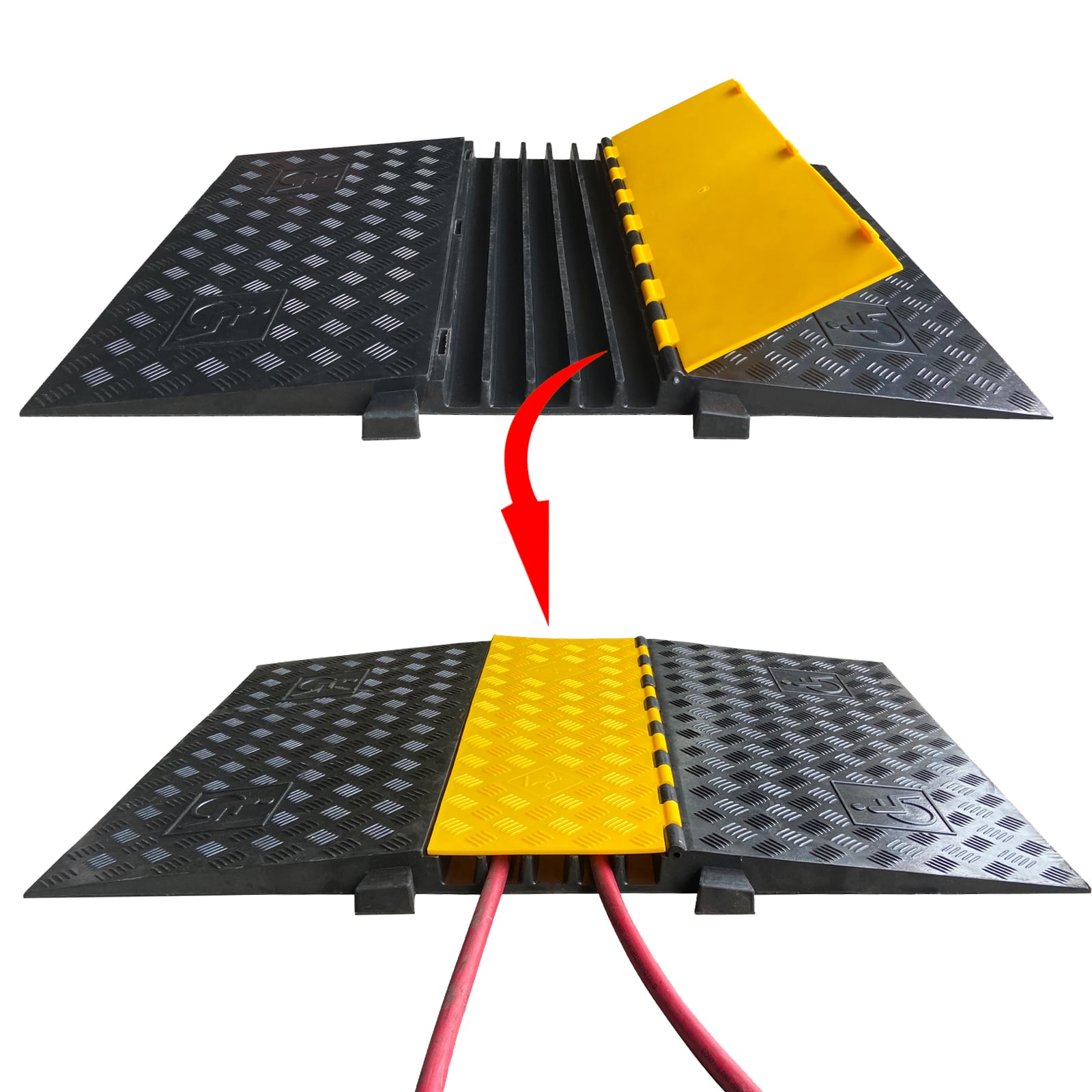
The Americans with Disabilities Act establishes comprehensive accessibility standards that extend beyond commercial spaces to residential environments, particularly regarding curb ramps and pedestrian pathways. Understanding these requirements is essential for property owners, contractors, and facility managers who must ensure their installations meet federal compliance standards. Modern accessibility solutions now include specialized equipment like ADA compliant rubber cable protector systems that facilitate safe passage while maintaining regulatory adherence.
Understanding ADA Compliance Standards for Residential Applications
Federal Regulations and Local Implementation
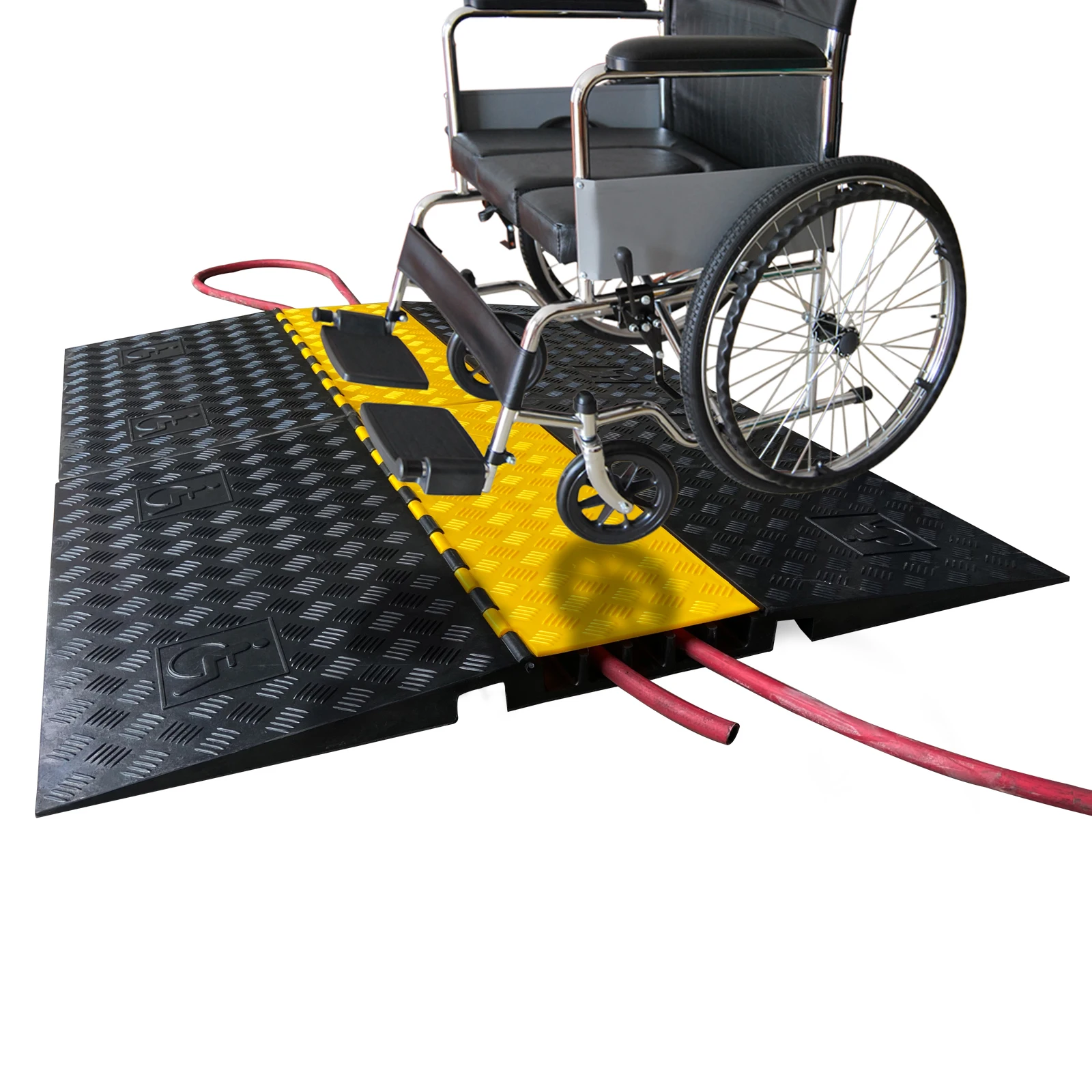
The ADA establishes minimum accessibility requirements that apply to various residential settings, including multi-family housing complexes, assisted living facilities, and public residential areas. These standards mandate specific dimensional requirements for curb ramps, including maximum slope ratios, minimum width specifications, and appropriate surface materials. Property developers must incorporate ADA compliant rubber cable protector systems when electrical or data cables cross pedestrian pathways, ensuring uninterrupted accessibility for wheelchair users and individuals with mobility devices.
Local building codes often expand upon federal ADA requirements, creating additional compliance layers that property owners must navigate. Many municipalities require enhanced accessibility features that exceed baseline federal standards, particularly in residential developments receiving public funding or tax incentives. These enhanced requirements frequently address temporary installations and event-related accessibility solutions, where ADA compliant rubber cable protector products play crucial roles in maintaining pathway continuity during construction or special events.
Residential vs Commercial Compliance Differences
While commercial properties face comprehensive ADA compliance requirements, residential applications involve more nuanced regulatory frameworks. Single-family homes typically fall outside direct ADA jurisdiction unless they receive federal funding or serve as public accommodations. However, multi-unit residential properties, condominiums, and townhouse developments must adhere to accessibility standards for common areas, parking facilities, and pedestrian routes.
The distinction becomes particularly important when temporary installations require cable management solutions. Residential properties hosting events or undergoing renovations must maintain accessibility compliance throughout these activities, often necessitating specialized equipment like ADA compliant rubber cable protector systems to bridge gaps created by temporary electrical installations or construction activities.
Technical Specifications for Curb Ramp Installation
Dimensional Requirements and Slope Calculations
ADA-compliant curb ramps must maintain specific dimensional parameters to ensure safe navigation for wheelchair users and individuals with mobility impairments. The maximum allowable slope for curb ramps is 1:12, meaning for every inch of vertical rise, there must be at least 12 inches of horizontal run. Width requirements mandate a minimum 36-inch clear width, though 48 inches is recommended for optimal accessibility and traffic flow.
Surface materials must provide adequate traction while remaining smooth enough for wheelchair navigation. When cables or temporary installations cross these pathways, property owners must implement ADA compliant rubber cable protector solutions that maintain the required slope ratios and surface characteristics. These protective systems must integrate seamlessly with existing ramp surfaces to prevent creating accessibility barriers or trip hazards.
Surface Materials and Texture Requirements
The ADA specifies strict surface requirements for curb ramps, emphasizing slip-resistant materials that provide adequate traction in various weather conditions. Approved surfaces include textured concrete, specialized aggregates, and approved synthetic materials that meet specific coefficient of friction standards. The surface must remain stable and firm under normal loading conditions while providing adequate drainage to prevent water accumulation.
When temporary installations require cable management across these surfaces, ADA compliant rubber cable protector systems must match the existing surface characteristics. These products feature specialized tread patterns and materials designed to maintain appropriate friction levels while protecting underlying cables. The integration must preserve the original ramp's accessibility characteristics without creating discontinuities or surface irregularities that could impede wheelchair navigation.
Cable Management and Accessibility Integration
Temporary Installation Challenges
Residential properties frequently encounter situations where temporary electrical installations, data cables, or utility connections must cross pedestrian pathways and curb ramps. These scenarios present significant accessibility challenges, as traditional cable protection methods often create barriers or surface discontinuities that violate ADA compliance standards. Property managers must balance operational needs with accessibility requirements, ensuring continued compliance during temporary installations.
Effective solutions require specialized equipment designed specifically for accessibility applications. ADA compliant rubber cable protector systems address these challenges by providing flush-mount installation capabilities that maintain surface continuity while protecting underlying cables. These systems feature ramped edges and appropriate weight distribution to prevent creating trip hazards or obstacles for mobility devices.
Permanent Integration Solutions
Long-term accessibility planning often requires permanent cable management solutions that integrate seamlessly with existing curb ramp installations. These applications demand durable, weather-resistant materials that maintain their accessibility characteristics over extended periods. Permanent installations must consider thermal expansion, UV degradation, and mechanical wear while preserving ADA compliance standards.
Modern ADA compliant rubber cable protector products offer enhanced durability features specifically designed for permanent installations. These systems incorporate advanced polymer compositions that resist environmental degradation while maintaining flexibility and surface characteristics required for accessibility compliance. The integration process requires careful planning to ensure proper drainage, surface alignment, and structural integrity over the installation's intended lifespan.
Installation Best Practices and Quality Assurance
Pre-Installation Planning and Assessment
Successful ADA-compliant installations begin with comprehensive site assessment and planning phases that identify potential accessibility challenges and integration requirements. Professional installers must evaluate existing surface conditions, drainage patterns, traffic loads, and environmental factors that could affect system performance. This assessment phase determines appropriate ADA compliant rubber cable protector specifications and installation methodologies for specific applications.
Documentation requirements for ADA compliance necessitate detailed planning records that demonstrate adherence to accessibility standards throughout the installation process. These records become essential for building inspections, insurance requirements, and ongoing compliance verification. Professional installation teams maintain comprehensive documentation packages that include technical specifications, compliance certifications, and quality assurance protocols.
Quality Control and Compliance Verification
Post-installation quality control procedures ensure that completed systems meet all applicable ADA requirements while providing optimal performance characteristics. Testing protocols evaluate surface continuity, slope compliance, load-bearing capacity, and accessibility features using standardized measurement techniques and specialized equipment. These verification processes identify potential compliance issues before final acceptance and occupancy.
Ongoing maintenance programs preserve ADA compliance throughout the system's operational life, addressing wear patterns, environmental effects, and performance degradation. Regular inspections evaluate ADA compliant rubber cable protector installations for surface wear, attachment integrity, and continued accessibility compliance. Preventive maintenance schedules ensure optimal performance while minimizing disruption to facility operations and accessibility features.
Cost Considerations and Return on Investment
Initial Investment Analysis
ADA compliance investments in residential properties generate significant returns through enhanced property values, reduced liability exposure, and expanded market accessibility. Initial costs for proper curb ramp installation and accessibility features typically represent small percentages of overall property values while providing substantial legal protection and marketability advantages. Professional installation of ADA compliant rubber cable protector systems adds minimal costs compared to potential liability expenses from non-compliant installations.
Financial analysis should consider long-term operational costs, including maintenance requirements, replacement schedules, and potential upgrade needs. High-quality accessibility products often provide superior lifecycle value through reduced maintenance demands and extended service life. Investment in proven ADA compliant rubber cable protector systems typically generates positive returns through reduced insurance costs and avoided legal exposures.
Long-term Value Proposition
Properly implemented accessibility features enhance property marketability and tenant satisfaction while reducing operational risks and compliance concerns. Properties with comprehensive accessibility features attract broader tenant populations and command premium rental rates in many markets. These advantages become particularly significant in residential developments targeting senior populations or individuals with mobility considerations.
Insurance and legal considerations further support accessibility investments, as compliant properties face reduced liability exposure and lower insurance premiums. Professional installation of ADA compliant rubber cable protector systems and related accessibility features demonstrates proactive risk management and regulatory compliance, factors that insurance providers increasingly recognize in their coverage decisions and premium calculations.
FAQ
What are the key dimensional requirements for ADA-compliant residential curb ramps
ADA-compliant residential curb ramps must maintain a maximum slope ratio of 1:12, meaning 12 inches of horizontal distance for every inch of vertical rise. The minimum clear width is 36 inches, though 48 inches is recommended for optimal accessibility. Surface materials must be slip-resistant and stable, and when cables cross these areas, ADA compliant rubber cable protector systems must maintain these same dimensional standards without creating surface discontinuities.
How do temporary installations affect ADA compliance in residential properties
Temporary installations such as construction cables, event wiring, or utility connections cannot compromise existing ADA compliance, even for short durations. Property owners must ensure that any temporary cable management solutions maintain surface continuity and accessibility standards. ADA compliant rubber cable protector systems specifically designed for temporary applications provide the necessary protection while preserving wheelchair accessibility and preventing trip hazards.
What maintenance requirements apply to ADA accessibility features in residential settings
ADA accessibility features require regular inspection and maintenance to preserve compliance standards throughout their operational life. This includes monitoring surface conditions, checking for wear patterns, ensuring proper drainage, and verifying that any cable protection systems remain flush and secure. ADA compliant rubber cable protector installations should be inspected quarterly for surface wear, attachment integrity, and continued accessibility performance.
Are single-family homes subject to ADA curb ramp requirements
Single-family homes typically fall outside direct ADA jurisdiction unless they receive federal funding, serve as public accommodations, or are part of developments with shared accessibility features. However, many homeowners choose to implement ADA standards voluntarily for aging-in-place considerations or universal design principles. When these homes require cable management across pathways, ADA compliant rubber cable protector systems provide optimal accessibility even when not legally mandated.
Table of Contents
- Understanding ADA Compliance Standards for Residential Applications
- Technical Specifications for Curb Ramp Installation
- Cable Management and Accessibility Integration
- Installation Best Practices and Quality Assurance
- Cost Considerations and Return on Investment
-
FAQ
- What are the key dimensional requirements for ADA-compliant residential curb ramps
- How do temporary installations affect ADA compliance in residential properties
- What maintenance requirements apply to ADA accessibility features in residential settings
- Are single-family homes subject to ADA curb ramp requirements