 EN
EN

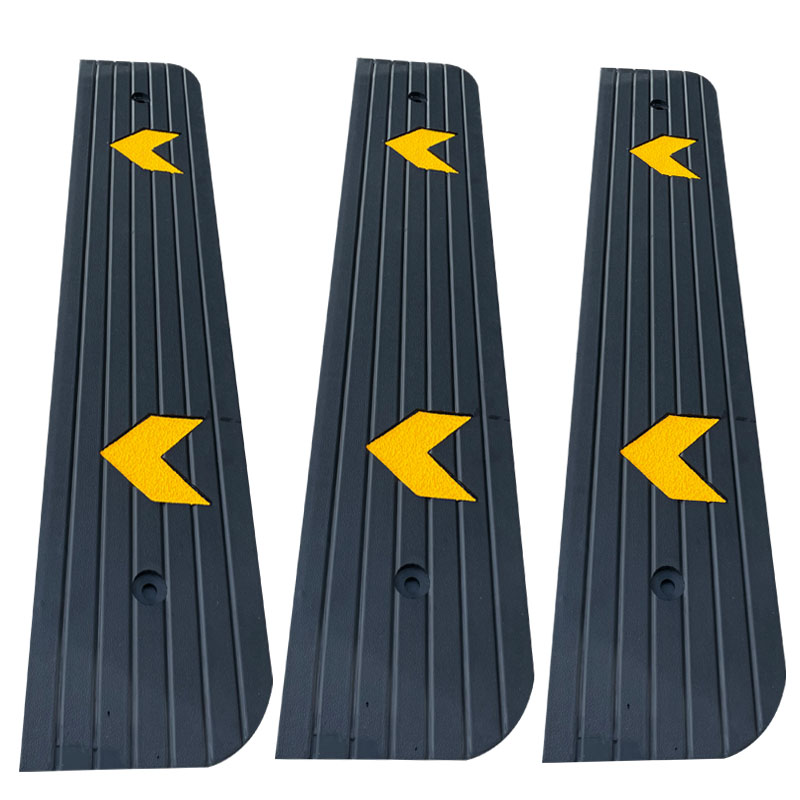
Manufacturing facilities, warehouses, and commercial buildings require reliable accessibility solutions that can withstand heavy-duty use while meeting safety standards. Threshold ramps have become essential components in modern industrial infrastructure, providing seamless transitions between different floor levels and ensuring compliance with accessibility regulations. These specialized ramps offer businesses the flexibility to customize dimensions and surface textures according to specific operational requirements.
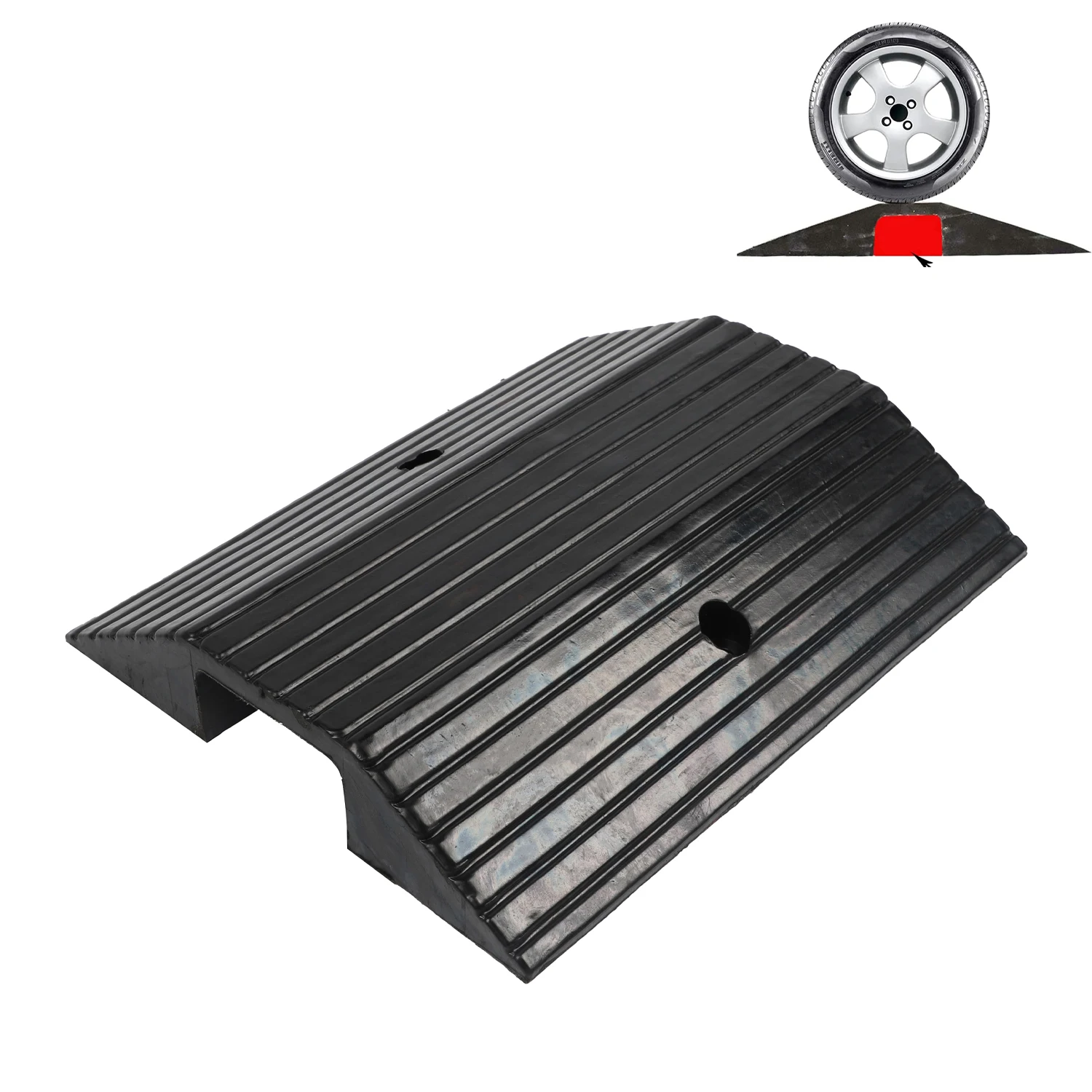
Industrial applications demand robust construction materials and precise engineering to handle constant traffic from wheelchairs, carts, and heavy equipment. Factory-direct sourcing provides manufacturers with cost-effective solutions while maintaining quality control throughout the production process. The ability to order threshold ramps in bulk quantities ensures consistent supply chains and reduces per-unit costs for large-scale projects.
Manufacturing Standards and Quality Control
Material Composition and Durability
Professional-grade threshold ramps utilize high-density polyethylene, aluminum alloys, and composite materials engineered to withstand extreme weather conditions and heavy load capacities. These materials undergo rigorous testing protocols to ensure longevity and performance consistency across various industrial environments. Quality manufacturing processes include precision molding, surface treatment, and dimensional accuracy verification to meet international safety standards.
Advanced polymer formulations provide superior impact resistance and UV stability, preventing degradation from prolonged sun exposure and temperature fluctuations. The manufacturing process incorporates anti-slip additives directly into the material matrix, ensuring surface texture integrity throughout the product lifecycle. This integrated approach eliminates the need for secondary surface treatments that may wear off over time.
Production Capacity and Lead Times
Factory-direct operations maintain sophisticated production lines capable of handling large-volume orders while accommodating custom specifications. Automated manufacturing systems ensure consistent quality control and reduce production variability across batches. These facilities typically operate with flexible scheduling to meet urgent delivery requirements and seasonal demand fluctuations.
Strategic inventory management allows manufacturers to maintain stock levels of standard configurations while providing rapid customization services for specialized applications. Production planning systems integrate customer requirements with manufacturing capabilities to optimize delivery schedules and resource allocation. This approach ensures reliable supply chain performance even during peak demand periods.
Customization Options and Specifications
Dimensional Flexibility
Custom height configurations enable precise matching to existing floor transitions, eliminating gaps that could create safety hazards or accessibility barriers. Professional engineering teams work directly with customers to determine optimal dimensions based on specific site conditions and usage patterns. Standard height ranges typically accommodate transitions from one to six inches, with precision manufacturing ensuring accurate fit tolerances.
Width customization addresses varying doorway dimensions and traffic flow requirements, with standard options ranging from narrow pedestrian access to wide industrial passages. Length specifications can be tailored to span entire doorway widths or create modular systems for complex installations. These threshold ramps can be manufactured in seamless single-piece construction or segmented designs for easier handling and installation.
Surface Texture Variations
Anti-slip surface treatments provide enhanced traction under various weather conditions and load scenarios. Manufacturers offer multiple texture options including raised diamond patterns, ribbed surfaces, and aggressive grip textures designed for specific applications. Surface texture selection depends on expected traffic patterns, environmental conditions, and cleaning requirements for the installation site.
Specialized textures accommodate wheelchair navigation while providing sufficient grip for pedestrian traffic and wheeled equipment. Color-contrasted surface elements improve visibility and safety awareness, particularly important for compliance with accessibility guidelines. These surface treatments maintain their effectiveness through extensive use cycles without compromising the structural integrity of the ramp material.
Installation and Maintenance Considerations
Site Preparation Requirements
Proper installation begins with thorough site assessment to identify potential challenges and ensure optimal ramp performance. Foundation preparation involves surface cleaning, level verification, and moisture control measures to prevent movement or degradation over time. Professional installation teams evaluate traffic patterns and environmental factors to recommend appropriate anchoring systems and positioning strategies.
Drainage considerations prevent water accumulation that could create safety hazards or accelerate material deterioration. Site preparation includes evaluation of surrounding surfaces to ensure smooth transitions and eliminate potential trip hazards. Proper preparation significantly extends product lifespan and maintains safety performance throughout the installation period.
Long-term Maintenance Protocols
Regular inspection schedules identify potential issues before they compromise safety or accessibility performance. Maintenance protocols include surface cleaning procedures that preserve anti-slip properties and visual contrast elements. These routine procedures typically require minimal time investment while ensuring continued compliance with safety regulations and accessibility standards.
Preventive maintenance extends product lifespan and maintains optimal performance under heavy-use conditions. Simple cleaning procedures using standard facility maintenance equipment keep threshold ramps functioning effectively without specialized tools or training requirements. Documentation of maintenance activities supports compliance reporting and helps identify optimal replacement cycles for high-traffic installations.
Cost-Effectiveness and ROI Analysis
Bulk Purchasing Advantages
Volume ordering provides significant per-unit cost reductions while ensuring consistency across multiple installation sites. Factory-direct relationships eliminate distributor markups and provide access to manufacturer support services throughout the purchasing process. Bulk ordering also enables standardization of specifications across facilities, simplifying maintenance procedures and spare parts inventory management.
Economies of scale extend beyond initial purchase costs to include reduced shipping expenses and streamlined procurement processes. Large-volume customers often receive priority scheduling for custom manufacturing and expedited delivery services. These advantages become particularly valuable for multi-site implementations or phased installation projects requiring coordinated delivery schedules.
Total Cost of Ownership Benefits
Durable construction materials minimize replacement frequency and reduce long-term operational costs associated with threshold ramps maintenance and downtime. Quality manufacturing processes ensure consistent performance characteristics that support predictable budgeting and maintenance planning. The extended lifespan of professional-grade products provides superior return on investment compared to lower-cost alternatives requiring frequent replacement.
Reduced liability exposure through compliance with accessibility standards provides additional financial benefits that may not be immediately apparent in initial cost calculations. Professional installation and quality materials contribute to safer working environments and reduced risk of accidents or regulatory violations. These factors combine to create compelling business cases for investing in high-quality accessibility solutions.
Compliance and Safety Standards
Regulatory Requirements
Americans with Disabilities Act compliance requires specific slope ratios and surface characteristics for threshold ramps used in commercial applications. Professional manufacturers maintain current knowledge of regulatory changes and ensure their products meet or exceed applicable standards. Compliance documentation and testing certifications provide customers with confidence in their accessibility solution investments.
International building codes establish minimum safety requirements that vary by jurisdiction and application type. Manufacturers working in global markets must navigate complex regulatory environments while maintaining consistent quality standards. Professional engineering support helps customers identify applicable codes and select appropriate product specifications for their specific installations.
Safety Performance Metrics
Load capacity testing verifies structural integrity under realistic usage scenarios including concentrated loads and dynamic forces. Safety margins built into threshold ramps design specifications provide confidence for heavy-duty applications and emergency egress situations. Performance testing protocols simulate extended use cycles to validate long-term reliability and safety characteristics.
Slip resistance measurements quantify surface traction properties under various environmental conditions including wet and dry scenarios. Standardized testing procedures ensure consistent performance evaluation across different product lines and manufacturing batches. These metrics provide objective criteria for selecting appropriate products based on specific application requirements and safety considerations.
FAQ
What are the standard lead times for custom threshold ramps orders
Custom threshold ramps typically require 2-4 weeks for production depending on complexity and order volume. Standard configurations may ship within 3-5 business days from inventory stock. Rush orders can often be accommodated with expedited manufacturing schedules, though additional fees may apply for priority production slots.
How do I determine the correct specifications for my application
Professional consultation services help identify optimal height, width, and surface texture combinations based on site conditions and usage requirements. Manufacturers typically provide technical support to evaluate traffic patterns, environmental factors, and regulatory compliance needs. Site measurement guidelines and specification worksheets streamline the ordering process for custom configurations.
What maintenance is required to preserve threshold ramps performance
Regular cleaning with standard facility maintenance equipment maintains anti-slip properties and appearance. Monthly visual inspections identify potential issues before they compromise safety or accessibility performance. Most installations require minimal maintenance beyond routine cleaning, with professional inspection recommended annually for high-traffic locations.
Are bulk discounts available for multi-site installations
Volume pricing tiers provide significant cost savings for large orders and multi-site projects. Factory-direct relationships offer additional advantages including coordinated delivery scheduling and technical support throughout the implementation process. Custom pricing proposals are available for projects requiring specialized configurations or unique delivery requirements.