 EN
EN

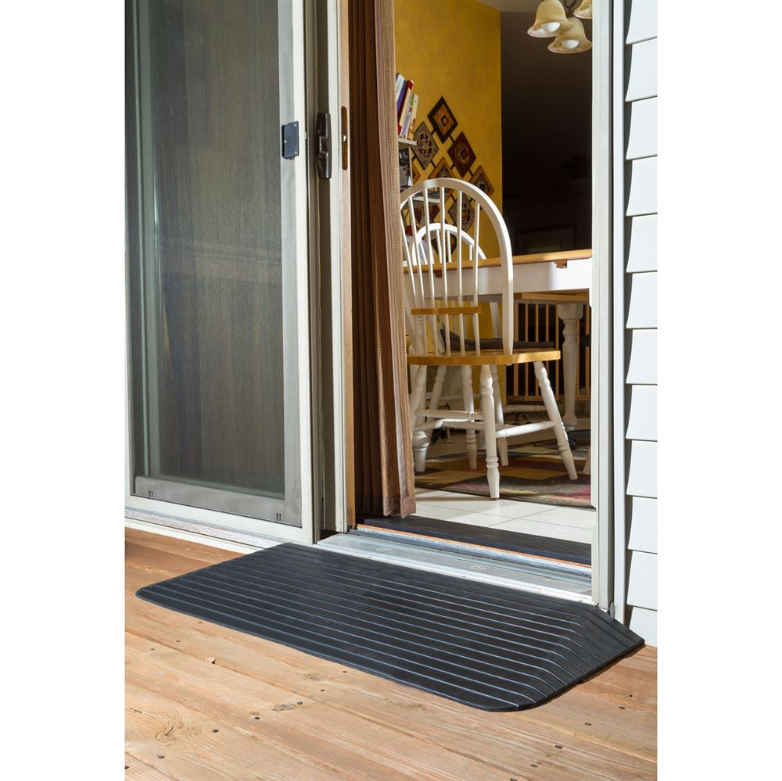
Creating an accessible home environment is essential for individuals with mobility challenges, and selecting the appropriate threshold ramp plays a crucial role in ensuring safe and comfortable navigation. A threshold ramp serves as a bridge over door thresholds, raised landings, and minor elevation changes, providing smooth transitions for wheelchairs, walkers, and mobility scooters. Understanding the various types available and their specific applications will help you make an informed decision that enhances both safety and independence within your living space.
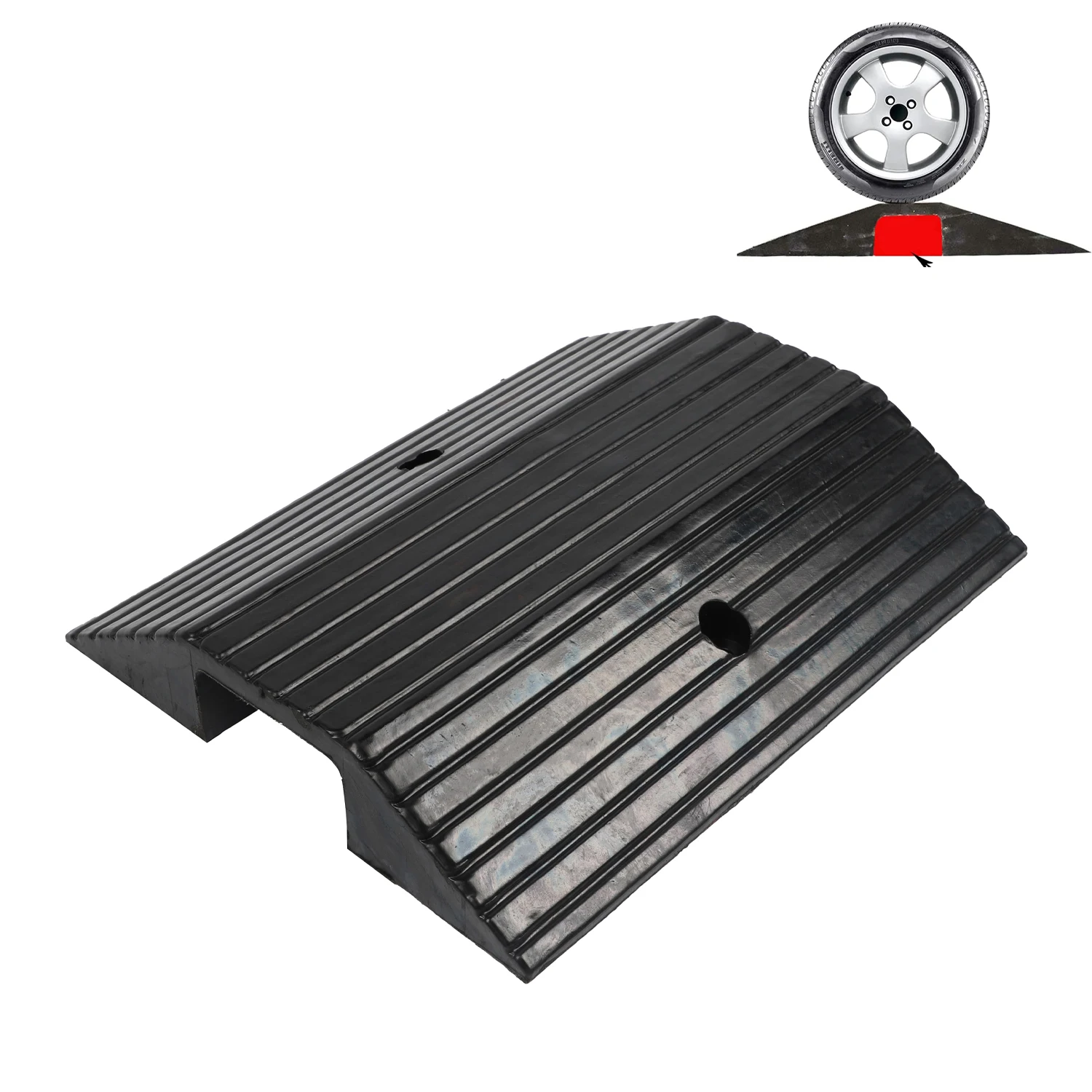
Understanding Different Materials and Construction Types
Aluminum Threshold Ramps
Aluminum construction offers exceptional durability and weather resistance, making it the preferred choice for both indoor and outdoor threshold ramp applications. These lightweight yet sturdy ramps resist corrosion and require minimal maintenance over their extended lifespan. The non-slip surface treatments commonly applied to aluminum ramps provide excellent traction in various weather conditions, ensuring user safety and confidence during transitions.
The versatility of aluminum allows manufacturers to create threshold ramp designs with precise dimensions and weight capacities. Most aluminum models can support weights ranging from 600 to 1,500 pounds, accommodating various mobility devices and user requirements. The material's inherent strength-to-weight ratio makes installation and repositioning manageable while maintaining structural integrity under regular use.
Rubber and Composite Options
Rubber threshold ramps provide excellent shock absorption and noise reduction, making them ideal for indoor applications where acoustics matter. These ramps conform slightly to surface irregularities, creating better contact with existing flooring and reducing movement during use. The natural grip properties of rubber surfaces enhance safety by providing superior traction for wheels and footwear alike.
Composite materials combine the benefits of multiple substances, often incorporating recycled materials for environmental sustainability. These threshold ramp options typically feature enhanced UV resistance for outdoor use while maintaining the flexibility and durability needed for long-term performance. Composite ramps often include integrated beveled edges that create smooth transitions without additional hardware or modifications.
Measuring and Sizing Considerations
Height and Rise Calculations
Accurate measurement of the threshold height determines the appropriate threshold ramp specifications required for safe navigation. The standard recommendation suggests a maximum slope ratio of 1:12, meaning one inch of rise requires twelve inches of ramp length. This gradual incline ensures comfortable and safe passage for wheelchair users while preventing strain or loss of control during transitions.
Different threshold heights require specific ramp configurations to maintain optimal safety standards. Thresholds measuring half an inch or less may accommodate shorter ramp lengths, while heights exceeding two inches typically require longer ramps with intermediate landings for enhanced stability and user comfort during extended transitions.
Width and Clearance Requirements
The width of your chosen threshold ramp must accommodate the specific mobility device while providing adequate clearance for safe maneuvering. Standard wheelchair widths range from 24 to 32 inches, requiring ramp widths of at least 36 inches to ensure comfortable passage with room for minor corrections during navigation.
Consider the approach angle and available space surrounding the threshold when selecting ramp dimensions. Adequate clearance on both sides prevents damage to walls, door frames, or adjacent fixtures while allowing for natural movement patterns. The threshold ramp should integrate seamlessly with existing architectural features without creating additional obstacles or hazards.
Installation Methods and Placement Strategies
Portable versus Permanent Installation
Portable threshold ramp solutions offer flexibility for rental properties or temporary accessibility needs. These models typically feature lightweight construction with built-in handles or carrying features that facilitate easy relocation between different thresholds as requirements change. The quick-setup design allows users to deploy these ramps without tools or permanent modifications to existing structures.
Permanent installation provides enhanced stability and security for long-term accessibility solutions. These threshold ramp systems often include mounting hardware that secures the ramp to existing surfaces, preventing movement during use and creating a more integrated appearance. Professional installation ensures proper alignment and adherence to local building codes and accessibility standards.
Surface Preparation and Positioning
Proper surface preparation ensures optimal threshold ramp performance and longevity. Clean, level surfaces provide the best foundation for stable installation, while uneven or damaged areas may require repair or leveling before ramp placement. The positioning should create smooth transitions on both ends without gaps or abrupt edges that could catch wheels or create tripping hazards.
Consider drainage and water management when positioning outdoor threshold ramp installations. Proper grading and drainage prevent water accumulation under or around the ramp structure, reducing slip hazards and preventing damage from freeze-thaw cycles. Indoor installations should account for cleaning requirements and maintenance access around the ramp perimeter.
Safety Features and Performance Characteristics
Traction and Slip Resistance
Advanced surface treatments enhance the safety profile of modern threshold ramp designs through improved traction characteristics. Textured surfaces, raised patterns, and specialized coatings provide reliable grip in various weather conditions, including wet or icy environments. These safety features reduce the risk of slips and falls while maintaining user confidence during transitions.
The effectiveness of slip-resistant features depends on regular maintenance and cleaning to prevent debris accumulation. Simple cleaning routines preserve the traction properties while extending the operational life of safety treatments. Users should inspect these features regularly and replace ramps when surface treatments show signs of significant wear or damage.
Edge Protection and Containment
Raised edges and side barriers prevent wheels from rolling off the threshold ramp during use, particularly important for users with limited mobility or coordination. These containment features guide proper alignment while providing psychological comfort and confidence during transitions. The height and design of edge protection should balance safety benefits with ease of access for different mobility device types.
Beveled edges create smooth transitions onto and off the ramp surface, reducing jarring impacts that could affect user comfort or device stability. Properly designed edge transitions eliminate catching points while maintaining structural integrity and load-bearing capacity. The gradual slope of beveled edges should complement the overall ramp angle for consistent performance characteristics.
Maintenance and Longevity Factors
Cleaning and Routine Care
Regular cleaning maintains both the appearance and performance characteristics of threshold ramp installations. Simple soap and water cleaning removes dirt, debris, and organic matter that could compromise traction surfaces or create slip hazards. Outdoor ramps may require more frequent cleaning to address weather-related contamination and seasonal debris accumulation.
Inspect mounting hardware and connection points during routine maintenance to ensure continued stability and safety. Loose fasteners should be tightened promptly, while damaged components require immediate replacement to prevent safety hazards. The threshold ramp surface should be checked for cracks, wear patterns, or damage that could affect performance or user safety.
Weather Protection and Seasonal Considerations
Outdoor threshold ramp installations face additional challenges from weather exposure and seasonal temperature variations. UV-resistant materials and protective coatings extend service life while maintaining structural integrity and appearance. Consider seasonal removal or storage for portable ramps in regions with severe winter conditions that could cause damage through freeze-thaw cycles.
Snow and ice management requires specific attention for threshold ramp safety during winter months. Safe de-icing products that won't damage ramp materials should be selected carefully, while regular snow removal prevents accumulation that could create hazardous conditions. Some users prefer heated ramp systems that automatically manage ice formation through embedded heating elements.
Cost Considerations and Value Assessment
Initial Investment Analysis
The cost of threshold ramp solutions varies significantly based on materials, size, and complexity of installation requirements. Basic rubber or aluminum models for standard residential thresholds typically represent the most economical option, while custom-fabricated solutions for unique applications command premium pricing. Consider the long-term value proposition when evaluating initial costs against expected service life and performance benefits.
Professional installation costs should be factored into the overall investment, particularly for permanent threshold ramp systems requiring structural modifications or specialized mounting hardware. While DIY installation may reduce initial costs, professional installation often provides warranty benefits and ensures compliance with accessibility standards and local building codes.
Long-term Value and Return on Investment
Quality threshold ramp installations provide years of reliable service while enhancing property accessibility and potentially increasing resale value. The improved independence and safety benefits justify the initial investment through reduced risk of accidents and enhanced quality of life for users with mobility challenges. Consider these intangible benefits alongside the measurable cost factors when making selection decisions.
Warranty coverage and manufacturer support contribute to the overall value proposition of threshold ramp investments. Reputable manufacturers offer comprehensive warranties that protect against defects while providing replacement or repair services when needed. The availability of replacement parts and ongoing technical support ensures long-term satisfaction with your accessibility investment.
Regulatory Compliance and Standards
ADA Requirements and Guidelines
Americans with Disabilities Act guidelines establish minimum standards for threshold ramp installations in commercial and public applications. While residential applications may not require strict ADA compliance, following these guidelines ensures optimal safety and usability for all users. The recommended maximum slope, minimum width, and landing requirements provide proven standards for effective accessibility solutions.
Understanding local building codes and inspection requirements helps ensure your threshold ramp installation meets all applicable standards. Some jurisdictions require permits or inspections for permanent accessibility modifications, while others may have specific material or installation requirements. Consulting with local authorities before installation prevents costly modifications or compliance issues.
Insurance and Liability Considerations
Property insurance policies may provide coverage for medically necessary accessibility modifications, including threshold ramp installations. Review your policy terms and consult with your insurance provider to understand available benefits and coverage limitations. Documentation from healthcare providers may be required to qualify for insurance reimbursement or coverage.
Proper installation and maintenance of threshold ramp systems help minimize liability exposure while maximizing user safety. Following manufacturer guidelines and industry standards demonstrates due diligence in providing safe accessibility solutions. Regular inspection and maintenance records support liability protection while ensuring continued safe operation throughout the service life.
FAQ
What is the recommended slope ratio for a threshold ramp
The standard recommendation for threshold ramp slope is a maximum ratio of 1:12, meaning one inch of rise requires twelve inches of ramp length. This gradual incline ensures safe and comfortable navigation for wheelchair users while preventing loss of control during transitions. Steeper slopes may be acceptable for very low thresholds under half an inch, but should be avoided for higher applications.
Can I install a threshold ramp myself or do I need professional help
Many portable threshold ramp models are designed for simple DIY installation without tools or permanent modifications. However, permanent installations or custom applications often benefit from professional installation to ensure proper alignment, secure mounting, and compliance with local building codes. Consider your skill level, available tools, and the complexity of your specific installation when making this decision.
How do I maintain my threshold ramp for optimal performance
Regular cleaning with soap and water removes debris that could compromise traction surfaces, while periodic inspection of mounting hardware ensures continued stability. Check for cracks, wear patterns, or damage that could affect safety or performance. Outdoor ramps may require more frequent maintenance to address weather-related issues, and protective treatments should be reapplied as recommended by the manufacturer.
What weight capacity should I look for in a threshold ramp
Most residential threshold ramp applications require weight capacities between 600 and 1,500 pounds to accommodate various mobility devices and users safely. Consider the combined weight of the user, mobility device, and any additional items being transported when selecting appropriate capacity ratings. Choose a ramp with capacity significantly above your immediate needs to provide a safety margin and accommodate potential future requirements.
Table of Contents
- Understanding Different Materials and Construction Types
- Measuring and Sizing Considerations
- Installation Methods and Placement Strategies
- Safety Features and Performance Characteristics
- Maintenance and Longevity Factors
- Cost Considerations and Value Assessment
- Regulatory Compliance and Standards
- FAQ