 EN
EN

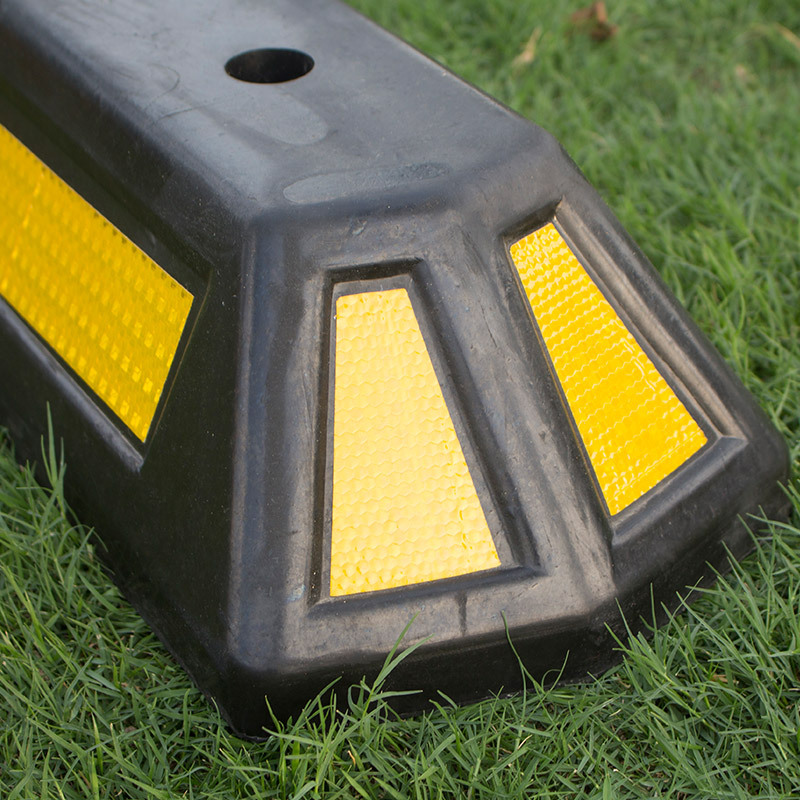
Workplace safety relies on clear visual communication, and Mirror & Sign & Tape solutions form the backbone of effective safety management systems. These essential safety components work together to create comprehensive warning systems that protect workers, visitors, and equipment in industrial environments. Understanding the proper application and benefits of these integrated safety solutions helps organizations maintain compliance while reducing accident rates and liability risks.
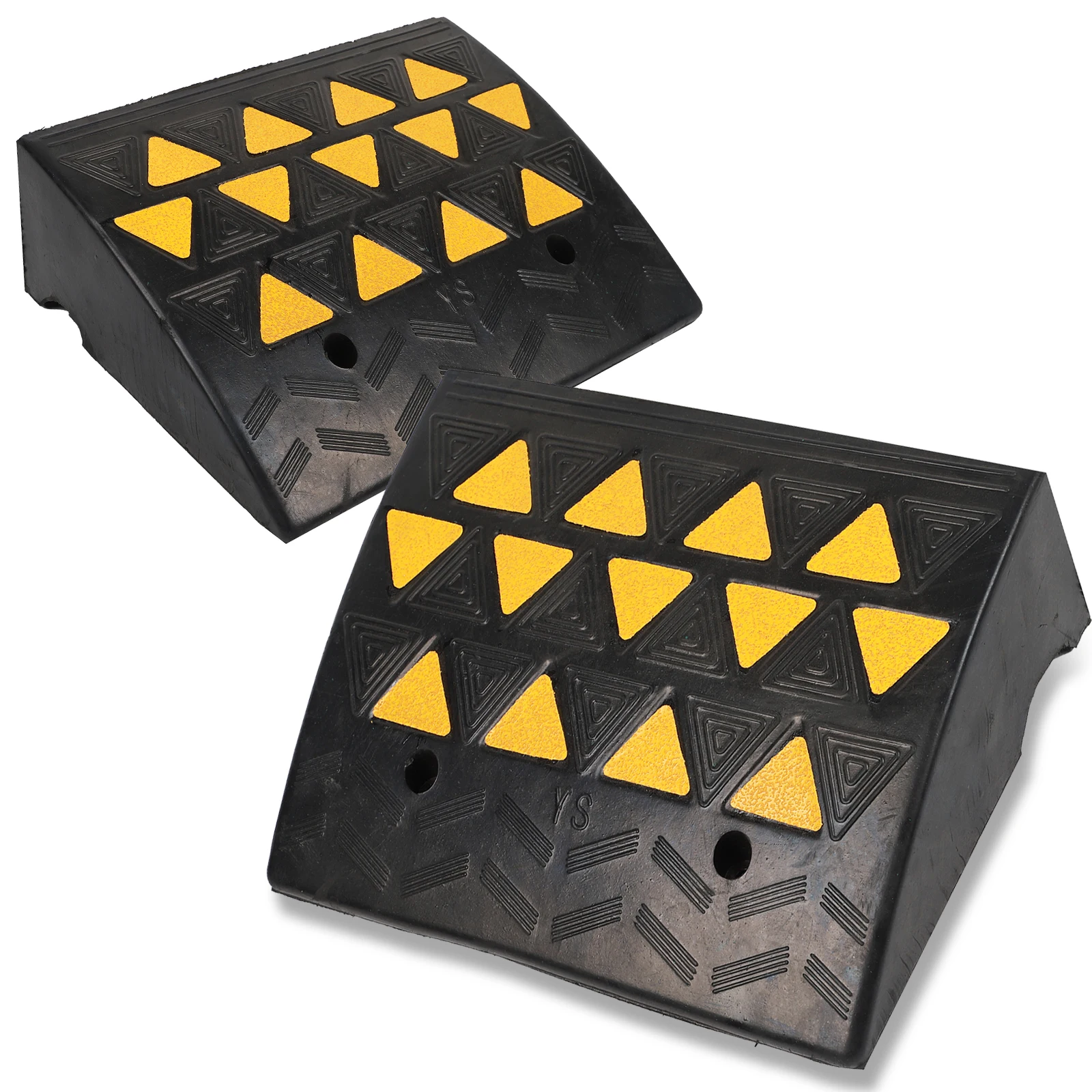
Essential Components of Modern Safety Systems
The Role of Reflective Mirrors in Industrial Safety
Convex safety mirrors eliminate blind spots in warehouses, parking garages, and manufacturing facilities where visibility is compromised. These curved reflective surfaces provide wide-angle views around corners, intersections, and loading docks where collisions frequently occur. Installing mirrors at strategic locations reduces the risk of forklift accidents and pedestrian injuries by giving operators clear sight lines of approaching traffic or obstacles.
Modern safety mirrors feature shatterproof construction using acrylic or polycarbonate materials that withstand impact without creating dangerous fragments. The reflective coating maintains clarity in various weather conditions while resisting scratches and chemical exposure common in industrial environments. Proper mounting hardware ensures mirrors remain securely positioned even when subjected to vibration from heavy machinery or vehicle traffic.
Strategic Signage for Clear Communication
Safety signage serves as the primary method of communicating hazards, procedures, and regulations to workers and visitors throughout a facility. Effective signs use standardized colors, symbols, and text to convey critical information quickly and clearly, regardless of language barriers or literacy levels. The combination of Mirror & Sign & Tape creates layered safety systems that address multiple risk factors simultaneously.
Durable sign materials resist fading, cracking, and chemical damage while maintaining legibility over extended periods. Retroreflective sign surfaces enhance visibility in low-light conditions by reflecting illumination back toward the light source, making warnings visible to equipment operators using headlights or flashlights. Strategic placement ensures signs remain visible from appropriate distances and angles for effective hazard communication.
Floor Marking Systems for Traffic Control
Yellow Tape Applications in Warehouse Safety
Yellow floor marking tape defines pedestrian walkways, equipment zones, and hazardous areas with high-visibility color coding that workers recognize instantly. This bright yellow designation alerts personnel to exercise caution when entering marked zones where special safety procedures apply. The tape creates clear boundaries between safe and restricted areas, reducing confusion and preventing unauthorized access to dangerous locations.
Industrial-grade floor tape withstands heavy foot traffic, forklift wheels, and cleaning chemicals without peeling or losing adhesion. The textured surface provides slip resistance even when wet, maintaining safety standards in environments where spills or moisture are common. Regular inspection and maintenance of Mirror & Sign & Tape installations ensures continued effectiveness and regulatory compliance.
Color-Coded Safety Standards
OSHA guidelines specify color meanings for workplace safety applications, with yellow indicating caution and physical hazards such as machinery guards, safety barriers, and low-clearance areas. Consistent color coding across all safety elements creates intuitive navigation systems that workers understand quickly without extensive training. This standardization reduces the learning curve for new employees and temporary workers who need immediate hazard awareness.
Combining yellow floor markings with complementary signage and mirrors creates comprehensive visual safety systems that address multiple sensory channels. The integration of these elements provides redundant safety measures that continue functioning even if one component fails or becomes obscured. This layered approach significantly improves overall safety performance compared to single-element solutions.
Installation and Maintenance Best Practices
Surface Preparation for Maximum Adhesion
Proper surface preparation ensures Mirror & Sign & Tape installations achieve maximum longevity and performance in demanding industrial environments. Clean concrete or metal surfaces provide optimal adhesion for floor tape, while properly sealed mounting points prevent moisture infiltration that could compromise mirror stability. Removing oil, dust, and debris before installation prevents premature failure and reduces maintenance requirements.
Temperature and humidity conditions during installation affect adhesive curing and long-term performance. Following manufacturer specifications for environmental conditions ensures tape achieves full bond strength and mirrors maintain proper alignment. Professional installation techniques include proper tensioning, air bubble elimination, and edge sealing that extends service life and maintains appearance standards.
Regular Inspection and Replacement Schedules
Systematic inspection programs identify wear patterns, damage, or fading before safety performance degrades significantly. Establishing replacement schedules based on traffic patterns and environmental exposure ensures Mirror & Sign & Tape systems maintain effectiveness throughout their service life. Documentation of inspections provides evidence of due diligence for safety audits and insurance requirements.
Preventive replacement strategies cost less than emergency repairs while avoiding safety incidents that result from failed or ineffective safety equipment. Bulk purchasing and scheduled installations reduce material costs while ensuring consistent availability of replacement components. Training maintenance staff in proper installation techniques maintains quality standards and reduces labor costs associated with frequent repairs.
Compliance and Regulatory Requirements
OSHA Standards for Visual Safety Systems
Federal regulations mandate specific safety marking requirements for industrial facilities, with detailed specifications for colors, placement, and maintenance of visual warning systems. Compliance with these standards requires understanding of applicable codes and regular updates as regulations evolve. Mirror & Sign & Tape installations must meet or exceed minimum requirements while addressing site-specific hazards and operational needs.
Documentation requirements include installation records, inspection logs, and maintenance schedules that demonstrate ongoing compliance with safety regulations. Proper record-keeping protects organizations during safety audits and provides evidence of good faith efforts to maintain safe working conditions. Regular training updates ensure staff understand current requirements and implementation procedures.
Industry-Specific Safety Applications
Different industries require specialized safety marking approaches based on unique hazards and operational characteristics. Manufacturing facilities emphasize machine guarding and pedestrian protection, while warehouses focus on traffic separation and material handling safety. Healthcare facilities require infection control considerations, and food processing plants need washdown-compatible materials that meet sanitary standards.
Customization of Mirror & Sign & Tape systems addresses industry-specific requirements while maintaining consistency with universal safety principles. Specialized materials and installation techniques accommodate extreme temperatures, chemical exposure, or sterile environments without compromising safety effectiveness. Professional consultation ensures installations meet both regulatory requirements and operational needs specific to each industry sector.
Cost-Effective Safety Investment Strategies
Return on Investment Analysis
Comprehensive safety systems generate measurable returns through reduced accident rates, lower insurance premiums, and decreased liability exposure. Quantifying these benefits helps justify investment in quality Mirror & Sign & Tape installations that provide long-term value compared to minimal solutions that require frequent replacement. Professional risk assessment identifies high-value applications where safety improvements generate maximum financial benefits.
Accident prevention saves significantly more than the cost of preventive safety measures when considering medical expenses, lost productivity, and regulatory penalties. Insurance companies often provide premium discounts for facilities that demonstrate commitment to proactive safety management through comprehensive visual warning systems. These ongoing savings offset initial installation costs while providing continuous protection against costly incidents.
Bulk Purchasing and Volume Discounts
Strategic purchasing of Mirror & Sign & Tape components reduces per-unit costs while ensuring adequate inventory for maintenance and expansion needs. Volume discounts from established suppliers provide significant savings on large installations or multi-facility deployments. Coordinating purchases across multiple locations maximizes buying power and standardizes safety systems throughout an organization.
Long-term supplier relationships provide access to technical support, training resources, and priority availability during peak demand periods. Established vendors understand specific industry requirements and can recommend optimal product combinations for various applications. These partnerships streamline procurement processes while ensuring consistent quality and compatibility across all safety system components.
FAQ
How long does industrial floor marking tape typically last in high-traffic areas
High-quality industrial floor marking tape typically lasts 2-5 years in heavy traffic areas when properly installed on prepared surfaces. Factors affecting lifespan include traffic volume, surface conditions, cleaning chemicals used, and environmental exposure. Regular inspection helps identify areas needing replacement before safety effectiveness diminishes significantly.
What maintenance schedule should be followed for safety mirrors and signage
Safety mirrors require monthly cleaning and quarterly alignment checks to maintain optimal visibility and positioning. Signage should be inspected monthly for damage, fading, or obstruction, with immediate replacement of compromised signs. Mirror & Sign & Tape systems benefit from comprehensive annual inspections by qualified safety professionals to ensure continued compliance and effectiveness.
Are there specific regulations for color coding in different industries
OSHA provides general color coding standards, but specific industries may have additional requirements through sector-specific regulations or industry best practices. Food processing, healthcare, and chemical industries often require specialized materials and color schemes beyond basic OSHA requirements. Consulting with industry safety experts ensures installations meet all applicable standards and recommendations.
What factors should be considered when designing a comprehensive visual safety system
Effective visual safety systems require analysis of traffic patterns, hazard locations, lighting conditions, and worker behavior patterns specific to each facility. Integration of Mirror & Sign & Tape components should address multiple risk factors while maintaining clear sight lines and logical navigation paths. Professional safety assessments identify optimal placement and component selection for maximum effectiveness and regulatory compliance.
Table of Contents
- Essential Components of Modern Safety Systems
- Floor Marking Systems for Traffic Control
- Installation and Maintenance Best Practices
- Compliance and Regulatory Requirements
- Cost-Effective Safety Investment Strategies
-
FAQ
- How long does industrial floor marking tape typically last in high-traffic areas
- What maintenance schedule should be followed for safety mirrors and signage
- Are there specific regulations for color coding in different industries
- What factors should be considered when designing a comprehensive visual safety system