 EN
EN

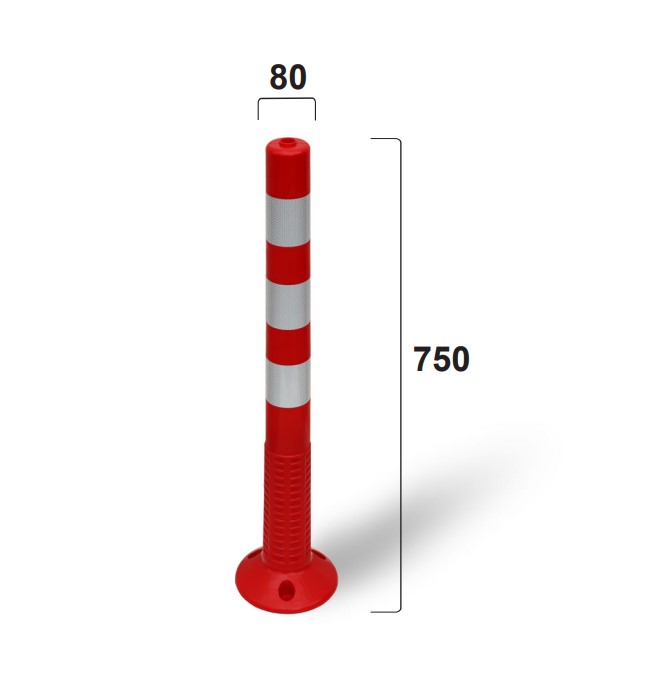
Site security has become increasingly critical in today's world, with businesses and organizations seeking reliable solutions to protect their premises from unauthorized vehicle access and potential threats. The strategic implementation of barriers requires careful consideration of various factors including material composition, design specifications, and environmental conditions. A well-designed Post & Bollard system serves as the first line of defense against vehicular intrusion while maintaining aesthetic appeal and functional accessibility. Understanding the nuances of different bollard types enables facility managers and security professionals to make informed decisions that balance protection requirements with operational needs.
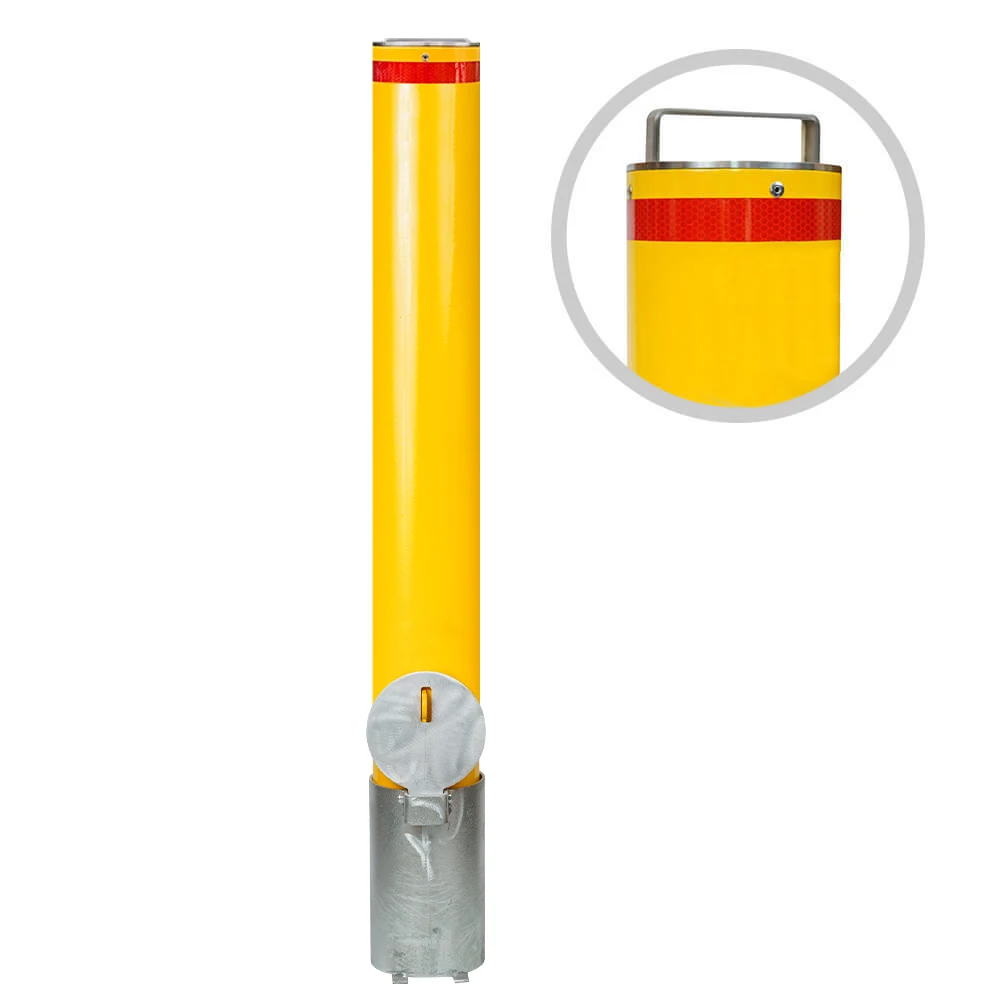
Understanding Bollard Classification Systems
Fixed Versus Removable Configurations
Fixed bollards represent the most permanent solution for perimeter security, typically installed with deep concrete foundations that provide maximum resistance to vehicle impact. These installations excel in high-security environments where consistent protection is paramount, such as government facilities, critical infrastructure sites, and commercial properties with unchanging access patterns. The Post & Bollard configuration in fixed installations often incorporates reinforced steel cores and specialized anchoring systems that distribute impact forces across wider foundation areas.
Removable bollards offer operational flexibility while maintaining security integrity when properly installed and managed. These systems utilize precision-engineered locking mechanisms that secure the bollard in place during normal operations while allowing authorized personnel to remove barriers for maintenance access or emergency vehicle passage. The engineering behind removable Post & Bollard systems requires careful attention to tolerance specifications and locking mechanism durability to prevent unauthorized removal or operational failure.
Retractable and Automatic Systems
Automatic retractable bollards represent the premium tier of vehicular access control, incorporating hydraulic or pneumatic systems that enable remote operation from security control centers. These sophisticated Post & Bollard installations require substantial initial investment but provide unmatched convenience and security responsiveness. The integration of sensors, control systems, and fail-safe mechanisms ensures reliable operation even during power outages or system malfunctions.
Manual retractable systems offer a middle ground between fixed installations and fully automatic configurations, providing operational flexibility without the complexity and maintenance requirements of powered systems. These Post & Bollard solutions typically incorporate hand-crank mechanisms or simple lifting systems that trained personnel can operate quickly when access patterns change or emergency situations arise.
Material Engineering and Performance Characteristics
Steel Construction Advantages
Steel remains the preferred material for high-security Post & Bollard installations due to its exceptional strength-to-weight ratio and predictable failure characteristics under extreme impact conditions. Modern steel bollards utilize advanced metallurgy including high-strength low-alloy compositions that provide superior impact resistance while maintaining workability during manufacturing and installation processes. The selection of appropriate steel grades considers factors such as yield strength, ultimate tensile strength, and impact toughness requirements.
Hollow steel construction offers weight advantages and material cost savings while maintaining structural integrity through optimized wall thickness and internal reinforcement strategies. Solid steel Post & Bollard configurations provide maximum impact resistance but require careful consideration of installation logistics and foundation requirements due to increased weight and material costs.
Concrete and Composite Alternatives
Reinforced concrete bollards provide cost-effective solutions for applications where aesthetic considerations outweigh maximum security requirements. These Post & Bollard installations often incorporate decorative finishes and architectural treatments that blend seamlessly with surrounding landscapes while providing substantial vehicle stopping power. The casting process allows for complex geometries and integrated mounting features that simplify installation procedures.
Advanced composite materials including fiber-reinforced polymers offer unique advantages in corrosive environments or applications requiring non-conductive properties. These specialized Post & Bollard materials provide excellent durability in marine environments, chemical processing facilities, or areas with high electromagnetic interference requirements while maintaining competitive strength characteristics.
Protective Coating Systems and Longevity
Galvanization and Zinc Protection
Hot-dip galvanization represents the gold standard for Post & Bollard corrosion protection, providing sacrificial zinc coating that prevents steel substrate oxidation for decades under normal environmental conditions. The galvanization process creates metallurgical bonds between zinc and steel surfaces that resist mechanical damage and provide self-healing properties when minor coating damage occurs. Proper surface preparation and coating thickness control ensure maximum service life and aesthetic retention.
Zinc-rich primer systems offer cost-effective alternatives to hot-dip galvanization while providing excellent corrosion protection for Post & Bollard installations in moderate environmental conditions. These coating systems require careful application procedures and quality control measures to achieve specified performance standards, but offer advantages in field repair and maintenance situations where re-galvanization is impractical.
Powder Coating and Aesthetic Considerations
Powder coating technology enables Post & Bollard installations to achieve both corrosion protection and aesthetic customization through a wide range of color options and texture finishes. The electrostatic application process creates uniform coating thickness and excellent adhesion properties that resist chipping, fading, and weathering under normal service conditions. Proper surface preparation and curing procedures ensure maximum coating performance and appearance retention.
Specialized coating systems including anti-graffiti treatments and high-visibility reflective finishes address specific operational requirements while maintaining underlying corrosion protection. These Post & Bollard coating options often incorporate multiple layers with distinct functional properties that work together to provide comprehensive protection and enhanced operational characteristics.
Installation Methodologies and Foundation Requirements
Surface Mounting Strategies
Surface-mounted Post & Bollard installations offer advantages in situations where subsurface utilities, shallow bedrock, or existing pavement conditions preclude traditional in-ground installation methods. These mounting systems utilize heavy-duty base plates and expansion anchor systems that distribute loads across wider areas while maintaining structural integrity under impact conditions. Proper base plate design considers both static and dynamic loading conditions to ensure adequate safety margins.
The engineering of surface-mounted systems requires careful analysis of substrate conditions and load transfer mechanisms to achieve specified performance levels. Post & Bollard surface installations often incorporate reinforced concrete pads or structural steel framework to enhance load distribution and improve impact resistance characteristics.
Deep Foundation Systems
In-ground installations provide maximum impact resistance and aesthetic integration through deep foundation systems that extend well below frost lines and distribute impact forces into surrounding soil structures. These Post & Bollard installations typically require excavation depths of three to four feet depending on soil conditions, local climate factors, and specified impact resistance requirements. Proper backfill materials and compaction procedures ensure long-term stability and performance consistency.
Advanced foundation systems may incorporate reinforced concrete collars, steel reinforcement cages, or specialized backfill materials that enhance load transfer and prevent settlement or shifting under normal service conditions. The selection of appropriate foundation strategies considers soil bearing capacity, drainage requirements, and local building code specifications to ensure compliant and durable Post & Bollard installations.
Security Performance Standards and Testing
Impact Rating Classifications
Standardized impact testing protocols ensure Post & Bollard systems meet specified security performance requirements under controlled conditions that simulate real-world vehicle impact scenarios. These testing procedures evaluate factors including penetration distance, debris generation, and structural integrity following impact events at various vehicle speeds and masses. Understanding these performance classifications enables specifiers to select appropriate products for specific threat levels and security requirements.
The development of performance standards considers both the kinetic energy of impacting vehicles and the operational requirements of protected facilities. Post & Bollard systems undergo rigorous testing that evaluates not only stopping power but also failure modes and debris characteristics that could affect nearby personnel or property during impact events.
Certification and Compliance Requirements
Third-party certification programs provide independent verification of Post & Bollard performance claims through standardized testing protocols and quality assurance procedures. These certification systems ensure consistent performance across different manufacturers and installation conditions while providing specifiers with reliable performance data for system selection and specification development. Compliance with recognized standards also facilitates insurance approvals and regulatory acceptance in sensitive applications.
Ongoing compliance monitoring and periodic recertification ensure Post & Bollard systems maintain specified performance levels throughout their service lives. These quality assurance programs often include field inspections, maintenance protocol verification, and performance monitoring that identify potential issues before they compromise security effectiveness.
Environmental Considerations and Sustainability
Climate Resilience Factors
Climate conditions significantly impact Post & Bollard performance and longevity, requiring careful consideration of temperature extremes, moisture exposure, and seasonal cycling effects during system selection and specification. Materials engineering must account for thermal expansion coefficients, freeze-thaw cycling, and UV exposure that can degrade performance over time. Proper material selection and protective treatments ensure consistent operation across diverse environmental conditions.
Coastal and marine environments present unique challenges for Post & Bollard installations due to salt exposure, high humidity, and accelerated corrosion conditions. Specialized material treatments and coating systems provide enhanced protection in these demanding environments while maintaining aesthetic appeal and operational reliability throughout extended service periods.
Sustainable Manufacturing Practices
Modern manufacturing processes increasingly emphasize sustainability and environmental responsibility in Post & Bollard production through material recycling, energy-efficient processes, and waste minimization strategies. The use of recycled steel content and environmentally friendly coating systems reduces environmental impact while maintaining product performance and reliability standards. These sustainable practices often provide additional benefits including cost savings and regulatory compliance advantages.
End-of-life considerations for Post & Bollard systems include material recovery potential and disposal requirements that minimize environmental impact when systems reach replacement time. Design for disassembly principles facilitate component separation and material recovery while reducing landfill waste and supporting circular economy principles in infrastructure development.
Cost-Benefit Analysis and Lifecycle Considerations
Initial Investment Evaluation
The total cost of ownership for Post & Bollard systems extends well beyond initial purchase prices to include installation costs, maintenance requirements, and operational considerations throughout the system lifecycle. Comprehensive cost analysis considers factors such as site preparation requirements, utility relocations, and ongoing maintenance schedules that significantly impact long-term financial commitments. Higher initial investments in quality materials and professional installation often provide substantial savings through reduced maintenance costs and extended service life.
Value engineering approaches balance performance requirements with budget constraints through careful selection of materials, coatings, and installation methods that optimize cost-effectiveness without compromising security objectives. Post & Bollard system specifications benefit from early collaboration between security professionals, architects, and cost estimators to identify optimal solutions for specific applications and budget parameters.
Maintenance and Replacement Planning
Proactive maintenance programs significantly extend Post & Bollard service life while maintaining optimal security performance and aesthetic appearance throughout the system lifecycle. These programs typically include periodic inspections, coating touch-ups, mechanical system servicing, and component replacement schedules based on manufacturer recommendations and field experience. Documentation of maintenance activities provides valuable data for lifecycle planning and warranty claim support.
Replacement planning considerations include evolving security threats, changing operational requirements, and advancing technology that may warrant system upgrades or modifications. Strategic replacement timing can leverage technological improvements while minimizing operational disruption and maximizing return on investment for Post & Bollard installations.
FAQ
What factors determine the appropriate Post & Bollard material selection for different security applications
Material selection depends primarily on threat level assessment, environmental conditions, and operational requirements. Steel provides maximum impact resistance for high-security applications, while concrete offers cost-effectiveness for moderate threat environments. Composite materials excel in corrosive conditions or where non-conductive properties are required. Consider factors such as vehicle impact speeds, environmental exposure, maintenance accessibility, and aesthetic requirements when selecting Post & Bollard materials for specific installations.
How do coating systems affect the long-term performance and maintenance requirements of security bollards
Protective coatings significantly extend service life by preventing corrosion and maintaining structural integrity under environmental exposure. Hot-dip galvanization provides superior longevity in harsh conditions, while powder coating offers aesthetic customization with good corrosion protection. Proper coating selection based on environmental conditions and maintenance capabilities can extend Post & Bollard service life by decades while reducing ongoing maintenance costs and preserving security effectiveness.
What installation methods provide the best balance of security performance and cost-effectiveness
In-ground installations typically provide optimal impact resistance and cost-effectiveness for permanent applications, while surface mounting offers advantages where subsurface conditions are challenging. The choice between fixed and removable configurations depends on operational flexibility requirements and security threat levels. Post & Bollard installation success depends more on proper foundation engineering and installation quality than on specific mounting methods, making professional installation critical regardless of chosen approach.
How do environmental conditions influence bollard specification and performance expectations
Environmental factors including temperature extremes, moisture exposure, chemical contamination, and UV radiation significantly impact material selection and coating requirements. Coastal environments require enhanced corrosion protection, while areas with temperature cycling need materials that accommodate thermal expansion. Post & Bollard specifications must account for local climate conditions, soil characteristics, and exposure levels to ensure reliable long-term performance and minimize maintenance requirements throughout the system lifecycle.
Table of Contents
- Understanding Bollard Classification Systems
- Material Engineering and Performance Characteristics
- Protective Coating Systems and Longevity
- Installation Methodologies and Foundation Requirements
- Security Performance Standards and Testing
- Environmental Considerations and Sustainability
- Cost-Benefit Analysis and Lifecycle Considerations
-
FAQ
- What factors determine the appropriate Post & Bollard material selection for different security applications
- How do coating systems affect the long-term performance and maintenance requirements of security bollards
- What installation methods provide the best balance of security performance and cost-effectiveness
- How do environmental conditions influence bollard specification and performance expectations