 EN
EN

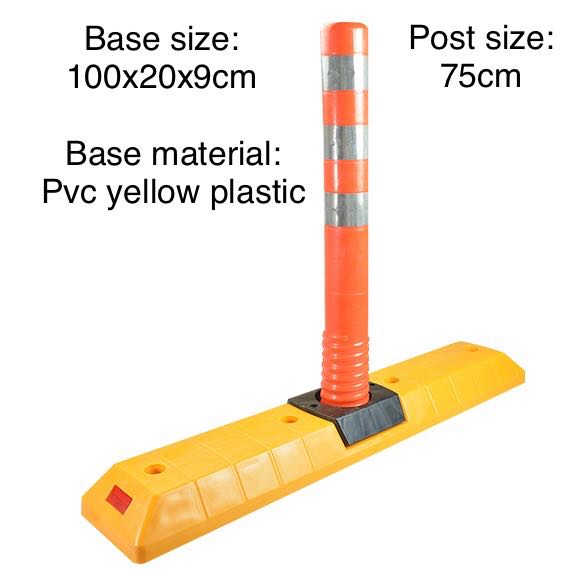
Effective crowd management and work zone safety represent critical challenges for event organizers, construction companies, and municipal authorities worldwide. The implementation of strategic barrier systems has emerged as a fundamental solution for controlling pedestrian flow, protecting workers, and maintaining organized traffic patterns during temporary installations. These versatile safety tools serve multiple functions across diverse applications, from large-scale public events to highway construction projects, demonstrating their essential role in modern safety management protocols.
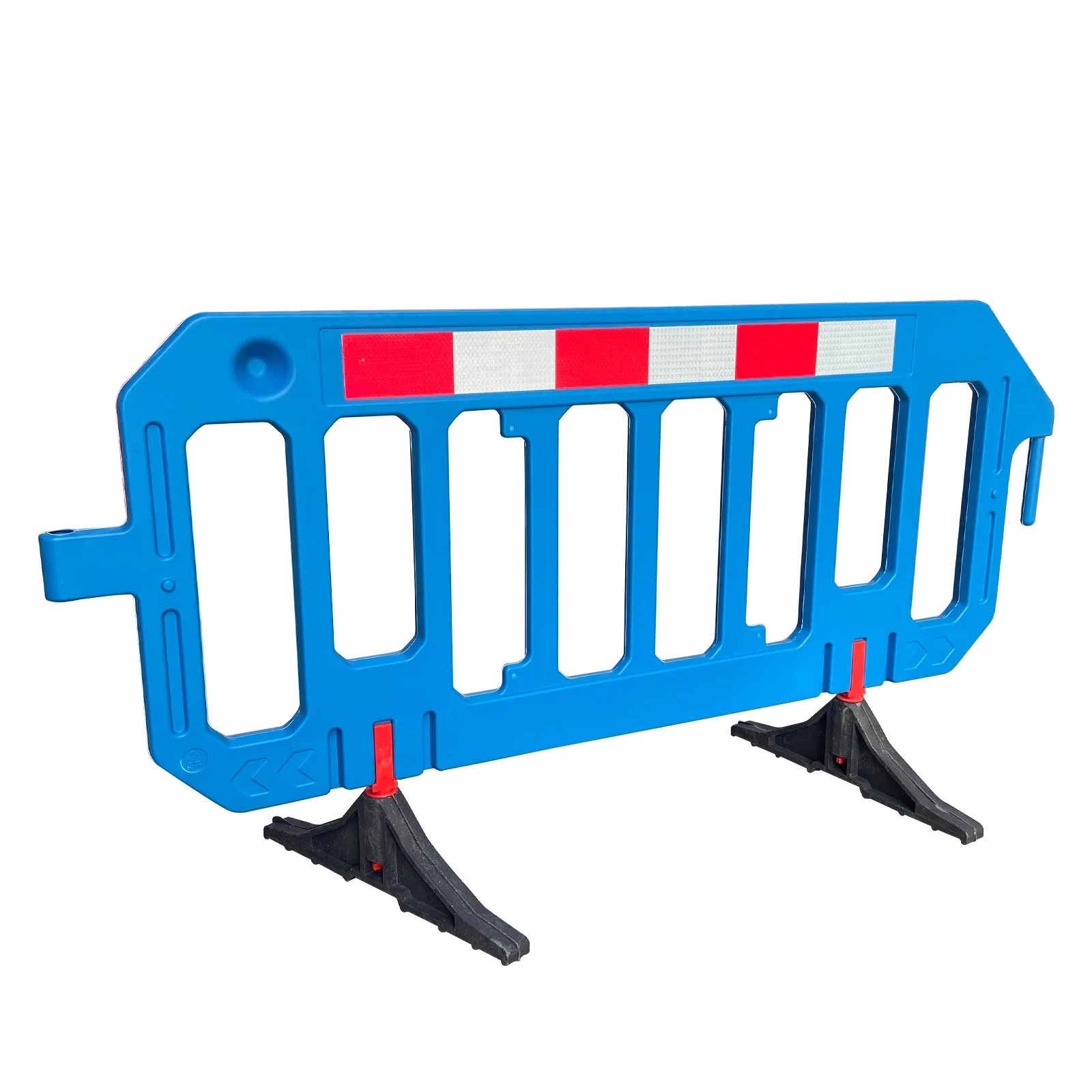
The strategic deployment of barrier systems requires careful consideration of environmental factors, crowd dynamics, and regulatory compliance standards. Professional safety managers must evaluate site-specific requirements, anticipated traffic volumes, and emergency access protocols when designing comprehensive barrier layouts. Modern barrier solutions incorporate advanced materials and modular designs that facilitate rapid deployment while maintaining structural integrity under various weather conditions and impact scenarios.
Understanding the diverse applications and technical specifications of barrier systems enables organizations to make informed decisions regarding safety investments. The following comprehensive analysis explores the multifaceted roles these protective installations play in contemporary safety management, examining their implementation strategies, regulatory requirements, and operational benefits across different industry sectors.
Understanding Traffic Barrier Applications in Work Zone Safety
Construction Site Protection and Worker Safety
Construction environments present unique safety challenges that require robust barrier solutions to protect workers from vehicular traffic and unauthorized site access. Highway maintenance projects, in particular, demand specialized barrier configurations that create secure work zones while maintaining traffic flow efficiency. The placement of barrier systems along construction perimeters establishes clear boundaries between active work areas and public spaces, reducing the risk of accidents and ensuring compliance with occupational safety regulations.
Modern construction barrier installations incorporate reflective materials and warning devices that enhance visibility during nighttime operations. These enhanced barrier systems feature modular connectivity options that allow for rapid reconfiguration as work zones expand or contract throughout project phases. The integration of weighted bases and interlocking mechanisms ensures barrier stability even in high-wind conditions or when subjected to minor vehicle impacts.
Professional contractors increasingly rely on barrier systems that meet Department of Transportation specifications for temporary traffic control devices. These certified products undergo rigorous testing to verify their crashworthiness ratings and structural performance under simulated impact conditions. The selection of appropriate barrier heights, materials, and anchoring systems directly impacts worker safety outcomes and project liability considerations.
Highway Maintenance and Emergency Response
Emergency roadway repairs and routine maintenance activities require immediate barrier deployment to protect crews working in live traffic environments. Mobile barrier units enable rapid response capabilities for incident management teams, allowing for quick establishment of protective work zones during accident investigations or emergency repairs. The portability and ease of deployment associated with modern barrier designs significantly reduce setup times while maximizing worker protection levels.
State transportation departments maintain extensive inventories of barrier systems specifically designed for highway applications. These specialized units feature enhanced durability characteristics and standardized mounting systems that facilitate interchangeability across different maintenance vehicles. The implementation of GPS tracking systems on mobile barrier units enables efficient resource allocation and recovery following emergency deployments.
Regulatory compliance requirements mandate specific barrier configurations for different types of highway work zones. Federal Highway Administration guidelines establish minimum barrier heights, spacing requirements, and retroreflectivity standards that must be maintained throughout project durations. Documentation of barrier installations and maintenance activities forms an essential component of project safety records and regulatory audit compliance.
Event Management and Crowd Control Applications
Festival and Concert Venue Organization
Large-scale public events require sophisticated barrier systems to manage crowd movement, establish secure perimeters, and facilitate emergency evacuation procedures. Music festivals, sporting events, and cultural celebrations depend on strategic barrier placement to create organized entry points, designated viewing areas, and controlled access zones. The modular nature of contemporary barrier systems allows event organizers to customize layouts according to venue specifications and anticipated attendance levels.
Professional event planners utilize barrier configurations to establish clear sight lines for security personnel while maintaining aesthetic appeal appropriate for public gatherings. Barrier systems designed for event applications often incorporate branding opportunities and decorative elements that enhance the overall attendee experience. The integration of portable lighting systems and communication equipment within barrier installations supports comprehensive event management operations.
Crowd dynamics research has demonstrated the critical importance of barrier spacing and configuration in preventing dangerous crowd compression scenarios. Event safety professionals must consider pedestrian flow rates, exit capacity calculations, and emergency response accessibility when designing barrier layouts. The implementation of curved barrier sections and gradual transitions helps maintain smooth crowd movement patterns while preventing bottleneck formations.
Public Safety and Security Applications
Security-focused barrier installations serve essential roles in protecting public spaces from vehicular attacks and unauthorized access attempts. Government facilities, airports, and critical infrastructure sites employ barrier systems as primary components of comprehensive security strategies. These specialized installations often incorporate anti-ram capabilities and blast-resistant features that exceed standard traffic control specifications.
Law enforcement agencies utilize portable barrier systems for crowd control during protests, parades, and other public demonstrations. The rapid deployment capabilities of modern barrier designs enable police departments to establish secure perimeters and control points with minimal advance notice. Training programs for law enforcement personnel include proper barrier installation techniques and safety protocols for high-stress deployment scenarios.
Municipal authorities integrate barrier systems into emergency preparedness plans for natural disaster response and evacuation procedures. Pre-positioned barrier inventories enable rapid establishment of traffic control measures during hurricane evacuations or flood response operations. The standardization of barrier specifications across emergency management agencies facilitates mutual aid agreements and resource sharing during large-scale incidents.
Technical Specifications and Material Considerations
Material Properties and Durability Standards
Contemporary barrier manufacturing utilizes advanced polymer compounds and recycled materials that provide superior weather resistance and impact absorption characteristics. High-density polyethylene formulations offer excellent UV stability and chemical resistance, ensuring long-term performance in outdoor applications. The incorporation of impact modifiers and stabilizing additives enhances barrier durability while maintaining lightweight portability for manual handling operations.
Steel-reinforced barrier designs combine the flexibility of polymer materials with the structural strength required for high-impact applications. These hybrid constructions feature internal steel frameworks that provide enhanced crash resistance while maintaining the corrosion resistance benefits of polymer outer shells. The modular connection systems employed in steel-reinforced barriers enable rapid assembly of extended barrier runs without compromising structural integrity.
Environmental sustainability considerations increasingly influence barrier material selection and manufacturing processes. Recycled content requirements and end-of-life recyclability factors drive innovation in barrier design and material formulation. Life cycle assessment studies demonstrate the environmental advantages of durable barrier systems compared to frequent replacement of lower-quality alternatives.
Installation Methods and Anchoring Systems
Proper barrier installation techniques directly impact system performance and safety effectiveness across all application scenarios. Ground conditions, wind loads, and anticipated impact forces must be evaluated to determine appropriate anchoring requirements for temporary installations. Surface-mounted systems utilize weighted bases or mechanical fasteners, while permanent installations may require concrete footings or embedded anchor points.
Interlocking connection mechanisms enable the creation of continuous barrier runs that distribute impact forces across multiple units. These engineered connection systems prevent gap formation during minor impacts while allowing for controlled separation under extreme loading conditions. The standardization of connection interfaces facilitates compatibility between different barrier manufacturers and simplifies inventory management for large installations.
Installation crews require specialized training to ensure proper barrier placement and connection procedures. Safety protocols for barrier installation operations include personal protective equipment requirements, lifting techniques, and traffic control measures during placement activities. Documentation of installation procedures and inspection records forms an essential component of quality assurance programs and liability protection strategies.
Regulatory Compliance and Safety Standards
Federal and State Regulations
Barrier installations must comply with comprehensive regulatory frameworks established by federal agencies and state transportation departments. The Manual on Uniform Traffic Control Devices provides detailed specifications for barrier applications in work zones and temporary traffic control scenarios. These regulations establish minimum performance criteria, installation procedures, and marking requirements that ensure consistent safety standards across jurisdictions.
Occupational Safety and Health Administration standards mandate specific barrier requirements for construction site safety and worker protection applications. These regulations address barrier heights, structural integrity, and placement guidelines that protect workers from fall hazards and vehicular traffic. Regular inspection and maintenance requirements ensure continued compliance throughout project durations.
State-specific regulations may impose additional requirements for barrier installations within their jurisdictions. Local building codes and zoning ordinances can influence barrier specifications for event applications and temporary installations. Professional safety managers must maintain current knowledge of applicable regulations and ensure compliance documentation for all barrier deployments.
Industry Certification and Testing Standards
Third-party testing organizations conduct comprehensive evaluations of barrier systems to verify compliance with industry performance standards. Crash testing protocols simulate real-world impact scenarios to assess barrier performance under controlled conditions. These standardized testing procedures provide objective data for comparing different barrier designs and materials across various impact velocities and angles.
Professional certification programs for barrier installation technicians ensure proper deployment techniques and safety protocol adherence. These training initiatives cover material handling procedures, connection methods, and quality control inspections that maximize barrier effectiveness. Certified installation crews demonstrate competency in barrier placement across different environmental conditions and application scenarios.
Quality assurance programs implemented by barrier manufacturers include material testing, dimensional verification, and performance validation procedures. These comprehensive quality systems ensure consistent product specifications and performance characteristics across production batches. Traceability documentation enables rapid identification and resolution of any quality issues that may arise during field operations.
Cost-Effectiveness and Return on Investment Analysis
Initial Investment and Operational Costs
The economic evaluation of barrier system investments requires consideration of initial purchase costs, installation expenses, and long-term maintenance requirements. Durable barrier designs may command higher upfront costs but demonstrate superior value propositions through extended service lives and reduced replacement frequencies. Life cycle cost analysis provides objective frameworks for comparing different barrier options across various application scenarios.
Rental versus purchase decisions depend on utilization frequencies, storage capabilities, and project duration factors. Organizations with frequent barrier requirements often benefit from ownership strategies that eliminate recurring rental costs and ensure equipment availability. Conversely, occasional users may find rental arrangements more cost-effective while avoiding storage and maintenance responsibilities.
Transportation and logistics costs represent significant components of barrier deployment expenses, particularly for large installations or remote project sites. Modular barrier designs that maximize shipping densities and minimize handling requirements can substantially reduce overall project costs. The integration of transportation planning into barrier selection processes optimizes total cost of ownership across the equipment lifecycle.
Insurance and Liability Considerations
Proper barrier installation and maintenance directly impacts insurance coverage and liability exposure for organizations conducting work zone or event management operations. Insurance providers often offer premium reductions for organizations that demonstrate comprehensive safety programs including certified barrier systems. Documentation of barrier specifications, installation procedures, and maintenance records supports insurance claims and legal defense strategies.
Risk management professionals evaluate barrier system performance histories and certification status when assessing organizational liability exposures. Third-party testing data and manufacturer warranties provide additional protection against product liability claims. The selection of barrier systems with documented performance records and comprehensive insurance coverage protects organizations from potential legal challenges.
Professional liability insurance requirements may mandate specific barrier specifications for certain types of projects or applications. Contractual obligations often include minimum barrier performance criteria and installation standards that must be met to maintain coverage validity. Regular review of insurance requirements and barrier specifications ensures continued compliance with evolving industry standards and risk management practices.
Future Innovations and Technology Integration
Smart Barrier Systems and Monitoring Technologies
Emerging technologies are revolutionizing barrier system capabilities through the integration of sensors, communication systems, and automated monitoring features. Smart barrier installations can detect impact events, monitor structural integrity, and transmit real-time status information to central control systems. These advanced capabilities enable proactive maintenance scheduling and immediate response to barrier damage or displacement events.
Internet of Things connectivity allows barrier systems to integrate with broader traffic management and security monitoring networks. Real-time data collection from barrier sensors supports traffic flow optimization, incident detection, and emergency response coordination. The development of standardized communication protocols facilitates interoperability between different barrier manufacturers and monitoring systems.
Artificial intelligence applications in barrier management include predictive maintenance algorithms, optimal placement recommendations, and automated deployment scheduling. Machine learning systems analyze historical performance data to identify patterns and optimize barrier configurations for specific applications. These intelligent systems reduce operational costs while improving safety outcomes through data-driven decision making processes.
Sustainable Materials and Environmental Impact
Environmental sustainability initiatives are driving innovation in barrier materials and manufacturing processes. Bio-based polymers and recycled content formulations reduce environmental impacts while maintaining performance characteristics required for safety applications. Life cycle assessment methodologies guide material selection decisions and support carbon footprint reduction goals across the barrier industry.
Circular economy principles influence barrier design strategies that prioritize end-of-life recyclability and material recovery opportunities. Modular construction techniques facilitate component replacement and refurbishment programs that extend barrier service lives. Take-back programs offered by manufacturers ensure responsible disposal and material recovery when barriers reach end-of-service conditions.
Green building certification programs increasingly recognize barrier systems that meet sustainability criteria and environmental performance standards. These certifications provide competitive advantages for contractors and event organizers pursuing environmentally responsible project approaches. Integration of sustainable barrier systems supports broader organizational sustainability goals and stakeholder environmental commitments.
FAQ
What are the key factors to consider when selecting barriers for work zone applications?
The selection of barriers for work zone applications requires careful evaluation of several critical factors including traffic speed and volume, project duration, weather conditions, and regulatory compliance requirements. Highway work zones typically require barriers that meet Department of Transportation crashworthiness standards and provide adequate worker protection from vehicular traffic. Consider barrier height, impact resistance, visibility features, and connection methods that ensure structural integrity throughout the project duration. Additionally, evaluate installation and removal efficiency, storage requirements, and compatibility with existing traffic control equipment to optimize operational effectiveness.
How do barrier systems enhance safety during large public events?
Barrier systems enhance public event safety by establishing controlled access points, managing crowd flow patterns, and creating secure perimeters that prevent unauthorized access to restricted areas. Strategic barrier placement helps prevent dangerous crowd compression situations while facilitating emergency evacuation procedures. Modern event barriers often incorporate crowd management features such as curved sections that promote natural flow patterns and integrated communication systems that support security operations. The modular design of contemporary barrier systems allows event organizers to customize configurations based on venue layout, expected attendance, and specific security requirements.
What maintenance requirements are necessary to ensure barrier system effectiveness?
Effective barrier system maintenance includes regular inspections to identify damage, wear patterns, and connection integrity issues that could compromise safety performance. Cleaning procedures remove debris and contaminants that may affect visibility or structural components. Documentation of inspection findings, repair activities, and replacement schedules supports quality assurance programs and regulatory compliance requirements. Proper storage practices protect barriers from UV degradation and environmental damage when not in use. Additionally, maintaining adequate spare parts inventory and establishing relationships with qualified repair services ensures rapid restoration of damaged barrier systems.
Are there specific training requirements for personnel installing barrier systems?
Professional barrier installation requires specialized training that covers proper handling techniques, connection procedures, and safety protocols specific to different application scenarios. Many organizations implement certification programs that verify personnel competency in barrier placement, quality control inspections, and emergency removal procedures. Training curricula typically include material properties, regulatory requirements, and risk assessment methodologies that ensure safe and compliant installations. Additionally, personnel working in traffic environments must complete traffic control certification programs that address work zone safety, personal protective equipment, and communication protocols with traffic management authorities.
Table of Contents
- Understanding Traffic Barrier Applications in Work Zone Safety
- Event Management and Crowd Control Applications
- Technical Specifications and Material Considerations
- Regulatory Compliance and Safety Standards
- Cost-Effectiveness and Return on Investment Analysis
- Future Innovations and Technology Integration
-
FAQ
- What are the key factors to consider when selecting barriers for work zone applications?
- How do barrier systems enhance safety during large public events?
- What maintenance requirements are necessary to ensure barrier system effectiveness?
- Are there specific training requirements for personnel installing barrier systems?