 EN
EN

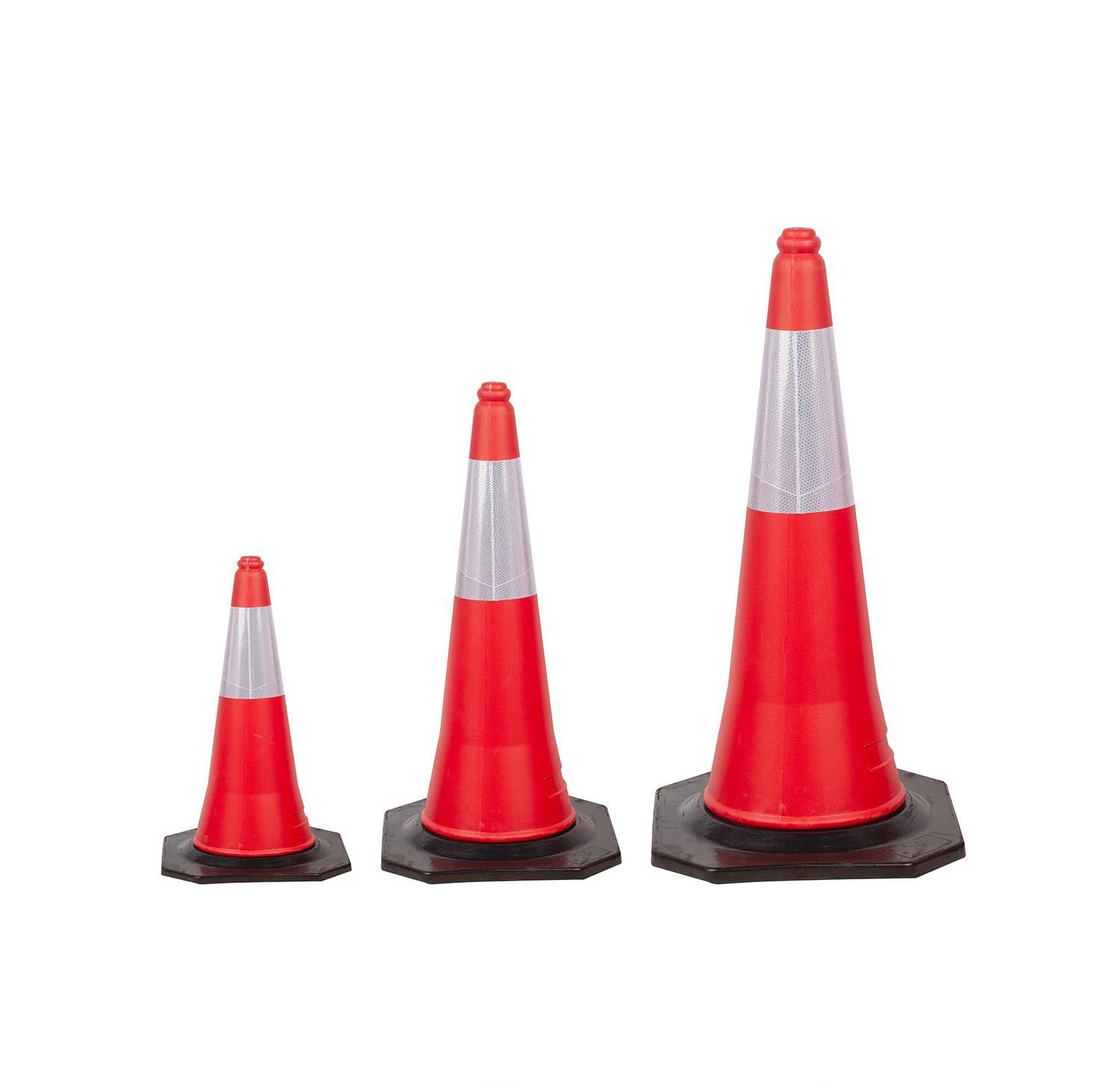
Selecting the appropriate traffic cone for road construction, maintenance, and safety applications requires careful consideration of multiple factors including road speed limits, environmental conditions, and regulatory requirements. A properly chosen traffic cone serves as a critical safety barrier that protects both workers and motorists while ensuring compliance with local transportation authority standards. Understanding the relationship between cone specifications, color requirements, and speed-related applications enables facility managers, construction supervisors, and traffic control coordinators to make informed decisions that enhance workplace safety and operational efficiency.
Understanding Traffic Cone Height Classifications for Different Road Speeds
Low Speed Zone Applications
In low-speed environments such as parking lots, residential streets, and construction zones with speed limits under 25 mph, shorter traffic cone models typically ranging from 12 to 18 inches provide adequate visibility and warning capability. These compact traffic cone designs offer sufficient presence for pedestrian areas, school zones, and temporary work sites where vehicle speeds remain minimal. The reduced height requirements in these applications allow for easier handling and storage while maintaining the necessary safety standards for slow-moving traffic patterns.
Manufacturing specifications for low-speed traffic cone applications often emphasize flexibility and durability over maximum visibility distance. These cones frequently feature weighted bases designed to withstand light wind conditions and minor vehicle contact without causing damage to either the cone or the vehicle. The material composition typically includes high-density polyethylene or similar polymers that provide excellent weather resistance and UV stability for extended outdoor exposure in controlled traffic environments.
Medium Speed Road Requirements
Medium-speed roadways operating between 25 and 45 mph require traffic cone heights ranging from 28 to 36 inches to ensure adequate advance warning for approaching drivers. These intermediate-sized cones provide enhanced visibility distance necessary for vehicles traveling at moderate speeds while maintaining manageable weight and portability for field personnel. The increased height specification directly correlates with stopping distance requirements and driver reaction time calculations established by transportation engineering standards.
Design considerations for medium-speed traffic cone applications include enhanced retroreflective banding, typically featuring multiple white reflective stripes positioned at strategic intervals to maximize nighttime visibility. The cone profile often incorporates a broader base diameter to improve stability in moderate wind conditions and resist displacement from air turbulence created by passing vehicles. Material specifications emphasize impact resistance and shape recovery properties to maintain effectiveness after minor collisions or stress events.
High Speed Highway Applications
Highway and interstate applications requiring traffic cone deployment in zones with speed limits exceeding 45 mph mandate the use of full-size 36-inch or taller cones to provide adequate advance warning for high-speed traffic. These maximum-height specifications ensure visibility distances appropriate for vehicle speeds that may reach 70 mph or higher, accounting for extended stopping distances and reduced reaction time available to drivers. The substantial height requirement directly supports traffic control device visibility standards established by federal and state transportation authorities.
High-speed traffic cone designs incorporate advanced retroreflective materials and multiple reflective band configurations to maximize visibility under various lighting conditions. The structural engineering of these cones emphasizes wind resistance capabilities and weighted base systems designed to maintain position despite significant air displacement from high-speed vehicles. Premium materials including virgin polyethylene and specialized UV inhibitors ensure long-term performance and color retention under harsh highway environmental conditions.
Color Coding Systems and Regulatory Compliance Standards
Standard Orange Traffic Cone Applications
The traditional bright orange traffic cone remains the most widely recognized and accepted color standard for general construction, maintenance, and temporary traffic control applications across most jurisdictions. This distinctive fluorescent orange coloration provides optimal visibility during daylight hours and serves as the universal indicator for construction zones, lane closures, and temporary hazard marking. Federal regulations and state transportation departments typically specify orange as the primary color choice for highway work zones and public road construction projects.
Manufacturing standards for orange traffic cone production require specific color specifications measured using standardized colorimetric values to ensure consistency across different suppliers and production batches. The orange pigmentation must maintain color stability and resist fading when exposed to prolonged sunlight, extreme temperatures, and various weather conditions. Quality control processes verify that each traffic cone meets prescribed color tolerance ranges that ensure uniform appearance and recognition by motorists familiar with standard traffic control device conventions.
Specialized Color Requirements for Specific Industries
Certain industries and applications require traffic cone colors beyond the standard orange specification to indicate specific hazards or operational conditions. Blue traffic cone models serve emergency services, law enforcement, and special event management where temporary traffic control requires differentiation from construction-related activities. Yellow traffic cone options provide visibility for utility work, airport ground operations, and industrial facility applications where orange cones might conflict with existing safety color coding systems.
White traffic cone designs find application in parking lot management, event organization, and indoor facility management where high contrast against dark surfaces enhances visibility and organization. Green traffic cone variants serve specialized environmental applications, recycling operations, and facilities where color-coded systems differentiate between various operational zones or safety protocols. Each color specification maintains the same retroreflective performance standards and structural durability requirements as traditional orange models while providing visual differentiation for specific operational requirements.
Reflective Banding and Visibility Enhancement Features
Modern traffic cone designs incorporate advanced retroreflective banding systems that significantly enhance nighttime and low-light visibility regardless of base color selection. These reflective bands typically utilize prismatic or glass bead technology that returns light directly to its source, creating bright illumination when vehicle headlights strike the traffic cone surface. Standard configurations feature multiple horizontal bands positioned at strategic heights to maximize visibility from various vehicle approach angles and distances.
Premium traffic cone models may include additional reflective enhancements such as full-body reflective coating, LED lighting systems, or specialized retroreflective materials that provide superior performance under challenging visibility conditions. The reflective band width, spacing, and material grade directly impact the cone's effectiveness in nighttime applications and adverse weather conditions including fog, rain, or snow. Regulatory compliance requires that reflective materials meet specific photometric performance standards measured in candelas per lux per square meter to ensure consistent visibility characteristics.
Base Weight and Stability Considerations for Different Environments
Rubber Base Systems for Permanent and Semi-Permanent Applications
Heavy-duty rubber base traffic cone designs provide superior stability for applications requiring extended deployment periods or challenging environmental conditions including high winds, heavy traffic, or uneven surfaces. These weighted base systems typically add 8 to 15 pounds to the overall traffic cone weight, significantly improving resistance to displacement while maintaining the flexibility to absorb impact without damage. The rubber base construction offers excellent grip on various surface types including asphalt, concrete, gravel, and painted roadway markings.
Integrated rubber base traffic cone models eliminate the need for separate weighted rings or sandbags, reducing setup time and improving deployment efficiency for field crews. The molded rubber base design distributes weight evenly around the cone perimeter, lowering the center of gravity and enhancing stability during wind events or air turbulence from passing vehicles. Manufacturing processes ensure strong chemical bonding between the polyethylene cone body and rubber base assembly to prevent separation during normal use and handling operations.
Maintenance requirements for rubber base traffic cone systems include periodic inspection for base separation, rubber deterioration, and accumulated debris that might affect stability performance. The rubber base material typically provides extended service life under normal outdoor exposure but may require replacement after several years of continuous use in harsh environmental conditions. Proper storage practices including indoor warehousing during extended non-use periods help maximize the service life of both the cone body and rubber base components.
Stackable Lightweight Designs for Temporary Applications
Lightweight traffic cone designs prioritize portability and storage efficiency for temporary applications where frequent deployment and removal operations require minimal physical effort from field personnel. These streamlined models typically weigh between 4 and 8 pounds, enabling single-person handling for large-scale deployments while maintaining adequate stability for short-term applications. The reduced weight specification makes these cones ideal for event management, emergency response, and mobile construction operations requiring rapid setup and breakdown capabilities.
Stackable traffic cone engineering allows multiple units to nest together for compact storage and transportation, significantly reducing vehicle space requirements and handling logistics for field crews. Premium stackable designs incorporate interlocking features that prevent unwanted separation during transport while ensuring easy individual cone removal during deployment operations. The nesting capability typically allows 15 to 20 cones to occupy the same storage space as 3 to 4 traditional weighted models, providing substantial logistical advantages for operations requiring large quantities.
Wind Resistance and Environmental Stability Factors
Traffic cone stability performance depends on multiple environmental factors including sustained wind speed, gusting conditions, surface texture, and air turbulence patterns created by vehicle traffic. Engineering calculations consider the cone's effective wind loading area, center of gravity location, and base contact area to determine stability thresholds under various wind conditions. Standard traffic cone designs typically maintain position in sustained winds up to 35 mph, while heavy-duty models with weighted bases can withstand conditions approaching 50 mph.
Surface conditions significantly impact traffic cone stability, with smooth surfaces like painted concrete providing less friction resistance than textured asphalt or aggregate materials. Wet conditions generally reduce base grip and increase susceptibility to displacement, requiring consideration of alternative anchoring methods or increased base weight for critical applications. Temperature variations affect both cone flexibility and base material properties, with extreme cold potentially making materials more brittle while high temperatures may reduce base grip on certain surface types.
Material Construction and Durability Performance Standards
Polyethylene Construction Benefits and Specifications
High-density polyethylene represents the industry standard material for premium traffic cone construction due to its exceptional combination of flexibility, impact resistance, and environmental stability. This thermoplastic polymer provides excellent shape recovery properties that allow cones to return to original form after vehicle impact or compression loading, maintaining operational effectiveness throughout extended service periods. The material's inherent UV resistance prevents degradation and color fading when exposed to prolonged sunlight and extreme temperature variations common in outdoor traffic control applications.
Manufacturing processes for polyethylene traffic cone production utilize injection molding or rotational molding techniques that create seamless construction without joints or weak points that could fail under stress. The material thickness specifications typically range from 3 to 6 millimeters depending on cone size and intended application, with thicker walls providing enhanced durability for heavy-duty highway applications. Virgin polyethylene materials offer superior performance compared to recycled content alternatives, providing consistent color matching and mechanical properties that meet stringent quality control standards.
Chemical resistance properties of polyethylene traffic cone materials enable exposure to various environmental contaminants including road salts, petroleum products, cleaning chemicals, and industrial pollutants without significant degradation or performance loss. The non-porous surface finish resists staining and allows easy cleaning with standard maintenance procedures, maintaining professional appearance and retroreflective performance throughout the service life. Temperature stability ensures consistent flexibility and impact resistance across operational temperature ranges from -40°F to +140°F typically encountered in field applications.
Weather Resistance and UV Protection Features
Advanced UV stabilizer packages incorporated during traffic cone manufacturing provide long-term protection against solar radiation that would otherwise cause material embrittlement, color fading, and structural degradation. These chemical additives absorb harmful ultraviolet wavelengths and convert them to harmless thermal energy, preventing polymer chain scission that leads to material failure. Premium formulations include multiple UV absorber types that provide comprehensive protection across the entire solar spectrum for extended outdoor service life.
Thermal cycling resistance ensures traffic cone materials maintain structural integrity and flexibility despite repeated exposure to extreme temperature variations common in outdoor applications. The polymer matrix remains stable through freeze-thaw cycles that might affect lesser materials, preventing stress cracking or dimensional changes that could compromise safety performance. Heat resistance capabilities prevent softening or deformation during high-temperature conditions that occur on summer pavement surfaces or when exposed to direct intense sunlight for extended periods.
Moisture resistance properties prevent water absorption that could lead to dimensional changes, weight increases, or internal stress concentrations that might cause premature failure. The hydrophobic nature of polyethylene materials ensures rapid water drainage and prevents ice formation within the cone structure during freezing conditions. These characteristics maintain consistent performance and prevent the accumulation of contaminants that might affect visibility, stability, or handling characteristics throughout various seasonal conditions.
Deployment Strategies and Safety Protocol Implementation
Proper Spacing and Pattern Configuration Guidelines
Effective traffic cone deployment requires adherence to established spacing standards that account for vehicle approach speeds, sight distance requirements, and specific hazard characteristics present at each work site. Standard practice guidelines recommend cone spacing intervals of 40 to 100 feet depending on posted speed limits, with closer spacing required for higher speed applications to provide adequate advance warning and guidance for approaching vehicles. These spacing calculations ensure drivers have sufficient time to recognize the hazard, process the information, and execute appropriate speed or lane changes safely.
Traffic cone pattern configurations must consider roadway geometry, work zone characteristics, and traffic volume patterns to create intuitive guidance systems that direct vehicles around hazards without creating confusion or unsafe conditions. Straight-line patterns work effectively for lane closures and shoulder work, while curved tapers require graduated spacing that guides traffic smoothly from normal travel lanes into restricted areas. The pattern design should eliminate sharp angle changes that might cause vehicles to brake suddenly or make erratic steering inputs that could create secondary safety hazards.
Advanced warning areas require extended traffic cone deployment distances that may reach several hundred feet in advance of actual work zones, particularly for highway applications where vehicle speeds remain high until drivers encounter the restriction. These extended warning zones allow gradual speed reduction and provide multiple decision points for lane changes before reaching critical areas where worker safety depends on effective traffic control. The cone pattern should create a clear visual pathway that appears logical and predictable to approaching drivers under both daylight and nighttime conditions.
Worker Safety and Traffic Control Device Coordination
Traffic cone deployment operations require careful coordination with other traffic control devices including signs, barriers, flaggers, and temporary traffic signals to create comprehensive safety systems that protect workers while maintaining traffic flow efficiency. The integration of multiple device types ensures redundant warning systems that accommodate different driver attention patterns and reaction characteristics. Each device type contributes specific capabilities that work together to create effective hazard communication and traffic guidance through work zones.
Personal protective equipment requirements for workers deploying traffic cone systems include high-visibility clothing, hard hats, safety glasses, and appropriate footwear that provides traction on various surface types encountered during field operations. Worker positioning protocols emphasize staying outside active traffic lanes whenever possible and maintaining awareness of approaching vehicles that might not be responding appropriately to traffic control devices. Communication systems enable coordination between crew members and provide emergency contact capabilities if safety situations develop during deployment operations.
Quality assurance procedures verify proper traffic cone placement, stability, and visibility characteristics after initial deployment and throughout the duration of work activities. Regular inspection intervals ensure cones remain properly positioned and functional despite weather changes, traffic impacts, or environmental factors that might affect performance. Maintenance activities include cleaning reflective surfaces, adjusting positions that may have shifted, and replacing damaged units that no longer provide adequate safety performance for the application requirements.
FAQ
What height traffic cone should I choose for a 55 mph highway work zone
For highway work zones with posted speeds of 55 mph, you should use 36-inch tall traffic cone models as the minimum height requirement. These full-size cones provide adequate visibility distance for high-speed traffic and meet most state Department of Transportation specifications for interstate highway applications. The substantial height ensures approaching drivers have sufficient advance warning to recognize the hazard and adjust speed or lane position safely. Consider models with heavy-duty rubber bases and enhanced retroreflective banding for maximum effectiveness in high-speed environments.
Do different colored traffic cones have different regulatory requirements
Yes, traffic cone color selection must comply with specific regulatory standards that vary by jurisdiction and application type. Orange remains the standard color for most highway construction and general traffic control applications as specified by Federal Highway Administration guidelines. Blue cones are typically reserved for emergency services and law enforcement applications, while yellow cones may be used for utility work or airport operations. Always verify local regulations and agency requirements before selecting non-standard colors, as improper color usage could result in compliance violations or reduced legal protection in case of incidents.
How many traffic cones do I need for a typical lane closure project
The quantity of traffic cone requirements depends on closure length, approach speeds, and specific work zone configuration, but typical calculations range from 15 to 40 cones per lane closure. Highway applications generally require cones spaced 40 to 80 feet apart throughout the taper, work area, and termination zones, potentially requiring 50 or more units for extended closures. Lower speed applications may use closer spacing but shorter overall distances, reducing total quantities needed. Always consult current Manual on Uniform Traffic Control Devices standards or local agency specifications for precise quantity calculations based on your specific project parameters and location characteristics.
What maintenance is required to keep traffic cones effective and compliant
Regular traffic cone maintenance includes cleaning retroreflective bands with mild soap and water to maintain nighttime visibility, inspecting for cracks or damage that could affect structural integrity, and verifying base stability and weight retention. Replace cones showing significant color fading, damaged reflective materials, or structural damage that prevents proper shape retention. Store cones indoors when not in use to prevent UV degradation and maintain flexibility. Establish inspection schedules that verify cone condition before each deployment and document any units requiring replacement to maintain compliance with safety standards and maximize worker protection effectiveness.
Table of Contents
- Understanding Traffic Cone Height Classifications for Different Road Speeds
- Color Coding Systems and Regulatory Compliance Standards
- Base Weight and Stability Considerations for Different Environments
- Material Construction and Durability Performance Standards
- Deployment Strategies and Safety Protocol Implementation
- FAQ