 EN
EN

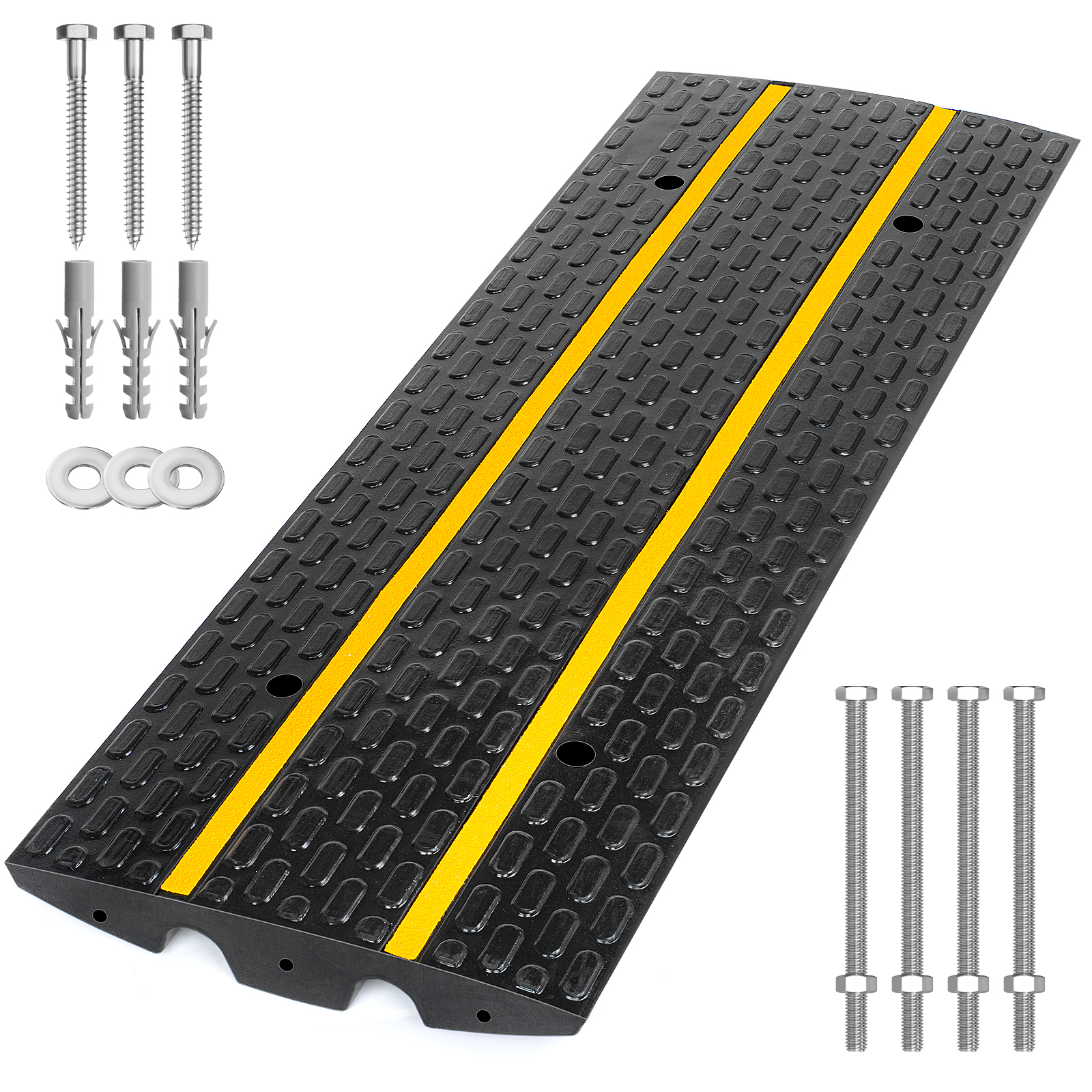
Choosing the Right Threshold Ramp for Everyday Accessibility
A well-designed Threshold Ramp is often the smallest change that makes the biggest difference in daily accessibility. At doorways, sliding doors, raised thresholds, and small level changes, a properly selected ramp directly affects safety, comfort, and independence. When people consider mobility access solutions, one of the most common comparisons is portable vs fixed ramp options. Each Threshold Ramp type serves a different purpose, responds differently to load and environment, and fits different budgets and usage patterns. Understanding these differences helps users, facility managers, and procurement teams make decisions that remain effective over time rather than solving only short-term needs.
Portable vs Fixed
Use duration & load
Use duration is one of the first factors that separates a portable Threshold Ramp from a fixed Threshold Ramp. Portable models are typically designed for short-term or intermittent use. They are frequently deployed for temporary mobility access needs, such as visiting guests, short-term rehabilitation, or locations where permanent modification is not allowed. Because of this, portable Threshold Ramp designs often focus on lightweight construction, easy handling, and quick placement rather than continuous heavy-duty use.
Fixed Threshold Ramp solutions, by contrast, are intended for long-term or permanent installations. These ramps are usually secured in place and engineered to handle repeated daily loads from wheelchairs, scooters, carts, or walkers. Over time, consistent load exposure can cause deformation or slippage in a portable ramp if it is used beyond its intended capacity. A fixed Threshold Ramp distributes weight more evenly across its base and anchoring points, making it more suitable for environments with frequent traffic and higher load expectations.
When comparing portable vs fixed ramp solutions, it is also important to consider who will be using the ramp and how often. A residential doorway used several times a day may justify a fixed Threshold Ramp, while occasional access needs may still be better served by a portable alternative.
Weather exposure
Weather exposure plays a critical role in Threshold Ramp performance. Portable ramps are often brought indoors when not in use, which reduces their exposure to rain, snow, UV radiation, and temperature fluctuations. This limited exposure can extend the lifespan of lightweight materials such as aluminum or rubber composites commonly used in portable Threshold Ramp designs.
Fixed Threshold Ramp installations, however, are continuously exposed to environmental conditions. Rainwater, frost, heat expansion, and debris accumulation all affect ramp surfaces and structural integrity. For outdoor mobility access, a fixed Threshold Ramp must be designed with proper drainage, slip-resistant surfaces, and materials that resist corrosion or cracking. Without these features, safety risks can increase over time.
In regions with harsh climates, the difference between portable vs fixed ramp options becomes even more pronounced. Portable Threshold Ramp units can be removed during extreme conditions, while fixed ramps must withstand them. This makes material choice and surface treatment essential considerations for long-term installations.
Anchoring & sealing
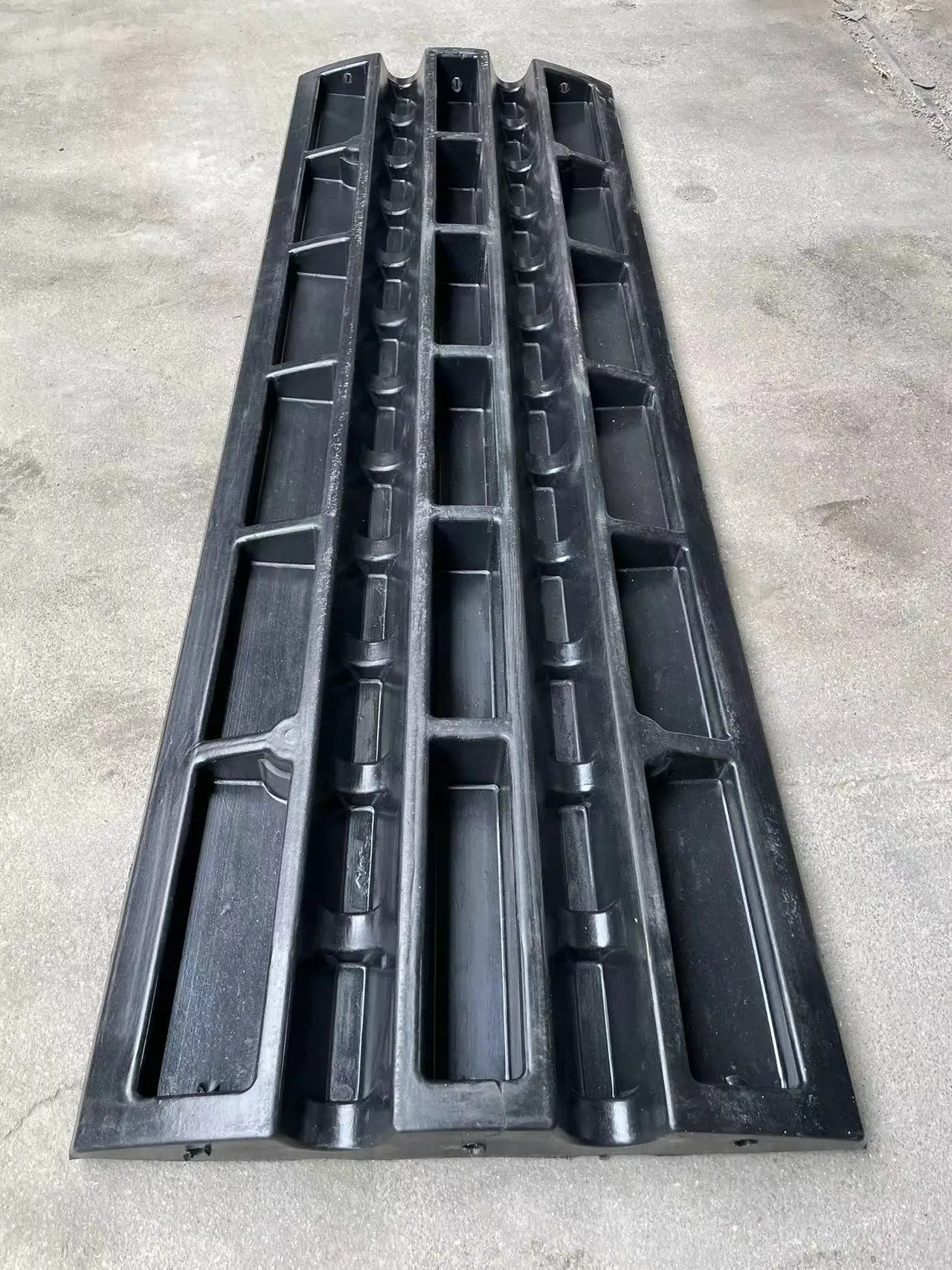
Anchoring and sealing distinguish a truly permanent Threshold Ramp from a temporary one. Portable ramps usually rely on their own weight, friction, or minimal edge supports to stay in place. While this approach allows flexibility and quick installation, it may not fully eliminate movement, especially on smooth flooring or uneven thresholds.
A fixed Threshold Ramp is typically anchored mechanically or adhesively to the existing surface. Proper anchoring prevents shifting and ensures consistent alignment with the threshold edge. Sealing is another key factor, particularly for exterior doorways. A well-sealed fixed Threshold Ramp prevents water intrusion, reduces drafts, and minimizes debris buildup at the doorway transition.
For building managers focused on compliance and long-term safety, anchoring and sealing often tip the balance toward fixed solutions. In portable vs fixed ramp comparisons, the stability offered by anchoring is a major reason fixed Threshold Ramp systems are chosen for public buildings, healthcare facilities, and commercial spaces.
Budget & lifecycle
Budget considerations go beyond the initial purchase price of a Threshold Ramp. Portable ramps generally have a lower upfront cost, making them appealing for short-term or limited-use scenarios. Their affordability allows users to address immediate mobility access needs without committing to structural changes.
However, lifecycle cost is where fixed Threshold Ramp solutions often demonstrate their value. While the initial investment may be higher, fixed ramps typically require less frequent replacement and fewer adjustments over time. Their durability reduces maintenance costs and minimizes the risk of damage caused by misuse or environmental exposure.
When evaluating portable vs fixed ramp options, it is helpful to look at the total cost of ownership. A portable Threshold Ramp that needs replacement every few years may ultimately cost more than a single fixed installation that lasts for decades. Budget planning that considers lifecycle performance leads to more sustainable accessibility decisions.
Design Considerations for Threshold Ramp Selection
Surface texture and slip resistance
The surface texture of a Threshold Ramp directly affects user confidence and safety. Portable ramps often use textured aluminum or rubberized surfaces to provide immediate grip without additional coatings. These textures work well for indoor mobility access and controlled environments.
Fixed Threshold Ramp installations often incorporate molded textures, anti-slip coatings, or integrated grooves to manage water runoff. Over time, surface wear becomes a consideration, especially in high-traffic areas. Choosing the right texture ensures that the ramp remains effective even as conditions change.
Height transition and slope accuracy
Accurate slope design is essential for any Threshold Ramp. Portable ramps are usually designed to accommodate a specific height range, making them versatile but sometimes less precise for unique thresholds. A poor slope can increase effort for wheelchair users or create tipping risks.
Fixed Threshold Ramp solutions can be custom-fitted to the exact height and width of the threshold. This precision improves comfort and reduces strain during daily use. In portable vs fixed ramp evaluations, slope accuracy often favors fixed installations when long-term usability is the priority.
Mobility Access Applications Across Settings
Residential mobility access
In residential settings, Threshold Ramp choices often balance convenience with permanence. Renters may prefer portable ramps because they do not alter the property, while homeowners may invest in fixed ramps to improve everyday mobility access. Doorways, patio doors, and garage entries are common locations where a Threshold Ramp provides immediate benefits.
The portable vs fixed ramp decision in homes is often influenced by future plans. If accessibility needs are temporary, portability matters. If aging-in-place is the goal, a fixed Threshold Ramp offers stability and peace of mind.
Commercial and public environments
Commercial buildings and public spaces require reliable mobility access solutions that comply with regulations and withstand constant use. In these environments, fixed Threshold Ramp installations are typically favored. They integrate seamlessly with flooring systems and reduce liability risks associated with movement or misalignment.
Portable ramps may still play a role in temporary events or transitional spaces, but fixed Threshold Ramp systems provide the consistency and durability expected in professional settings.
Installation and Maintenance Factors
Installation complexity
Portable Threshold Ramp installation is usually straightforward, requiring minimal tools and time. This simplicity makes portable solutions attractive for immediate deployment. However, improper placement can still lead to instability if surface conditions are not ideal.
Fixed Threshold Ramp installation requires more planning. Surface preparation, anchoring, and sealing must be done correctly to ensure long-term performance. While installation takes longer, the result is a more integrated and secure mobility access solution.
Ongoing maintenance requirements
Maintenance expectations differ significantly between portable vs fixed ramp options. Portable ramps should be inspected regularly for warping, wear, or slippage, especially if they are moved frequently. Fixed Threshold Ramp systems benefit from periodic inspections to ensure anchors remain secure and surfaces remain slip-resistant.
Understanding maintenance responsibilities helps users choose a Threshold Ramp that fits their capacity for upkeep.
User Experience and Safety Perception
Stability and confidence during use
User confidence is closely tied to ramp stability. A fixed Threshold Ramp often feels more like a natural extension of the floor, which increases confidence for users with limited balance or strength. Portable ramps, while functional, may feel less stable if not perfectly aligned.
This perception matters in daily mobility access. When users feel secure, they are more likely to use the ramp consistently rather than avoiding it due to discomfort or fear.
Adaptability for changing needs
Adaptability is where portable ramps excel. If access needs change, a portable Threshold Ramp can be relocated, replaced, or removed entirely. Fixed ramps, while stable, are less flexible once installed.
In portable vs fixed ramp comparisons, adaptability becomes important for environments with evolving layouts or temporary accessibility requirements.