 EN
EN

Practical Safety Enhancement with Mirrors, Signs, and Tapes
In industrial facilities, parking areas, logistics centers, and public buildings, safety depends on how clearly people can see, understand, and react to their surroundings. Mirror & Sign & Tape systems work together as a visual safety network that reduces confusion, highlights risks, and guides movement. Among these tools, the convex mirror plays a critical role in eliminating blind spots, improving warehouse visibility, and supporting safer traffic flow. When combined with clear signs and durable tape markings, mirrors become part of a complete solution rather than a standalone product. Understanding how these elements interact helps safety managers, facility planners, and procurement teams make more effective decisions.
Convex Mirror Use
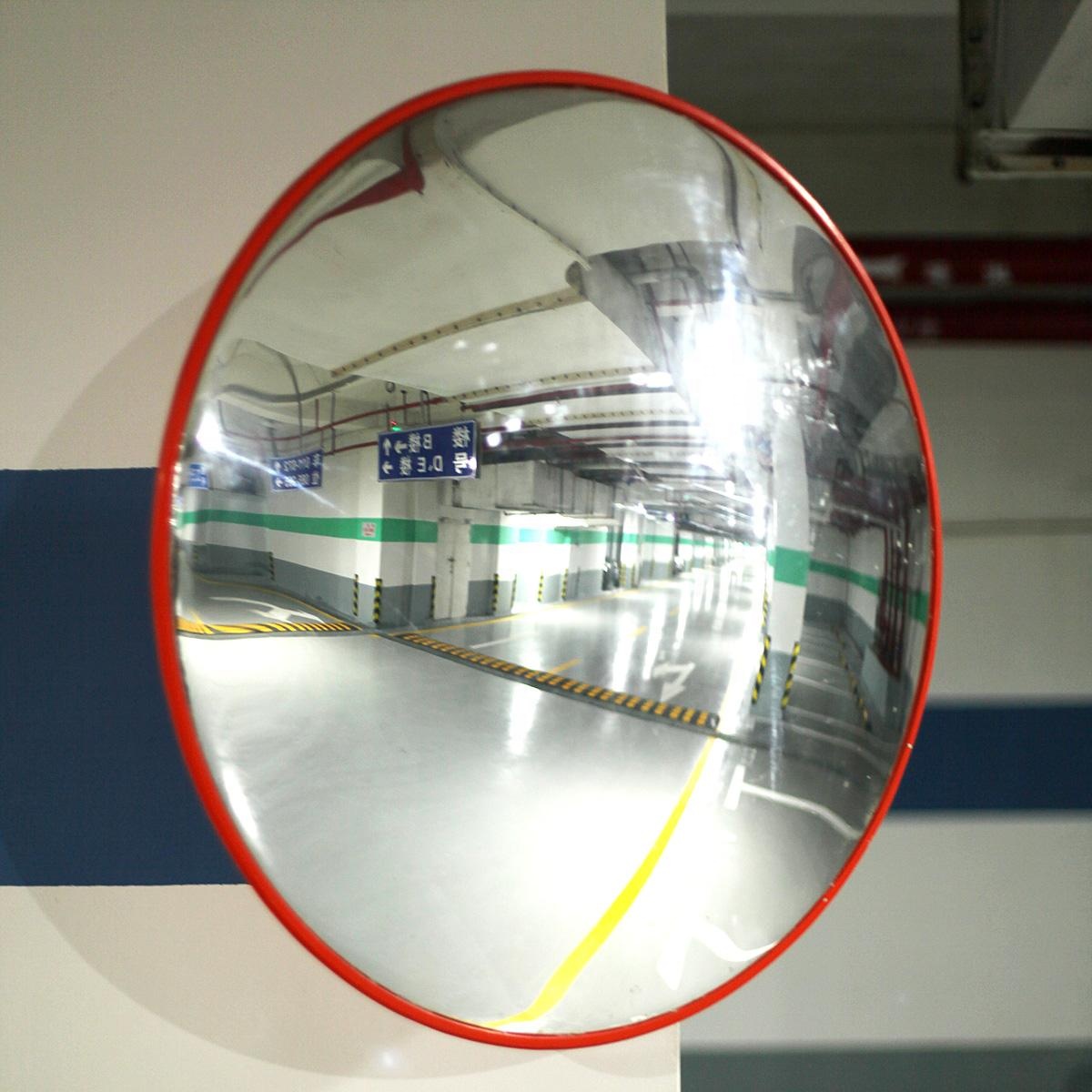
A convex mirror is widely used to improve visibility in areas where direct sightlines are blocked. In environments such as warehouses, parking garages, corridors, and factory floors, blind spots are one of the most common causes of accidents. By integrating a convex mirror into a broader Mirror & Sign & Tape strategy, organizations can create visual continuity that reinforces safety messages. The effectiveness of a convex mirror depends on technical factors such as radius, mounting position, material selection, and ongoing maintenance, all of which influence how well blind spots are reduced and warehouse visibility is improved.
Radius and viewing distance
The radius of a convex mirror determines how wide an area it can reflect and how much detail is visible within that reflection. A smaller radius provides a wider field of view, which is ideal for tight corners and narrow aisles where blind spots are severe. A larger radius offers a more detailed image at longer distances, making it suitable for open warehouse intersections or vehicle crossings. Choosing the correct radius ensures that the convex mirror delivers usable visual information rather than a distorted image.
Viewing distance must also be considered when planning a Mirror & Sign & Tape system. If a convex mirror is placed too far from the point of decision, operators may not have enough time to react. In warehouse visibility planning, mirrors should be positioned so that forklift drivers and pedestrians can clearly identify approaching traffic at a practical distance. This coordination between mirror placement, warning signs, and floor tape markings strengthens overall safety awareness.
Mounting angles
Mounting angle directly affects how effectively a convex mirror captures blind spots. An incorrectly angled mirror may reflect irrelevant areas, reducing its value. Proper alignment ensures that the mirror covers the intended intersection, doorway, or aisle crossing. When integrated into a Mirror & Sign & Tape layout, the mounting angle should align with the direction of travel indicated by signs and tape.
In warehouse visibility applications, mounting angles should account for vehicle height, operator eye level, and lighting conditions. A convex mirror angled slightly downward may work better for pedestrian corridors, while higher mounting angles are often needed for forklift traffic. Regular evaluation of mounting angles helps maintain clear sightlines as layouts or workflows change.
Indoor vs outdoor materials
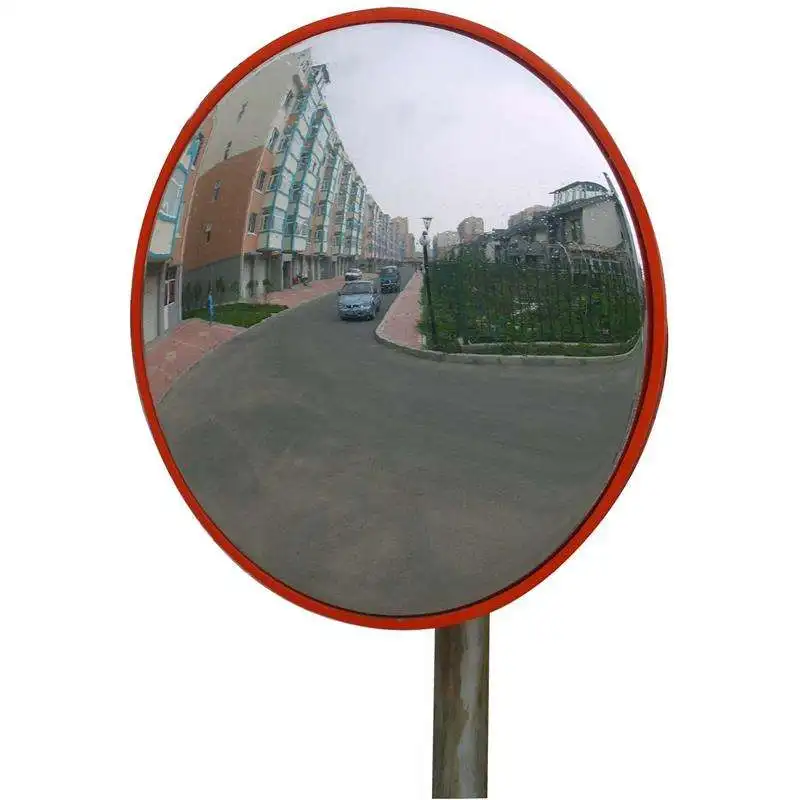
Material selection is essential for long-term performance. Indoor convex mirror installations typically prioritize optical clarity and lightweight construction. Acrylic mirrors are common indoors because they are impact-resistant and provide clear reflections. Outdoor applications require materials that can withstand weather, temperature changes, and UV exposure, such as polycarbonate or stainless-steel-backed mirrors.
When planning a Mirror & Sign & Tape system across mixed environments, consistency in performance is key. Outdoor mirrors must maintain visibility in rain or direct sunlight, while indoor mirrors should resist dust and minor impacts. Matching the mirror material to the environment ensures that blind spots remain visible and warehouse visibility is not compromised over time.
Maintenance tips
Maintenance is often overlooked, yet it directly affects the effectiveness of a convex mirror. Dust, scratches, or surface damage can distort reflections and reduce clarity. Regular cleaning schedules help maintain optical quality, especially in high-traffic warehouses where airborne particles are common. Using non-abrasive cleaning methods preserves the mirror surface and extends service life.
Within a Mirror & Sign & Tape program, maintenance should be coordinated across all visual elements. Faded tape or damaged signs can reduce the overall impact of a safety system, even if the mirror itself is intact. Periodic inspections ensure that mirrors, signs, and tapes continue to work together to minimize blind spots and maintain strong warehouse visibility.
Sign Integration for Visual Guidance
Standardized symbols and messaging
Safety signs provide direct instructions and warnings that complement what a convex mirror reveals. Standardized symbols help workers and visitors quickly interpret risks, especially in shared spaces. When signs are positioned near mirrors, they reinforce awareness by reminding users to look for reflected traffic or hazards.
In a comprehensive Mirror & Sign & Tape approach, consistency in sign design improves recognition. Using the same color schemes and icon styles across a facility creates visual familiarity, reducing reaction time. This integration supports clearer decision-making in areas affected by blind spots.
Placement coordination with mirrors
Sign placement should be coordinated with mirror visibility zones. A sign that instructs drivers to slow down or yield is most effective when placed where the convex mirror reflection becomes visible. This spatial relationship helps users connect the instruction with the visual information provided by the mirror.
In warehouse visibility planning, signs placed too far from mirrors may be ignored or misunderstood. Proper coordination ensures that Mirror & Sign & Tape elements work as a unified system rather than isolated components.
Tape Marking for Spatial Awareness
Floor tape for traffic separation
Floor tape is a powerful tool for defining lanes, pedestrian walkways, and restricted zones. When used alongside a convex mirror, tape markings guide movement before users reach blind spots. Clear tape lines help reduce conflicts by establishing predictable paths for vehicles and pedestrians.
A Mirror & Sign & Tape system that includes durable floor tape enhances warehouse visibility by making traffic patterns obvious. This visual guidance complements the mirror’s role in showing approaching movement, creating layered safety cues.
Color coding and durability
Color coding in tape markings reinforces safety messages. Yellow may indicate caution zones, while red highlights restricted areas. Selecting durable tape materials ensures that markings remain visible despite heavy foot traffic or equipment movement.
In environments where blind spots are frequent, worn or faded tape weakens the effectiveness of the entire Mirror & Sign & Tape setup. Regular inspection and replacement of tape maintain clarity and support the convex mirror’s function in improving warehouse visibility.
Installation Planning and System Design
Risk assessment and layout analysis
Effective installation begins with a thorough risk assessment. Identifying blind spots, high-traffic intersections, and areas with limited visibility helps determine where convex mirrors are needed most. Layout analysis also informs where signs and tape will have the greatest impact.
A well-planned Mirror & Sign & Tape system is tailored to the specific workflow of a facility. In warehouses, understanding forklift routes and pedestrian movement patterns is essential for maximizing visibility and reducing collision risk.
Coordination with lighting conditions
Lighting plays a significant role in mirror performance. Glare or shadows can reduce reflection clarity, making blind spots harder to detect. Installation planning should consider existing lighting and adjust mirror angles or locations accordingly.
Integrating lighting considerations into a Mirror & Sign & Tape strategy ensures that convex mirrors remain effective throughout different times of day. Good lighting enhances warehouse visibility and supports the readability of signs and tape.