 EN
EN

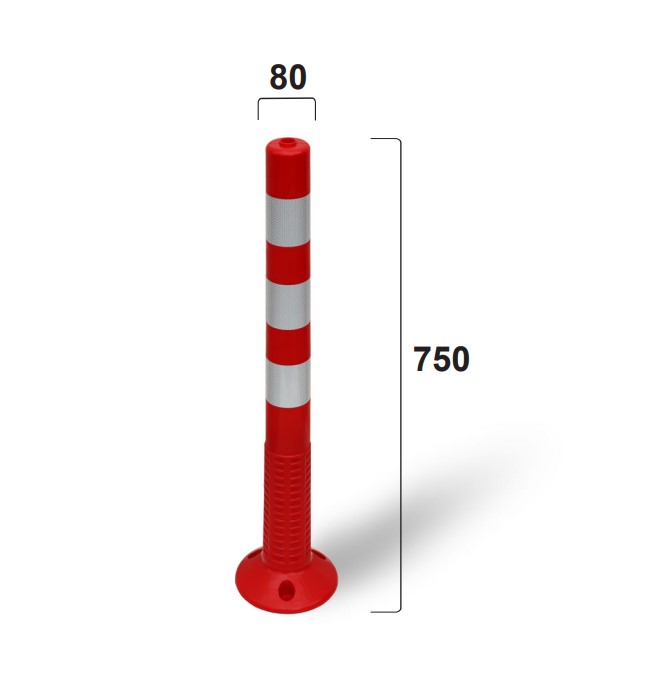
The Role of Visual Guidance Systems in Road Safety
Road safety relies on a complete visual guidance system rather than a single product. Mirror & Sign & Tape work together to deliver clear information, early warnings, and continuous guidance for drivers, cyclists, and pedestrians. When traffic volume increases and road conditions become more complex, the importance of visual communication grows significantly. Traffic signs importance is not limited to telling people where to go; it is about reducing uncertainty, preventing hesitation, and supporting quick decision-making. At the same time, mirrors improve sightlines at blind spots, while tape provides continuous visual cues in low-light or high-risk areas. Combined correctly and aligned with safety compliance requirements, Mirror & Sign & Tape form a reliable safety language that road users instinctively understand.
Significance of Signs
MUTCD basics
The Manual on Uniform Traffic Control Devices establishes the foundation for how signs, markings, and devices should appear and function. Within this framework, Mirror & Sign & Tape are treated as essential tools rather than optional accessories. MUTCD guidance ensures that a sign communicates the same message regardless of location, reducing confusion and improving response time. This consistency reinforces traffic signs importance by ensuring that drivers recognize shapes, colors, and symbols instantly.
From a practical perspective, MUTCD basics also support safety compliance across jurisdictions. When Mirror & Sign & Tape products follow standardized layouts and materials, authorities can implement them confidently without extensive retraining or public education. This uniformity reduces accidents caused by misinterpretation and strengthens trust in road infrastructure.
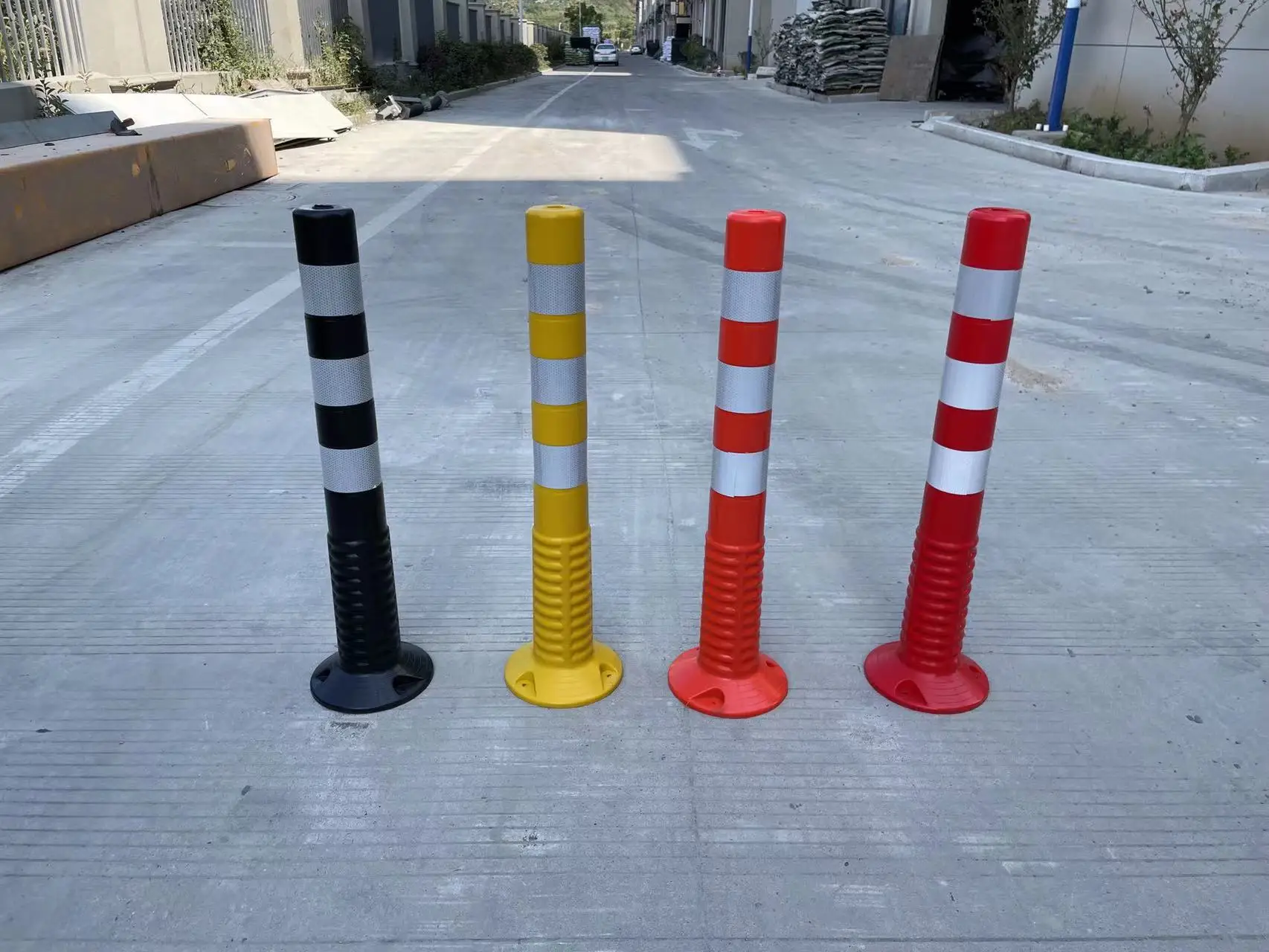
Retroreflectivity grades
Visibility at night and in poor weather conditions depends heavily on retroreflectivity. Signs and tape must reflect vehicle headlights back toward drivers at appropriate angles and intensities. Different retroreflectivity grades are designed for different environments, such as highways, urban streets, or temporary work zones. Selecting the correct grade directly affects traffic signs importance, as poorly visible signs may technically exist but fail to perform their function.
Reflective tape complements signs by extending visual guidance along barriers, lanes, and vehicle edges. When Mirror & Sign & Tape systems are designed together, retroreflective elements can be matched to ensure consistent brightness and recognition distance. This integrated approach supports safety compliance by meeting visibility standards under both day and night conditions.
Placement heights & setbacks
Correct placement determines whether a sign or mirror is noticed in time. Placement heights and lateral setbacks are carefully defined to ensure that signs fall naturally within a driver’s field of vision. A sign that is too low may be blocked by vehicles, while one placed too high may be overlooked. These placement rules reinforce traffic signs importance by aligning information delivery with human visual behavior.
Mirrors require equally careful positioning. At intersections, parking exits, and industrial sites, mirrors must be angled precisely to reveal hidden hazards. Reflective tape further enhances placement effectiveness by outlining edges and pathways. Together, Mirror & Sign & Tape create a layered visual system that supports safety compliance through correct positioning rather than excessive signage.
Inspection & replacement
Even the best-designed signs and tapes degrade over time. Sun exposure, weather, and pollution gradually reduce reflectivity and legibility. Regular inspection ensures that Mirror & Sign & Tape continue to meet performance standards. Inspection schedules are a key component of safety compliance programs, helping authorities identify fading signs or damaged mirrors before they create risk.
Replacement planning also reinforces traffic signs importance by preventing gaps in visual communication. When aging signs are replaced proactively, road users experience consistent guidance rather than sudden changes. Reflective tape is often replaced more frequently due to wear, but its low cost and ease of application make it an efficient maintenance solution within a broader safety strategy.
The Role of Mirrors in Traffic Safety
Eliminating blind spots at critical locations
Mirrors are essential where direct visibility is limited. Sharp curves, parking garages, loading docks, and warehouse corridors all benefit from properly installed mirrors. In these settings, Mirror & Sign & Tape work together to provide both advance warning and real-time visual confirmation. Signs alert users to potential hazards, while mirrors reveal actual conditions beyond the line of sight.
This combination strengthens traffic signs importance by transforming static warnings into actionable information. Drivers and pedestrians gain confidence when they can see approaching hazards rather than relying solely on instructions. Such visibility improvements are a fundamental aspect of safety compliance in both public and private facilities.
Integration with signs and tape for clarity
Mirrors are most effective when integrated with surrounding signs and reflective tape. A convex mirror at an intersection, paired with warning signs and high-visibility tape, creates a clear visual sequence. This layered approach reduces reaction time and minimizes the chance of misjudgment.
From a system design perspective, Mirror & Sign & Tape integration ensures that no single device bears the entire safety burden. If one element is temporarily obscured or damaged, others still provide guidance. This redundancy supports safety compliance by maintaining acceptable risk levels even under imperfect conditions.
The Function of Reflective Tape in Road Environments
Continuous guidance and edge definition
Reflective tape excels at providing continuous visual cues where traditional signs are impractical. Lane edges, barriers, bollards, and vehicle outlines all benefit from reflective tape applications. While signs deliver specific messages, tape reinforces spatial awareness, which is a core aspect of traffic signs importance.
In combination with mirrors, reflective tape helps drivers judge distance and alignment more accurately. This is especially valuable in narrow passages or temporary traffic arrangements. Properly selected and installed tape contributes directly to safety compliance by enhancing nighttime and low-visibility performance.
Temporary and permanent safety solutions
Reflective tape is versatile, serving both temporary and permanent safety needs. Construction zones often rely on tape to adapt layouts quickly, while permanent installations use durable grades for long-term performance. This flexibility allows Mirror & Sign & Tape systems to evolve with changing road conditions without compromising clarity.
By choosing tape grades that match sign reflectivity, authorities maintain visual consistency across different devices. This alignment reinforces traffic signs importance by presenting a coherent visual language rather than a patchwork of mismatched elements.
Compliance and Standardization Considerations
Meeting safety compliance requirements
Safety compliance is not achieved through isolated products but through coordinated systems. Mirror & Sign & Tape must collectively meet regulatory standards related to visibility, placement, and durability. Compliance audits often assess how well these elements work together rather than evaluating them individually.
A compliant system reduces liability and enhances public trust. When road users encounter consistent, well-maintained visual guidance, they are more likely to follow instructions and less likely to make dangerous assumptions. This reinforces the practical value behind traffic signs importance.
Documentation and maintenance records
Maintaining compliance requires proper documentation. Records of installation dates, materials used, and inspection results demonstrate that Mirror & Sign & Tape systems are actively managed. These records support long-term planning and budget allocation while ensuring accountability.
Documentation also helps identify patterns of wear or failure. If certain signs fade faster or tape degrades in specific locations, adjustments can be made proactively. This continuous improvement mindset strengthens safety compliance without unnecessary expenditure.
Designing an Integrated Mirror, Sign, and Tape System
Holistic planning for visibility
Effective safety design begins with holistic planning. Instead of adding signs reactively, planners assess sightlines, traffic flow, and environmental factors. Mirror & Sign & Tape are then selected and positioned to complement each other. This approach maximizes traffic signs importance by ensuring that information is delivered at the right time and place.
Holistic planning also avoids visual clutter. Too many signs can overwhelm users, reducing effectiveness. Strategic use of mirrors and tape can often convey the same message more intuitively, supporting safety compliance through simplicity.
Adaptation to different environments
Urban streets, highways, industrial zones, and campuses each present unique challenges. An integrated Mirror & Sign & Tape system adapts to these contexts by adjusting scale, reflectivity, and placement. What works on a highway may not suit a warehouse corridor, yet the underlying principles remain consistent.
By adapting rather than standardizing blindly, designers preserve traffic signs importance while respecting local conditions. This flexibility ensures that safety compliance is meaningful rather than purely procedural.