 EN
EN

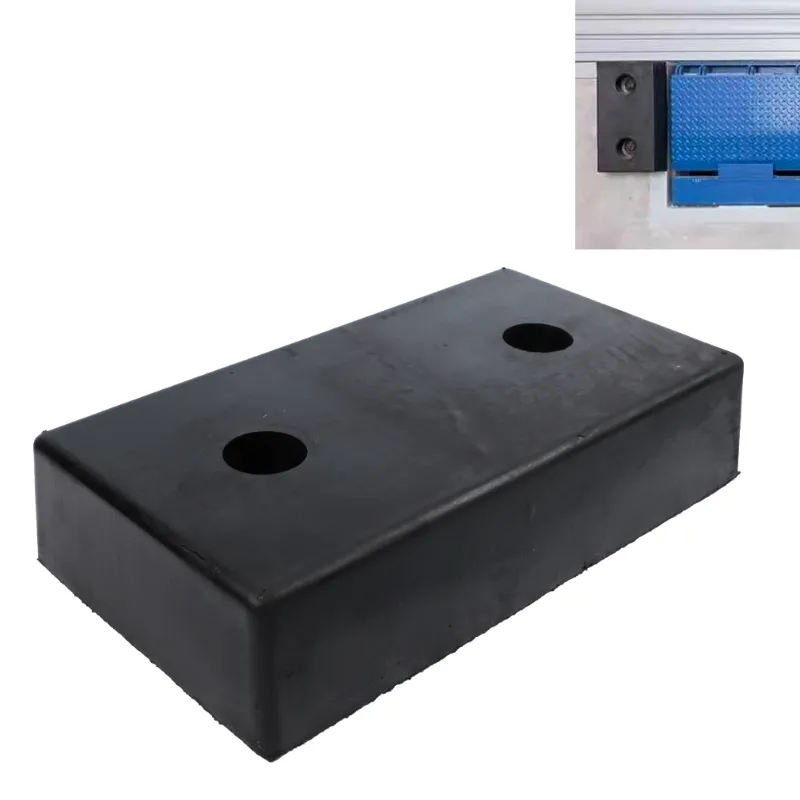
How to Choose the Right Dock Bumper: Thickness, Size & Impact Rating
Key Factors for Reliable Loading Dock Protection
Loading docks are among the most active areas in warehouses, logistics hubs, freight terminals, and manufacturing facilities. Trucks and trailers move in and out of loading bays continuously throughout the day, often under strict delivery schedules and demanding operational conditions. In these environments, selecting the correct dock bumper is essential for protecting buildings, vehicles, loading equipment, and warehouse personnel from repeated impact damage.
A dock bumper is designed to absorb collision force between trailers and loading dock structures during docking procedures. Why is choosing the right dock bumper so important for industrial facilities? A dock bumper that is too small, too thin, or improperly rated for impact may fail prematurely and leave loading dock infrastructure vulnerable to damage.
Dock bumper selection involves several critical considerations including thickness, size, material density, mounting configuration, and impact rating. Each factor affects the overall ability of the dock bumper to protect loading docks under specific operational conditions.
Many industrial buyers rely on YS Traffic Safety Dock Bumper Solutions because the company provides factory-direct dock bumper products designed for warehouses, freight terminals, industrial loading docks, and commercial logistics operations requiring dependable impact protection.
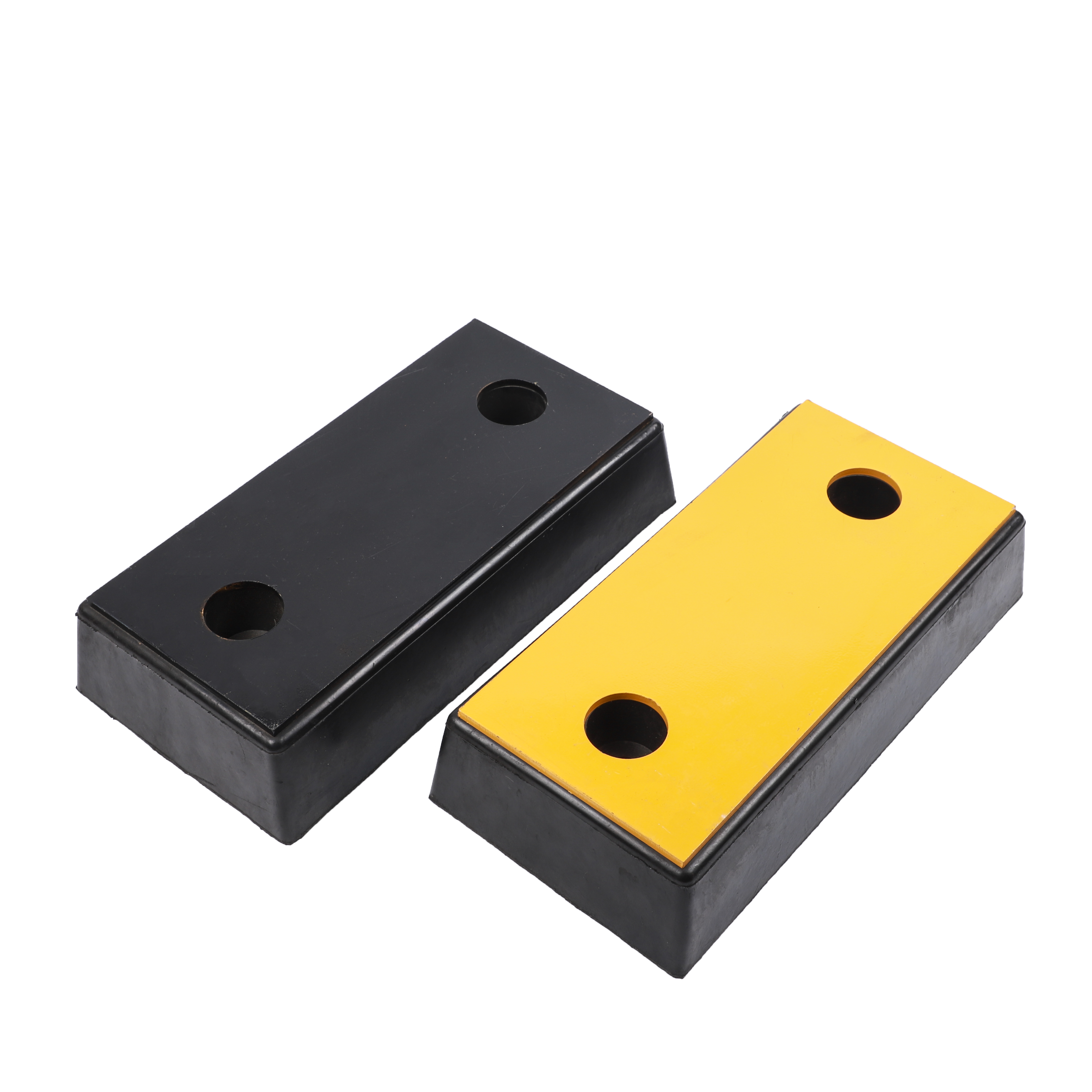
Understanding the Role of a Dock Bumper
Protecting Loading Dock Structures from Repeated Impact
Every time a trailer reverses toward a loading bay, impact force is transferred toward the dock structure. Why does repeated trailer contact create long-term structural risks? Even low-speed collisions can gradually damage concrete edges, steel frames, dock levelers, and loading platforms after continuous exposure.
A dock bumper acts as a protective barrier that absorbs impact energy before trailers make direct contact with the building structure.
Industrial loading facilities with constant truck traffic especially depend on durable dock bumper systems because structural repairs can become costly and disruptive.
Warehouses operating around the clock often install heavy-duty dock bumper products to handle continuous docking pressure.
Reliable impact protection helps reduce maintenance costs while extending the operational lifespan of loading dock infrastructure.
Commercial property managers frequently consider dock bumper systems essential components of warehouse safety and facility management programs.
Improving Operational Safety in Busy Loading Areas
Safety is another major reason facilities install properly sized dock bumper systems. Loading docks involve forklifts, trailers, warehouse workers, and cargo handling equipment operating within confined spaces.
Why does dock bumper performance affect loading dock safety? Stable trailer positioning helps reduce sudden movement and improves alignment during cargo transfer operations.
Truck drivers also benefit because the dock bumper creates a more controlled docking surface while reversing into loading bays.
Forklift operators rely on secure trailer positioning when moving products between trucks and warehouse floors.
Commercial safety programs often include regular dock bumper inspection to ensure impact protection systems remain effective under heavy operational use.
Reliable dock bumper systems contribute to safer and more efficient industrial loading operations.
Choosing Dock Bumper Thickness for Industrial Applications
Thin Dock Bumper Systems for Light Commercial Traffic
Dock bumper thickness directly affects impact absorption capability. Why are thinner dock bumper products sometimes suitable for certain facilities? Not all loading docks experience heavy industrial traffic or large trailer impact.
Smaller warehouses, local delivery facilities, and light commercial loading zones may use thinner dock bumper systems because operational demand is lower.
Light-duty dock bumper products are often selected for facilities handling smaller trucks or limited daily docking activity.
These dock bumper systems typically provide adequate protection for moderate impact conditions while maintaining lower installation costs.
Commercial operators with lighter traffic patterns often prioritize cost efficiency and compact loading dock layouts when selecting bumper thickness.
Properly matched dock bumper thickness helps facilities avoid overengineering while still maintaining reliable structural protection.
Choosing the correct thickness improves overall operational efficiency and product lifespan.
Heavy-Duty Thickness for High-Impact Loading Docks
Busy industrial facilities require stronger impact protection systems. Why do high-traffic loading areas need thicker dock bumper products? Larger trailers and constant docking activity generate significantly greater collision force.
Heavy-duty dock bumper systems are commonly used in freight terminals, distribution centers, and manufacturing facilities with continuous trailer movement.
Thicker dock bumper products provide improved compression resistance and stronger impact absorption capability.
Industrial warehouses handling oversized trailers often choose reinforced dock bumper systems designed specifically for demanding operational conditions.
High-density rubber construction also helps thicker dock bumper systems maintain structural stability under repeated compression cycles.
Commercial facilities with heavy shipping schedules frequently prioritize maximum durability and long service life when selecting dock bumper thickness.
Reliable heavy-duty protection reduces long-term infrastructure repair costs while supporting safer loading operations.
Selecting the Correct Dock Bumper Size
Matching Dock Bumper Dimensions to Trailer Size
Dock bumper size is another critical factor affecting loading dock protection performance. Why should dock bumper dimensions match operational vehicle requirements? Incorrect bumper sizing may leave portions of the dock structure exposed during trailer contact.
Facilities handling large trailers typically require larger dock bumper systems capable of covering wider impact zones.
Commercial warehouses often evaluate trailer width, docking alignment patterns, and loading dock layout before determining bumper dimensions.
Proper dock bumper sizing improves trailer contact consistency and helps distribute impact pressure more evenly.
Industrial loading areas managing multiple trailer types may require customized dock bumper dimensions for broader protection coverage.
Large dock bumper systems also improve visibility during docking procedures, helping drivers align trailers more accurately.
Correct size selection contributes to both infrastructure protection and smoother loading operations.
Considering Dock Height and Mounting Position
Dock layout and trailer height significantly influence dock bumper placement. Why is mounting position important when selecting dock bumper size? Improper installation height may reduce contact efficiency and increase structural stress.
Commercial facilities often install dock bumper systems based on standard trailer height measurements and loading platform configuration.
Some loading docks require vertical dock bumper arrangements while others use horizontal positioning depending on operational needs.
Industrial facilities handling uneven trailer sizes may require multiple dock bumper configurations across different loading bays.
Correct bumper placement helps maintain proper trailer alignment during reversing procedures.
Professional dock bumper manufacturers can often recommend suitable dimensions and mounting layouts according to facility design.
Proper sizing and positioning maximize loading dock protection efficiency.
Understanding Dock Bumper Impact Ratings
Measuring Impact Resistance for Industrial Safety
Impact rating is one of the most important specifications when selecting a dock bumper system. Why does impact rating matter for industrial loading operations? A dock bumper must withstand operational collision force without excessive deformation or structural failure.
Impact rating typically reflects the amount of force a dock bumper can absorb safely during trailer contact.
High-impact industrial loading docks often require reinforced dock bumper systems designed for heavy trailer movement and constant operational pressure.
Warehouses handling large transport vehicles frequently choose dock bumper products with higher impact resistance to improve durability and safety.
Commercial buyers should evaluate docking speed, trailer weight, and traffic frequency when reviewing impact rating requirements.
Reliable impact absorption helps protect dock structures while reducing operational downtime caused by infrastructure damage.
Choosing an appropriately rated dock bumper improves both safety performance and long-term product reliability.
Balancing Impact Capacity and Operational Conditions
Not every facility requires the same level of dock bumper impact protection. Why is balancing operational needs important during product selection? Excessively oversized dock bumper systems may increase costs unnecessarily, while undersized products may fail prematurely.
Smaller commercial loading docks often require moderate impact ratings suitable for light delivery operations.
Large logistics centers with continuous truck movement generally need higher-capacity dock bumper systems designed for heavy industrial use.
Facilities operating under harsh weather conditions or difficult maneuvering environments may also benefit from stronger impact-resistant bumper designs.
Commercial property managers frequently analyze traffic patterns and collision history before selecting dock bumper specifications.
Properly matched impact ratings help facilities maintain reliable loading dock performance without excessive maintenance expenses.
Balanced product selection improves operational efficiency and infrastructure protection outcomes.
Material Considerations for Dock Bumper Performance
Rubber Dock Bumper Systems for Flexible Impact Absorption
Material selection greatly affects dock bumper durability and impact performance. Why are rubber dock bumper products widely used in industrial loading areas? Rubber provides excellent flexibility and shock absorption under repeated trailer contact.
Heavy-duty rubber dock bumper systems compress during impact and return to their original shape after docking pressure is removed.
Industrial facilities often prefer rubber dock bumper products because they handle continuous operational stress effectively.
Reinforced rubber construction also improves resistance against cracking, compression fatigue, and environmental wear.
Commercial warehouses with high shipping volumes frequently select molded or laminated rubber dock bumper systems for long-term durability.
Reliable rubber performance helps reduce structural stress on loading dock infrastructure.
Flexible impact absorption improves both safety and operational efficiency in demanding loading environments.
Steel-Faced Dock Bumper Options for Abrasion Resistance
Some industrial loading docks require additional surface protection because of aggressive trailer contact patterns.
Why are steel-faced dock bumper systems popular in high-traffic freight facilities? Steel facings help reduce surface wear caused by trailer friction during docking procedures.
Distribution centers with constant trailer movement often install steel-faced dock bumper products to improve abrasion resistance.
Steel reinforcement also helps maintain structural integrity in environments with frequent high-pressure contact.
Industrial facilities handling oversized trailers or uneven docking angles especially benefit from reinforced bumper surfaces.
Commercial operators frequently choose steel-faced dock bumper systems for longer service life and reduced maintenance requirements.
Enhanced abrasion resistance contributes to more reliable loading dock protection under demanding operational conditions.
Evaluating Operational Environment Before Selection
Indoor and Outdoor Loading Dock Conditions
Environmental exposure can affect dock bumper performance over time. Why should facilities consider operating conditions before selecting a dock bumper system? Outdoor loading docks experience sunlight, moisture, temperature changes, and weather-related stress.
Heavy-duty dock bumper products designed for outdoor use typically feature improved weather resistance and reinforced construction.
Cold environments may require flexible rubber compounds capable of maintaining compression performance during low temperatures.
Industrial facilities near coastal regions often prioritize corrosion-resistant mounting hardware and durable dock bumper materials.
Indoor loading docks may experience lower environmental stress but still require strong impact protection under heavy traffic conditions.
Commercial buyers should evaluate operational climate carefully before finalizing dock bumper specifications.
Environmental compatibility improves product lifespan and operational reliability.
Traffic Frequency and Docking Patterns
Traffic volume strongly influences dock bumper wear rates and impact requirements. Why do high-frequency loading docks require stronger protection systems? Constant trailer movement increases compression cycles and structural stress on dock bumper products.
Warehouses operating twenty-four hours per day often require reinforced dock bumper systems capable of handling continuous impact pressure.
Distribution facilities managing rapid trailer turnover typically prioritize thicker dock bumper designs and higher impact ratings.
Commercial loading areas with narrow maneuvering space may also experience more aggressive trailer contact patterns.
Industrial property managers frequently monitor docking activity to determine appropriate bumper replacement schedules and product upgrades.
Understanding operational traffic conditions helps facilities select dock bumper systems with suitable durability and performance characteristics.
Reliable product selection improves long-term operational efficiency and infrastructure protection.
Working with Professional Dock Bumper Manufacturers
Access to Customized Dock Bumper Solutions
Every industrial facility has different loading dock requirements. Why do many commercial buyers prefer experienced dock bumper manufacturers? Professional suppliers often provide customized solutions tailored to specific operational environments.
Factories may offer custom dock bumper dimensions, reinforced steel facings, specialized mounting systems, and heavy-duty laminated construction.
Large logistics centers frequently request custom impact ratings and oversized bumper configurations for unique trailer applications.
Industrial buyers also benefit from technical consultation during product selection and installation planning.
Professional dock bumper manufacturers typically maintain stronger quality control standards and production consistency.
Customized dock bumper solutions improve operational compatibility while supporting safer loading dock performance.
Factory-direct sourcing additionally helps simplify procurement for commercial infrastructure projects.
Reliable Bulk Supply and Long-Term Product Support
Large industrial projects often require stable inventory availability and coordinated delivery schedules.
Why is supply reliability important when selecting a dock bumper supplier? Delays in loading dock protection systems may affect warehouse construction schedules and operational readiness.
Professional manufacturers typically provide stronger production capacity for commercial and industrial procurement projects.
Bulk supply capability also improves consistency across multiple loading dock installations.
Commercial contractors frequently prioritize suppliers capable of supporting repeat orders and long-term warehouse expansion programs.
Reliable technical support and product availability help facilities maintain consistent loading dock safety standards.
Strong supplier partnerships contribute to smoother project coordination and operational continuity.
FAQ
What is the best thickness for a dock bumper
The best dock bumper thickness depends on trailer size, docking frequency, and operational impact conditions. High-traffic industrial facilities generally require thicker heavy-duty dock bumper systems for stronger protection.
Why is dock bumper impact rating important
Impact rating measures the dock bumper’s ability to absorb collision force safely. Choosing the correct rating helps prevent structural damage and improves loading dock safety.
Are steel-faced dock bumper systems better for industrial facilities
Steel-faced dock bumper products provide improved abrasion resistance and surface durability, making them suitable for high-traffic loading docks with frequent trailer contact.
Can dock bumper products be customized for specific loading docks
Yes, many manufacturers provide customized dock bumper solutions including special sizes, reinforced construction, steel facings, and mounting configurations according to facility requirements.
For more information about industrial dock bumper systems and heavy-duty loading dock protection products, visit YS Traffic Safety Official Website.
全文约3050词。
Table of Contents
- How to Choose the Right Dock Bumper: Thickness, Size & Impact Rating
- Key Factors for Reliable Loading Dock Protection
- Understanding the Role of a Dock Bumper
- Choosing Dock Bumper Thickness for Industrial Applications
- Selecting the Correct Dock Bumper Size
- Understanding Dock Bumper Impact Ratings
- Material Considerations for Dock Bumper Performance
- Evaluating Operational Environment Before Selection
- Working with Professional Dock Bumper Manufacturers
- FAQ