 EN
EN

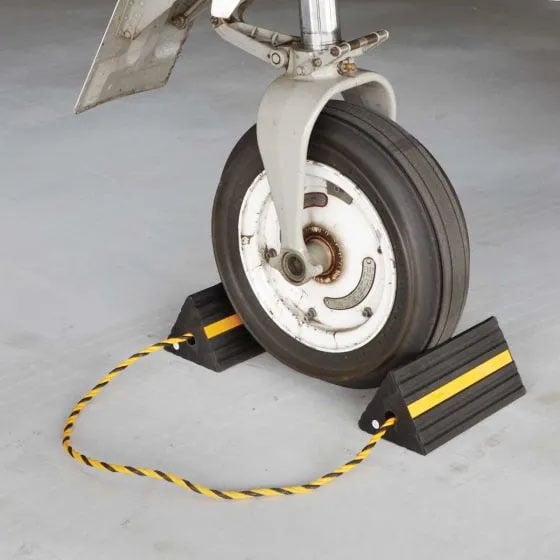
Parking lot wheel stops are essential safety features that protect vehicles, pedestrians, and property in parking areas. Whether you manage a commercial parking facility, retail center, or residential complex, properly installed parking lot wheel stops prevent vehicles from rolling into spaces they should not occupy. Installing parking lot wheel stops on both asphalt and concrete surfaces requires careful planning, the right materials, and adherence to safety standards. This guide provides comprehensive instructions for installing parking lot wheel stops effectively on either surface type.
Proper installation of parking lot wheel stops ensures they function as intended, providing reliable vehicle containment and reducing liability. The method for installing parking lot wheel stops differs based on the underlying surface material, surface condition, and the type of wheel stop product you select. Understanding these distinctions helps you avoid installation mistakes that could compromise safety or durability. This article covers everything you need to know to install parking lot wheel stops correctly on asphalt and concrete.
Preparing the Installation Surface for Parking Lot Wheel Stops
Site Assessment and Marking for Parking Lot Wheel Stops
Before you begin installing parking lot wheel stops, assess the parking area to determine the ideal placement locations. Parking lot wheel stops should be positioned at the front or rear edge of each parking space, typically 12 to 18 inches from the pavement edge. Use chalk or spray paint to mark the exact installation line where parking lot wheel stops will be mounted. Verify that parking lot wheel stops will not interfere with drainage, utilities, or overhead structures like light poles or building overhangs.
Surface Preparation and Cleaning
Asphalt and concrete require different surface preparation approaches before installing parking lot wheel stops. For asphalt, clean the surface thoroughly with a pressure washer or wire brush to remove dirt, oil, and debris that could weaken adhesion. If asphalt is severely deteriorated or cracked, repair those sections before installing parking lot wheel stops. For concrete, use the same cleaning method and allow the surface to dry completely—moisture prevents proper fastener grip and adhesive bonding. Parking lot wheel stops installation success depends largely on clean, dry, properly prepared surfaces.
Installing Parking Lot Wheel Stops on Asphalt
Fastening Methods for Asphalt Installation
Asphalt presents unique challenges for installing parking lot wheel stops because it is softer than concrete and more susceptible to shifting with temperature changes. The most reliable method for installing parking lot wheel stops on asphalt involves anchor bolts with lag shields or specialized asphalt anchors rated for the wheel stop weight. Drill pilot holes through the base of the parking lot wheel stops using a concrete bit sized appropriately for your anchor type. Insert the anchors into pre-drilled holes in the asphalt, allowing them to penetrate 3 to 4 inches below the surface for maximum holding power. Tighten fasteners progressively to ensure even pressure distribution across the parking lot wheel stops.
Adhesive and Supplementary Methods
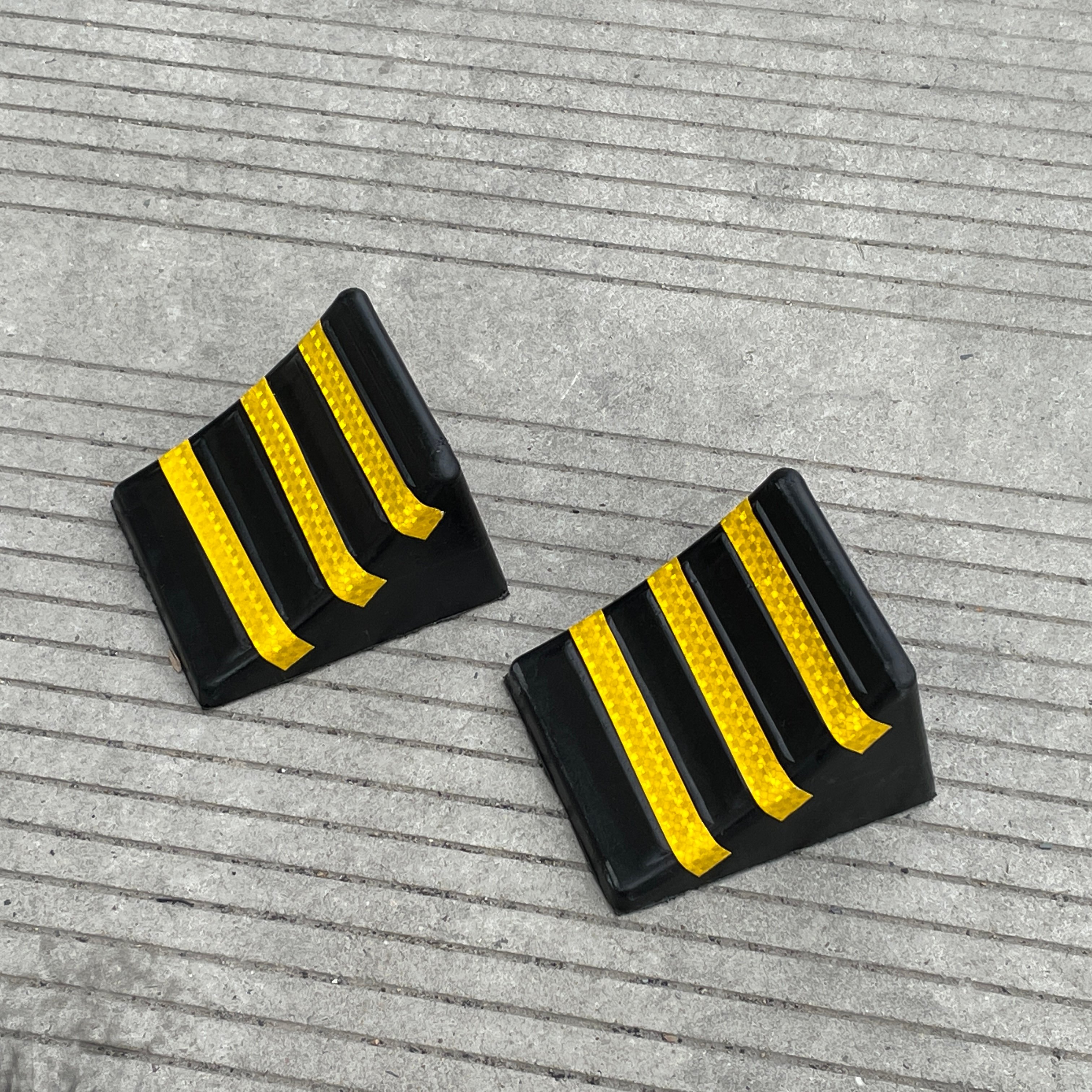
Modern commercial adhesives designed for asphalt can supplement mechanical fasteners when installing parking lot wheel stops. Polyurethane-based adhesives provide flexibility that matches asphalt's seasonal movement better than rigid epoxies. Apply adhesive to the bottom of parking lot wheel stops following the manufacturer's instructions, typically in a bead pattern around the base perimeter. After positioning parking lot wheel stops on the marked line, weight them down with sandbags or temporary supports for the adhesive cure time, usually 24 to 48 hours. Mechanical fasteners should then be installed through the adhesive layer for long-term durability and load capacity.
Installing Parking Lot Wheel Stops on Concrete
Anchor and Fastening Options for Concrete
Concrete's rigid structure provides more reliable fastening for parking lot wheel stops than asphalt. Concrete anchors, including wedge anchors, expansion bolts, or adhesive anchors rated for concrete, create strong connections for parking lot wheel stops. Drill clean holes to the recommended depth—typically 2.5 to 3 inches for standard parking lot wheel stops—using a concrete-rated drill bit and dust collection equipment. Insert anchors into each hole, ensuring they sit flush with the concrete surface before securing parking lot wheel stops fasteners. Follow all manufacturer torque specifications when tightening anchors to prevent over-tightening, which can crack concrete around parking lot wheel stops.
Adhesive Application on Concrete Surfaces
Epoxy-based adhesives work effectively for installing parking lot wheel stops on concrete because concrete's rigidity supports a stronger, more permanent bond. Clean concrete surfaces with a degreaser and let them dry completely before applying adhesive to parking lot wheel stops bases. Mix and apply two-part epoxy according to product instructions, spreading it evenly across the entire base of parking lot wheel stops. Position parking lot wheel stops on the marked location and apply temporary weights while the epoxy cures—typically 24 hours before full strength is achieved. Many installers combine epoxy adhesive with mechanical fasteners for maximum load capacity and weather resistance of parking lot wheel stops.
Post-Installation Best Practices for Parking Lot Wheel Stops
Inspection and Quality Assurance
After installing parking lot wheel stops, inspect each unit for proper alignment, secure fastening, and absence of visible gaps or movement. Test parking lot wheel stops by gently applying hand pressure to ensure they resist lateral movement. Verify that parking lot wheel stops are visually aligned with adjacent units and positioned consistently across all parking spaces. Address any installation defects immediately before the parking area opens to traffic, as loose parking lot wheel stops create liability and safety hazards.
Maintenance and Long-Term Performance
Regular maintenance extends the lifespan of parking lot wheel stops and maintains their protective function. Inspect parking lot wheel stops seasonally for signs of loosening, cracking, or surface degradation caused by vehicle contact or weather exposure. Clean parking lot wheel stops periodically to maintain visibility, especially if painted with reflective markings or branding. Replace any damaged parking lot wheel stops promptly to preserve consistent appearance and safety across the lot. Properly installed parking lot wheel stops with routine maintenance provide 10 to 15 years of reliable service in typical commercial parking applications.
FAQ
What is the standard spacing for parking lot wheel stops?
Parking lot wheel stops should be positioned 12 to 18 inches from the front or rear edge of each parking space, depending on local codes and facility design. This spacing ensures parking lot wheel stops effectively prevent vehicles from encroaching into adjacent areas without creating trip hazards. Verify parking lot wheel stops spacing with local parking regulations and ADA accessibility requirements for your jurisdiction.
Can you install parking lot wheel stops on existing cracked asphalt?
Installing parking lot wheel stops on severely cracked asphalt is not recommended because the surface cannot provide reliable anchor support. Repair cracks and reseal the asphalt surface before attempting to install parking lot wheel stops. If damage is extensive, consider full asphalt patching or resurfacing to ensure proper parking lot wheel stops installation and long-term stability.
How long does adhesive take to cure for parking lot wheel stops?
Adhesive curing time for parking lot wheel stops typically ranges from 24 to 48 hours depending on the product type, temperature, and humidity conditions. Polyurethane adhesives for asphalt may require longer curing periods than epoxy adhesives for concrete installations. Always follow the manufacturer's cure time specifications before allowing vehicle traffic over newly installed parking lot wheel stops.