 EN
EN

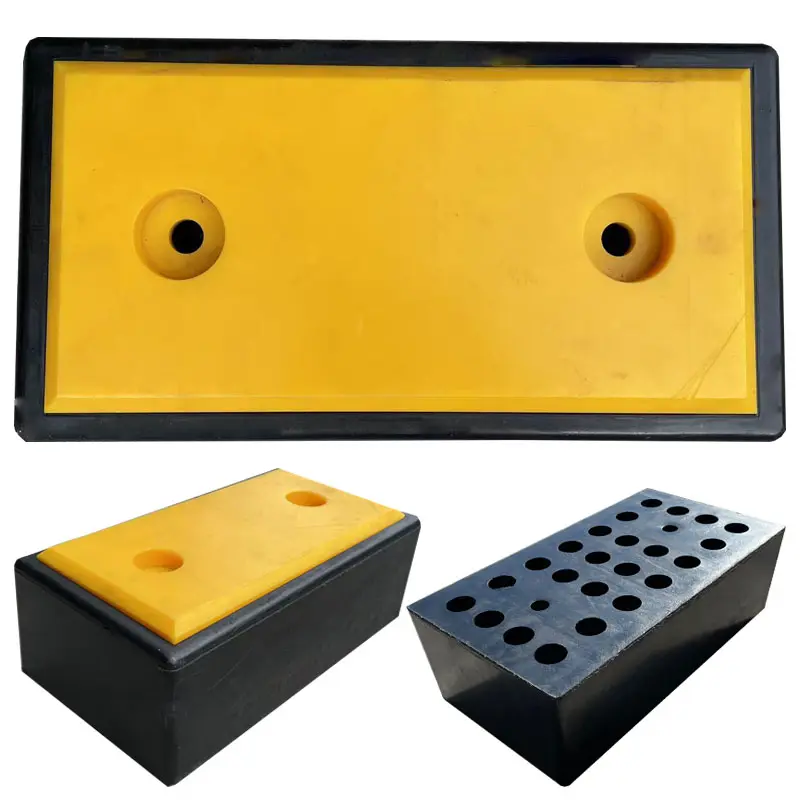
Protecting your dock and vessels from collision damage requires selecting the right boat fender for your specific operational needs. A quality boat fender acts as a critical buffer system between your vessel and dock infrastructure, preventing costly repairs and downtime. Whether you operate a commercial shipping facility, manage a marina, or maintain a private docking area, understanding how to choose the right boat fender can significantly reduce maintenance expenses and extend the lifespan of your waterfront assets.
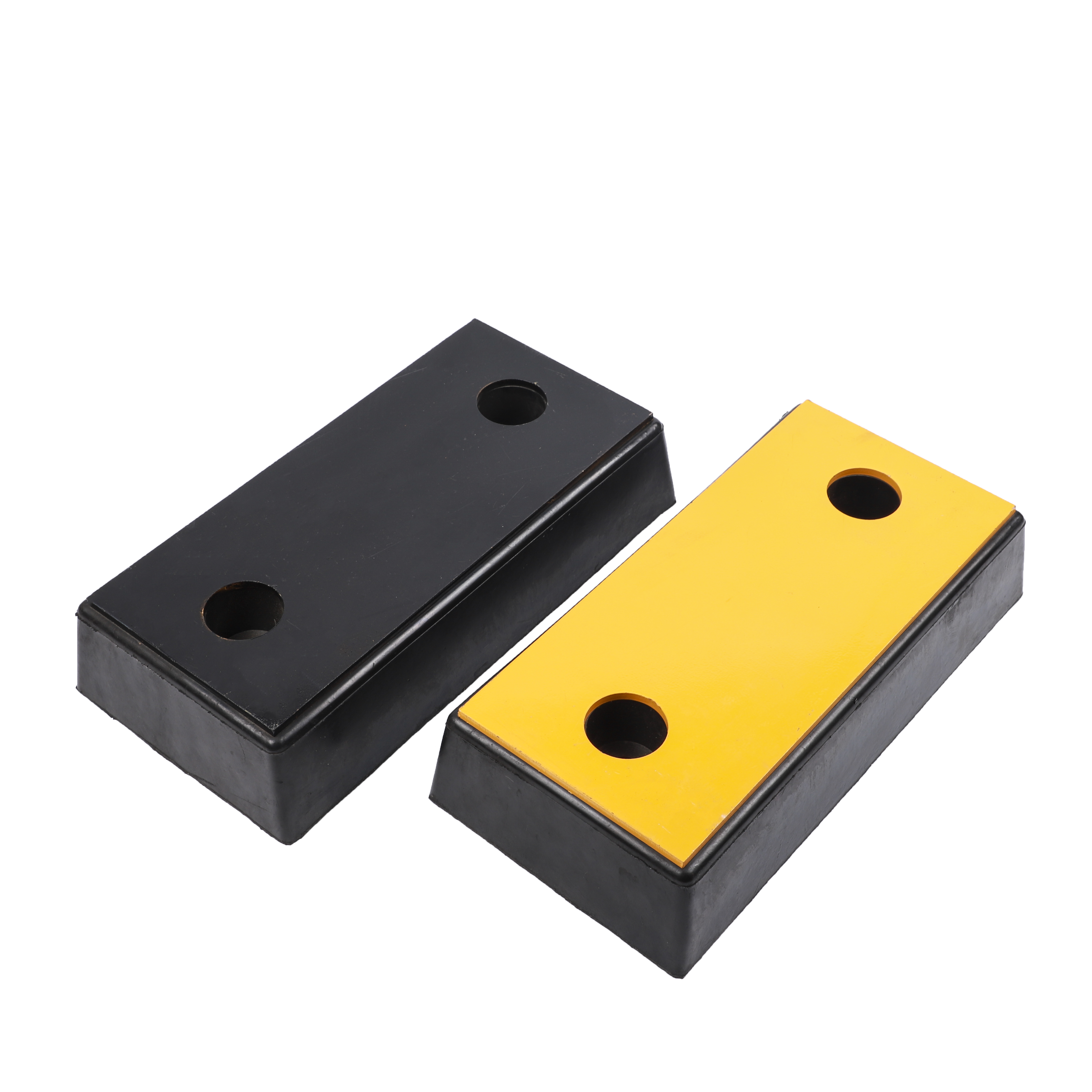
The process of selecting an appropriate boat fender involves evaluating vessel size, dock configuration, water conditions, and operational frequency. Different boat fender designs offer distinct advantages depending on your maritime environment and protection priorities. This comprehensive guide walks you through essential selection criteria, installation considerations, and maintenance strategies to ensure your boat fender delivers reliable performance year-round.
Understanding Boat Fender Types and Materials
Core Boat Fender Designs
Modern boat fender systems come in several primary configurations, each designed to address specific docking scenarios. The cylindrical boat fender remains the industry standard, offering balanced protection across most vessel sizes and dock arrangements. Foam-core boat fender designs provide superior shock absorption and are particularly effective in high-impact environments where vessels frequently encounter docks. Cone-shaped boat fender models excel at directing lateral forces away from vulnerable areas, making them ideal for narrow berths or congested harbors. Chain-suspended boat fender systems distribute weight effectively across multiple contact points, reducing concentrated pressure on any single dock section.
Material Durability and Performance
Selecting the right boat fender material directly impacts longevity and protection effectiveness. Rubber boat fender construction offers excellent UV resistance, chemical stability, and weathering performance in saltwater environments. Foam-infused boat fender products combine buoyancy with compression resistance, preventing water saturation and maintaining consistent protective properties. Natural rubber boat fender options provide superior elasticity and energy dissipation compared to synthetic alternatives. The protective material composition of your chosen boat fender determines how effectively it absorbs impact energy and prevents vessel and dock damage during contact events.
Evaluating Boat Fender Sizing and Capacity
Calculating Proper Boat Fender Dimensions
Boat fender selection requires precise sizing calculations based on your vessel dimensions and operational patterns. The rule of thumb suggests using a boat fender diameter approximately one-tenth of your vessel's waterline beam measurement. For a vessel with a twenty-foot beam width, selecting a two-foot boat fender diameter provides adequate standoff distance and impact protection. Length calculations typically require covering at least sixty percent of your vessel's waterline length with strategically positioned boat fender units. Installing multiple boat fender units along critical contact zones distributes impact forces more effectively than relying on single-point protection.
Load Capacity and Force Distribution
Every boat fender system carries specific weight ratings and force absorption specifications that must match your vessel's mass and movement characteristics. A properly selected boat fender can absorb kinetic energy ranging from five to forty tons depending on construction quality and material composition. The boat fender's compression rating indicates how much pressure it can withstand before permanent deformation occurs. Understanding your vessel's approaching speed and dock configuration helps determine the boat fender load capacity needed for safe operations. High-traffic commercial facilities require boat fender systems rated for frequent impact cycles, while seasonal operations may accommodate lower-capacity boat fender products.
Installation, Maintenance, and Long-Term Protection
Proper Boat Fender Installation Techniques
Installing your boat fender system correctly ensures maximum protection and operational safety throughout its service life. The boat fender should contact the dock or piling at a vertical angle between sixty and ninety degrees to optimize energy absorption. Height adjustment of your boat fender placement directly affects protection effectiveness, requiring alignment with the vessel's contact points rather than your dock infrastructure. Securing the boat fender with appropriate hardware and chains ensures it remains in position during high-wind conditions or unexpected vessel movements. Professional installation of your boat fender system prevents misalignment issues that could compromise protection in critical situations.
Maintenance Strategies for Extended Boat Fender Life
Regular inspection and maintenance of your boat fender investment preserve protective performance and identify deterioration before safety issues develop. The boat fender should be visually examined monthly for cracks, compression set, or material degradation caused by UV exposure and weathering. Cleaning your boat fender periodically removes salt buildup and contaminants that accelerate material breakdown in marine environments. Replacing damaged sections or the entire boat fender unit promptly maintains consistent dock and vessel protection throughout operational seasons. Storing boat fender systems properly during off-seasons extends their useful lifespan and preserves material properties for reliable performance upon redeployment.
FAQ
What makes a quality boat fender different from cheaper alternatives?
Premium boat fender products utilize virgin rubber compounds with superior UV stabilizers and chemical resistance compared to recycled material alternatives. A quality boat fender maintains consistent compression characteristics after hundreds of impact cycles, while inferior boat fender options experience permanent deformation that reduces protection effectiveness. High-grade boat fender construction includes reinforced load-bearing cores and durable attachment points that withstand years of marine exposure and frequent docking operations.
How often should I replace my boat fender system?
The replacement timeline for your boat fender depends on usage frequency, environmental conditions, and maintenance practices. A boat fender in seasonal use may last five to seven years, while high-traffic commercial dock installations require boat fender replacement every two to three years. Regular inspection of your boat fender surface for permanent indentation and hardening indicates when replacement becomes necessary for continued protection effectiveness and vessel safety.
Can a single boat fender protect my entire vessel during docking?
Most vessels require multiple boat fender units strategically positioned along vulnerable contact zones to ensure comprehensive protection during docking operations. A single boat fender may provide localized protection but cannot adequately absorb forces distributed across your vessel's waterline during sideways contact. Professional boat fender system design typically incorporates three to five boat fender units positioned at critical protection points to distribute impact forces safely across multiple components.