 EN
EN


Managing event traffic safely requires strategic planning and the right equipment to guide crowds effectively while maintaining order and preventing safety hazards. Crowd control barriers serve as the foundation of any comprehensive crowd management strategy, providing physical guidance that directs pedestrian flow and establishes clear boundaries at events of all sizes. When properly implemented, these barriers create organized pathways that reduce congestion, minimize confusion, and enhance overall safety for both attendees and event staff.
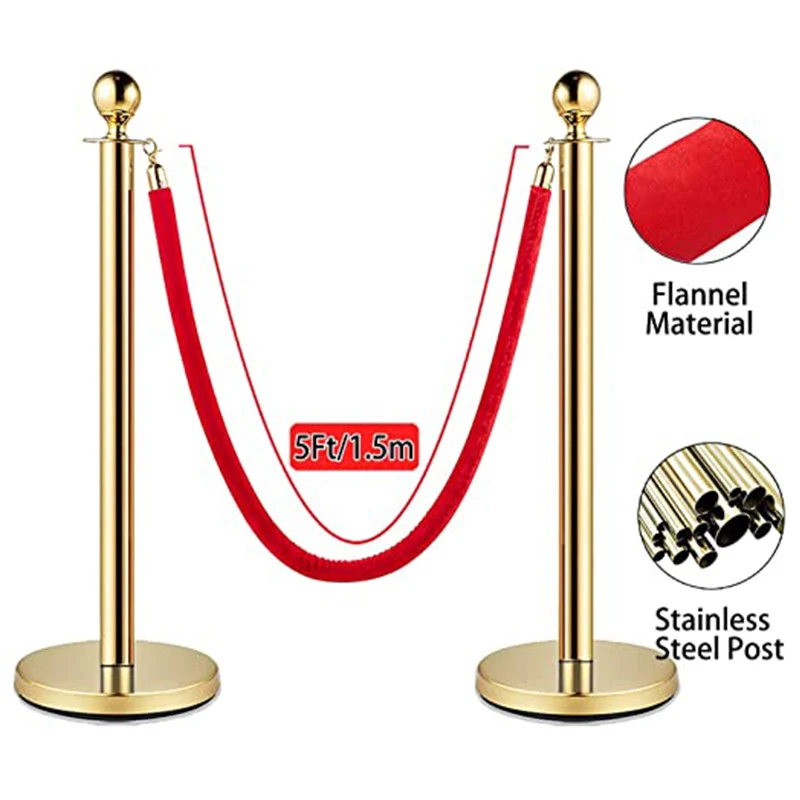
The effectiveness of crowd control barriers depends entirely on how they are deployed and integrated into your overall event safety plan. Understanding the specific techniques for positioning, connecting, and managing these barriers can mean the difference between smooth crowd flow and dangerous bottlenecks that compromise attendee safety. This comprehensive guide explores the proven methods for using crowd control barriers to create safe, organized traffic patterns that protect your guests while maintaining the positive event experience they expect.
Strategic Barrier Placement for Optimal Traffic Flow
Entry and Exit Point Configuration
The most critical application of crowd control barriers begins at entry and exit points, where proper configuration prevents dangerous crushes and ensures orderly access. Position barriers to create wide, funnel-shaped approaches that gradually narrow toward checkpoint areas, allowing security personnel to manage entry rates effectively. Multiple parallel lanes separated by crowd control barriers enable simultaneous processing of different ticket types or access levels while maintaining clear separation between groups.
Exit configurations require even more careful consideration, as emergency evacuation scenarios demand unobstructed egress paths. Create multiple exit channels using crowd control barriers positioned to prevent cross-traffic conflicts, ensuring each pathway remains clearly visible and accessible even during peak departure times. The barrier arrangement should guide natural crowd movement toward exits without creating sharp turns or sudden narrowing that could trigger dangerous crowd compression.
Queue Management and Line Control
Effective queue management using crowd control barriers transforms chaotic crowds into organized lines that move predictably and safely. Implement serpentine queue designs that maximize space efficiency while providing clear visual guidance for attendees, using barriers to create defined pathways that prevent line-cutting and reduce frustration. The serpentine pattern also allows for better crowd density distribution, preventing dangerous accumulation in single areas.
Strategic spacing between crowd control barriers accommodates different crowd densities and allows for comfortable movement within queues. Maintain consistent spacing of approximately four to six feet between parallel barrier runs to prevent overcrowding while ensuring efficient use of available space. This spacing also provides room for staff movement and emergency access when necessary, maintaining operational flexibility throughout the event duration.
Perimeter Security and Boundary Definition
Establishing clear perimeters using crowd control barriers creates defined event boundaries that enhance security while guiding attendee movement along intended pathways. Connect barriers end-to-end to form continuous boundaries that prevent unauthorized access to restricted areas, ensuring gaps are minimized and properly monitored by security personnel. The visual clarity of these boundaries helps attendees understand permitted areas naturally, reducing confusion and enforcement requirements.
Barrier perimeters should accommodate necessary access points for emergency services, vendors, and staff while maintaining overall security integrity. Create designated access gates using removable barrier sections that can be quickly opened or secured as needed, ensuring these access points are clearly marked and properly supervised throughout the event. The crowd control barriers used for perimeter security should be sufficiently robust to withstand crowd pressure while remaining easy to reposition if crowd patterns require adjustment.
Safety Protocols and Barrier Management Techniques
Emergency Access Maintenance
Maintaining emergency access throughout your event requires careful planning of barrier configurations that can be quickly modified or removed during crisis situations. Design your crowd control barriers layout with predetermined emergency lanes that remain clear of obstacles and can be rapidly expanded if needed. Train staff on specific procedures for relocating or removing barrier sections during emergencies, ensuring these protocols are practiced and clearly understood before the event begins.
Emergency access points should be strategically distributed throughout the venue, with crowd control barriers positioned to allow emergency vehicles direct access to all areas. Mark emergency lanes clearly and ensure barrier connections can be quickly disconnected without tools or complex procedures. Regular communication with local emergency services helps coordinate barrier placement that supports their operational requirements while maintaining effective crowd control.
Crowd Density Monitoring and Response
Effective use of crowd control barriers includes ongoing monitoring of crowd density and the ability to adjust barrier configurations in response to changing conditions. Establish clear sight lines that allow staff to observe crowd behavior and identify potential pressure points before they become dangerous. Position barriers to create natural observation points where security personnel can maintain visual contact with multiple areas simultaneously.
When crowd density increases beyond safe levels, crowd control barriers can be repositioned to redirect traffic flow or create additional space in congested areas. Develop predetermined protocols for expanding queue areas or opening alternative pathways using portable barrier sections that can be deployed quickly. This flexibility ensures your barrier system remains responsive to actual crowd behavior rather than rigidly following initial configurations that may prove inadequate.
Staff Coordination and Communication
Successful crowd control barriers deployment requires coordinated staff efforts and clear communication protocols that ensure consistent crowd management throughout the event. Assign specific personnel to monitor each barrier section, providing them with clear instructions on when and how to adjust configurations based on crowd conditions. Regular radio communication between barrier management teams enables rapid response to developing situations and coordinated adjustments across multiple areas.
Staff training should include proper techniques for repositioning crowd control barriers safely while crowds are present, emphasizing the importance of gradual adjustments that don't create sudden disruptions to traffic flow. Provide staff with standardized hand signals and verbal cues for directing crowd movement around barrier adjustments, ensuring consistent communication that attendees can easily understand and follow.
Equipment Selection and Installation Best Practices
Barrier Type Selection for Different Applications
Choosing appropriate crowd control barriers for specific applications ensures optimal performance and safety in different event environments. Heavy-duty steel barriers provide maximum stability for high-pressure situations like concert front-of-stage areas, while lighter portable options offer flexibility for dynamic crowd management needs. Consider the expected crowd behavior, ground conditions, and duration of deployment when selecting barrier specifications that match your specific requirements.
Weather conditions significantly impact barrier selection, as wind resistance and stability requirements vary based on outdoor exposure and seasonal factors. Indoor venues may accommodate lighter crowd control barriers, while outdoor events require weatherproof options with enhanced anchoring capabilities. The visibility of barriers also matters, with bright colors or reflective elements improving crowd guidance in low-light conditions or complex venue layouts.
Proper Installation and Anchoring Methods
Secure installation of crowd control barriers prevents dangerous movement or collapse under crowd pressure, requiring attention to ground conditions and anchoring methods. On hard surfaces, weighted bases or sandbags provide stable anchoring, while soft ground may require stakes or specialized anchoring systems. Ensure all barrier connections are properly secured and regularly inspected throughout the event to maintain structural integrity.
Installation sequences should progress systematically to avoid creating temporary gaps or unstable configurations during setup. Begin with perimeter barriers and major pathway definitions before adding internal queue management systems, ensuring each section is properly anchored before moving to the next. This methodical approach prevents safety hazards during installation and ensures crowd control barriers are ready for effective use as soon as crowds begin arriving.
Maintenance and Inspection Protocols
Regular inspection and maintenance of crowd control barriers during events ensures continued safety and effectiveness throughout the entire event duration. Establish hourly inspection rounds that check barrier connections, anchoring stability, and overall condition, addressing any issues immediately before they compromise crowd safety. Document inspection findings and maintain spare barrier sections readily available for quick replacement if needed.
Maintenance protocols should include procedures for cleaning barriers that become damaged or contaminated, ensuring they remain visible and effective for crowd guidance. Weather-related maintenance may require additional anchoring or protective measures to maintain barrier performance in changing conditions. Post-event inspection and maintenance prepare crowd control barriers for future use while identifying any equipment that requires repair or replacement.
Advanced Crowd Flow Optimization Techniques
Dynamic Barrier Adjustment Strategies
Advanced crowd management involves dynamic adjustment of crowd control barriers based on real-time observation of crowd behavior and changing event conditions. Monitor queue lengths and crowd density continuously, adjusting barrier configurations to accommodate fluctuating attendance levels and shifting traffic patterns. This responsive approach prevents the formation of dangerous bottlenecks while maintaining orderly crowd movement throughout varying event phases.
Implement predetermined expansion protocols that allow rapid deployment of additional crowd control barriers when crowd size exceeds initial estimates. Pre-positioned barrier sections and trained deployment teams enable quick response to changing conditions without disrupting established traffic flow patterns. These dynamic adjustments ensure your crowd management system remains effective regardless of actual attendance variations from projected numbers.
Integration with Technology and Signage
Modern crowd control barriers can be enhanced with integrated technology and clear signage that improves crowd guidance and safety communication. Digital displays mounted on barrier sections provide real-time information about wait times, directions, or safety instructions that help crowds make informed decisions about movement and positioning. LED lighting integrated into barriers improves visibility in low-light conditions while adding aesthetic appeal to the overall event environment.
Clear, multilingual signage attached to crowd control barriers ensures all attendees understand traffic flow expectations and safety requirements regardless of language barriers. Standardized symbols and color coding create universal communication that transcends language differences, improving compliance with crowd management directives. This integration of visual communication with physical barriers creates a comprehensive crowd guidance system that operates effectively in diverse attendee populations.
Psychological Factors in Barrier Placement
Understanding psychological factors that influence crowd behavior enables more effective placement of crowd control barriers that work with natural human tendencies rather than against them. People naturally follow clear pathways and avoid areas that appear blocked or restricted, making barrier positioning a powerful tool for encouraging desired movement patterns. Strategic use of this tendency reduces the need for active crowd direction while maintaining orderly traffic flow.
Visual psychology plays a significant role in how attendees respond to crowd control barriers, with certain colors and configurations appearing more welcoming or authoritative depending on the desired crowd behavior. Curved barrier arrangements feel more natural and less restrictive than sharp angles, encouraging voluntary compliance with traffic direction. Understanding these psychological factors helps optimize barrier placement for both safety and attendee satisfaction throughout the event experience.
FAQ
How far apart should crowd control barriers be spaced for safe pedestrian movement?
Crowd control barriers should typically be spaced 4-6 feet apart for normal pedestrian traffic, allowing comfortable movement while preventing overcrowding. For high-density areas or emergency egress paths, increase spacing to 8-10 feet to accommodate larger crowds safely. Always consider the specific crowd demographics and mobility requirements when determining optimal spacing for your event.
What is the minimum number of crowd control barriers needed for a typical outdoor event?
The number of crowd control barriers required depends on venue size, expected attendance, and event complexity, but a general guideline is one linear foot of barriers per 10-15 expected attendees. This calculation should include perimeter barriers, queue management systems, and emergency access maintenance. Always have 10-20% additional barriers available for dynamic adjustments based on actual crowd behavior and changing conditions.
Can crowd control barriers be used effectively in all weather conditions?
Quality crowd control barriers can be used in most weather conditions when properly anchored and maintained, but extreme weather may require additional precautions or temporary removal for safety. Wind speeds above 25 mph may necessitate additional anchoring or repositioning, while ice or snow conditions require enhanced stability measures. Always have contingency plans for barrier adjustment or removal based on weather forecasts and real-time conditions.
How quickly can crowd control barrier configurations be changed during an active event?
Trained teams can typically reposition crowd control barriers within 5-10 minutes for minor adjustments, while major configuration changes may require 15-30 minutes depending on complexity and crowd density. The key is having predetermined adjustment protocols and adequate staff trained in safe barrier relocation procedures. Practice these adjustments during setup to ensure smooth execution when needed during the event.
Table of Contents
- Strategic Barrier Placement for Optimal Traffic Flow
- Safety Protocols and Barrier Management Techniques
- Equipment Selection and Installation Best Practices
- Advanced Crowd Flow Optimization Techniques
-
FAQ
- How far apart should crowd control barriers be spaced for safe pedestrian movement?
- What is the minimum number of crowd control barriers needed for a typical outdoor event?
- Can crowd control barriers be used effectively in all weather conditions?
- How quickly can crowd control barrier configurations be changed during an active event?