 EN
EN

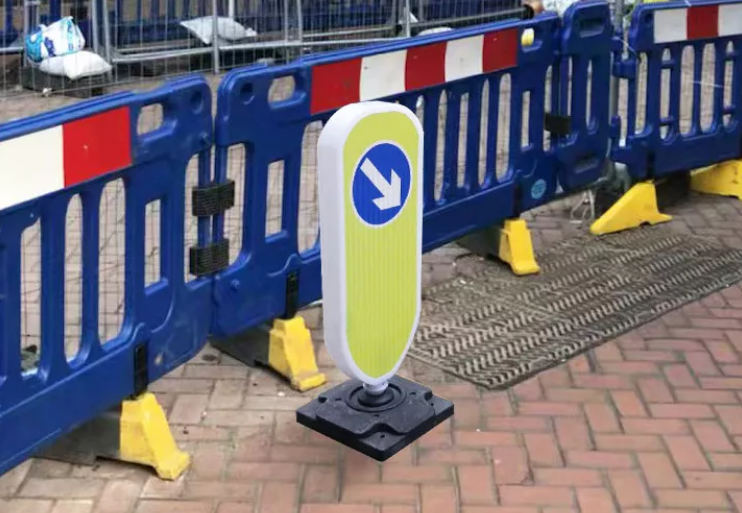
Outdoor environments present unique challenges for maintaining safe and accessible pathways while protecting essential cables and wiring systems. Whether in construction zones, outdoor events, parking facilities, or commercial properties, the need for reliable weatherproof cable covers has become increasingly critical for ensuring both safety and operational continuity. These specialized protective systems must withstand harsh environmental conditions while maintaining full accessibility compliance for pedestrians, wheelchairs, and vehicles.
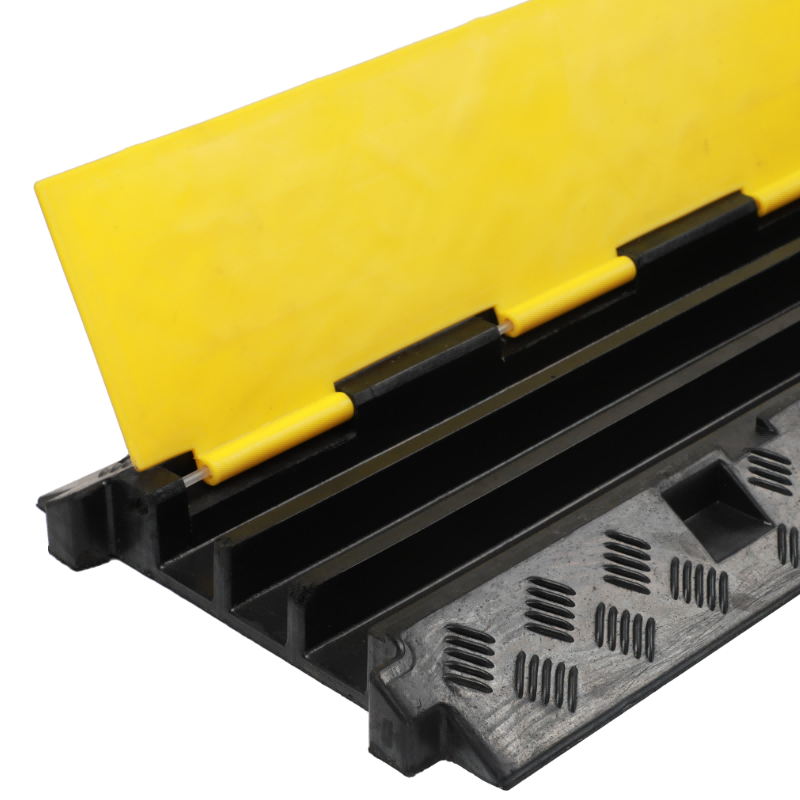
The integration of weatherproof cable covers into outdoor accessibility planning requires careful consideration of multiple factors including material durability, load-bearing capacity, slip resistance, and compliance with accessibility standards. Modern weatherproof cable covers are engineered to provide seamless transitions for mobility devices while protecting valuable electrical infrastructure from moisture, UV radiation, temperature fluctuations, and physical damage. Understanding the specific requirements and capabilities of these systems is essential for facility managers, safety coordinators, and accessibility compliance officers.
Understanding Weatherproof Cable Cover Technology
Material Engineering and Weather Resistance
Advanced weatherproof cable covers utilize specialized polymer compounds and rubber formulations designed to withstand extreme environmental conditions. High-quality covers incorporate UV-stabilized materials that resist degradation from prolonged sun exposure, preventing cracking and brittleness that can compromise both protection and accessibility. The molecular structure of these materials includes anti-oxidants and thermal stabilizers that maintain flexibility across wide temperature ranges, ensuring consistent performance in both freezing and high-heat conditions.
Water resistance represents a critical performance parameter for outdoor weatherproof cable covers, requiring sealed channel designs that prevent moisture infiltration while allowing for thermal expansion and contraction. Premium covers feature integrated drainage channels and water-shedding profiles that direct moisture away from cable pathways. The sealing mechanisms must maintain their integrity through repeated freeze-thaw cycles without compromising the protective barrier or creating accessibility hazards.
Chemical resistance ensures that weatherproof cable covers maintain their structural integrity when exposed to road salts, cleaning chemicals, and environmental pollutants commonly found in outdoor settings. This chemical stability prevents material degradation that could create surface irregularities or reduce the effectiveness of the protective system over time.
Load Distribution and Structural Design
The structural design of weatherproof cable covers must accommodate various load types including pedestrian traffic, wheelchair loads, maintenance equipment, and vehicular traffic depending on the installation location. Advanced designs incorporate internal reinforcement structures that distribute loads evenly across the cover surface while maintaining cable protection underneath. This load distribution prevents point loading that could damage cables or create accessibility barriers.
Modular design principles allow weatherproof cable covers to be configured for different cable quantities and routing requirements while maintaining consistent accessibility characteristics. The interlocking mechanisms between sections must provide secure connections that prevent separation under load while allowing for thermal movement. These connections also ensure smooth transitions between cover sections, eliminating trip hazards and maintaining accessibility compliance.
The base profile of quality weatherproof cable covers features beveled edges and gradual transitions that meet or exceed accessibility slope requirements. These design elements ensure that mobility devices can traverse the covers without difficulty while providing stable footing for pedestrians in all weather conditions.
Accessibility Compliance and Safety Standards
ADA Compliance Requirements
Weatherproof cable covers installed in accessible routes must comply with Americans with Disabilities Act requirements for surface characteristics, transition slopes, and gap dimensions. The maximum allowable slope for accessibility compliance is typically 1:20 for perpendicular transitions, requiring careful attention to cover profile design and installation techniques. Surface textures must provide adequate slip resistance without creating excessive rolling resistance for wheelchairs or difficulty for walking aids.
Gap specifications for weatherproof cable covers are particularly critical in accessibility applications, as openings larger than prescribed limits can trap mobility device wheels or create instability. Quality covers feature precision-engineered gaps that accommodate cables while remaining within accessibility tolerances. The gap configuration must also prevent the accumulation of debris that could create accessibility barriers over time.
Color contrast requirements for accessibility compliance often necessitate high-visibility weatherproof cable covers that provide visual distinction from surrounding surfaces. This visibility helps individuals with visual impairments identify pathway changes while also improving safety for all users by clearly marking the cable protection area.
Safety Performance in Weather Conditions
The slip resistance characteristics of weatherproof cable covers become critically important in wet conditions, requiring surface textures that maintain traction without compromising accessibility. Advanced surface treatments provide consistent grip levels across various weather conditions while allowing water to drain effectively. The surface design must prevent water pooling that could create slip hazards or accessibility barriers.
Thermal performance affects both safety and accessibility, as weatherproof cable covers must not become dangerously hot in direct sunlight or excessively slippery when cold. Light-colored or reflective surfaces help manage thermal loads while maintaining visibility requirements. The material properties must ensure that surface temperatures remain within safe ranges for contact by mobility device users.
Ice and snow management capabilities of weatherproof cable covers influence their suitability for year-round outdoor accessibility applications. The surface profile and material characteristics should promote natural ice shedding and snow removal while maintaining protection for underlying cables. Some designs incorporate features that facilitate de-icing procedures without damaging the protective system.
Installation and Environmental Adaptation
Site Assessment and Preparation
Proper installation of weatherproof cable covers for outdoor accessibility begins with comprehensive site assessment to identify environmental challenges and accessibility requirements. Surface preparation must ensure adequate drainage and stable substrate conditions that will maintain the integrity of the installation over time. The assessment should include evaluation of existing accessibility features and integration requirements with permanent infrastructure.
Environmental factors such as temperature extremes, precipitation patterns, and exposure to chemicals or debris must be considered when selecting and installing weatherproof cable covers. The installation design should account for thermal expansion and contraction that could affect accessibility characteristics if not properly managed. Proper spacing and anchoring techniques ensure that covers maintain their position and profile throughout seasonal changes.
Traffic patterns and usage intensity influence the installation approach for weatherproof cable covers in accessibility applications. High-traffic areas require more robust anchoring and may benefit from additional protective measures to maintain long-term performance. The installation must also consider maintenance access requirements without compromising accessibility compliance.
Maintenance and Longevity Considerations
Regular maintenance protocols for weatherproof cable covers ensure continued accessibility compliance and protection performance throughout their service life. Inspection schedules should include verification of surface conditions, gap dimensions, transition slopes, and overall structural integrity. Any deterioration that could affect accessibility must be addressed promptly to maintain compliance and safety.
Cleaning procedures for weatherproof cable covers must remove accumulated debris and contaminants without damaging the surface texture or protective properties. The cleaning methods should be compatible with the cover materials and environmental conditions while maintaining slip resistance characteristics. Regular cleaning also helps preserve the visual contrast required for accessibility compliance.
Replacement planning considers the expected service life of weatherproof cable covers under specific environmental conditions and usage patterns. Proactive replacement schedules help prevent accessibility violations and maintain consistent protection for cables and infrastructure. The modular nature of quality cover systems facilitates selective replacement of worn sections without disrupting the entire installation.
Application Scenarios and Selection Criteria
Commercial and Industrial Applications
Commercial facilities utilizing weatherproof cable covers for outdoor accessibility must consider the diverse needs of employees, customers, and service providers who access the protected areas. Shopping centers, office complexes, and retail facilities require covers that accommodate high pedestrian volumes while maintaining professional appearance standards. The durability requirements in these applications often exceed basic protection needs due to continuous traffic and exposure to maintenance activities.
Industrial facilities face unique challenges for weatherproof cable covers due to exposure to chemicals, heavy equipment, and harsh operating conditions. The covers must provide reliable protection for critical power and data cables while meeting accessibility requirements for workers and emergency responders. Material selection becomes critical in these environments where chemical resistance and load-bearing capacity are essential performance parameters.
Healthcare and educational facilities require weatherproof cable covers that meet stringent accessibility standards while providing reliable protection for essential systems. Emergency access requirements and diverse user populations necessitate covers that perform consistently across all weather conditions. The visual identification features become particularly important in these settings where wayfinding and safety are paramount concerns.
Temporary and Permanent Installation Considerations
Temporary installations of weatherproof cable covers for events, construction projects, or seasonal applications require systems that provide immediate accessibility compliance without permanent site modifications. The covers must be easily deployable while meeting all safety and accessibility standards throughout the installation period. Weight and portability considerations influence material selection and design features for temporary applications.
Permanent installations demand weatherproof cable covers engineered for extended service life with minimal maintenance requirements. The integration with existing accessibility infrastructure requires careful planning to ensure seamless transitions and consistent compliance standards. Long-term performance expectations include resistance to UV degradation, thermal cycling, and mechanical wear from continuous use.
Hybrid installations may combine permanent and temporary weatherproof cable covers to accommodate changing operational needs while maintaining accessibility compliance. The system design must ensure compatibility between different installation types and consistent performance characteristics across all components. Planning for future modifications or expansions helps optimize the overall protection and accessibility system.
FAQ
What makes cable covers specifically weatherproof for outdoor use?
Weatherproof cable covers incorporate specialized materials and design features including UV-stabilized polymers, sealed channel construction, integrated drainage systems, and chemical-resistant surface treatments. These elements work together to protect cables from moisture infiltration, temperature extremes, UV radiation, and environmental contaminants while maintaining structural integrity and accessibility compliance over extended outdoor exposure periods.
How do weatherproof cable covers maintain accessibility compliance in different weather conditions?
Quality weatherproof cable covers maintain accessibility through consistent surface textures that provide slip resistance in wet conditions, thermal management properties that prevent dangerous temperature extremes, precision-engineered profiles that meet slope requirements, and drainage features that prevent water accumulation. The materials and design ensure that accessibility characteristics remain stable across all seasonal weather variations.
What load capacities can weatherproof cable covers handle while preserving accessibility?
Professional-grade weatherproof cable covers are engineered to support pedestrian traffic, wheelchair loads up to standard accessibility weights, maintenance equipment, and in some cases light vehicular traffic, all while maintaining their accessibility-compliant profile. The specific load capacity depends on the cover design and materials, but quality systems distribute loads effectively to prevent deformation that could create accessibility barriers.
How long do weatherproof cable covers typically last in outdoor accessibility applications?
High-quality weatherproof cable covers designed for accessibility applications typically provide 5-10 years of reliable service in outdoor environments with proper installation and maintenance. Service life varies based on environmental conditions, traffic intensity, and material quality, but premium covers with UV stabilization and chemical resistance often exceed these expectations while maintaining accessibility compliance throughout their operational life.
Table of Contents
- Understanding Weatherproof Cable Cover Technology
- Accessibility Compliance and Safety Standards
- Installation and Environmental Adaptation
- Application Scenarios and Selection Criteria
-
FAQ
- What makes cable covers specifically weatherproof for outdoor use?
- How do weatherproof cable covers maintain accessibility compliance in different weather conditions?
- What load capacities can weatherproof cable covers handle while preserving accessibility?
- How long do weatherproof cable covers typically last in outdoor accessibility applications?