 EN
EN

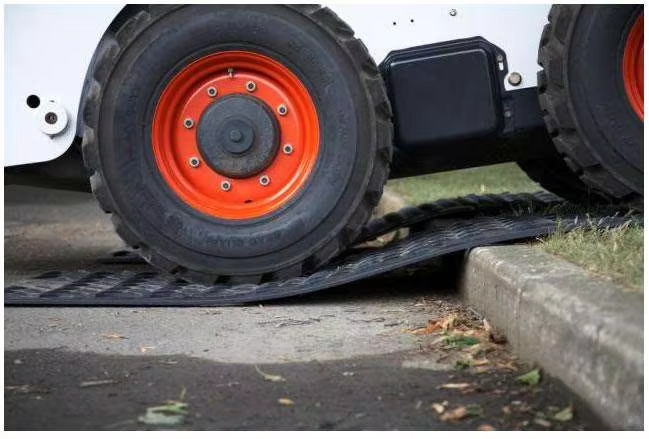
Ground protection mats serve as critical safety and surface preservation solutions across construction sites, event venues, and industrial facilities. These specialized ground protection mats prevent soil compaction, protect vegetation, reduce mud and dust, and create safe working surfaces for heavy equipment and foot traffic. Understanding what ground protection mats are and recognizing why composite ground protection mats have become the preferred choice can significantly impact project efficiency, safety outcomes, and long-term cost savings on any job site.
Composite ground protection mats have revolutionized how professionals manage temporary access and site conditions. Unlike traditional wooden mats or basic plastic solutions, composite ground protection mats combine durability, environmental resistance, and reusability that deliver superior performance across diverse weather conditions and heavy-use scenarios. This comprehensive guide explores the fundamental characteristics of ground protection mats and examines the specific advantages that make composite versions the intelligent choice for modern construction and event management operations.
Understanding Ground Protection Mats and Their Core Function
What Ground Protection Mats Accomplish on Job Sites
Ground protection mats function as temporary flooring solutions that shield underlying soil, grass, and surfaces from the damaging effects of foot traffic, equipment movement, and weather exposure. Standard ground protection mats distribute weight across broader areas, preventing the concentrated pressure that causes soil compaction and surface deterioration. When properly deployed, ground protection mats maintain site accessibility during wet conditions, reduce cleanup costs, and preserve landscape integrity for clients who prioritize environmental responsibility and site restoration.
Common Applications and Industry Use Cases
Construction companies, event planners, utility contractors, and facility managers rely on ground protection mats across numerous scenarios. Heavy equipment operators depend on ground protection mats to access building sites without creating deep ruts or damaging underground utilities. Outdoor event organizers use ground protection mats to protect grass from temporary stage, vendor, and parking installations. Telecom and electrical contractors need ground protection mats when accessing residential properties to minimize lawn damage and maintain customer satisfaction. Environmental remediation teams deploy ground protection mats to control contamination spread and protect sensitive ecosystems during active operations.
Why Composite Ground Protection Mats Outperform Traditional Alternatives
Superior Durability and Lifespan Advantages
Composite ground protection mats are engineered from recycled plastics and composite materials that resist rot, decay, and weather-induced deterioration far better than wooden alternatives. Traditional wooden ground protection mats deteriorate rapidly when exposed to moisture, UV radiation, and ground contact, typically requiring replacement after one or two seasons. Composite ground protection mats maintain structural integrity across multiple years and dozens of deployment cycles, delivering significantly lower cost-per-use when amortized across their operational lifetime. This extended durability transforms ground protection mats from consumable job site materials into reusable capital assets that generate positive return on investment through reduced replacement frequency.
Environmental Benefits and Sustainability Credentials
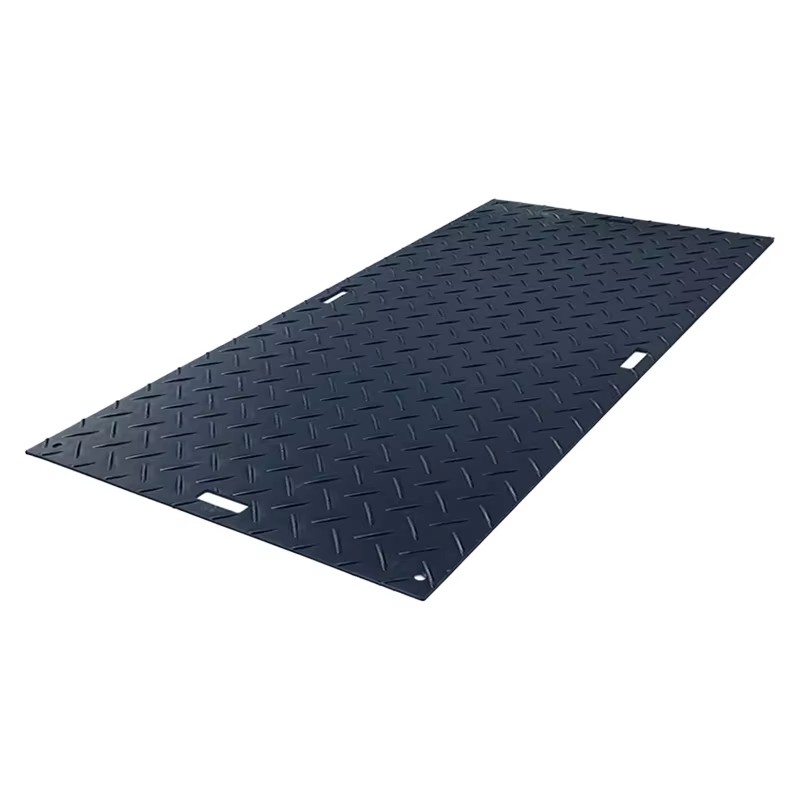
Composite ground protection mats often incorporate recycled plastic content, supporting circular economy initiatives and reducing landfill burden. Unlike wooden ground protection mats, composite versions do not require harvesting virgin timber resources or involve chemical treatments that may leach into soil. The reusability of composite ground protection mats eliminates the waste stream associated with single-use wooden alternatives, aligning with corporate sustainability commitments and environmental regulations increasingly adopted by public agencies and private organizations. Multiple project deployments of the same composite ground protection mats create measurable carbon footprint reductions compared to constantly purchasing new wooden solutions.
Performance Characteristics in Demanding Conditions
Composite ground protection mats maintain traction and structural stability across temperature extremes, wet conditions, and freeze-thaw cycles that compromise traditional materials. Wooden ground protection mats become slippery when wet and brittle in cold weather, creating safety hazards and functional limitations. Composite ground protection mats deliver consistent handling characteristics regardless of seasonal conditions or precipitation, allowing year-round deployment without seasonal restrictions. Heavy equipment operators report improved stability and reduced slip incidents when working on composite ground protection mats compared to alternative solutions, directly enhancing site safety and worker confidence.
Practical Implementation Considerations for Ground Protection Mats
Selection Factors and Site Assessment
Choosing appropriate ground protection mats requires evaluating expected equipment loads, terrain conditions, duration of deployment, and environmental sensitivity. Heavier composite ground protection mats accommodate cranes, concrete pumps, and loaded trucks, while lighter composite ground protection mats suit foot traffic and standard construction equipment. Site managers should assess drainage patterns, existing vegetation, and accessibility requirements before specifying ground protection mats. Professional ground protection mats suppliers can recommend configurations that optimize performance while managing project budgets and rental timelines for specific job site conditions.
Installation, Maintenance, and Removal Protocols
Successful ground protection mats deployment involves proper edge alignment, fastening methods, and drainage considerations that prevent water pooling and surface damage. Composite ground protection mats require minimal ongoing maintenance beyond occasional cleaning and visual inspection for damage. Removal of ground protection mats should occur promptly after project completion to restore site access and prevent vegetation stress from prolonged coverage. Well-maintained composite ground protection mats withstand multiple deployment cycles, making systematic storage and inventory management essential for contractors managing ground protection mats across multiple concurrent projects.
FAQ
How much weight can composite ground protection mats support?
Quality composite ground protection mats typically support concentrated loads between 50,000 and 150,000 pounds per axle, depending on mat thickness, material composition, and underlying soil conditions. Manufacturers provide detailed load ratings for specific ground protection mats products, and site engineers should verify capacity before deploying heavy equipment. Temporary roadway systems incorporating composite ground protection mats may offer even higher capacity through multi-layer configurations that distribute loads across expanded contact areas while maintaining accessibility and surface protection on job sites.
Can ground protection mats be used on slopes or uneven terrain?
Composite ground protection mats function effectively on moderate slopes and uneven terrain when properly secured, though extreme grades may require additional stabilization techniques. Site managers should assess soil conditions and slope angles before assuming standard ground protection mats installation procedures will succeed. Specialized anchoring systems and edge reinforcement can extend the usable range of composite ground protection mats across challenging topography. Professional installation guidance ensures ground protection mats remain stable and deliver intended surface protection regardless of terrain complexity.
What is the expected cost comparison between composite and wooden ground protection mats?
Initial purchase costs for composite ground protection mats typically exceed wooden alternatives by 20 to 40 percent, but total cost of ownership strongly favors composite solutions when accounting for replacement frequency and reusability. Wooden ground protection mats require complete replacement every one or two seasons, while quality composite ground protection mats function effectively across five or more deployment cycles. Equipment rental companies increasingly stock composite ground protection mats because customer demand reflects superior performance and reduced total project costs despite higher per-unit pricing compared to traditional wooden ground protection mats alternatives.