 EN
EN

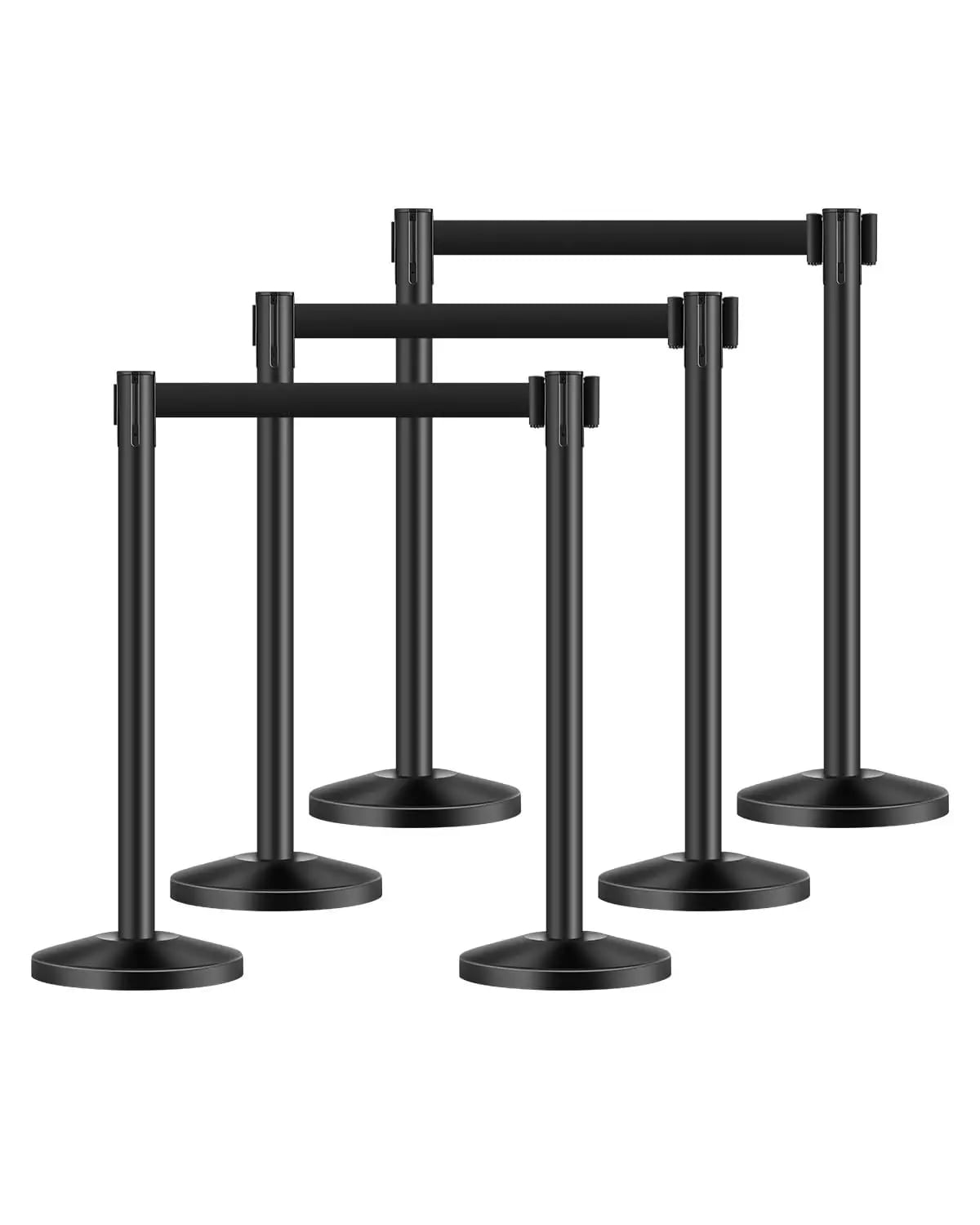
Managing large gatherings requires strategic planning and proper safety infrastructure. Crowd control barriers are essential tools that help event organizers direct foot traffic, prevent congestion, and maintain orderly movement throughout venues. Whether you're hosting a concert, festival, conference, or sporting event, understanding how to deploy crowd control barriers effectively can significantly reduce safety risks and enhance the overall attendee experience. These barriers create physical pathways that guide visitors naturally through designated zones while preventing unauthorized access to restricted areas.
Professional event managers recognize that crowd control barriers are not merely aesthetic elements but critical safety components. By strategically positioning these barriers before your event begins, you establish a framework that allows attendees to move freely while maintaining the structural integrity of your venue. The right crowd control barriers help prevent bottlenecks, reduce emergency response times, and provide security personnel with clear sightlines for monitoring crowd behavior. Implementing crowd control barriers demonstrates your commitment to attendee safety and operational excellence.
Strategic Placement and Layout Design
Understanding Traffic Flow Patterns
Effective crowd control barriers require careful analysis of how people naturally move through your venue. Before installing any crowd control barriers, walk through your event space and identify potential pinch points, entrances, exits, and high-congestion zones. These areas typically form around registration tables, information booths, food service areas, and main stage viewing zones. By positioning crowd control barriers strategically at these locations, you create serpentine queues that distribute people more evenly and prevent sudden dangerous crowd surges. Understanding traffic flow patterns allows you to maximize the efficiency of your crowd control barriers while minimizing frustration among attendees.
Creating Multiple Entry and Exit Routes
Single-entry venues create inherent congestion that crowd control barriers alone cannot resolve. Effective event planning requires multiple entry and exit points, with crowd control barriers guiding people to underutilized access routes. Install separate crowd control barriers for entry, exit, and general circulation pathways to create distinct traffic channels. This separation means attendees heading toward the exit won't collide with people arriving at the venue. Dual-flow systems using crowd control barriers significantly improve movement efficiency and reduce dangerous crushing scenarios during peak hours.
Installation Techniques for Maximum Safety
Securing Crowd Control Barriers Properly
Loose or poorly anchored crowd control barriers create hazards rather than preventing them. Before your event, ensure each barrier is securely fastened to the ground using appropriate hardware. Temporary barriers should include base plates or weighted feet designed to withstand lateral pressure. Check all connection points on your crowd control barriers for stability by applying firm sideways pressure—they should not shift more than a few millimeters. During busy periods, crowds will lean against and push on crowd control barriers, so installation quality directly affects attendee safety and barrier effectiveness throughout your event.
Spacing and Sight Line Considerations
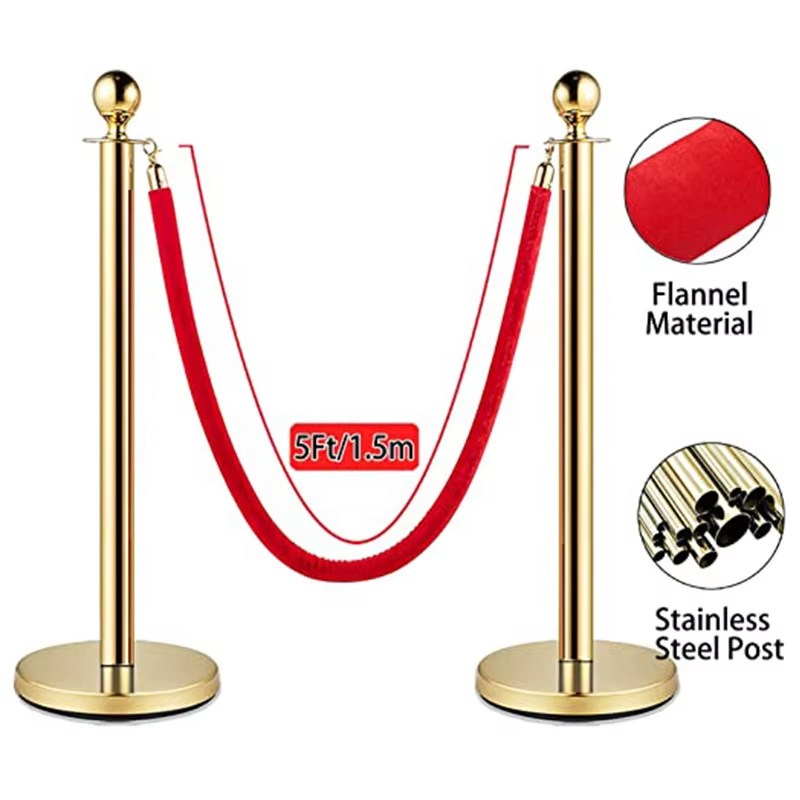
The spacing between crowd control barriers should accommodate comfortable single-file or controlled two-person-wide movement. Barriers positioned too far apart defeat their traffic-management purpose, while spacing them too closely creates bottlenecks and discomfort. Most effective crowd control barriers create queues approximately 3 to 4 feet wide, allowing natural human movement without cramping. Additionally, arrange your crowd control barriers to maintain clear sight lines for security personnel and event staff. Curved configurations of crowd control barriers improve visibility compared to straight lines and subtly encourage slower, more controlled movement through queued areas.
Managing Crowd Dynamics with Barrier Systems
Responding to Real-Time Crowd Pressure
Dynamic events rarely follow predicted traffic patterns perfectly. Professional event teams monitor crowd density and adjust crowd control barriers as needed throughout the day. If certain areas become unexpectedly congested, repositioning crowd control barriers can redirect overflow traffic to less busy zones. Some events use temporary crowd control barriers on wheels, allowing staff to reconfigure the layout within minutes. Having additional crowd control barriers available beyond your minimum requirements provides flexibility to respond to unexpected crowd concentrations without compromising safety or attendee experience.
Integration with Security and Emergency Services
Emergency responders must navigate through your venue quickly during medical or security incidents. Plan your crowd control barriers layout with emergency routes in mind, ensuring paramedics and security personnel can access any location within seconds. Clear pathways behind crowd control barriers or removable sections allow emergency teams to bypass crowded areas. Communicate barrier locations with all event staff, security teams, and local emergency services before attendees arrive. Well-placed crowd control barriers should enhance rather than impede emergency response capabilities, creating designated lanes that actually facilitate faster access to problem areas.
Best Practices for Maintenance and Monitoring
Regular Inspection Before Gates Open
Begin every event day by inspecting all crowd control barriers for damage, rust, loose components, or missing hardware. Weather exposure degrades even quality barriers over time, particularly those stored outdoors between events. Walk your entire venue perimeter and all internal pathways, checking that every crowd control barrier sits level and stable. Replace any questionable barriers rather than risk failure during peak attendance hours. This pre-event verification takes 30 to 45 minutes but prevents safety incidents and ensures your crowd control barriers perform reliably throughout the day.
Staffing Observation Points
Position event staff at strategic points along your crowd control barriers to monitor crowd conditions continuously. These staff members should be trained to recognize dangerous crowd behaviors, such as excessive pushing or reduced movement, and alert management when adjustments become necessary. Staff stationed near crowd control barriers can also prevent people from climbing over barriers, removing sections, or creating gaps that compromise the system. Regular radio communication between barrier-stationed staff and the command center allows rapid response to developing congestion issues, keeping your crowd control barriers functioning as intended throughout your event.
FAQ
What size crowd requires crowd control barriers?
Crowd control barriers become essential for events expecting more than approximately 500 attendees in a defined space. Even relatively small gatherings benefit from light crowd control barriers near entry points or around high-value merchandise displays. The key factor is not total attendance but density—if people will stand closer than natural social spacing, crowd control barriers help. Consider your venue layout, attendee mobility levels, and expected peak-hour density when deciding whether to deploy crowd control barriers.
How many crowd control barriers does a typical event need?
Calculate crowd control barrier quantity by estimating total queue length and dividing by the barrier height to account for multiple queue rows. A 100-person queue with 40-inch barriers typically requires 8 to 10 units to create adequate pathway length. Add 20 to 30 percent additional crowd control barriers for entrance/exit management, VIP areas, and contingency repositioning. Most event venues benefit from owning or renting a flexible supply of crowd control barriers that exceeds minimum anticipated needs, allowing managers to adapt quickly to changing conditions.
Can crowd control barriers be used outdoors in all weather?
Quality crowd control barriers withstand rain, wind, and temperature extremes when properly maintained. Metal barriers require rust-protective coating or stainless steel construction for extended outdoor exposure. Plastic barriers resist weather well but may become brittle in extreme cold. Ensure your crowd control barriers are secured more firmly in outdoor settings where wind presents an additional hazard. Regular maintenance, including protective coating reapplication, extends the lifespan of outdoor crowd control barriers significantly.