 EN
EN

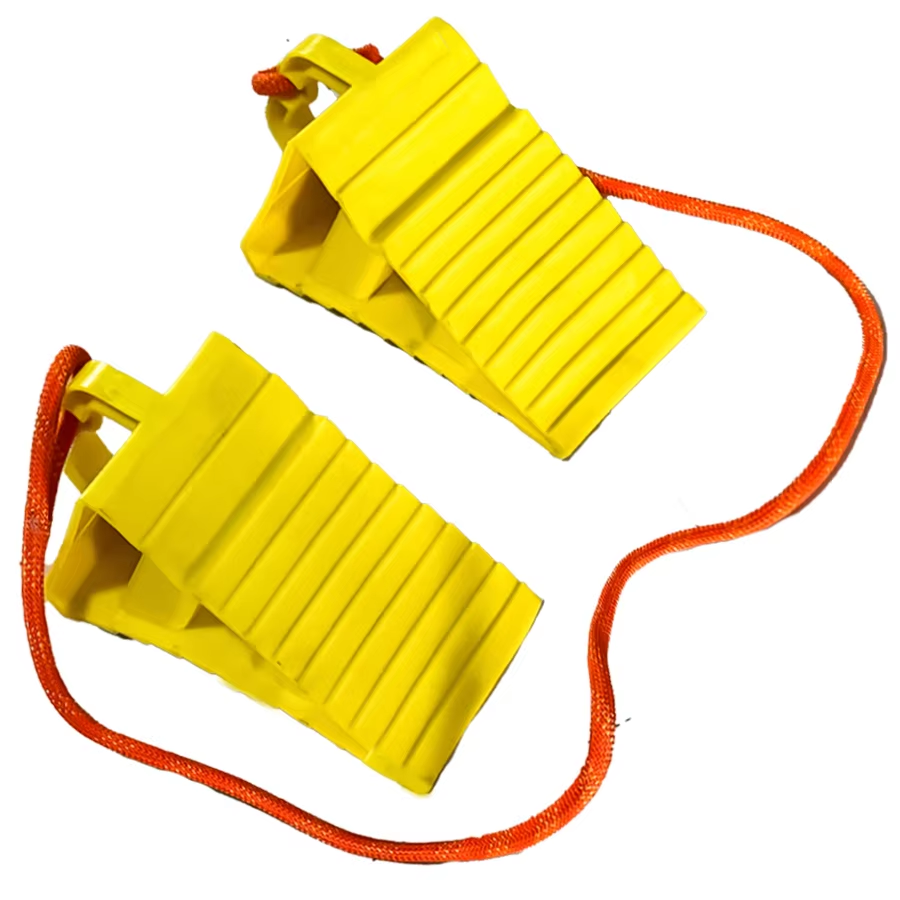
Chaussettes de roue : ce qu’elles sont et quand vous en avez besoin
Stabilisation fiable des véhicules pour la sécurité industrielle et commerciale
Le déplacement des véhicules peut constituer un risque sérieux pour la sécurité dans les parcs industriels, les entrepôts, les quais de chargement, les aéroports, les chantiers de construction et les installations de transport. Même lorsque les conducteurs actionnent le frein de stationnement, les véhicules peuvent tout de même se déplacer de façon imprévue en raison de la pente, du poids important des marchandises, des conditions de la surface ou d’une défaillance mécanique. C’est pourquoi blocs d'arrêt de roue les cales de roue sont considérées comme l’un des outils de sécurité pour véhicules les plus importants dans les secteurs commerciaux.
Les cales de roue sont conçues pour empêcher tout déplacement involontaire du véhicule en bloquant solidement les pneus pendant que les véhicules sont à l’arrêt, en cours de chargement, de déchargement ou de maintenance. Que ce soit pour les camions et remorques, les aéronefs ou les engins de chantier, les cales de roue contribuent à améliorer la sécurité opérationnelle et à réduire les risques d’accident. Pourquoi les cales de roue sont-elles si largement utilisées dans les environnements logistiques et de transport ? La réponse est simple : un léger déplacement imprévu des pneus peut entraîner des dommages importants aux biens, une perte de marchandises, une défaillance d’équipement ou des blessures aux travailleurs.
Les cales de roue modernes sont disponibles dans divers matériaux, tailles et capacités de charge afin de répondre aux différentes applications industrielles. Les cales de roue en caoutchouc, les cales de roue en polyuréthane et les cales de roue robustes sont couramment sélectionnées en fonction du type de véhicule et des conditions d’utilisation. Des surfaces antidérapantes durables, des structures renforcées et des matériaux résistants aux intempéries contribuent à améliorer les performances à long terme dans des environnements exigeants.
De nombreux acheteurs commerciaux se procurent des produits auprès de Solutions de cales de roue YS Traffic Safety parce que l'entreprise propose plusieurs cale de roue options adaptées aux camions, remorques, aéronefs, équipements industriels, entrepôts et projets de sécurité dans le domaine du transport.
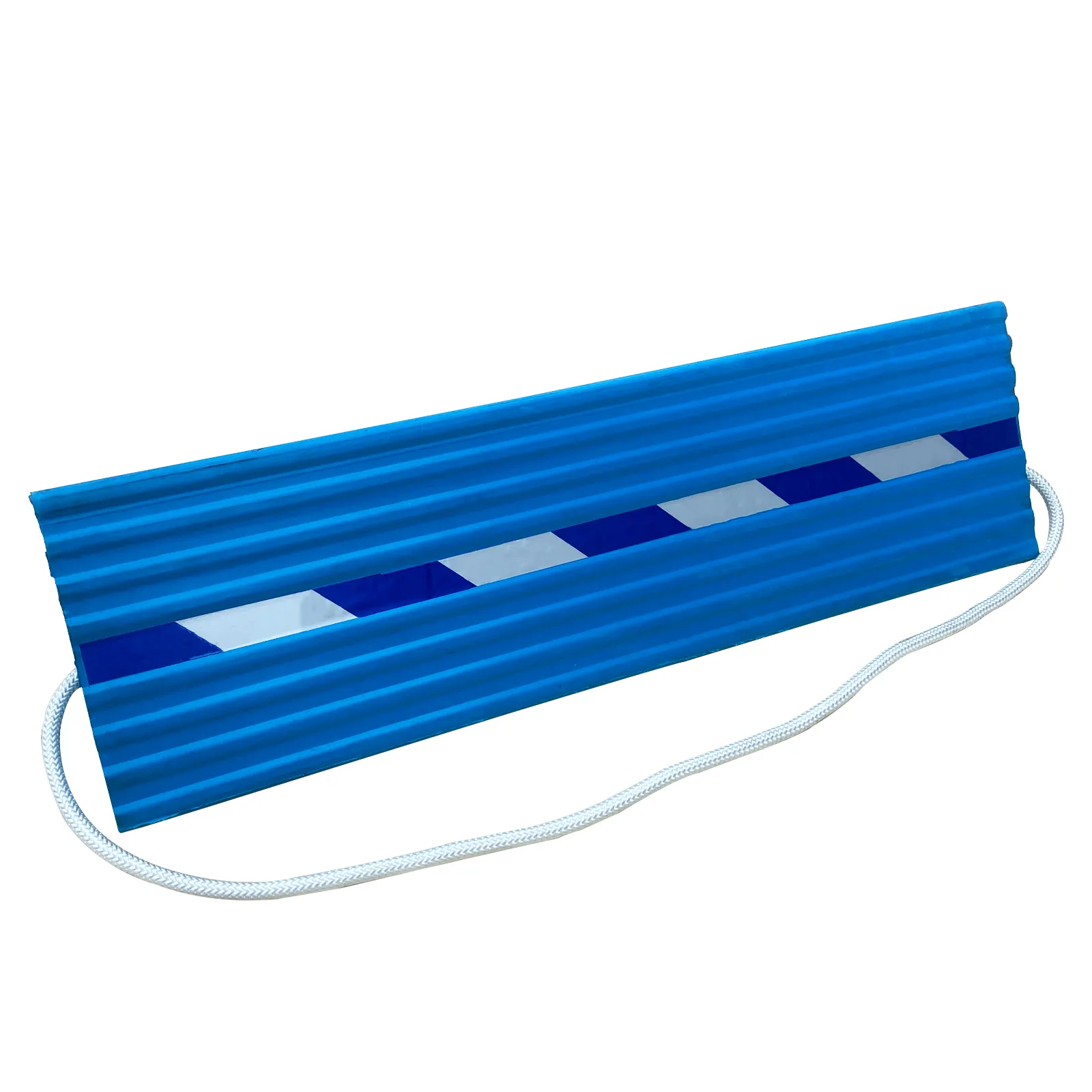
Comprendre la fonction des cales de roue
Prévenir les déplacements involontaires des véhicules
La fonction principale des cales de roue est d'empêcher les véhicules de rouler de façon inattendue. Même lorsque les moteurs sont éteints et que les freins de stationnement sont actionnés, des facteurs externes peuvent tout de même engendrer des risques de déplacement.
Pourquoi les véhicules à l'arrêt peuvent-ils tout de même se déplacer ? Des charges lourdes, des variations de pression hydraulique, l'usure des freins, les vibrations, un sol irrégulier ou des conditions météorologiques peuvent tous réduire la stabilité au stationnement. Les cales de roue constituent une barrière physique supplémentaire qui bloque directement le mouvement des pneus.
Sur les quais de chargement, les cales de roue revêtent une importance particulière, car les chariots élévateurs entrent et sortent à plusieurs reprises des remorques pendant les opérations de chargement. En l'absence d'une stabilisation adéquate des roues, les remorques peuvent se déplacer par rapport aux plates-formes d'accostage, créant ainsi des espaces dangereux entre les véhicules et les zones de chargement.
Les flottes de camions, les exploitants d’entrepôts et les terminaux de transport exigent souvent l’utilisation de cales pour roues dans le cadre de procédures de sécurité standard. Un positionnement correct des cales pour roues réduit considérablement les risques d’accident lors des opérations de manutention des marchandises.
Les réglementations industrielles en matière de sécurité dans de nombreux secteurs recommandent également, voire exigent, l’utilisation de cales pour roues lorsque les véhicules restent à l’arrêt pendant les opérations de maintenance ou de chargement.
Soutenir des opérations de maintenance plus sûres
Les environnements de maintenance des véhicules présentent des défis supplémentaires en matière de sécurité. Les mécaniciens travaillent fréquemment sous les camions, les remorques, les autobus et les engins de chantier lorsqu’ils effectuent des inspections ou des réparations.
Pourquoi les cales pour roues sont-elles essentielles pendant la maintenance ? Un déplacement imprévu du véhicule peut provoquer des blessures graves ou des dommages matériels lorsque des travailleurs interviennent à proximité ou sous des machines lourdes.
Les cales de roue contribuent à créer des conditions de travail stables en empêchant le roulement des pneus. Les ateliers de maintenance utilisent couramment des cales de roue robustes, associées à des vérins hydrauliques ou des crics, afin d’assurer une protection renforcée.
Les entreprises de construction, les opérations minières et les ateliers industriels choisissent souvent des cales de roue en caoutchouc renforcé, car elles offrent une excellente adhérence sur les surfaces en béton, en asphalte et sur les sols irréguliers.
Des cales de roue fiables renforcent également la confiance des travailleurs lors de l’exécution de tâches d’entretien précises. Un positionnement stable des équipements réduit les interruptions opérationnelles et améliore la gestion de la sécurité au travail.
De nombreuses entreprises industrielles incluent les cales de roue parmi l’équipement obligatoire pour les procédures d’inspection et d’entretien des véhicules.
Types courants de cales de roue
Cales de roue en caoutchouc pour véhicules commerciaux
Les cales en caoutchouc pour roues comptent parmi les options les plus couramment utilisées dans les environnements de transport et industriels. Leur construction robuste et leurs excellentes performances antidérapantes les rendent adaptées à de nombreuses applications commerciales.
Pourquoi les cales en caoutchouc pour roues sont-elles si populaires ? Les matériaux en caoutchouc offrent une excellente adhérence au sol tout en résistant à la compression sous le poids élevé des véhicules. Ces cales pour roues restent stables, même lorsqu’elles sont utilisées de façon répétée sous des camions, des remorques et des équipements industriels.
Les cales commerciales en caoutchouc pour roues sont couramment utilisées dans les entrepôts, les quais d’expédition, les centres logistiques, les aéroports et les ateliers de maintenance. Leur résistance aux intempéries permet une utilisation aussi bien en intérieur qu’en extérieur.
De nombreuses cales en caoutchouc pour roues sont également dotées de poignées moulées ou de cordes afin de faciliter leur transport et leur positionnement. Cela améliore le confort opérationnel des travailleurs qui manipulent plusieurs véhicules au cours de la journée.
Les cales en caoutchouc robustes sont particulièrement efficaces pour les gros camions commerciaux, car elles offrent une forte résistance à la pression des pneus et aux déplacements du véhicule.
Une longue durée de vie et des besoins d'entretien réduits font des cales en caoutchouc une solution économique pour les gestionnaires de flottes et les installations industrielles.
Cales en polyuréthane pour une portabilité légère
Les cales en polyuréthane constituent une autre option populaire pour une utilisation commerciale et industrielle. Comparées aux modèles en caoutchouc, les cales en polyuréthane sont souvent plus légères tout en conservant une excellente durabilité.
Pourquoi certains secteurs préfèrent-ils les cales en polyuréthane ? Leur construction légère améliore la portabilité, notamment dans les opérations mobiles nécessitant un transport fréquent de l’équipement de sécurité.
Les aéroports utilisent couramment des cales en polyuréthane, car celles-ci offrent une haute visibilité ainsi qu’une excellente résistance aux carburants, aux produits chimiques et aux intempéries. Leurs couleurs vives améliorent également la visibilité opérationnelle dans les zones de service aéronautique.
Les cales en polyuréthane sont fréquemment choisies dans les secteurs de l’aviation, des véhicules d’urgence, des flottes utilitaires et des transports spécialisés, où la réduction du poids est un critère important.
Ces cales résistent également aux fissurations et à la déformation sous l’effet de conditions environnementales changeantes. Leurs structures de surface durables assurent une adhérence fiable, même après une utilisation prolongée en extérieur.
Pour les entreprises recherchant un équipement portable mais robuste de stabilisation de véhicules, les cales en polyuréthane offrent un équilibre pratique entre résistance et facilité de manutention.
Applications des cales dans différents secteurs industriels
Opérations de transport et de logistique
Les installations de transport comptent largement sur les cales pour garantir la sécurité lors des opérations de chargement et de déchargement. Les camions, remorques et véhicules de transport de conteneurs restent souvent stationnés aux quais pendant de longues périodes durant les procédures de manutention des marchandises.
Pourquoi les cales de roue sont-elles essentielles dans les environnements logistiques ? Les déplacements répétés des chariots élévateurs à l’intérieur des remorques génèrent des forces de déplacement qui peuvent faire bouger les véhicules de façon inattendue si les roues ne sont pas correctement immobilisées.
Les responsables d’entrepôt exigent couramment l’utilisation de cales de roue à chaque quai de chargement afin de réduire les risques d’accident. Un positionnement stable des remorques contribue à améliorer l’efficacité des chariots élévateurs et protège les équipements du quai contre les dommages par impact.
Les gestionnaires de flotte utilisent également des cales de roue lors des inspections des véhicules, des opérations de ravitaillement en carburant et des procédures de stationnement nocturne. Une stabilisation constante des roues améliore la gestion globale de la sécurité dans le transport.
Les cales de roue robustes conçues pour les camions commerciaux offrent une résistance accrue aux charges importantes exercées par les pneus ainsi qu’aux contraintes opérationnelles répétées.
Des cales de roue fiables aident également les entreprises à se conformer aux protocoles industriels de sécurité et aux exigences liées aux inspections des lieux de travail.
Sécurité des équipements de construction et industriels
Les chantiers de construction impliquent plusieurs types de machines lourdes en fonctionnement sur des terrains accidentés. Les pelles mécaniques, les chargeuses, les grues et les camions-bennes peuvent devenir instables si elles sont stationnées sans systèmes de retenue adéquats pour les roues.
Pourquoi les entreprises de construction dépendent-elles des cales pour roues ? Les conditions du sol sur les chantiers changent fréquemment en raison de la boue, du gravier, des pentes ou des sols meubles. Le frein de stationnement seul peut ne pas offrir une stabilité suffisante dans ces conditions.
Les cales pour roues robustes améliorent la sécurité des équipements en créant une résistance supplémentaire des pneus contre tout mouvement de roulement. Les opérateurs placent fréquemment des cales pour roues lors du stationnement des équipements, du chargement, de la maintenance et du ravitaillement en carburant.
Les usines industrielles utilisent également des cales pour roues sur les remorques de machines lourdes, les véhicules de service et les groupes électrogènes mobiles qui opèrent à proximité des zones de production.
Les cales pour roues durables conçues pour des applications industrielles présentent souvent des structures renforcées capables de supporter des charges extrêmement lourdes.
La construction résistante aux intempéries est particulièrement importante pour les opérations industrielles en extérieur exposées à la pluie, à la chaleur, à l’huile et au contact de produits chimiques.
Choisir les cales de roue adaptées
Prise en compte de la taille et du poids du véhicule
Le choix des cales de roue appropriées dépend fortement de la taille du véhicule et de son poids en charge. Des cales de roue de petite taille peuvent ne pas offrir une résistance suffisante pour de grands véhicules commerciaux ou des machines industrielles.
Pourquoi le dimensionnement correct est-il important ? Les cales de roue doivent résister à la pression exercée par les pneus tout en conservant une position stable sous charge. Des cales de roue sous-dimensionnées risquent de glisser ou de se comprimer excessivement pendant l’utilisation.
Les acheteurs commerciaux doivent évaluer le diamètre des pneus, le poids du véhicule, la charge par essieu et les conditions de stationnement avant de sélectionner des cales de roue. Les camions lourds nécessitent des cales de roue plus robustes que les véhicules particuliers ou les équipements utilitaires légers.
Les installations industrielles standardisent souvent les spécifications des cales de roue au sein de leurs flottes afin de simplifier la gestion des stocks et les procédures de formation du personnel.
Les fabricants fournissent généralement des recommandations concernant la capacité de charge pour les différents modèles de cales de roue. Le choix de cales de roue correctement homologuées améliore la sécurité et la fiabilité opérationnelle.
Des cales de roue plus grandes offrent également une surface de contact accrue, ce qui améliore l’adhérence sur des surfaces au sol irrégulières.
Performance des matériaux et conditions environnementales
Les différents environnements exigent des matériaux distincts pour les cales de roue. Sur les sites industriels extérieurs, les cales de roue peuvent être exposées à l’humidité, aux produits chimiques, aux rayons du soleil ou à des températures extrêmes.
Pourquoi la sélection du matériau est-elle si importante ? Des matériaux de mauvaise qualité peuvent se fissurer, se déformer ou perdre leur adhérence dans des conditions exigeantes.
Les cales de roue en caoutchouc offrent une excellente traction et une absorption efficace des chocs, ce qui les rend idéales pour les entrepôts et les aires de transport. Les cales de roue en polyuréthane, quant à elles, sont plus légères et présentent une résistance chimique supérieure, ce qui les rend particulièrement adaptées aux opérations aéronautiques et aux services publics.
Certains environnements industriels exigent des butées de roue résistantes à l’huile ou aux étincelles pour des applications spécialisées en matière de sécurité.
Les acheteurs commerciaux doivent également tenir compte des conditions de stockage, de la fréquence de transport et des exigences de nettoyage lors du choix des matériaux des butées de roue.
Les butées de roue de haute qualité conçues pour une utilisation industrielle offrent généralement une durée de vie plus longue et des coûts de remplacement inférieurs à long terme.
Pratiques de sécurité importantes pour l’utilisation des butées de roue
Positionnement correct pour une stabilité maximale
Un positionnement approprié est essentiel au bon fonctionnement des butées de roue. Un positionnement incorrect peut réduire la capacité de retenue du pneu et créer une fausse impression de sécurité.
Pourquoi les butées de roue nécessitent-elles un positionnement précis ? Les pneus se déplacent naturellement vers le bas de la pente ou sous l’effet de la pression de la charge. Les butées de roue doivent toujours être placées fermement contre le point de contact du pneu afin de bloquer le sens de roulage.
Pour les véhicules stationnés sur des pentes, des cales de roue sont généralement installées sur les côtés descendants des pneus. Dans de nombreuses applications commerciales, les travailleurs utilisent des cales de roue des deux côtés des roues afin d’assurer une stabilité accrue.
Le personnel des quais de chargement doit vérifier le positionnement des cales de roue avant que les chariots élévateurs n’entrent dans les remorques. Des procédures d’inspection cohérentes améliorent la sécurité opérationnelle et réduisent les risques d’accidents.
Former les employés au positionnement correct des cales de roue est tout aussi important. Même des cales de roue de haute qualité peuvent devenir inefficaces si elles sont utilisées de manière incorrecte.
Les programmes commerciaux de sécurité incluent souvent des procédures normalisées relatives aux cales de roue dans le cadre des protocoles opérationnels quotidiens.
Procédures régulières d'inspection et d'entretien
Les cales de roue subissent, lors de leur utilisation commerciale, une pression continue, des frottements et une exposition aux agents environnementaux. Des inspections régulières permettent de maintenir des performances fiables en matière de sécurité.
Pourquoi les entreprises doivent-elles inspecter régulièrement leurs cales de roue ? Des cales de roue endommagées ou usées peuvent perdre, avec le temps, leur pouvoir d’adhérence, leur stabilité structurelle ou leur résistance aux charges.
Les travailleurs doivent inspecter les cales de roue avant chaque utilisation afin de détecter toute fissure, usure excessive, déformation ou dommage à la surface. Toute cale de roue endommagée doit être remplacée immédiatement.
Le nettoyage des cales de roue améliore également leurs performances en éliminant l’huile, la saleté, la boue ou les débris susceptibles de réduire le frottement de surface.
Les exploitants de flottes commerciales disposent souvent d’aires de stockage dédiées pour les cales de roue afin d’éviter tout dommage inutile lors du transport ou de la manutention.
Les programmes de maintenance préventive contribuent à prolonger la durée de vie des cales de roue tout en favorisant des opérations sur le lieu de travail plus sûres.
Avantages des fournisseurs directs d’usine de cales de roue
Soutien à l’approvisionnement en gros pour les acheteurs commerciaux
Les grandes entreprises industrielles ont souvent besoin de quantités importantes de cales de roue dans plusieurs installations, flottes ou sites de projets. Les fournisseurs directs d’usine offrent un meilleur soutien pour ces besoins importants en approvisionnement.
Pourquoi les entreprises privilégient-elles les fabricants directs de butées de roue ? L’approvisionnement direct améliore la régularité des prix, la fiabilité de la production et la disponibilité des stocks pour les commandes en gros.
Les fabricants peuvent également fournir des butées de roue sur mesure, avec des dimensions, des couleurs, des logos ou des solutions d’emballage différents, selon les besoins du projet.
L’achat en gros permet aux entreprises de transport, aux entrepôts et aux distributeurs de réduire leurs coûts d’approvisionnement à long terme, tout en maintenant un équipement de sécurité standardisé dans l’ensemble de leurs opérations.
Des usines fiables soutiennent également les commandes récurrentes liées à l’extension d’une flotte ou à la gestion des stocks de remplacement.
Les acheteurs commerciaux accordent souvent une grande importance aux relations durables avec leurs fournisseurs, car celles-ci simplifient la coordination future des achats et garantissent une constance de qualité.
Fabrication sur mesure pour des applications spécialisées
Différents secteurs exigent des conceptions variées de butées de roue. Les environnements aéronautique, minier, de construction et logistique impliquent tous des conditions opérationnelles spécifiques.
Pourquoi la personnalisation est-elle importante pour les cales de roue ? Des applications spécialisées peuvent nécessiter des dimensions spécifiques, des capacités de charge particulières, des motifs antidérapants ou des propriétés de résistance chimique.
Des fabricants professionnels peuvent concevoir des cales de roue sur mesure conformément aux exigences du secteur. Les services OEM et ODM aident les distributeurs et les entrepreneurs de projets à proposer des solutions adaptées aux marchés locaux.
Des cales de roue personnalisées en couleur peuvent améliorer la visibilité dans des environnements opérationnels très fréquentés. Des cales de roue marquées peuvent également renforcer l’identification de l’entreprise et les systèmes de gestion des stocks.
Des usines disposant de capacités de fabrication avancées peuvent proposer plusieurs options de cales de roue adaptées à différentes catégories de véhicules et à diverses conditions environnementales.
Les acheteurs commerciaux bénéficient d’un soutien flexible en matière de production, combiné à des systèmes professionnels de contrôle qualité.
FAQ
À quoi servent les cales de roue ?
Les cales de roue sont utilisées pour empêcher tout déplacement involontaire du véhicule pendant le stationnement, le chargement, le déchargement, la maintenance ou les opérations de stockage. Elles contribuent à améliorer la sécurité des camions, des remorques, des aéronefs et des équipements industriels.
Quel matériau est le plus adapté pour les cales de roue
Les cales de roue en caoutchouc offrent une excellente adhérence et une grande durabilité pour une utilisation commerciale lourde, tandis que les cales de roue en polyuréthane sont plus légères et présentent une forte résistance chimique, ce qui les rend adaptées à des applications spécialisées telles que l’aviation.
Où doivent être placées les cales de roue
Les cales de roue doivent être positionnées fermement contre les pneus, dans la direction où un déplacement du véhicule pourrait se produire. Sur les pentes, elles sont généralement installées sur le côté descendant des roues afin d’assurer une stabilité maximale.
Pourquoi les cales de roue sont-elles importantes aux quais de chargement
Les cales de roue permettent d’éviter tout déplacement des remorques pendant les opérations de chargement et de déchargement effectuées à l’aide d’un chariot élévateur. Une stabilisation adéquate des roues réduit les risques d’accident et améliore la gestion de la sécurité aux quais de chargement.
Pour plus d'informations sur les cales industrielles pour roues et les produits de sécurité pour véhicules commerciaux, visitez Le site officiel YS Traffic Safety .
Table des matières
- Chaussettes de roue : ce qu’elles sont et quand vous en avez besoin
- Stabilisation fiable des véhicules pour la sécurité industrielle et commerciale
- Comprendre la fonction des cales de roue
- Types courants de cales de roue
- Applications des cales dans différents secteurs industriels
- Choisir les cales de roue adaptées
- Pratiques de sécurité importantes pour l’utilisation des butées de roue
- Avantages des fournisseurs directs d’usine de cales de roue
- FAQ