Professional Kerb Ramps: Enhanced Accessibility Solutions for Universal Access

All Categories

Get a Free Quote

Our representative will contact you soon.
Name
Company Name
Email Address
Phone Number
Message/Questions
0/1000

kerb ramp

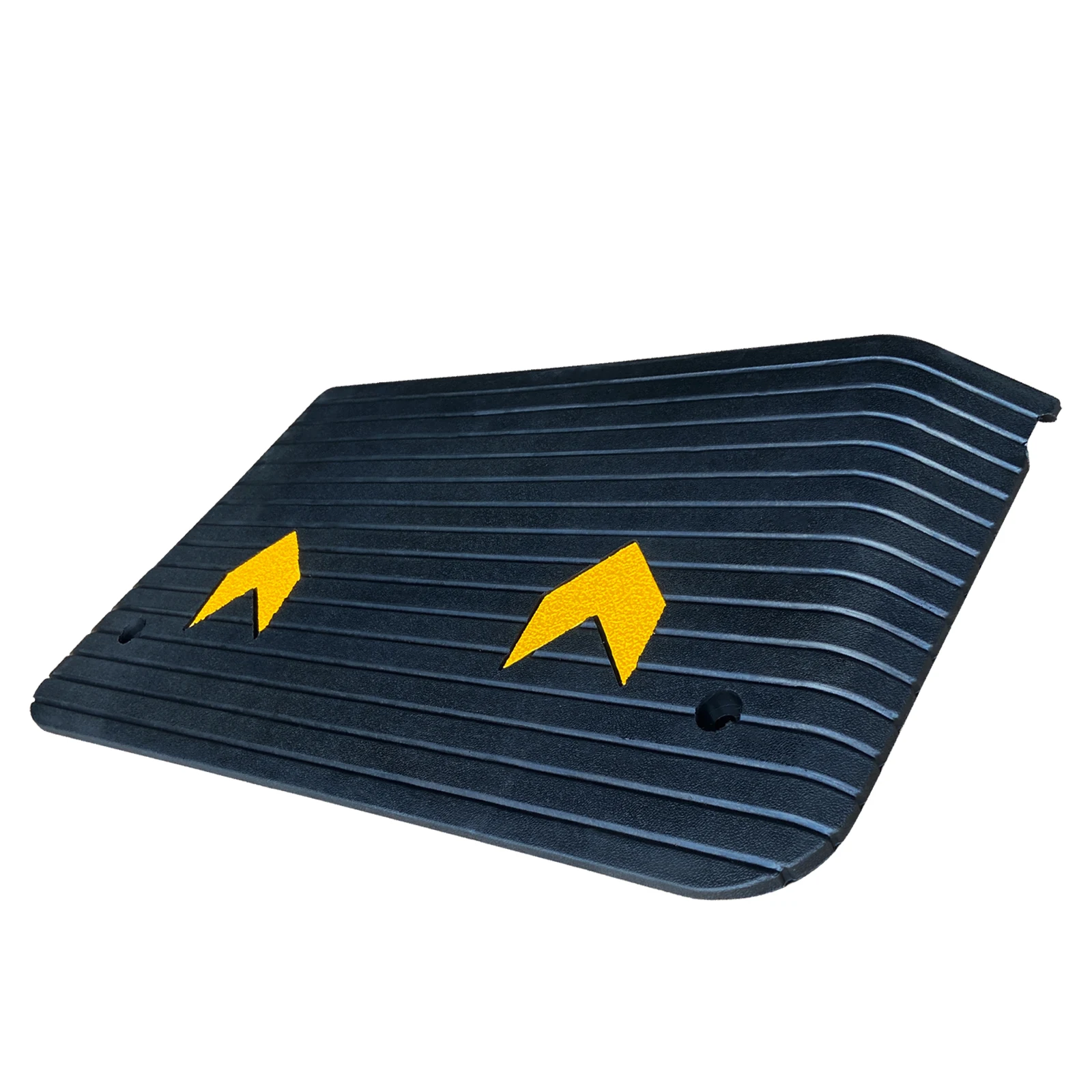
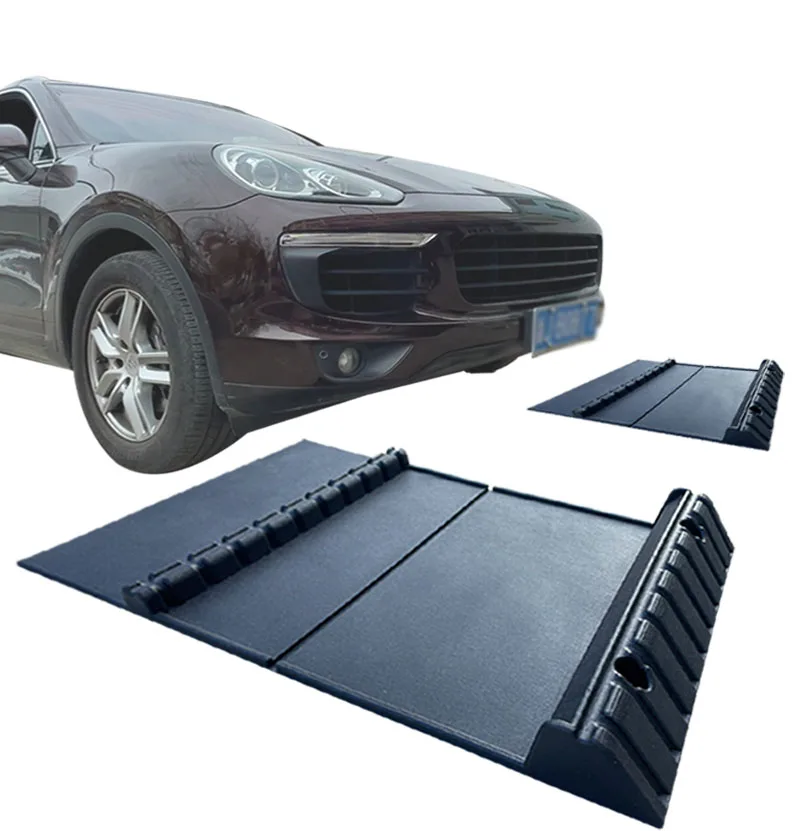
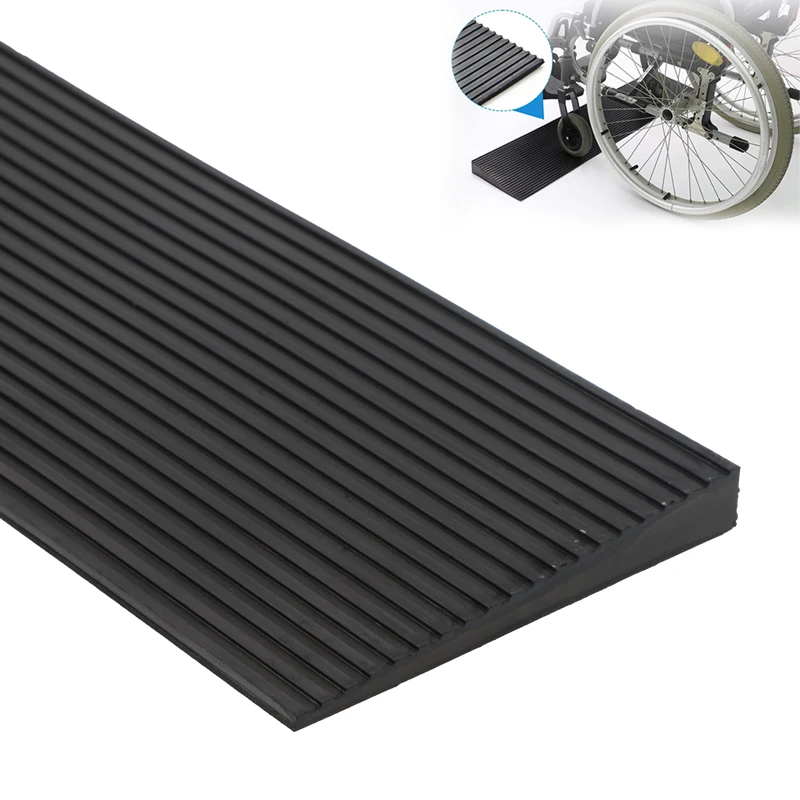
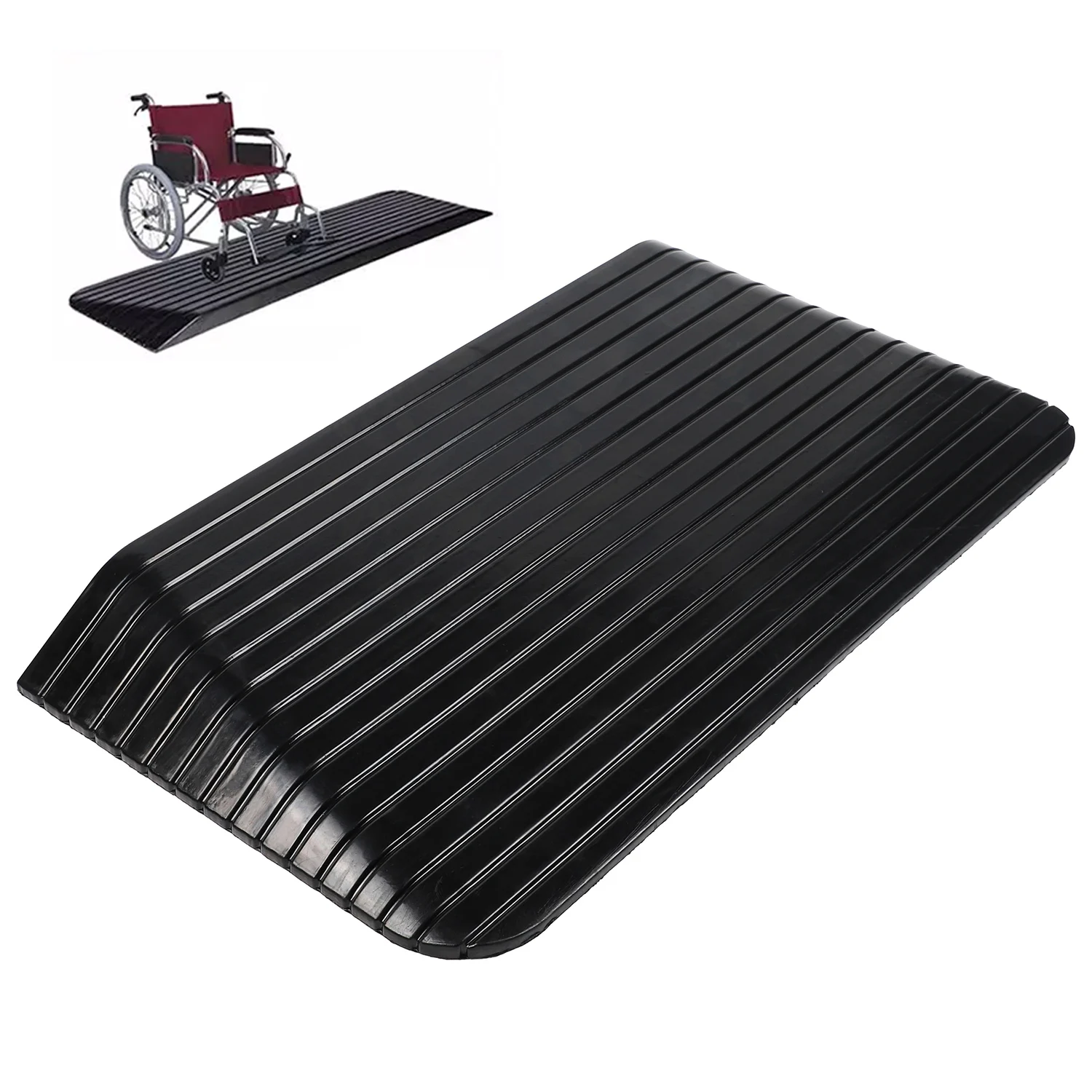
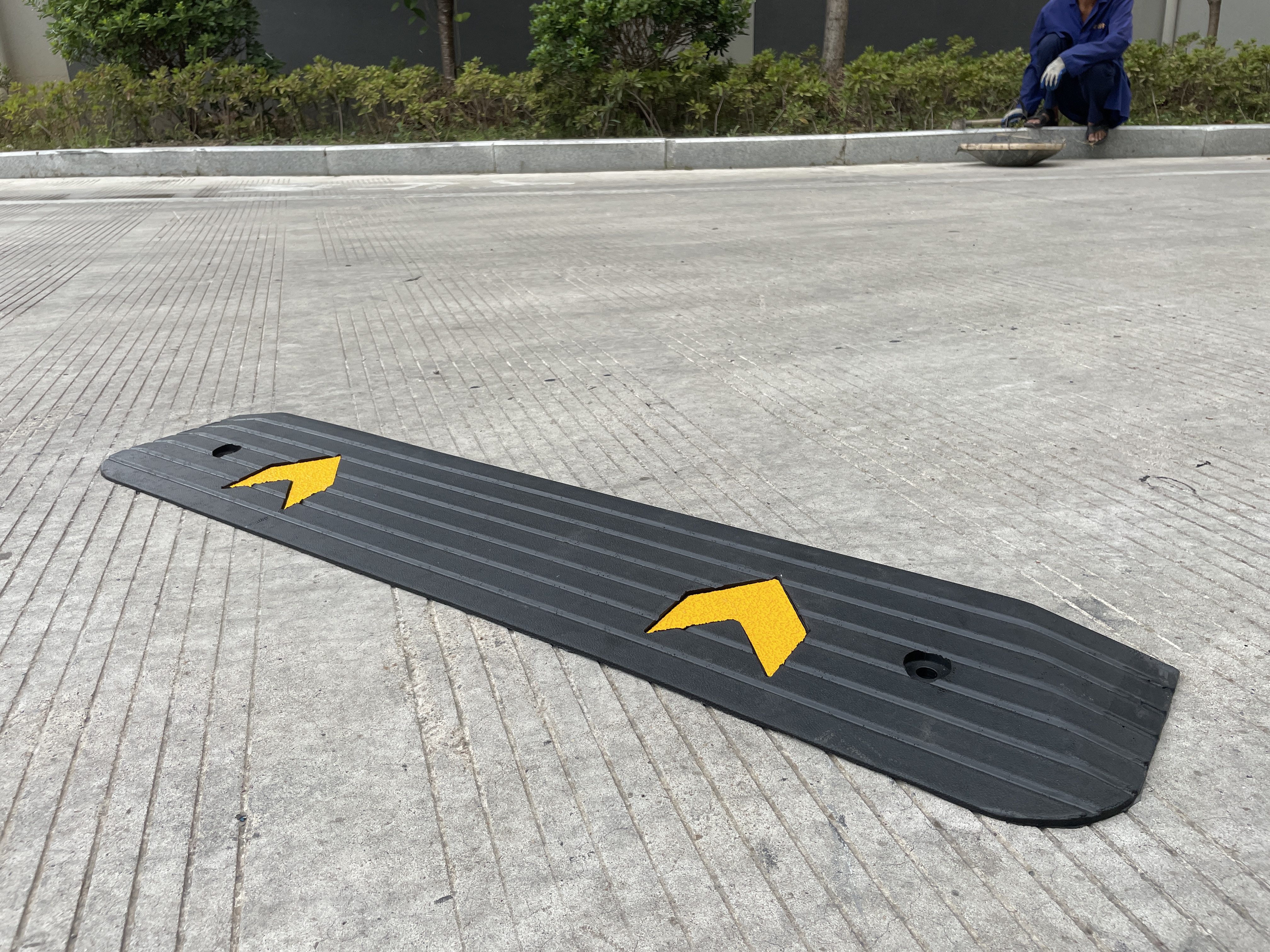
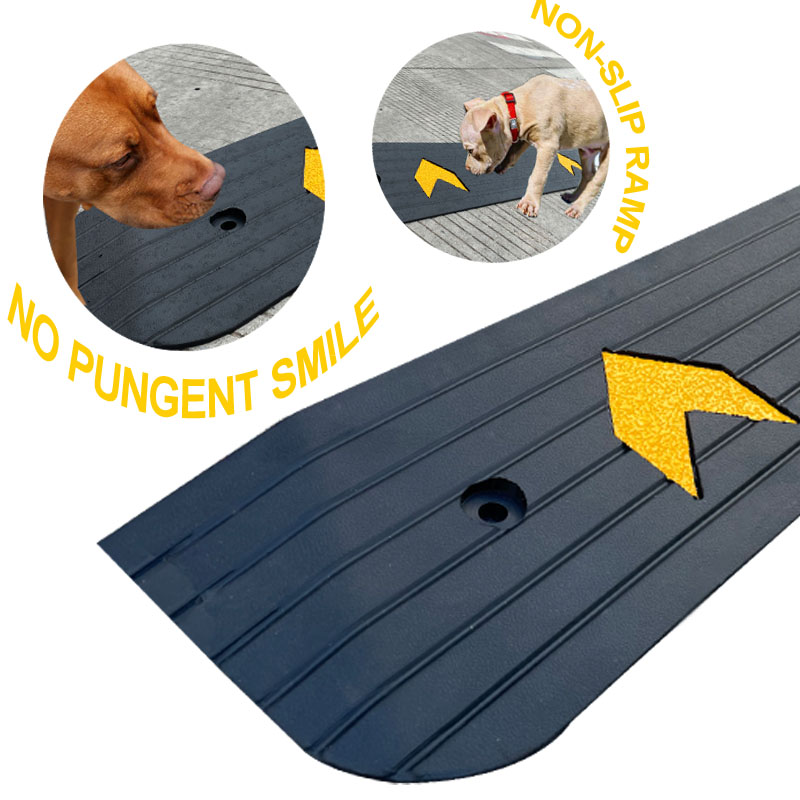
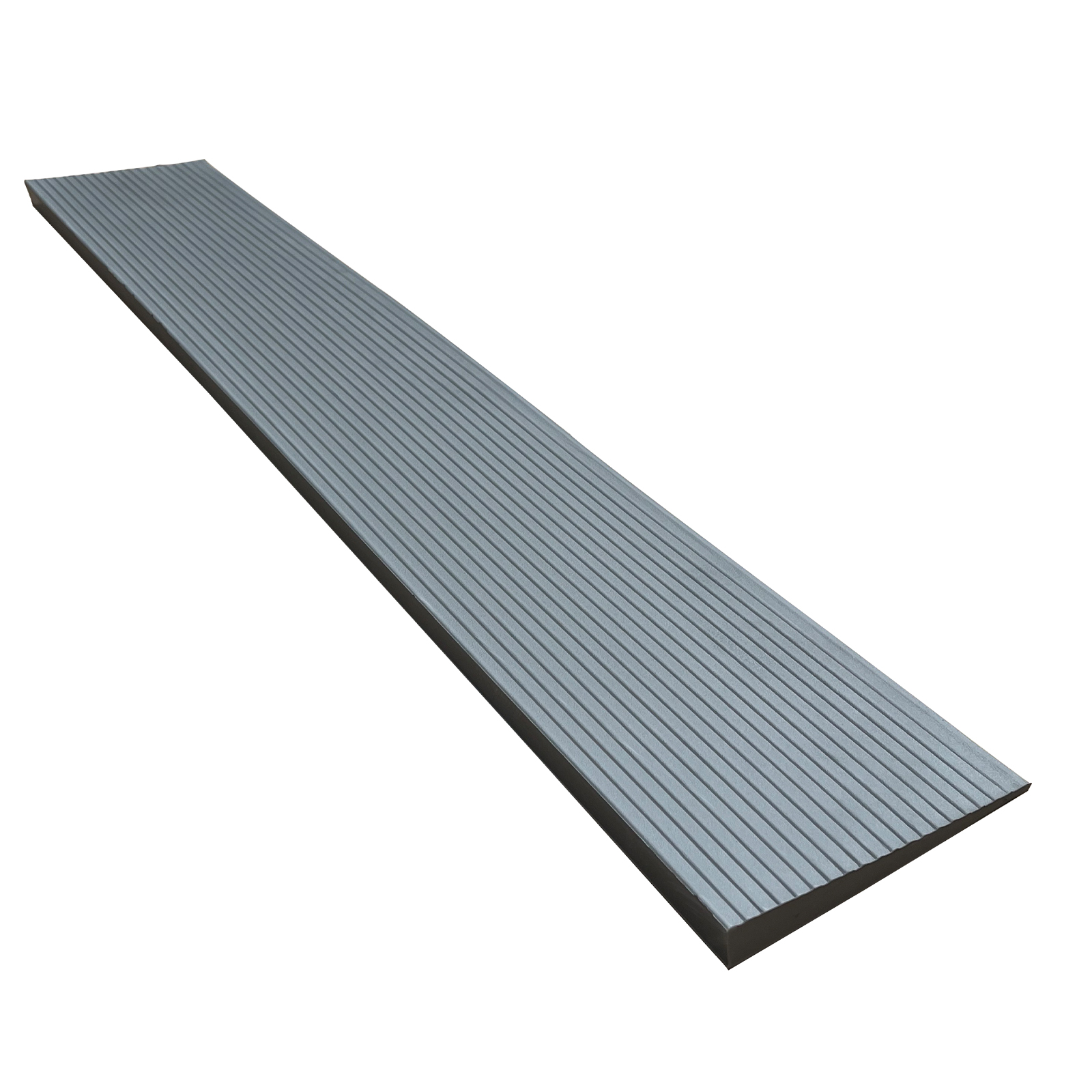
A kerb ramp, also known as a curb ramp or wheelchair ramp, is an essential accessibility feature designed to create a smooth transition between street level and sidewalk height. These carefully engineered structures serve as crucial infrastructure elements that facilitate safe and convenient passage for various users, including wheelchair users, people with mobility aids, parents with strollers, and delivery personnel with trolleys. Modern kerb ramps incorporate specific design elements such as slip-resistant surfaces, tactile paving indicators, and carefully calculated gradients typically ranging from 1:12 to 1:8, ensuring both safety and usability. The ramps are constructed using durable materials like reinforced concrete or high-strength polymers, capable of withstanding heavy foot traffic, varying weather conditions, and regular maintenance procedures. Standard dimensions typically span 1000mm to 1500mm in width, providing ample space for comfortable passage. The implementation of kerb ramps has become a fundamental aspect of urban planning and development, reflecting a commitment to universal design principles and inclusive community spaces. These structures represent a critical component in creating barrier-free environments, enabling independent mobility and promoting equal access to public spaces for all community members.

Popular Products

Kerb ramps offer numerous practical benefits that significantly enhance urban accessibility and safety for all users. First and foremost, they provide seamless mobility transitions for wheelchair users and individuals with mobility challenges, enabling independent navigation of city streets and sidewalks. The gradual slope design minimizes physical effort required for transitions, reducing the risk of accidents and strain. For parents with strollers and shopping carts, kerb ramps eliminate the need for lifting heavy loads over curbs, making daily activities more manageable and safer. The implementation of tactile warning surfaces on these ramps serves as a crucial safety feature for visually impaired pedestrians, allowing them to detect approaching street crossings. Additionally, kerb ramps contribute to improved efficiency in delivery services and maintenance operations, as they facilitate the easy movement of wheeled equipment and trolleys. The durability of modern kerb ramp materials ensures long-term cost-effectiveness, requiring minimal maintenance while providing consistent performance. These ramps also enhance neighborhood aesthetics and property values by demonstrating commitment to accessibility and modern urban design principles. From a safety perspective, kerb ramps reduce the risk of trips and falls by providing smooth transitions between different elevation levels. Furthermore, they support sustainable transportation initiatives by making areas more accessible for cyclists and users of mobility devices, encouraging alternative transportation methods.

Tips And Tricks

What Happens When a 44,000 lbs Forklift Rolls Over This Wheel Chock?

20

Aug

What Happens When a 44,000 lbs Forklift Rolls Over This Wheel Chock?

View More
Rubber:A Material for Modern Innovations

20

Aug

Rubber:A Material for Modern Innovations

View More
Airport Wheelchock Project

20

Aug

Airport Wheelchock Project

View More
Rubber Material Project

20

Aug

Rubber Material Project

View More

Get a Free Quote

Our representative will contact you soon.
Name
Company Name
Email Address
Phone Number
Message/Questions
0/1000

kerb ramp

Enhanced Safety Features

Enhanced Safety Features

Modern kerb ramps incorporate multiple safety elements designed to protect all users. The slip-resistant surface technology employs specialized texturing and materials that maintain grip even in wet conditions, significantly reducing the risk of accidents. Tactile warning strips, strategically placed at the top and bottom of the ramp, provide crucial sensory feedback for visually impaired pedestrians, allowing them to detect transitions between pedestrian and vehicular areas. The carefully calculated gradient ensures a controlled descent and ascent, preventing excessive speed while maintaining accessibility. Side flares and defined edges help guide users along the intended path while preventing wheelchair wheels from veering off course. These safety features work in conjunction with proper drainage systems to prevent water accumulation, maintaining the ramp's effectiveness in all weather conditions.
Universal Design Implementation

Universal Design Implementation

The kerb ramp's universal design philosophy ensures accessibility for the widest possible range of users without requiring specialized adaptations. The standardized width accommodates various mobility devices, from manual wheelchairs to powered scooters, while also serving parents with double strollers or delivery personnel with wide carts. The smooth transition between surfaces eliminates the physical barrier traditionally posed by curbs, promoting independent mobility for people of all abilities. This inclusive design approach extends to the selection of surface materials and colors, which provide sufficient contrast for visibility while maintaining aesthetic harmony with surrounding architecture. The implementation considers diverse user needs, from elderly individuals with reduced mobility to children learning to navigate public spaces safely.
Sustainable Construction and Maintenance

Sustainable Construction and Maintenance

The engineering behind modern kerb ramps prioritizes both environmental sustainability and long-term durability. Advanced materials used in construction offer superior weather resistance while incorporating recycled components, reducing environmental impact. The design facilitates efficient water management and drainage, preventing erosion and extending the ramp's service life. Maintenance requirements are minimized through the use of wear-resistant surfaces and modular construction techniques that allow for easy repairs when needed. The ramps are designed to withstand temperature fluctuations, heavy usage, and exposure to de-icing chemicals without compromising structural integrity. This focus on sustainability extends to installation methods that minimize disruption to existing infrastructure while ensuring robust, long-lasting performance.

Get a Free Quote

Our representative will contact you soon.
Name
Company Name
Email Address
Phone Number
Message/Questions
0/1000