 EN
EN

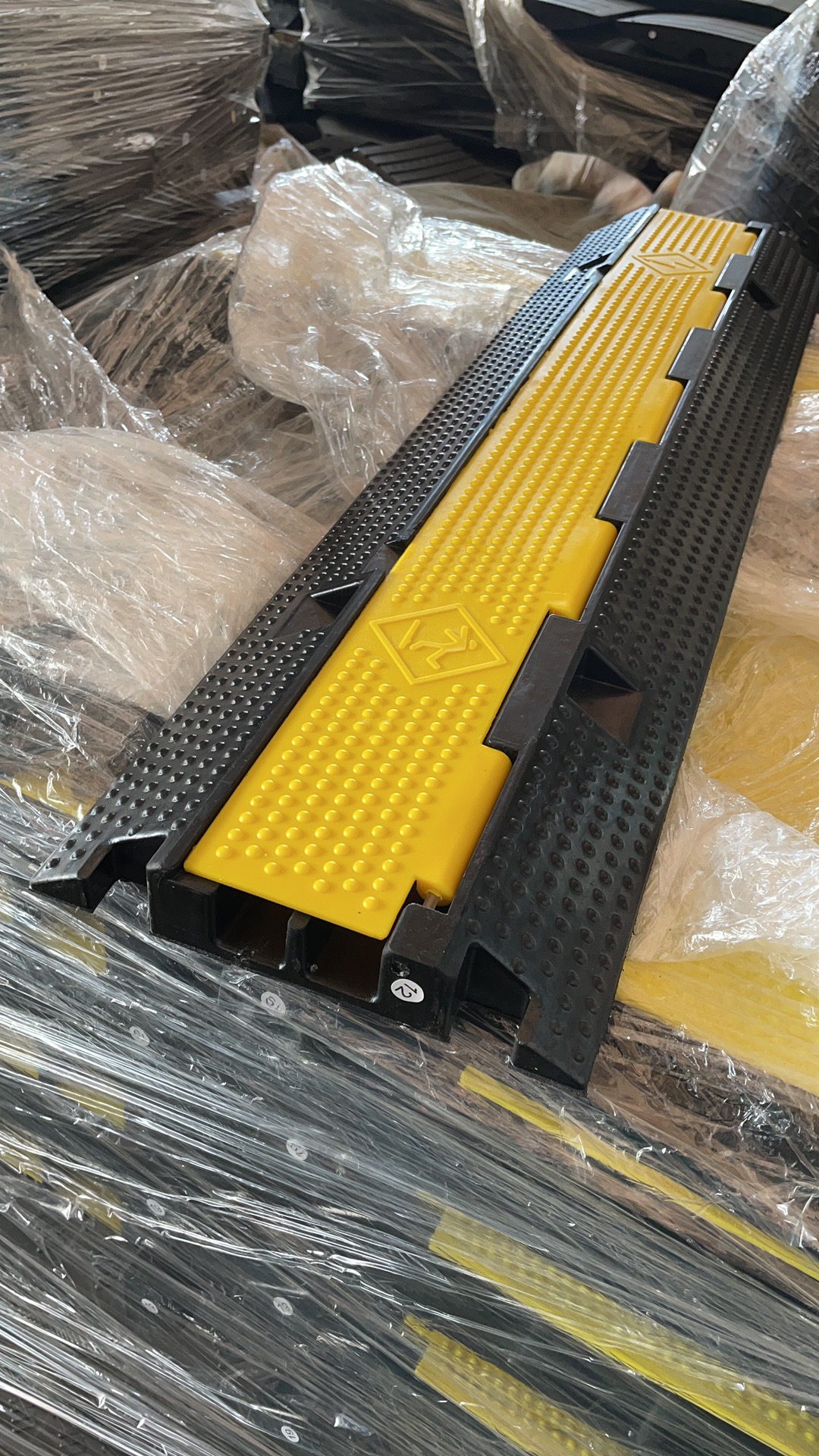
If you have ever heard that sickening scrape of your car's bumper or undercarriage dragging across the edge of your driveway, you already know the frustration. Steep driveway transitions are one of the most common causes of vehicle damage in residential and commercial settings, and the solution is simpler than most people realize. curb ramps are purpose-built devices designed to bridge the gap between road level and elevated driveways, reducing the angle of entry and protecting both vehicles and property surfaces from repeated impact damage.
This article directly addresses the two most pressing questions that property owners, facility managers, and fleet operators face: can curb ramps genuinely prevent car scraping on steep driveways, and when it comes to choosing a material, is rubber or concrete the smarter investment? The answers depend on several practical factors, and understanding them will help you make an informed decision rather than a costly one.
How Curb Ramps Address the Root Cause of Car Scraping
The Physics Behind Driveway Scraping
Car scraping at driveway entries is caused by a low vehicle clearance angle combined with an abrupt elevation change. When a driveway rises sharply from street level, the transition creates a steep angle that the front bumper, undercarriage, or rear diffuser of a low-profile vehicle simply cannot clear without contact. The problem is especially common with sports cars, sedans, and heavily loaded vehicles, but it affects nearly any vehicle on a steep enough approach.
The role of curb ramps is to redistribute that elevation change over a longer horizontal distance. Instead of climbing sharply from zero to full curb height in a matter of inches, the vehicle gradually ascends over the ramp's tapered slope. This reduces the effective approach angle and gives the vehicle's front end room to rise before the undercarriage reaches the point of maximum elevation change. The result is a smooth, damage-free transition that protects both the vehicle and the driveway surface.
Properly sized curb ramps with the right load rating and slope profile can eliminate scraping in the vast majority of residential and commercial scenarios. The key word is 'properly sized'—a ramp that is too short or too steep may reduce but not eliminate the problem, which is why selecting the correct product dimensions matters significantly.
When Curb Ramps Work Best and When They Have Limitations
Curb ramps work best when the elevation difference between the road and the driveway is within the design range of the ramp being installed. Most standard curb ramps are engineered to handle curb heights ranging from roughly 2 inches to 6 inches, though heavy-duty commercial variants accommodate greater heights. For driveways with extreme elevation changes well beyond that range, a single curb ramp may need to be supplemented with driveway grading or a stacked ramp configuration.
Another factor is vehicle type. Curb ramps are highly effective for passenger cars, SUVs, motorcycles, delivery vehicles, and wheelchairs. For extremely long, low vehicles or performance cars with ultra-low suspension, the vehicle's wheelbase and suspension geometry play a role in whether a ramp alone is sufficient. In those cases, combining a curb ramp with a suspension lift or driveway resurfacing may be the complete solution.
It is also important to ensure the curb ramp is properly anchored and positioned flush against the curb face. A poorly installed or shifting ramp can create a secondary bump that causes its own form of undercarriage contact. When installed correctly, curb ramps are one of the most cost-effective and immediate solutions to the scraping problem.
Rubber Curb Ramps — Strengths, Use Cases, and Limitations
Why Rubber Has Become the Dominant Material Choice
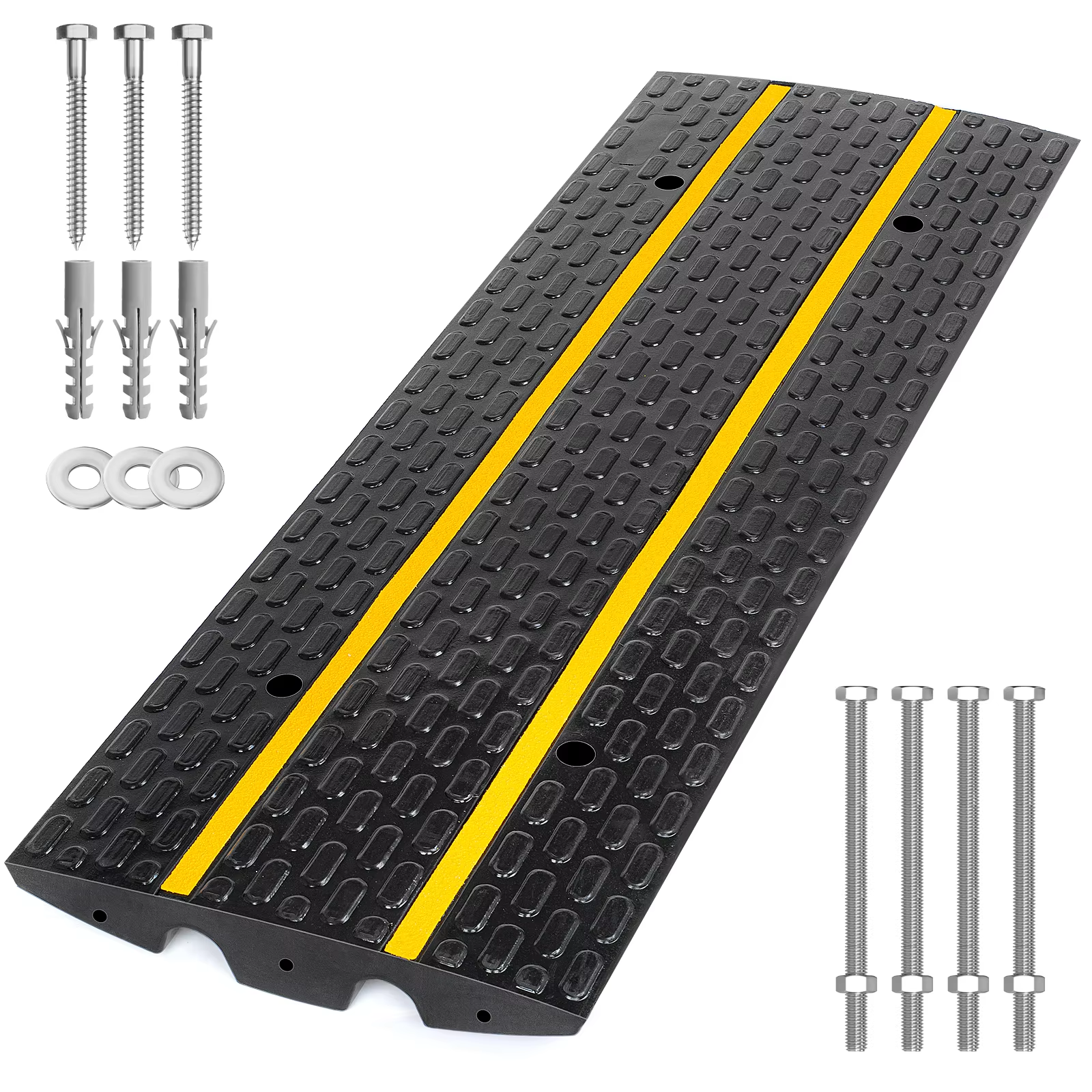
Rubber curb ramps have grown in popularity because they combine durability, flexibility, and ease of installation in a single product. Made typically from recycled or virgin rubber compounds, these ramps are resistant to the cracking, chipping, and spalling that can affect rigid materials over time. They absorb impact rather than transmitting it, which means less vibration is transferred to the vehicle and less stress is placed on the driveway surface beneath.
One of the most practical advantages of rubber curb ramps is their installation simplicity. Most models are designed for surface mounting, meaning no concrete work, no excavation, and no professional contractor is required. They can typically be secured with heavy-duty adhesive, anchor bolts, or their own weight combined with interlocking sections. This makes them ideal for rental properties, commercial parking areas, and anywhere that permanent modification is not desirable or permitted.
Rubber curb ramps also perform well across a wide range of temperatures. They remain pliable in cold climates without becoming brittle and do not soften dangerously in high heat. Their natural flexibility means they conform slightly to uneven surfaces, maintaining contact and stability even where the curb or pavement is not perfectly level.
Load Capacity, Safety Features, and Maintenance
High-quality rubber curb ramps are engineered to support significant loads. Depending on the product specification, load ratings can range from passenger vehicle weight classes up to heavy commercial vehicle loads exceeding several tonnes per axle. The rubber compound density and internal construction determine the actual rating, so matching the ramp's specification to the expected traffic is essential.
Safety features built into rubber curb ramps often include high-visibility yellow edges or full-surface coloring, reflective strips, and textured surfaces that provide grip for both vehicle tires and pedestrian foot traffic. This makes them suitable not only for vehicle access but also for wheelchair ramp applications and loading dock approaches.
Maintenance requirements for rubber curb ramps are minimal. Routine inspection for cracking, displacement, or wear, combined with occasional cleaning to remove debris, is generally all that is needed. The modular nature of many rubber ramp systems means individual sections can be replaced without replacing the entire installation, reducing long-term costs significantly.
Concrete Curb Ramps — Strengths, Use Cases, and Practical Realities
The Case for Concrete in Permanent Installations
Concrete curb ramps, poured or pre-cast, have traditionally been the standard solution for permanent driveway transitions, particularly in municipal and commercial construction. When properly designed and installed, concrete curb ramps integrate seamlessly with existing pavement, creating a smooth, monolithic transition that requires no anchoring hardware and presents no risk of displacement under heavy loads.
For high-volume commercial entrances, loading dock areas, and municipal access points, a well-constructed concrete curb ramp provides longevity that can span decades with minimal intervention. It resists oil, fuel, and chemical exposure better than some softer materials and does not require periodic replacement under normal use conditions. For property owners who intend to maintain a fixed access point long-term, concrete offers a degree of permanence that portable solutions cannot match.
Aesthetically, concrete curb ramps can be finished to match the surrounding pavement, which is a consideration for upscale residential properties or retail environments where visual consistency matters. They can also be formed to precise dimensions, accommodating unusual curb heights or custom slope requirements that may not be available in standard pre-manufactured ramp products.
The Hidden Costs and Practical Challenges of Concrete
The limitations of concrete curb ramps become apparent quickly when the full cost picture is considered. Installation requires professional labor, formwork or excavation, curing time, and often a permit depending on local regulations. The total cost of a concrete ramp installation is typically several times higher than a comparable rubber solution, even before factoring in the disruption to access during curing.
Concrete is also susceptible to freeze-thaw cracking, edge chipping from repeated vehicle contact, and surface spalling from de-icing salts. In climates with significant winter weather, a concrete curb ramp may require repairs every few years to maintain its smooth, functional profile. These repairs are not trivial—patching deteriorated concrete at a driveway edge must be done carefully to avoid creating an uneven surface that reintroduces the scraping risk the ramp was designed to eliminate.
For rental properties, multi-tenant commercial sites, or any scenario where access points may need to change, concrete offers virtually zero flexibility. Once poured, the ramp is fixed to that location permanently unless significant demolition work is undertaken. This inflexibility is a meaningful disadvantage in dynamic operational environments.
Rubber vs. Concrete Curb Ramps — A Decision Framework for Property Owners
Matching Material Choice to Operational Context
Choosing between rubber and concrete curb ramps is not simply a matter of which material is superior in absolute terms—it is a matter of which material is the right fit for a specific situation. The decision should be driven by factors including permanence of the installation, budget, expected traffic load, climate conditions, and whether the property owner has flexibility to modify the site.
Rubber curb ramps are the stronger choice in the majority of residential, light commercial, and temporary or semi-permanent applications. Their combination of fast installation, low cost, safety features, and versatility makes them the practical default for most driveway scraping problems. They can be deployed immediately, adjusted easily, and replaced section by section as needed, all without professional contractors or permits in most jurisdictions.
Concrete curb ramps remain the preferred solution for new construction projects where the access point is being designed from scratch, for high-volume municipal or industrial sites where permanence and maximum load capacity are required, and for properties where a fully integrated, permit-compliant driveway transition is mandated by local code. In these scenarios, the higher upfront investment is justified by the long service life and structural integrity of the solution.
Cost, Timeline, and Reversibility Considerations
From a cost and timeline perspective, rubber curb ramps offer a clear advantage in most real-world scenarios. A set of rubber curb ramps sized for a standard residential driveway can typically be purchased, delivered, and installed by the property owner within a single day at a fraction of the cost of a concrete alternative. This rapid deployment means the vehicle scraping problem is addressed immediately rather than after a weeks-long construction and curing process.
Reversibility is another underappreciated factor. Rubber curb ramps can be removed and relocated when a vehicle changes, when a tenant moves out, or when property access points are reconfigured. This flexibility has real financial value in commercial real estate, fleet management, and property management contexts where conditions evolve over time. Concrete provides none of this adaptability.
In summary, curb ramps of both types can effectively prevent car scraping on steep driveways when properly selected and installed. For most buyers evaluating the rubber versus concrete question today, rubber curb ramps deliver superior practical value, while concrete remains relevant for specific permanent infrastructure applications. The right choice depends on knowing your site conditions, traffic expectations, and long-term plans for the access point in question.
FAQ
Will curb ramps completely eliminate car scraping on a very steep driveway?
Curb ramps significantly reduce or eliminate car scraping in most cases by smoothing the transition angle at the base of the driveway. However, the effectiveness depends on selecting a ramp with the correct height rating and slope profile for your specific curb height. Extremely steep driveways with elevation changes beyond the ramp's rated range may require additional grading work alongside curb ramps to fully resolve the issue.
Are rubber curb ramps durable enough for daily use by heavy vehicles?
Yes, commercial-grade rubber curb ramps are engineered to withstand repeated daily use by heavy vehicles including delivery trucks and SUVs. The key is matching the product's load rating to the weight of the vehicles using the ramp. High-density rubber compounds used in quality curb ramps maintain their structural integrity under heavy loads and resist deformation over time, making them a reliable long-term solution for high-traffic driveways.
Do I need a permit to install rubber curb ramps on my driveway?
In most jurisdictions, surface-mounted rubber curb ramps do not require a building permit because they are not permanent structural modifications to the curb or pavement. However, regulations vary by municipality, and it is always advisable to check with your local transportation or public works department before installation, particularly if the ramp extends onto a public sidewalk or road edge. Concrete ramp construction typically does require permits.
How do I secure rubber curb ramps so they do not shift or move?
Most rubber curb ramps include pre-drilled anchor holes for bolt-down installation, which is the most secure method for high-traffic sites. Alternative securing methods include heavy-duty construction adhesive applied to the base surface and, for lighter use scenarios, the natural friction and weight of the rubber itself may be sufficient. Interlocking multi-section curb ramp systems also use section-to-section connection points to prevent lateral shifting during vehicle passage.