 EN
EN

Different Types of Threshold Ramps and Where They Fit Best
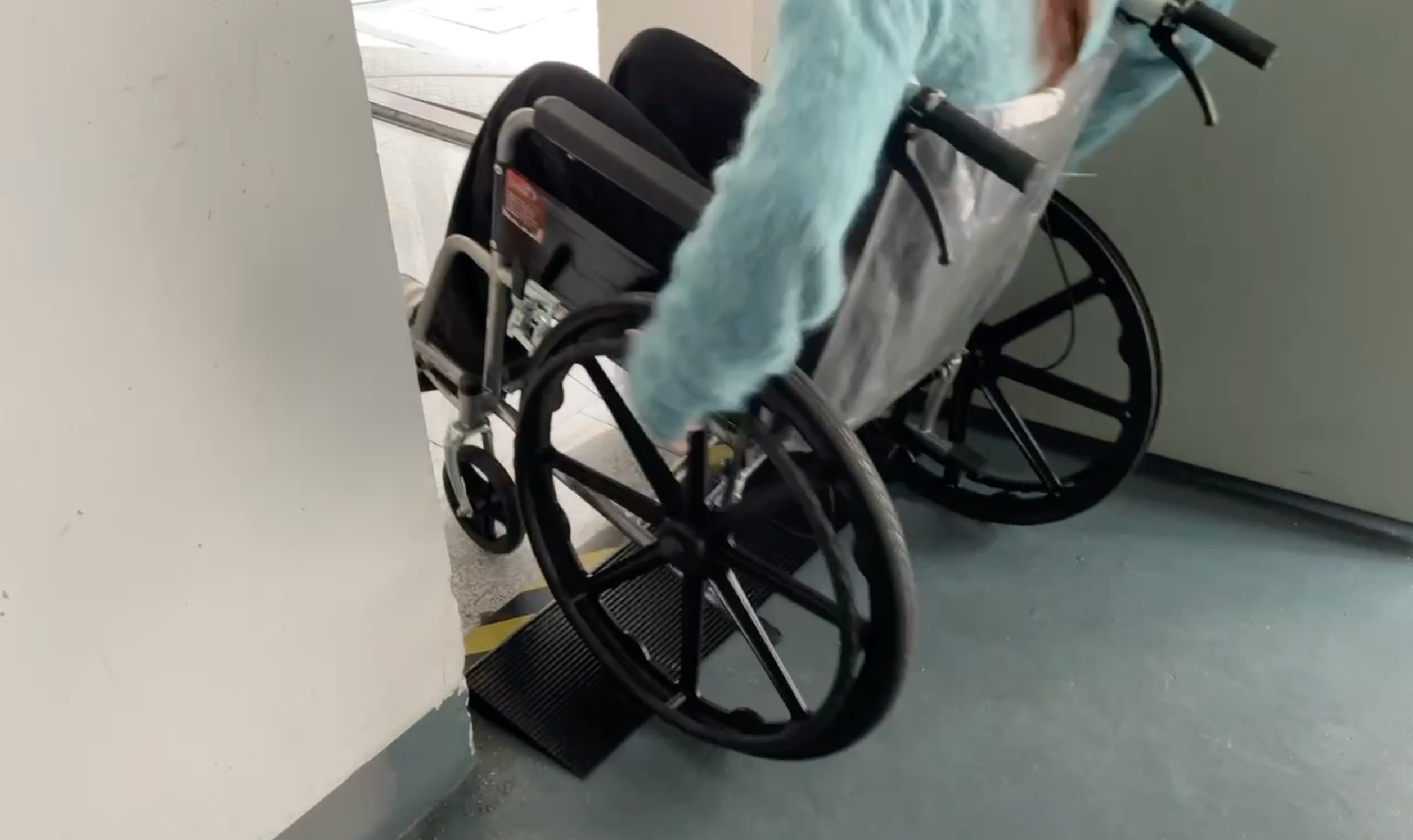
Threshold ramps are not all designed for the same doorway problem. The right ramp depends on the threshold height, the doorway width, the type of user crossing it, and how the entrance is used every day. Some ramps are made for tiny indoor lips, some are better for standard home and commercial doorways, and others are designed for wheelchairs, walkers, strollers, and carts that need a wider and more stable transition.
For buyers and end users, the easiest way to understand threshold ramps is by use case. In practice, they can be grouped into low-profile transition strips for small indoor lips, standard threshold ramps for everyday doorways, wider ramps for wheeled access, higher-rise ramps for taller door thresholds, and series-based options for buyers who need a range of sizes rather than one fixed model.
1. Low-Profile Transition Strips for Tiny Indoor Lips
Low-profile threshold ramps are best for minimal level changes, such as interior room transitions, tile-to-floor edges, office door lips, robot vacuum paths, and light cart traffic. In these applications, the goal is not to overcome a tall rise, but to remove a small obstruction cleanly and safely. This type of ramp is often chosen when the transition needs to stay neat, unobtrusive, and easy for small wheels to pass over.
In your range, this category is best represented by TPR04 ultra-slim transition strip, TPR16 flexible interior threshold ramp, TPR20 robot vacuum threshold ramp, TRB01 / TRB10 slim rubber transition strip, and TRF08 low-profile threshold ramp. These are the best fit when the buyer needs a clean indoor transition rather than a bulky doorway ramp.
2. Standard Threshold Ramps for Everyday Doorways
Standard threshold ramps are the most common choice for regular home and commercial doorways. This is the classic doorway application: a front door, office entrance, shop doorway, clinic threshold, or side door where the rise is noticeable enough to need a proper wedge ramp, but not so tall that the user needs a large platform-style solution.
In your collection, the best matches for this category are TRF25 rubber threshold ramp, TRA01 / TRA25 smooth accessibility transition strip, TRA25 doorway and floor transition ramp, and TRD20 commercial doorway ramp. These models are suitable when the user needs more support than a thin strip can provide, but does not yet need an extra-wide mobility ramp.
3. Wider Ramps for Wheelchairs, Walkers, Strollers, and Carts
Once the entrance is used by wheelchairs, walkers, strollers, service carts, or mobility scooters, width and surface stability become much more important. A narrow threshold strip may technically bridge the rise, but it can still feel unstable for repeated wheeled use. In these situations, a wider and deeper ramp provides a smoother and more controlled transition.
That makes TRG65 wide threshold ramp, TRA64 heavy-duty wheelchair threshold ramp, TRF45 heavy-duty grooved threshold ramp, and TRD20 doorway threshold ramp the strongest choices for this category in your lineup. These products fit best where the entrance is used by mobility devices or rolling equipment rather than pedestrians alone.
4. Higher-Rise Threshold Ramps for Taller Doorways and Tougher Use
Higher-rise threshold ramps are used when a low-profile strip or standard wedge is no longer enough. This usually happens at utility rooms, service entrances, warehouse pedestrian doors, equipment rooms, side entries, and other locations where the lip is taller and the traffic is more demanding. In these cases, accurate height matching becomes more important, and the ramp must remain stable under repeated use.
In your range, this segment is best covered by TPR40 facility transition pad, TPR48 heavy-duty curb transition pad, TRA04 / TRA64 three-sided beveled threshold ramp, TRA07 / TRA100 high-rise curb bridge, and TRF45 heavy-duty threshold ramp. These options make more sense when the doorway rise is greater and the ramp needs to perform under more frequent or heavier daily traffic.
5. Series-Based Choices for Buyers Who Need a Range of Sizes
Not every buyer shops by single model. Many distributors, wholesalers, contractors, and project buyers prefer to choose by product family because they need multiple rise options for different doorways. A series-based selection method is especially useful when one project includes several thresholds with different heights.
For slim indoor transitions, the best starting point is the TRB slim series and the TPR transition strip series. For standard doorway use, buyers can start with the TRA entryway threshold series and TRF threshold series. For wider mobility access, TRG65 is the clearest reference point. For higher-rise commercial transitions, buyers can begin with the TRA high-rise series and the TPR heavy-duty pads.
How to Choose the Right Threshold Ramp
The most reliable way to choose a threshold ramp is to measure first and compare products second. Start with the threshold height, because height is the first factor that determines whether a slim transition strip is enough or whether a full ramp is needed. Then measure the doorway width and check the door swing so the ramp fits the opening properly without interfering with the door leaf.
Next, think about who will use the entrance most often. Small indoor wheels, such as robot vacuums and light carts, usually need a low-profile strip. Normal daily foot traffic at a doorway typically needs a standard rubber threshold ramp. Wheelchairs, walkers, strollers, and scooters benefit from wider and more stable ramp surfaces. For taller thresholds, the user will usually need a higher-rise ramp with stronger support and better stability.
In practical terms, slim TRB and TPR models are best for tiny indoor lips and floor transitions. TRF and TRA models are a better fit for standard everyday door thresholds. TRG, TRA64, and wider TRD or TRF styles are more suitable for wheelchairs, walkers, strollers, and carts. TPR40, TPR48, TRA high-rise models, and TRF45 are stronger choices for taller thresholds and more demanding entrances.
Conclusion
Different types of threshold ramps fit different doorway conditions. Low-profile transition strips are best for tiny indoor lips. Standard rubber threshold ramps work best for common home and commercial doorways. Wider ramps provide better support for wheelchairs, walkers, strollers, and carts. Higher-rise threshold ramps are better for utility doors, service entrances, and more demanding transitions.
If you are sourcing threshold ramps for multiple doorway heights or multiple end users, it is usually best to compare by use case first and by model second. That makes the product range easier to understand, easier to select, and easier to recommend to the final user.
CTA
Not sure which threshold ramp fits your doorway best? Send us your threshold height, doorway width, and usage scene, and we can recommend the most suitable model from our threshold ramp range.
Table of Contents
- Different Types of Threshold Ramps and Where They Fit Best
- 1. Low-Profile Transition Strips for Tiny Indoor Lips
- 2. Standard Threshold Ramps for Everyday Doorways
- 3. Wider Ramps for Wheelchairs, Walkers, Strollers, and Carts
- 4. Higher-Rise Threshold Ramps for Taller Doorways and Tougher Use
- 5. Series-Based Choices for Buyers Who Need a Range of Sizes
- How to Choose the Right Threshold Ramp
- Conclusion