 EN
EN

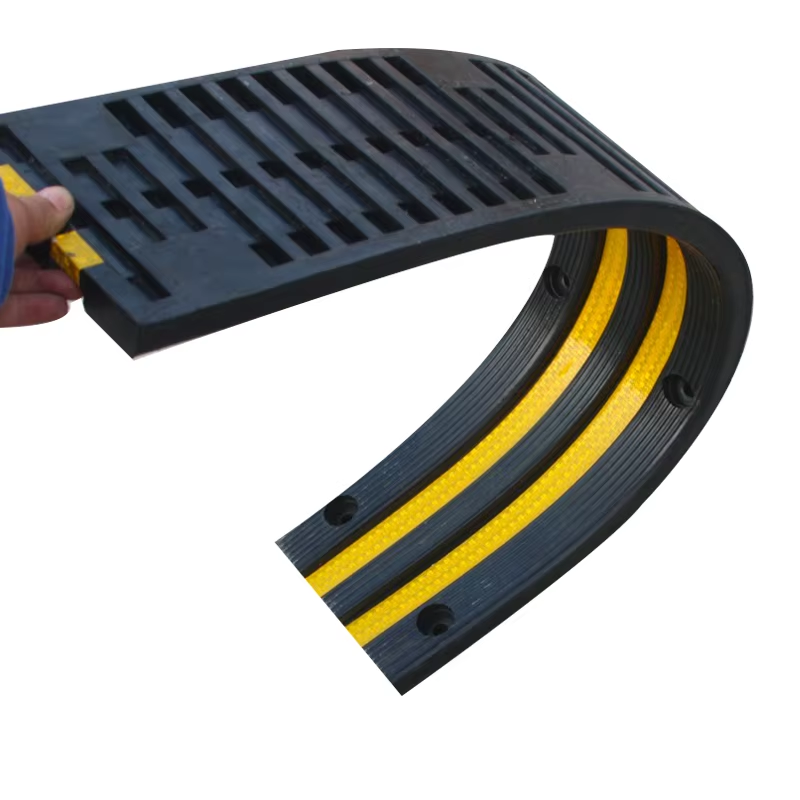
Protecting facility walls and equipment racks is essential for any garage or industrial workspace. A bumper strip serves as a critical defense against accidental collisions, forklift damage, and vehicle impacts that can degrade walls and compromise structural integrity. Whether you operate a busy automotive shop, warehouse, manufacturing facility, or commercial garage, installing quality bumper strip solutions represents one of the most cost-effective investments in facility maintenance and longevity.
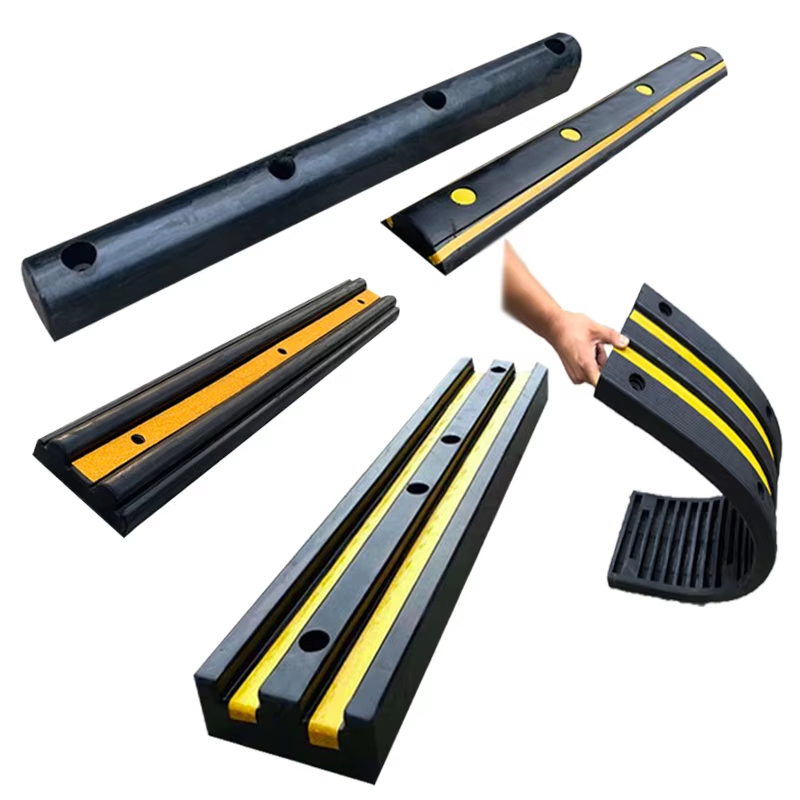
The damage caused by daily operational activity—from minor scrapes to major structural harm—can escalate maintenance costs and create safety hazards for workers. A properly designed bumper strip absorbs impact energy, prevents dents and cracks in concrete or drywall, and extends the useful life of both walls and equipment. This article explores how bumper strip products protect your facility, the key factors that determine effectiveness, and practical guidance for selecting and installing the right solution for your specific operational needs.
Understanding Bumper Strip Function and Impact Protection
How Bumper Strip Technology Works
A bumper strip functions as a sacrificial barrier that intercepts impact force before it reaches the wall surface. The core of a quality bumper strip typically consists of rigid materials such as rubber, polyurethane, or composite compounds that absorb and distribute collision energy across a wider area. When a forklift, vehicle, or loaded cart strikes a bumper strip, the energy dissipates through the material rather than transferring directly to the wall, significantly reducing damage potential. The bumper strip essentially sacrifices itself to protect the underlying structure, which is why durable materials are essential for long-term performance.
Wall and Rack Protection Mechanisms
Beyond simple cushioning, an effective bumper strip protects walls and racks through multiple mechanisms. First, the bumper strip creates a physical standoff that keeps moving objects away from the wall face by several inches, preventing direct contact. Second, the bumper strip's flexible design allows it to flex and absorb energy rather than reflecting force back toward the impacting object. Third, quality bumper strip installations include metal edges or reinforcement components that distribute load more effectively than unprotected wall surfaces. For equipment racks specifically, a bumper strip installed at the correct height prevents forklift forks and loading arms from catching or damaging rack frames and attachment points.
Selection Criteria for Industrial and Garage Applications
Material Durability and Environmental Factors
Selecting the right bumper strip requires careful assessment of your specific environment. A bumper strip designed for garage applications where impact frequency is moderate differs significantly from industrial warehouse bumper strip solutions where collisions occur multiple times daily. Material choice is fundamental: rubber-based bumper strip products offer excellent flexibility and weather resistance, making them suitable for both indoor and outdoor spaces. Polyurethane bumper strip options typically provide superior abrasion resistance and longevity in high-traffic zones. Industrial-grade bumper strip materials often include metal edges or reinforcement components that increase durability in extreme-use scenarios. Temperature fluctuations, moisture exposure, chemical contact, and UV radiation all influence which bumper strip material will maintain its protective properties longest.
Impact Frequency and Intensity Assessment
The operational context determines the appropriate bumper strip specification. In a low-traffic garage where occasional vehicle contact occurs, a standard bumper strip with moderate impact rating may suffice. Conversely, high-traffic industrial facilities with constant forklift movement require a heavy-duty bumper strip engineered for repeated, sustained impacts. Your bumper strip selection should match the estimated daily collision count, average force per impact, and the types of vehicles or equipment causing impacts. Underspecifying your bumper strip leads to premature failure and increased maintenance costs. Overspecifying may waste budget on capabilities you don't need, making proper assessment critical to cost-effectiveness.
Installation, Maintenance, and Long-Term Value
Proper Installation and Height Positioning
Installing a bumper strip correctly is essential for maximum wall and rack protection. The bumper strip must be mounted at the precise height where impacts typically occur—usually between 18 and 42 inches from the ground, depending on your specific equipment. A bumper strip installed too low may not protect upper wall sections where damage commonly happens; one installed too high may miss collisions from standard forklifts or carts. The bumper strip should be securely fastened using appropriate anchors suitable to your wall type, whether concrete, drywall, or metal framing. Professional installation of your bumper strip ensures proper alignment, eliminates gaps that could allow contact with the wall surface, and maximizes the protective coverage area.
Maintenance, Inspection, and Replacement Cycles
Maintaining your bumper strip extends its operational life and ensures continuous protection. Regular visual inspections identify wear patterns, cracks, compression damage, or separation from the wall that compromises bumper strip effectiveness. High-impact zones on your bumper strip may require replacement cycles ranging from 2 to 5 years depending on usage intensity, while lower-impact sections may last significantly longer. When sections of your bumper strip show visible deterioration, prompt replacement prevents wall damage. Cleaning your bumper strip periodically removes debris and allows clear assessment of its condition. Many facilities schedule bumper strip maintenance as part of routine facility inspections, ensuring proactive rather than reactive protection management.
Real-World Benefits and Cost Justification
Damage Prevention and Facility Longevity
Installing a quality bumper strip delivers measurable financial returns through damage prevention. Wall repairs—including concrete patching, drywall replacement, paint touch-ups, and structural assessment—consume significant maintenance budgets that proper bumper strip installation eliminates. A single major collision with an unprotected wall can cost thousands in repairs, structural inspection, and potential safety remediation. A bumper strip system, by contrast, requires only periodic cleaning and eventual replacement at a fraction of wall repair costs. Over a five-year period, most facilities recover their bumper strip investment within the first year through prevented damage. Additionally, minimizing wall damage maintains facility appearance, preserves building integrity, and supports a safer working environment where equipment operates reliably.
Safety, Liability, and Operational Efficiency
Beyond structural protection, a bumper strip contributes to overall workplace safety and risk management. Damaged walls create visible hazards that signal poor facility maintenance and may expose your organization to liability concerns. A professional bumper strip installation demonstrates commitment to equipment and worker safety, which insurers often recognize through improved coverage terms. When equipment racks remain protected from collision damage through bumper strip systems, inventory stored on those racks faces reduced risk of displacement or damage. Workers operate with greater confidence in facilities where collision protection is obvious and comprehensive. Operational efficiency also improves because equipment downtime for damage repair decreases substantially when bumper strip systems prevent collisions from reaching critical infrastructure components.
FAQ
What thickness should a bumper strip have for warehouse environments?
For warehouse applications with frequent forklift and equipment movement, a bumper strip should typically be between 3 and 5 inches thick with reinforced backing. The bumper strip thickness must be sufficient to absorb substantial impact energy without bottoming out against the wall. Industrial-grade bumper strip products often feature metal or composite reinforcement at the base to distribute force effectively. Consult with material specifications that match your facility's equipment type and collision frequency when determining appropriate bumper strip thickness.
How long does a typical bumper strip last before replacement?
The lifespan of a bumper strip varies based on environmental conditions and impact frequency. In moderate-use garage settings, a bumper strip may last 5 to 7 years with minimal maintenance. In high-traffic industrial facilities, a bumper strip may require replacement within 2 to 4 years in the highest-impact zones, while less-trafficked sections last longer. Quality materials and proper installation both extend bumper strip longevity. Regular maintenance and prompt replacement of damaged sections preserve the protective effectiveness of your overall bumper strip system throughout its service life.
Can a bumper strip be installed on different wall types?
Yes, bumper strip systems can be adapted for concrete walls, drywall, steel framing, and metal panels. The key is selecting appropriate anchoring hardware suited to your specific wall material. Concrete walls typically use expansion anchors or epoxy adhesive to secure the bumper strip, while drywall installations may require backing plates to distribute load. A bumper strip installation on metal framing uses bolts or welded mounts for maximum security. Consult the manufacturer's installation guidelines specific to your wall type to ensure your bumper strip remains secure and provides full protective benefits.