 EN
EN

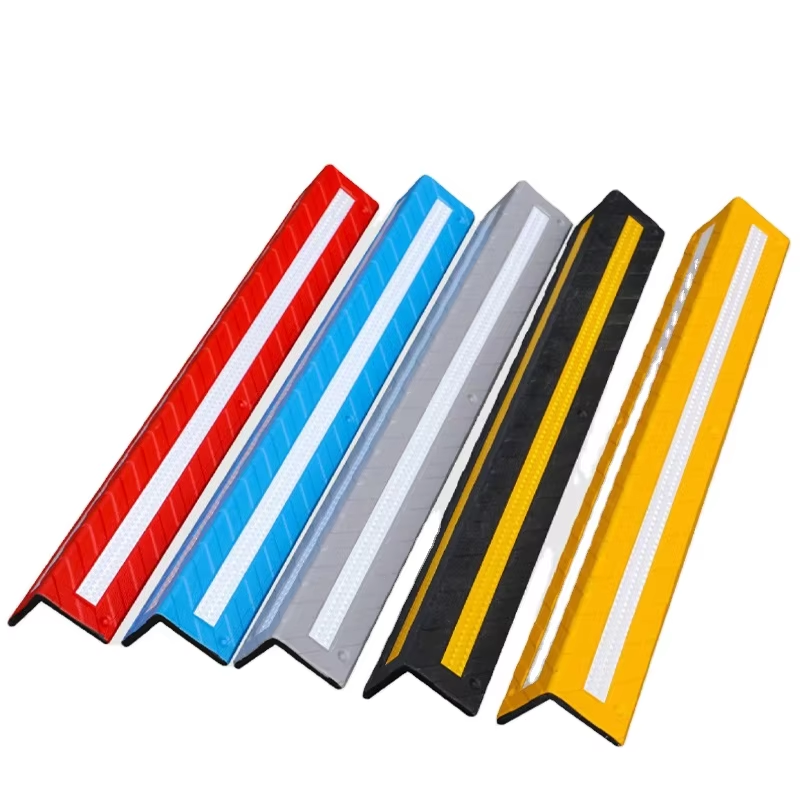
Protecting high-traffic areas in hospitals, schools, and public buildings requires reliable infrastructure solutions that withstand constant impact and daily wear. A rubber corner guard serves as the front-line defense against wall damage, equipment collisions, and safety hazards in these demanding environments. These protective barriers prevent costly repairs, extend the lifespan of building infrastructure, and create safer spaces for staff, students, and visitors. Understanding how to select and install factory-direct rubber corner guard systems ensures your facility receives maximum protection without unnecessary expense.
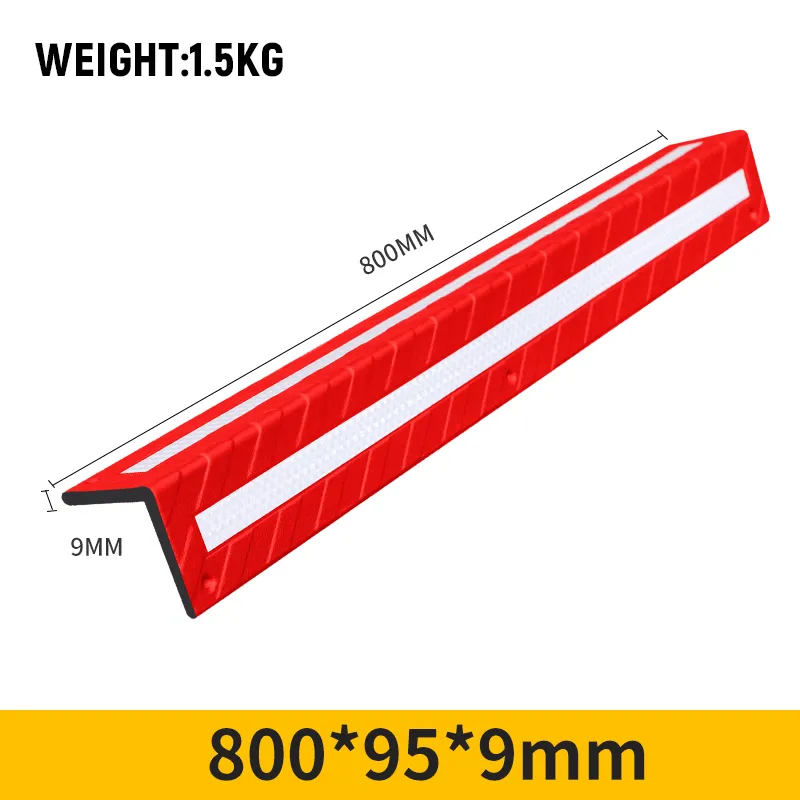
Purchasing rubber corner guard products directly from manufacturers eliminates middleman costs and provides access to superior quality control. Institutional buyers in the healthcare, education, and municipal sectors benefit from bulk pricing, customization options, and technical support that factory channels offer. This guide explores why rubber corner guard installation matters, what specifications to evaluate, and how to implement a comprehensive protection strategy across your facility.
Why Rubber Corner Guard Protection Matters in High-Traffic Facilities
Preventing Structural Damage and Financial Loss
Hospital corridors, school hallways, and public building entrances experience thousands of impacts monthly from wheelchairs, gurneys, maintenance equipment, and foot traffic. Without adequate protection, drywall, paint, and corner infrastructure degrade rapidly, creating maintenance backlogs and aesthetic deterioration. Installing a rubber corner guard at vulnerable intersection points prevents these cumulative damage patterns. The cost of corner guard installation is minimal compared to repeated wall repairs, repainting, and structural remediation that facilities face without protective barriers. A single rubber corner guard costs less than one professional drywall repair and prevents dozens of future incidents.
Enhancing Safety Compliance and Liability Reduction
Building codes and safety standards for hospitals and schools increasingly mandate protective infrastructure in high-traffic zones. A properly installed rubber corner guard demonstrates institutional commitment to environmental safety and reduces liability exposure from slip-and-fall incidents or collision injuries. The soft, absorptive material of a rubber corner guard cushions impact, protecting both people and building components. Healthcare facilities particularly benefit from rubber corner guard installation because patient safety directly impacts accreditation and regulatory compliance. Schools and public buildings face similar requirements under accessibility and safety regulations that expect protective measures in predictable collision zones.
Key Specifications and Selection Criteria for Rubber Corner Guard Systems
Material Composition and Durability Standards
Factory-direct rubber corner guard products vary significantly in composition, with premium options featuring recycled rubber blends, reinforced edges, and UV-resistant additives. The best rubber corner guard formulations withstand temperature fluctuations, moisture exposure, and aggressive cleaning protocols common in hospitals and schools. Steel-reinforced edge variants provide enhanced impact resistance, particularly in areas where heavy equipment moves regularly. Evaluating rubber corner guard material density helps predict longevity; denser formulations resist compression and maintain protective properties for eight to ten years. Factory manufacturers typically provide material certifications and durability test results that institutional buyers should review before committing to large orders.
Installation Compatibility and Environmental Fit
Different building architectures require tailored rubber corner guard solutions—interior corners demand different profiles than exterior applications or those exposed to weather. A quality rubber corner guard system includes adhesive-backed options for quick installation and mechanically fastened variants for permanent high-impact zones. The height and width specifications of a rubber corner guard should align with your facility's traffic patterns and architectural features. Schools typically install rubber corner guard products from ground level to five feet to protect against student-height collisions, while hospitals often extend rubber corner guard coverage higher to accommodate patient lifts and overhead equipment. Factory suppliers provide installation guidance and can customize rubber corner guard dimensions to match your building specifications precisely.
Implementation Strategy and Long-Term Facility Protection
Comprehensive Assessment and Prioritization Planning
Effective rubber corner guard deployment begins with auditing your facility to identify high-collision zones where investment delivers maximum return. Healthcare facilities should prioritize rubber corner guard installation in emergency departments, surgical suite corridors, and intensive care areas where equipment movement is constant. Schools benefit from rubber corner guard protection in gymnasium entries, cafeteria transitions, and areas where students move between activities. A systematic approach to rubber corner guard placement prevents piecemeal purchasing and ensures consistent protection across the facility. Facilities that map their environment and prioritize rubber corner guard installation sites report significantly lower maintenance costs and fewer incident-related repairs within six months of comprehensive implementation.
Bulk Purchasing and Ongoing Maintenance Protocols
Factory-direct purchasing of rubber corner guard products allows institutional buyers to negotiate volume discounts and establish supply agreements for ongoing replacements. Most facilities discover that buying rubber corner guard in bulk quantities reduces per-unit costs by 30-50% compared to retail channels. Establishing a maintenance schedule for rubber corner guard inspection ensures that damaged sections are replaced promptly before structural gaps develop. Professional cleaning protocols for rubber corner guard products extend their lifespan and maintain appearance—mild soap solutions and soft brushes remove dirt without degrading material integrity. Facilities that commit to strategic rubber corner guard maintenance programs report investment payback within 18 months through avoided repairs and extended equipment lifespan.
FAQ
How long does a rubber corner guard typically last in a hospital or school environment?
Premium factory-direct rubber corner guard products typically remain effective for 8-10 years in standard institutional settings. Longevity depends on traffic volume, impact frequency, and material quality. High-impact zones in emergency departments or gymnasium entries may require replacement every 6-7 years, while quieter corridors can exceed 12 years of service life. Regular maintenance and prompt replacement of damaged sections extends the overall rubber corner guard protection timeline. Facilities that choose mid-range rubber corner guard options often experience 5-7 year service life, while budget alternatives may degrade after 3-4 years in demanding environments.
Can existing rubber corner guard products be removed and reinstalled in new locations?
Adhesive-backed rubber corner guard products are generally not suitable for relocation, as the adhesive degrades during removal and reinstallation. Mechanically fastened rubber corner guard systems can be carefully removed and repositioned, though anchor holes may require patching in the original location. Most facility managers find it more cost-effective to leave existing rubber corner guard installations in place and purchase new products for relocation projects. Factory suppliers can provide guidance on which rubber corner guard products support relocation and which are permanent installations, helping you plan long-term protection strategies that accommodate facility changes.
What is the typical cost range for factory-direct rubber corner guard systems?
Factory-direct rubber corner guard pricing ranges from $15-40 per unit for standard profiles, with bulk orders frequently reaching $10-25 per unit depending on volume and specifications. Customized rubber corner guard solutions with extended lengths or reinforced edges command premium pricing of $40-80 per unit. Installation labor typically adds 20-40% to material costs, though adhesive-backed rubber corner guard products reduce installation complexity and associated expenses. Calculating total facility investment requires multiplying corner count by unit price plus installation labor, generally resulting in $2,000-10,000 for comprehensive rubber corner guard deployment in medium-sized schools or hospital wings. The investment typically recoup itself within 12-18 months through eliminated repairs and extended infrastructure lifespan.