 EN
EN

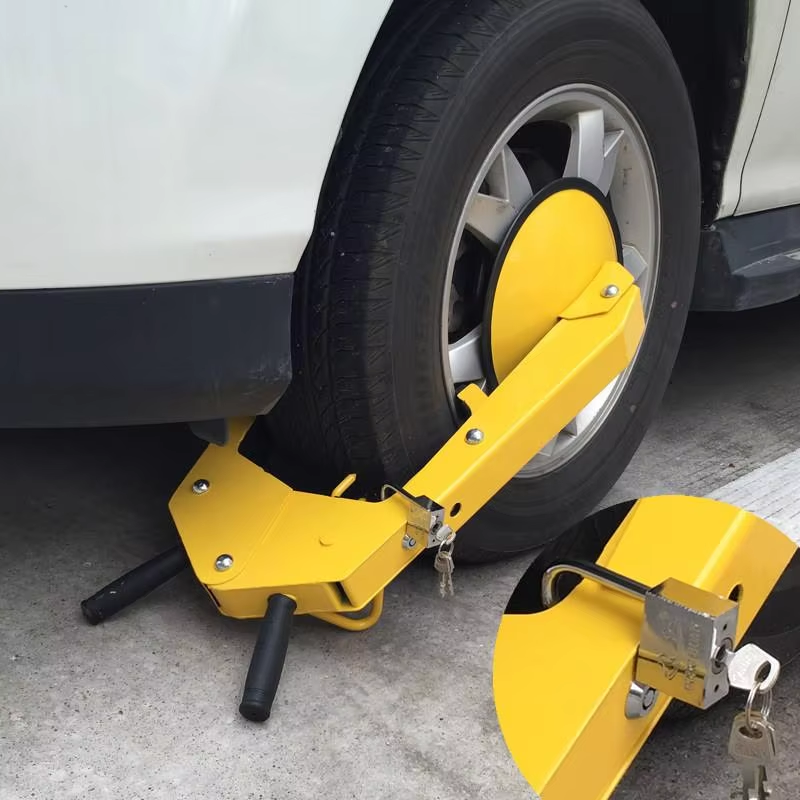
Vehicle theft remains a significant concern for fleet managers, private vehicle owners, and parking facility operators across industrial and commercial sectors. A wheel block represents one of the most effective mechanical deterrents available today, offering immediate physical protection that stops thieves before they can move your vehicle. Understanding how a wheel block functions and learning the correct installation procedure ensures you maximize security while maintaining operational safety. This comprehensive guide walks you through the science of wheel block theft prevention and demonstrates best practices for fitting a wheel block securely to your vehicle.
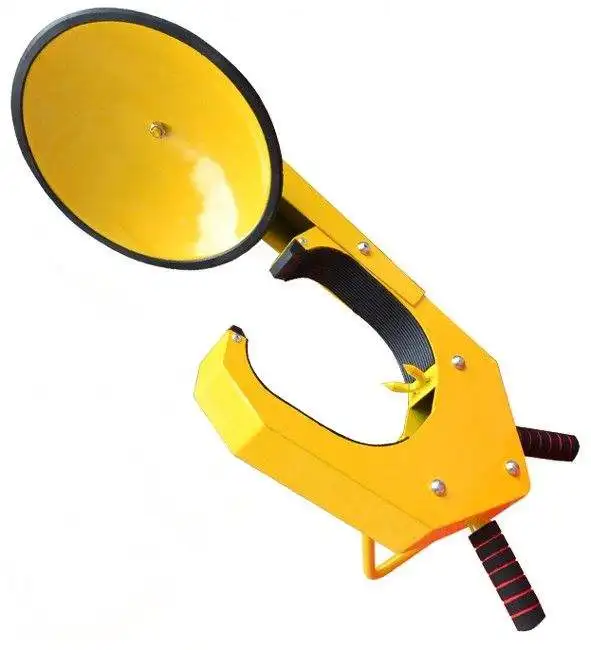
A wheel block works by creating a mechanical barrier that prevents vehicle movement, making theft or unauthorized relocation physically impossible without specialized removal equipment. When installed correctly, a wheel block immobilizes the vehicle instantly, providing peace of mind whether your vehicle sits in a parking lot overnight, during extended periods of non-use, or in high-risk theft areas. The effectiveness of a wheel block depends not only on its design and construction quality but equally on proper installation technique and correct positioning on the vehicle wheel.
How a Wheel Block Prevents Vehicle Theft
The Physical Barrier Principle
The fundamental security mechanism of a wheel block rests on simple physics: a vehicle cannot move if its wheels cannot rotate. A wheel block creates an immovable physical obstruction that engages with the tire or wheel rim, preventing rotation in any direction. Unlike electronic alarms or GPS tracking systems that merely alert you after theft has begun, a wheel block stops theft before it starts by making the vehicle literally impossible to drive away. This passive security approach means a wheel block remains effective even when the vehicle owner is absent and cannot respond to alerts.
Psychological Deterrent Effect
Professional vehicle thieves conduct rapid risk-versus-reward calculations before attempting theft. A visibly installed wheel block dramatically increases the perceived difficulty and time required to steal a vehicle, causing most thieves to abandon the target and seek easier opportunities elsewhere. The psychological deterrent value of a wheel block complements its physical security function, making your vehicle a poor choice among other potential targets in a parking area. This combination of physical and psychological deterrence makes a wheel block an economical security investment that works continuously without ongoing costs or monitoring fees.
Installation Best Practices for Wheel Block Security
Pre-Installation Inspection and Preparation
Before fitting a wheel block to your vehicle, conduct a thorough inspection of both the wheel block equipment and your vehicle's wheel condition. Examine the tire for visible damage, cracks, or excessive wear that might compromise the wheel block's grip; a worn tire surface reduces the effectiveness of wheel block engagement. Clean the tire thoroughly to remove dirt, oil, or debris that could allow the wheel block to slip during installation. Position your vehicle on level, stable ground away from traffic, ensuring the parking surface can safely support the vehicle weight during wheel block installation and removal procedures.
Proper Positioning and Fitting Technique
Correct positioning of a wheel block determines whether it will provide maximum security or potentially fail under pressure. Always position the wheel block against the front wheel when possible, as front wheels are typically easier to immobilize and offer better sight lines for confirming proper wheel block engagement. Ensure the wheel block sits flush against the tire sidewall without gaps that could allow tire movement, and verify that the wheel block bracket or frame aligns squarely with the wheel's rotation axis. Apply consistent pressure when tightening the wheel block fasteners, following the manufacturer's recommended torque specifications to ensure secure attachment without over-tightening that could damage the tire or wheel block mechanism.
Verification and Final Checks
After installing a wheel block, conduct verification tests to confirm security before leaving your vehicle unattended. Attempt to move the vehicle forward and backward gently; the wheel block should completely prevent any movement or tire rotation. Check that all fasteners remain tight and that the wheel block shows no movement or rocking when you apply moderate lateral pressure by hand. Visually inspect the wheel block from multiple angles to confirm it sits properly and shows no visible deformation or misalignment that might indicate incomplete engagement or installation error.
Maintenance and Security Longevity of Your Wheel Block
Regular Inspection Protocols
Maintaining your wheel block ensures it provides reliable security over months and years of use. Inspect your wheel block every two weeks for signs of corrosion, rust, or mechanical wear that could compromise structural integrity. Check fasteners regularly to ensure they haven't loosened due to vibration, temperature changes, or repeated installation and removal cycles typical of commercial vehicle operations. A wheel block experiencing corrosion or rust may lose gripping force or mechanical reliability, making regular visual inspection essential for sustained security performance.
Seasonal and Long-Term Storage Considerations
If your vehicle will remain parked for extended periods or during off-season storage, your wheel block requires additional care to maintain function. Remove your wheel block during winter or prolonged storage to prevent rust accumulation from moisture exposure; store the wheel block in a dry location with rust preventative treatment applied to metal components. Before reinstalling a wheel block after seasonal storage, clean it thoroughly and apply lubricant to moving joints as recommended by the manufacturer. This preventive maintenance routine ensures your wheel block functions reliably whenever you need immediate security protection for your valuable vehicle.
FAQ
Can a wheel block be removed without tools?
Most modern wheel block designs require specific tools for removal, which is a critical security feature that makes unauthorized wheel block removal extremely difficult. A properly installed wheel block should never come loose without intentional mechanical action using appropriate equipment, ensuring your vehicle remains immobilized during your entire parking period. Some wheel block models feature tool-free designs for convenience, though these typically provide less permanent security than fastener-based installations.
What tire conditions prevent safe wheel block installation?
Severely worn tires with minimal tread depth, bulging sidewalls, or visible damage should not support a wheel block, as these conditions reduce gripping force and wheel block stability. Punctured tires or those with slow leaks cannot maintain consistent pressure needed for reliable wheel block engagement. If your tire condition is questionable, repair or replace the tire before installing a wheel block to ensure maximum security and prevent tire damage during the installation process.
Does a wheel block work on all vehicle types?
A wheel block functions effectively on most vehicles with standard tire designs, including sedans, trucks, commercial vans, and trailers. However, vehicles with extremely wide or specialized tires, low-profile wheels, or unusual wheel geometry may require specific wheel block designs engineered for that tire configuration. Always verify that your wheel block matches your vehicle's wheel specifications before purchase to ensure proper fit and maximum security protection.