 EN
EN

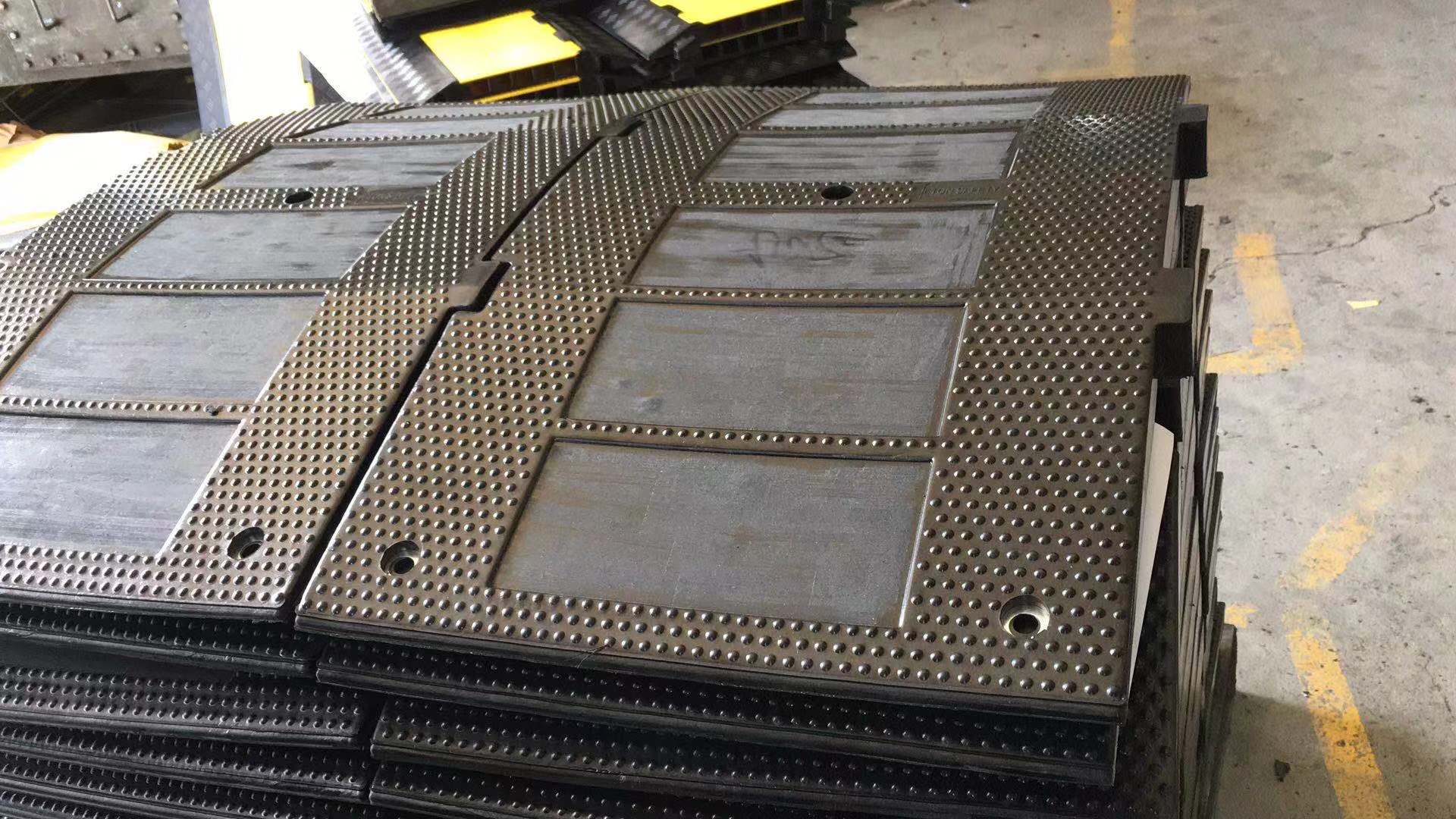
Understanding ADA-compliant cable covers and ramps requires recognizing their critical role in creating accessible environments that meet federal accessibility standards. These specialized protective devices serve dual purposes by safeguarding electrical cables while providing wheelchair-accessible pathways that comply with Americans with Disabilities Act requirements. The importance of ADA compliant cable covers extends beyond mere regulatory compliance, encompassing safety, liability protection, and inclusive design principles that benefit all facility users.
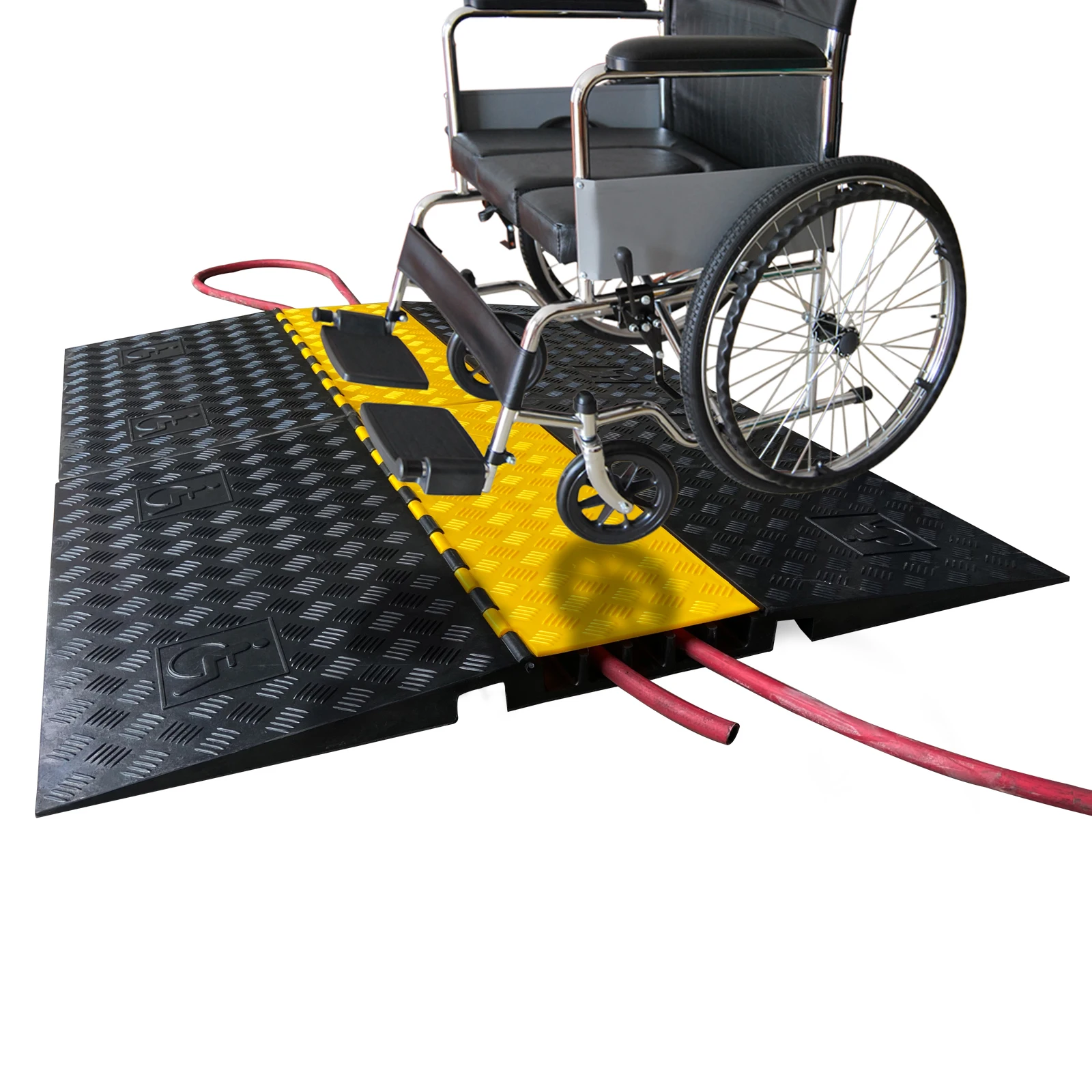
The complexity of modern electrical infrastructure often necessitates temporary or permanent cable routing across pedestrian walkways, creating potential hazards for individuals using wheelchairs, walkers, or other mobility devices. ADA compliant cable covers address these challenges by incorporating specific design features that ensure smooth transitions, appropriate slope angles, and sufficient width clearances. Understanding these requirements enables facility managers, event coordinators, and safety professionals to make informed decisions about cable management solutions that protect both infrastructure and users.
Legal Framework and Compliance Requirements
Americans with Disabilities Act Standards
The Americans with Disabilities Act establishes comprehensive guidelines for accessibility in public accommodations, commercial facilities, and places of employment. When it comes to ADA compliant cable covers, these regulations specify maximum slope ratios, surface textures, and dimensional requirements that ensure safe passage for individuals with disabilities. The ADA Standards for Accessible Design mandate that any change in level between one-quarter inch and one-half inch must be beveled with a slope no greater than 1:2, while changes exceeding one-half inch require ramp construction with specific gradient limitations.
Federal compliance extends beyond basic slope requirements to encompass surface characteristics, width specifications, and landing areas. ADA compliant cable covers must maintain stable, firm, and slip-resistant surfaces that accommodate various mobility devices without creating vibration or instability. The regulations also address visual contrast requirements to assist individuals with visual impairments in identifying potential elevation changes. These comprehensive standards ensure that cable protection solutions contribute to rather than detract from overall facility accessibility.
State and Local Regulations
While federal ADA standards provide baseline requirements, many state and local jurisdictions impose additional regulations that affect cable cover specifications and installation practices. Building codes, fire safety regulations, and municipal accessibility ordinances may establish more stringent requirements for temporary installations, permanent cable management systems, or specific facility types. Understanding these layered regulatory frameworks helps ensure comprehensive compliance when implementing ADA compliant cable covers in various jurisdictions.
Local enforcement agencies often conduct accessibility audits that examine cable management solutions alongside other facility features. Non-compliant cable covers can result in citations, fines, or requirements for immediate remediation, making proactive compliance essential for facility operators. Regular review of applicable regulations and coordination with local accessibility coordinators helps maintain ongoing compliance as standards evolve and jurisdictions update their requirements.
Design Specifications and Technical Features
Slope and Gradient Requirements
The geometric design of ADA compliant cable covers represents a critical engineering challenge that balances cable protection with accessibility requirements. Maximum slope ratios depend on the overall rise and run dimensions, with running slopes not exceeding 1:20 (5%) for accessible routes and cross slopes limited to 1:50 (2%) maximum. These specifications ensure that wheelchair users can navigate cable crossings without excessive effort or loss of control, while preventing the accumulation of water or debris that could create additional hazards.
Advanced ADA compliant cable covers incorporate graduated transition zones that distribute elevation changes over extended distances, minimizing the perceived slope angle experienced by mobility device users. The engineering calculations must account for cable bundle thickness, protective material dimensions, and safety margins that prevent bottoming out under load. Proper slope distribution also reduces impact forces that could damage sensitive electronic equipment within protected cable runs.
Material Properties and Durability
Material selection for ADA compliant cable covers involves balancing multiple performance criteria including load capacity, weather resistance, surface texture, and long-term durability. High-density polyethylene and reinforced rubber compounds represent common material choices that provide sufficient strength while maintaining flexibility for installation over various surface types. These materials must resist UV degradation, temperature extremes, and chemical exposure while maintaining their accessibility characteristics throughout their service life.
Surface texturing requires careful consideration to provide adequate traction without creating excessive vibration or noise when traversed by mobility devices. Molded patterns, applied coatings, and integral texturing methods each offer different performance characteristics that affect both accessibility and maintenance requirements. The material must also accommodate thermal expansion and contraction cycles without developing gaps, warping, or surface irregularities that could compromise ADA compliance over time.
Installation Considerations and Best Practices
Site Preparation and Surface Assessment
Proper installation of ADA compliant cable covers begins with thorough site assessment and surface preparation to ensure optimal performance and compliance. Surface irregularities, drainage patterns, and existing accessibility features must be evaluated to determine appropriate installation methods and potential modifications needed to achieve ADA compliance. Uneven surfaces may require leveling compounds, shimming, or alternative routing strategies to maintain proper slope relationships across the cable crossing area.
Environmental factors including weather exposure, traffic patterns, and maintenance access requirements influence installation decisions and long-term performance expectations. Outdoor installations must account for freeze-thaw cycles, precipitation drainage, and seasonal accessibility maintenance needs. Indoor applications require consideration of cleaning protocols, floor finish compatibility, and integration with existing accessibility features such as tactile warning surfaces or wayfinding systems.
Securing Methods and Stability
Effective securing methods for ADA compliant cable covers prevent displacement, lifting, or shifting that could create accessibility hazards or compromise cable protection. Mechanical fasteners, adhesive systems, and weighted designs each offer different advantages depending on installation surface types, traffic loads, and permanency requirements. Temporary installations for events or construction projects require securing methods that provide adequate stability while enabling efficient removal without surface damage.
Load distribution considerations ensure that securing forces do not create stress concentrations that could damage underlying surfaces or create new accessibility barriers. Proper fastener spacing, load transfer mechanisms, and edge sealing techniques contribute to long-term installation integrity. Regular inspection protocols help identify potential securing system degradation before it affects accessibility performance or creates safety hazards.
Application Scenarios and Use Cases
Event and Temporary Installations
Temporary event installations represent one of the most demanding applications for ADA compliant cable covers due to rapid deployment requirements, varied site conditions, and intensive short-term usage patterns. Outdoor festivals, trade shows, and temporary construction projects require cable management solutions that can be quickly installed and removed while maintaining full ADA compliance throughout the event duration. These applications often involve complex cable routing patterns that cross multiple pedestrian pathways and accessibility routes.
Event-specific challenges include accommodation of high-volume pedestrian traffic, integration with temporary structures, and adaptation to diverse surface conditions ranging from grass fields to concrete walkways. ADA compliant cable covers for events must provide consistent accessibility performance across varying weather conditions while protecting sensitive audio, video, and power distribution equipment. Modular system designs enable flexible configuration to match specific event layouts and accessibility route requirements.
Permanent Facility Integration
Permanent installations of ADA compliant cable covers require integration with existing facility accessibility features and long-term maintenance programs. Healthcare facilities, educational institutions, and commercial buildings often need permanent cable crossings that accommodate ongoing electrical system modifications while maintaining consistent accessibility performance. These installations must coordinate with architectural finishes, cleaning protocols, and accessibility maintenance schedules.
Industrial and manufacturing environments present unique challenges for permanent ADA compliant cable covers due to heavy equipment traffic, chemical exposure, and specialized cleaning requirements. Food processing facilities, pharmaceutical manufacturing, and clean room environments require cable protection solutions that meet both accessibility standards and industry-specific hygiene or contamination control protocols. Material selection and design features must address these multiple performance criteria simultaneously.
Maintenance and Lifecycle Management
Inspection and Monitoring Protocols
Regular inspection protocols for ADA compliant cable covers ensure continued compliance and safety performance throughout their service life. Visual inspections should identify surface wear, edge lifting, securing system integrity, and any changes in slope relationships that could affect accessibility. Detailed inspection checklists help facility maintenance teams systematically evaluate all aspects of cable cover performance and document compliance status for regulatory purposes.
Monitoring programs must address both gradual degradation and sudden damage that could compromise ADA compliance. Traffic impact, weather exposure, and normal wear patterns affect different aspects of cable cover performance over varying time scales. Preventive maintenance schedules coordinate with facility accessibility audits and regulatory inspection cycles to ensure proactive identification and correction of potential compliance issues.
Replacement and Upgrade Strategies
Effective replacement strategies for ADA compliant cable covers balance lifecycle costs with ongoing compliance requirements and operational continuity needs. End-of-life indicators include surface degradation, structural damage, or changes in accessibility standards that render existing installations non-compliant. Replacement planning must consider evolving cable infrastructure needs, updated accessibility requirements, and improved product technologies that offer enhanced performance characteristics.
Upgrade opportunities may arise from facility renovations, accessibility improvements, or infrastructure modernization projects that enable implementation of enhanced ADA compliant cable covers. Technology advances in materials, manufacturing processes, and design methodologies continuously improve the performance and cost-effectiveness of cable protection solutions. Strategic upgrade planning coordinates cable cover improvements with broader facility accessibility enhancement initiatives.
FAQ
What slope requirements must ADA compliant cable covers meet?
ADA compliant cable covers must maintain running slopes no greater than 1:20 (5%) and cross slopes no greater than 1:50 (2%) to ensure safe passage for wheelchair users and individuals with mobility impairments. Changes in level between one-quarter inch and one-half inch require beveled edges with slopes not exceeding 1:2, while larger elevation changes necessitate full ramp construction with appropriate landings and handrails.
How do I determine if my cable covers meet ADA requirements?
Determining ADA compliance requires measuring actual slope ratios, verifying surface characteristics for stability and slip resistance, and confirming that width clearances accommodate standard wheelchair dimensions. Professional accessibility consultants can conduct detailed evaluations using calibrated instruments to measure slopes, surface firmness, and other technical parameters specified in the ADA Standards for Accessible Design.
Can temporary cable covers be ADA compliant for short-term events?
Temporary cable covers can achieve full ADA compliance when properly designed and installed according to accessibility standards. Event organizers must ensure that temporary installations meet the same slope, surface, and dimensional requirements as permanent installations, regardless of their intended duration. Many manufacturers offer modular ADA compliant cable covers specifically designed for temporary applications that provide quick deployment while maintaining regulatory compliance.
What materials work best for outdoor ADA compliant cable covers?
High-density polyethylene, reinforced rubber compounds, and engineered thermoplastics offer excellent performance for outdoor ADA compliant cable covers due to their weather resistance, UV stability, and ability to maintain surface texture characteristics over extended exposure periods. Material selection should consider local climate conditions, expected traffic loads, and maintenance requirements to ensure long-term accessibility performance and cost-effectiveness.