 EN
EN

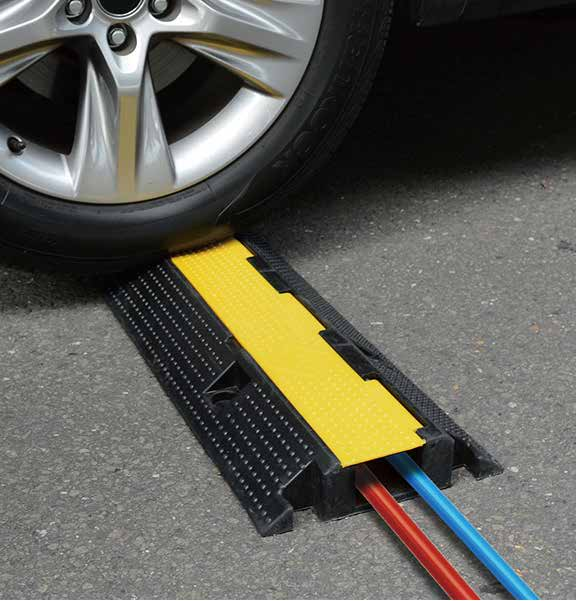
When organizations need large quantities of cable protection solutions for multiple projects or ongoing operations, sourcing bulk cable protectors directly from factory manufacturers offers significant advantages in cost efficiency, customization options, and quality control. Factory-direct procurement enables businesses to specify exact requirements for channel width, color coding systems, and load ratings while securing competitive pricing for high-volume orders. Understanding the intricacies of bulk purchasing from cable protector manufacturers helps decision-makers optimize their procurement strategy and ensure consistent supply chain performance.
Factory-manufactured cable protectors provide the flexibility to meet diverse industrial, commercial, and event management requirements through customizable specifications that standard retail products cannot match. Direct manufacturer relationships enable procurement teams to establish long-term supply agreements, implement quality assurance protocols, and access technical support for specialized applications. The ability to customize channel configurations, select appropriate load ratings, and coordinate color schemes becomes particularly valuable for organizations managing complex infrastructure projects or standardizing safety equipment across multiple facilities.
Understanding Factory-Direct Cable Protector Procurement
Manufacturing Process and Quality Control
Cable protector manufacturing involves precision molding processes that ensure consistent dimensions, material density, and structural integrity across large production runs. Factory facilities typically utilize injection molding or compression molding techniques to create durable rubber or polyurethane cable protectors that meet specific load-bearing requirements. Quality control systems monitor material composition, dimensional accuracy, and surface finish throughout the production cycle to maintain consistent standards for bulk cable protectors regardless of order quantity.
Manufacturing facilities implement material testing protocols that verify durometer ratings, tensile strength, and environmental resistance properties to ensure cable protectors perform reliably under specified operating conditions. Production scheduling coordination allows manufacturers to accommodate custom specifications without disrupting standard product lines, enabling efficient fulfillment of bulk orders with tailored requirements. Advanced manufacturing capabilities include multi-color molding, integrated marking systems, and specialized compound formulations that enhance visibility, durability, and application-specific performance characteristics.
Supply Chain Advantages and Lead Time Management
Direct factory relationships eliminate multiple distribution layers, reducing costs and improving communication regarding specification changes, delivery schedules, and quality requirements. Manufacturing partners typically maintain raw material inventory buffers that enable rapid response to bulk cable protector orders without extended lead times associated with custom production runs. Established supply chains provide visibility into production capacity, material availability, and shipping logistics that support accurate project planning and inventory management strategies.
Factory partnerships often include flexible scheduling arrangements that accommodate seasonal demand fluctuations, emergency replacement requirements, and project-specific delivery timelines. Bulk purchasing agreements enable manufacturers to optimize production efficiency through batch processing, reducing per-unit costs while maintaining quality standards. Strategic supplier relationships provide access to technical expertise, application guidance, and ongoing product development initiatives that enhance long-term procurement value and operational effectiveness.
Custom Channel Width Specifications
Channel Configuration Design Principles
Channel width customization addresses specific cable management requirements by accommodating varying quantities and sizes of electrical, data, and utility cables within protected pathways. Factory engineering teams evaluate cable bundle dimensions, routing patterns, and accessibility requirements to recommend optimal channel configurations that maximize protection while minimizing installation complexity. Custom channel widths enable efficient cable organization, reduce installation time, and provide adequate clearance for cable maintenance and future expansion needs.
Manufacturing capabilities support channel width variations ranging from narrow single-cable configurations to wide multi-channel systems that accommodate complex cable bundles or multiple service types. Engineering analysis considers cable bend radius requirements, thermal expansion characteristics, and mechanical stress factors to ensure custom channel dimensions provide adequate protection without compromising cable performance. Bulk cable protectors with custom channel specifications enable standardization across facilities while accommodating site-specific infrastructure requirements and operational constraints.
Multi-Channel Design and Separation Requirements
Multi-channel cable protectors incorporate internal separation barriers that prevent cable interference, reduce electromagnetic compatibility issues, and facilitate organized cable management practices. Custom channel configurations can include varying width combinations within single protector units, enabling simultaneous accommodation of power, data, and specialty cables with appropriate isolation. Manufacturing flexibility allows specification of channel depths, wall thicknesses, and separation barrier designs that meet electrical code requirements and operational safety standards.
Channel separation design considers voltage isolation requirements, cable type compatibility, and maintenance accessibility to optimize long-term operational efficiency. Factory customization capabilities include removable separation barriers, snap-fit channel dividers, and integrated cable securing features that enhance installation flexibility and future reconfiguration options. Bulk ordering of multi-channel protectors with standardized separation specifications ensures consistent cable management practices across multiple installation sites and project phases.
Color Coding Systems and Visual Safety Integration
Industrial Color Standards and Compliance
Color coding systems for cable protectors enhance workplace safety by providing visual identification of different service types, voltage levels, or operational zones through standardized color schemes. Factory manufacturing processes accommodate custom color specifications that align with existing facility safety protocols, regulatory compliance requirements, and corporate branding guidelines. Bulk cable protectors in coordinated colors support systematic cable management approaches that improve maintenance efficiency and reduce operational errors.
Manufacturing capabilities include solid colors, color combinations, reflective striping, and high-visibility formulations that enhance detection under various lighting conditions and operational environments. Color consistency across large production runs ensures visual uniformity that supports effective safety communication and hazard identification protocols. Custom color specifications can incorporate UV-resistant additives, fade-resistant compounds, and specialized pigment systems that maintain color integrity under extended outdoor exposure or harsh industrial conditions.
Visibility Enhancement and Safety Communication
High-visibility color options improve pedestrian awareness, vehicle detection, and equipment operator safety in areas where cable protectors cross walkways, vehicle paths, or work zones. Fluorescent colors, reflective materials, and contrasting color combinations maximize visibility during daylight and low-light conditions to prevent trip hazards and accidental damage. Bulk procurement of high-visibility cable protectors enables consistent safety marking across temporary installations, construction sites, and event venues where cable routing changes frequently.
Color-coded systems facilitate rapid identification of emergency shutdown cables, critical system connections, and maintenance access points during routine operations and emergency response situations. Manufacturing options include glow-in-the-dark additives, retroreflective surfaces, and photoluminescent materials that enhance visibility without requiring external power sources. Standardized color coding across bulk cable protector inventories supports training programs, safety procedures, and regulatory compliance documentation that demonstrates systematic approach to workplace hazard management.
Load Rating Specifications and Performance Engineering
Weight Capacity Analysis and Testing
Load rating specifications for cable protectors consider static loads, dynamic loads, and impact resistance requirements based on anticipated traffic patterns, equipment weights, and operational conditions. Factory testing protocols evaluate compression strength, fatigue resistance, and structural integrity under repeated loading cycles to validate performance ratings for bulk cable protectors across diverse applications. Engineering analysis incorporates safety factors, material properties, and failure mode considerations to establish conservative load ratings that ensure reliable long-term performance.
Manufacturing quality control includes load testing verification, dimensional inspection, and material property validation to confirm each production batch meets specified performance criteria. Custom load rating requirements accommodate heavy equipment traffic, concentrated loads from scaffolding or temporary structures, and dynamic loading from material handling equipment. Bulk purchasing enables specification of consistent load ratings across multiple protector units while maintaining cost efficiency through standardized manufacturing processes and material specifications.
Application-Specific Load Requirements
Different operational environments impose varying load requirements on cable protection systems, from light foot traffic in office environments to heavy vehicle loads in industrial facilities and construction sites. Factory engineering support helps determine appropriate load ratings based on specific application parameters, including vehicle types, wheel loads, impact frequencies, and environmental conditions. Bulk cable protectors with matched load ratings ensure consistent performance standards across installations while simplifying procurement and inventory management processes.
Load rating customization addresses specialized requirements such as aircraft ground support equipment, heavy machinery operations, and temporary roadway applications where standard products may not provide adequate capacity. Manufacturing capabilities support enhanced load ratings through material upgrades, structural reinforcement, and specialized design features that maintain cable protection effectiveness under extreme loading conditions. Strategic specification of load ratings for bulk purchases optimizes cost-performance relationships while ensuring adequate safety margins for anticipated and unexpected loading scenarios.
FAQ
What minimum order quantities typically qualify for factory-direct bulk pricing on cable protectors?
Most cable protector manufacturers establish minimum order quantities between 50-100 units for bulk pricing consideration, though exact thresholds vary based on product complexity, customization requirements, and manufacturing efficiency factors. Larger orders exceeding 500 units often qualify for additional volume discounts and priority production scheduling. Custom specifications may require higher minimum quantities to justify tooling costs and setup expenses associated with non-standard manufacturing processes.
How long does factory production typically take for custom bulk cable protector orders?
Standard bulk cable protector orders without customization typically require 2-4 weeks for production and delivery, while custom specifications involving channel width modifications, color changes, or load rating adjustments may extend lead times to 4-8 weeks. Complex customizations requiring new tooling or material formulations can require 8-12 weeks for initial production runs. Manufacturers often provide expedited production options for urgent requirements, though premium pricing may apply for accelerated delivery schedules.
Can factory-manufactured cable protectors include company logos or identification markings?
Most cable protector manufacturers offer custom marking options including embossed logos, printed identification numbers, and molded-in text for bulk orders meeting minimum quantity requirements. Marking options range from simple text impressions to multi-color logos and detailed specification information molded directly into the protector surface. Custom marking typically adds 1-2 weeks to production schedules and may require additional setup costs for new marking tools or printing plates.
What quality certifications should be expected from factory-direct cable protector suppliers?
Reputable cable protector manufacturers maintain ISO 9001 quality management certifications and often provide material compliance documentation including RoHS compliance, flame retardant ratings, and environmental safety certifications. Load rating validation should include independent testing reports confirming specified weight capacities and structural performance under standardized test conditions. Quality documentation typically includes material certificates, dimensional inspection reports, and batch traceability information that supports quality assurance and regulatory compliance requirements.
Table of Contents
- Understanding Factory-Direct Cable Protector Procurement
- Custom Channel Width Specifications
- Color Coding Systems and Visual Safety Integration
- Load Rating Specifications and Performance Engineering
-
FAQ
- What minimum order quantities typically qualify for factory-direct bulk pricing on cable protectors?
- How long does factory production typically take for custom bulk cable protector orders?
- Can factory-manufactured cable protectors include company logos or identification markings?
- What quality certifications should be expected from factory-direct cable protector suppliers?