 EN
EN

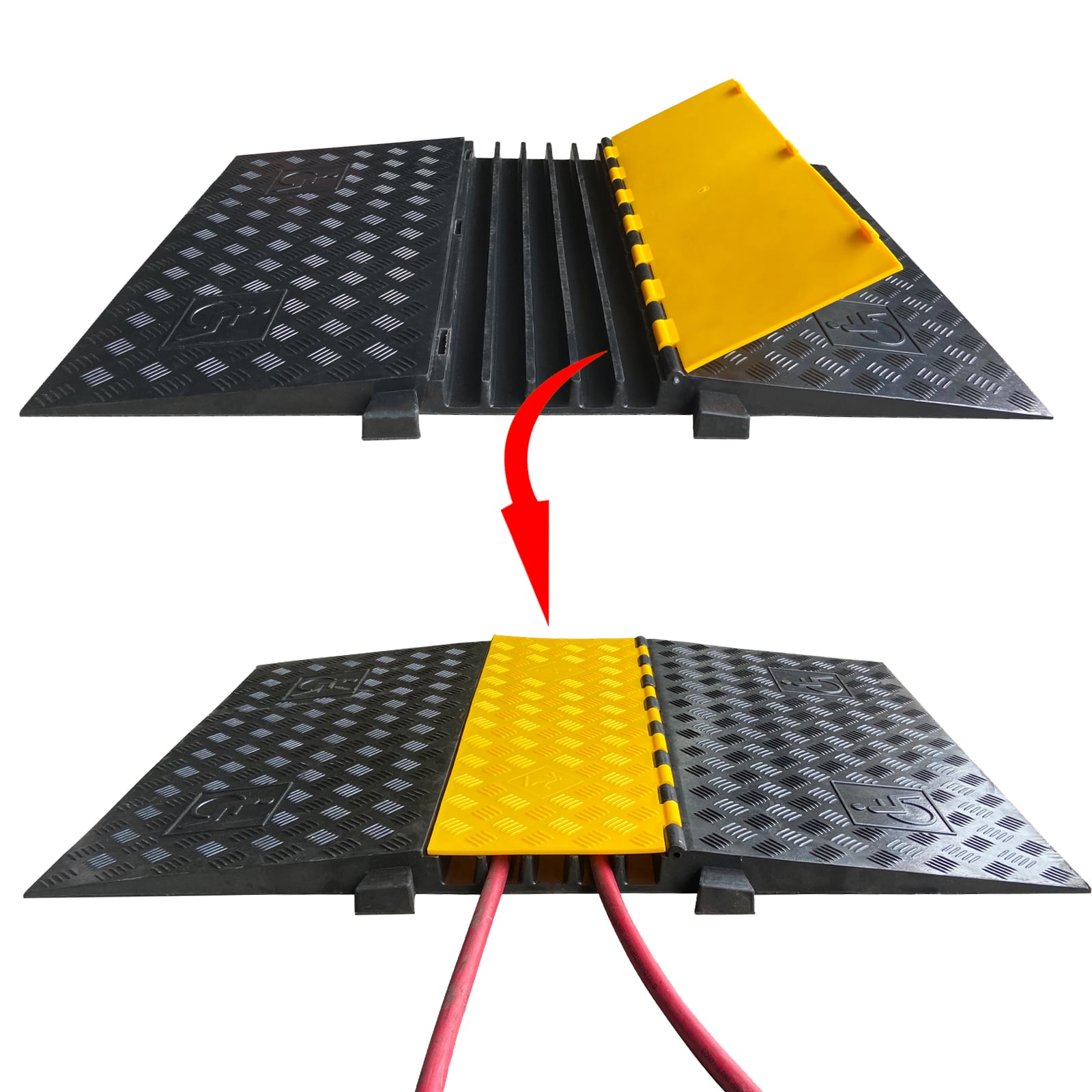
Cable protectors are essential safety devices designed to manage and protect cables in high-traffic areas where personnel and equipment move frequently. These rubber or plastic ramps cover and secure cables running across floors, driveways, and pathways, preventing trips, falls, and equipment damage. Understanding cable protectors and their various channel configurations is critical for maintaining workplace safety, reducing liability, and extending cable lifespan in industrial, commercial, and outdoor environments.
Selecting the right cable protectors depends on the number and thickness of cables you need to manage, the weight of traffic they will endure, and the specific layout of your workspace. Cable protectors come in multiple channel configurations, including single-channel, two-channel, three-channel, and five-channel options, each serving distinct operational needs. Choosing the correct channel configuration ensures cables remain secure, accessible for maintenance, and properly protected from crushing, abrasion, and environmental hazards.
Understanding Cable Protectors and Channel Systems
What Cable Protectors Do
Cable protectors serve as protective barriers that prevent cables from shifting, kinking, or being crushed under foot traffic or vehicle wheels. These cable protectors are typically made from durable rubber, plastic, or composite materials that withstand compression, UV exposure, and temperature fluctuations. In warehouses, event venues, airports, and construction sites, cable protectors keep power cords, data cables, and hydraulic hoses organized while maintaining safe passage for workers and equipment. The primary function of cable protectors is hazard elimination, reducing trip-and-fall incidents while protecting sensitive cables from physical damage that could cause electrical hazards or operational failures.
Channel Configuration Basics
Cable protectors are manufactured with distinct channel designs that determine how many and what size cables they can accommodate. A single-channel cable protector features one groove running lengthwise, suitable for one large cable or bundled smaller cables. Two-channel cable protectors divide the top into two parallel grooves, allowing separation and independent routing of two cables. Three-channel cable protectors provide three distinct channels, enabling management of multiple cables with minimal footprint. Five-channel cable protectors offer maximum capacity, accommodating numerous cables or hoses in organized, separated pathways. The channel configuration you select for cable protectors should match your actual cable count and spacing requirements to prevent overcrowding, which could compromise protection and accessibility.
Determining Cable Protector Channel Needs
Single and Two-Channel Cable Protectors
Single-channel cable protectors are ideal for applications where one primary power cord or a bundle of cables runs across a pathway. These cable protectors work well in temporary setups, small retail environments, or scenarios involving minimal cable crossings. Two-channel cable protectors serve situations where two independent cables, such as separate power and data lines, need organized routing. Both single and two-channel cable protectors offer cost-effectiveness and maintain clean aesthetics in lower-density cable environments. However, if your workplace has multiple cables crossing the same pathway, stepping up to three-channel or five-channel cable protectors becomes necessary to prevent tangling, damage, and safety hazards.
Three-Channel and Five-Channel Cable Protectors
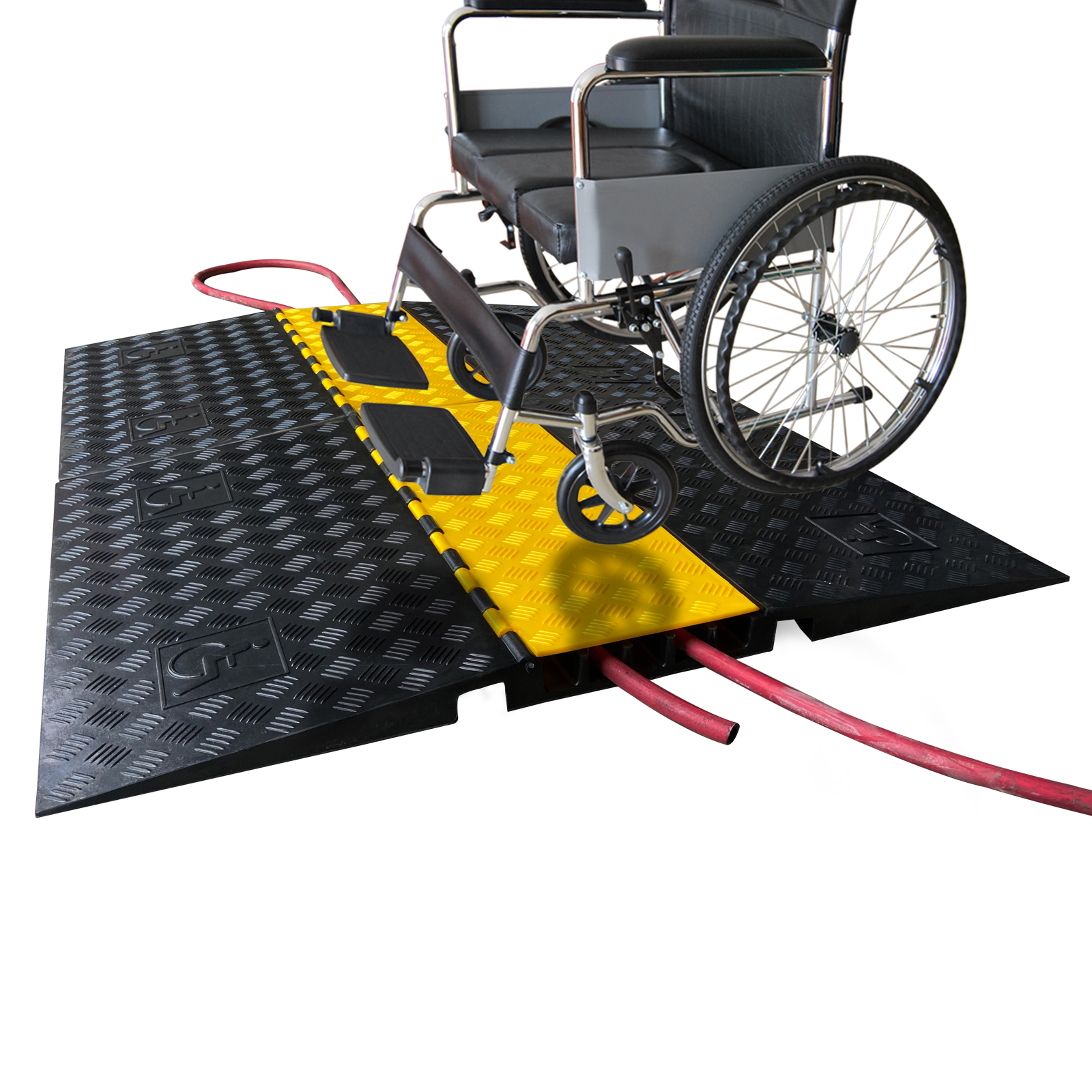
Three-channel cable protectors represent a popular middle ground for most industrial and commercial applications. These cable protectors accommodate power cords, data cables, and audio lines simultaneously, making them suitable for event spaces, production facilities, and equipment staging areas. The three-channel configuration provides organized separation without excessive floor real estate, making these cable protectors practical for dense cable environments. Five-channel cable protectors are designed for high-complexity scenarios involving numerous cables, hoses, or mixed-diameter conductors. Data centers, broadcast studios, and large construction sites often rely on five-channel cable protectors to manage comprehensive cable infrastructure. While five-channel cable protectors demand more space and cost more than alternatives, they deliver superior organization, reduced maintenance time, and enhanced safety in cable-intensive operations.
Selection Criteria and Installation Considerations
Traffic Type and Weight Capacity
The selection of cable protectors must account for the type of traffic crossing them. Pedestrian-only environments can utilize lighter-duty cable protectors, while areas subject to wheeled equipment, forklifts, or vehicle traffic require cable protectors rated for higher load capacities. Rubber cable protectors generally offer superior flexibility and grip, preventing cables from shifting during compression. Plastic cable protectors provide lightweight portability and cost savings but may be less durable under sustained heavy traffic. Your choice between cable protectors materials and channel counts should reflect realistic traffic patterns and equipment weights to ensure long-term performance and safety.
Cable Diameter and Spacing Requirements
Before purchasing cable protectors, measure the outer diameter of each cable requiring protection. Oversizing channel dimensions in cable protectors leads to cable movement and reduced protection; undersizing causes damage and potential fire hazards. Three-channel cable protectors work excellently when cables fit snugly in their designated grooves without compression or excessive looseness. Five-channel cable protectors allow more flexibility in cable sizing but still require thoughtful planning to prevent overcrowding. Additionally, consider whether cables need future maintenance or replacement; larger channel configurations in cable protectors provide easier access for technicians to inspect and service conductors without complete disconnection.
Ramp Style and Installation Method
Cable protectors come in drop-over (ramp) styles or cable management tray formats. Drop-over cable protectors allow cables to lay flat beneath the ramp, which then covers them completely, offering maximum protection and aesthetics. These cable protectors typically feature tapered edges to allow smooth passage of equipment wheels and minimize trip hazards. Cord management using cable protectors should incorporate secure fastening, especially in high-traffic zones where vibration or repeated wheel contact could shift the ramp. Whether you select one-channel, three-channel, or five-channel cable protectors, ensure installation methods comply with electrical codes and safety standards for your industry. Proper installation of cable protectors prevents accidents, reduces downtime, and maximizes the return on your safety investment.
FAQ
What is the most common cable protector channel configuration?
Three-channel cable protectors are the most widely deployed configuration across industrial, commercial, and event environments. The three-channel design balances capacity, cost, and space efficiency, making these cable protectors suitable for most applications involving multiple cables. While single-channel cable protectors serve niche temporary uses and five-channel cable protectors address specialized high-density scenarios, three-channel cable protectors represent the practical standard for mainstream cable management.
Can cable protectors be used outdoors?
Yes, cable protectors manufactured from UV-resistant rubber or weatherproof composite materials perform reliably in outdoor environments. These cable protectors resist sunlight degradation, temperature swings, and moisture infiltration when constructed from appropriate materials. For outdoor installations, verify that your selected cable protectors carry outdoor-rated certifications and maintain structural integrity under direct sunlight and rain exposure. Proper drainage and positioning ensure water does not accumulate beneath cable protectors, which could corrode cables or create electrical hazards.
How do I determine if I need more channel capacity in cable protectors?
Count the distinct cables, hoses, or conductors requiring protection and measure their outer diameters. If your count exceeds the channel capacity of single-channel or two-channel cable protectors, upgrade to three-channel or five-channel cable protectors. Ensure adequate channel space so cables nest comfortably without compression or excessive movement. If channels feel crowded or cables are difficult to insert, your cable protectors are undersized; upgrading to a higher-channel configuration prevents safety and performance issues.