barrier
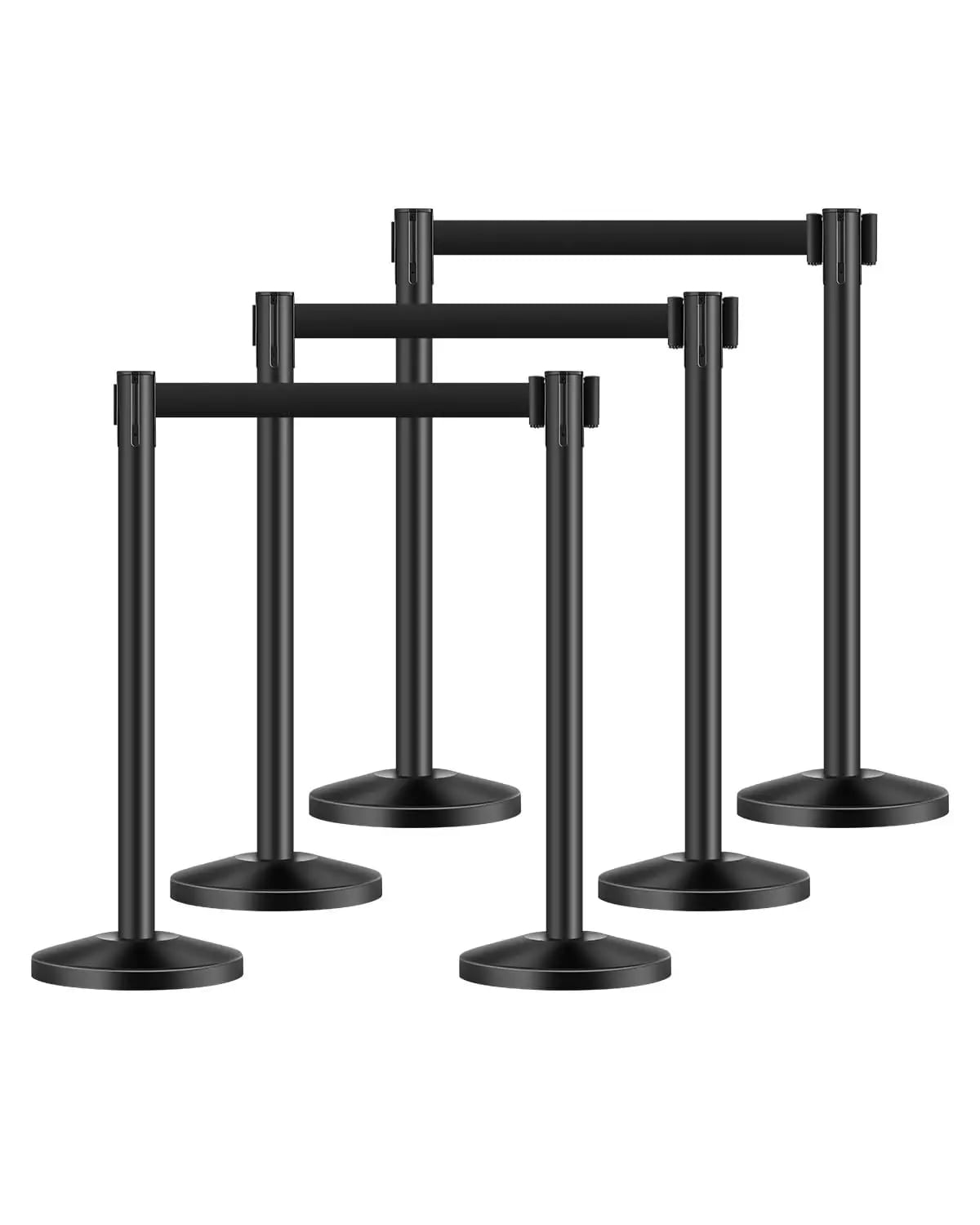
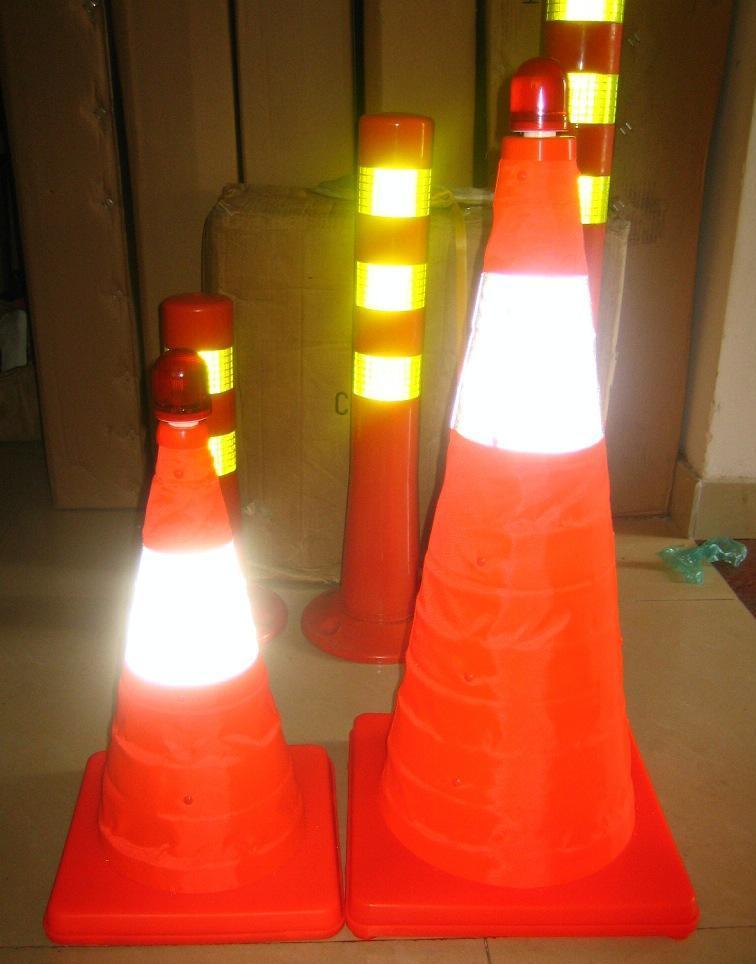
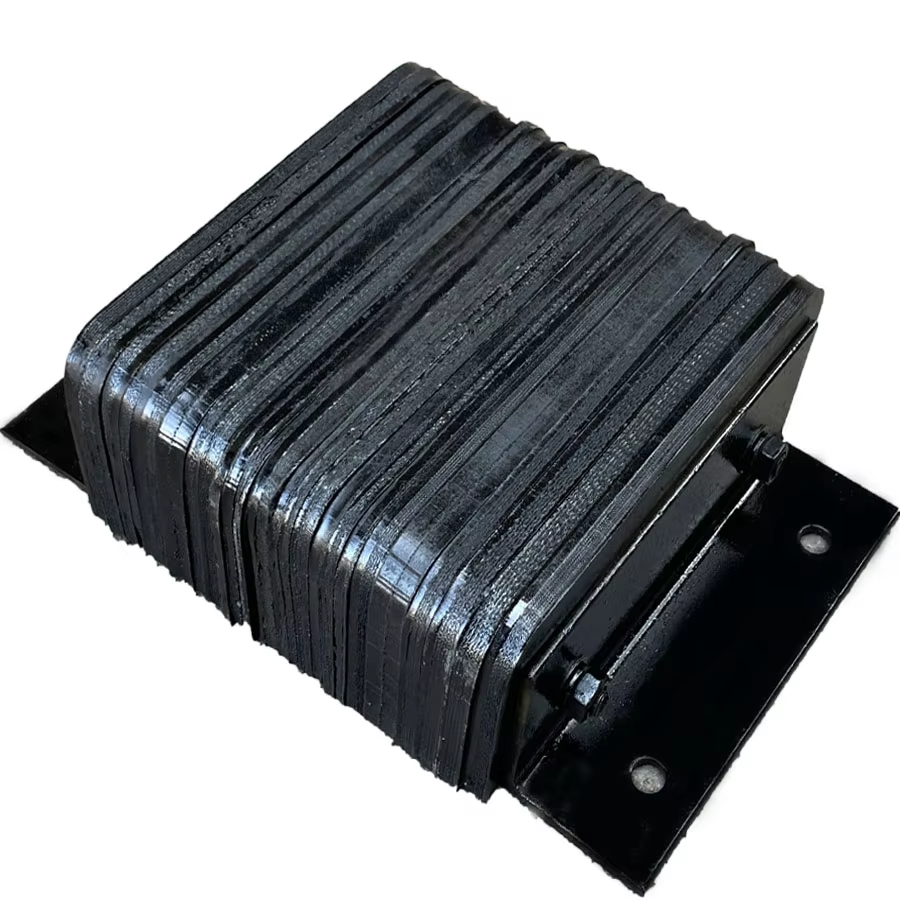
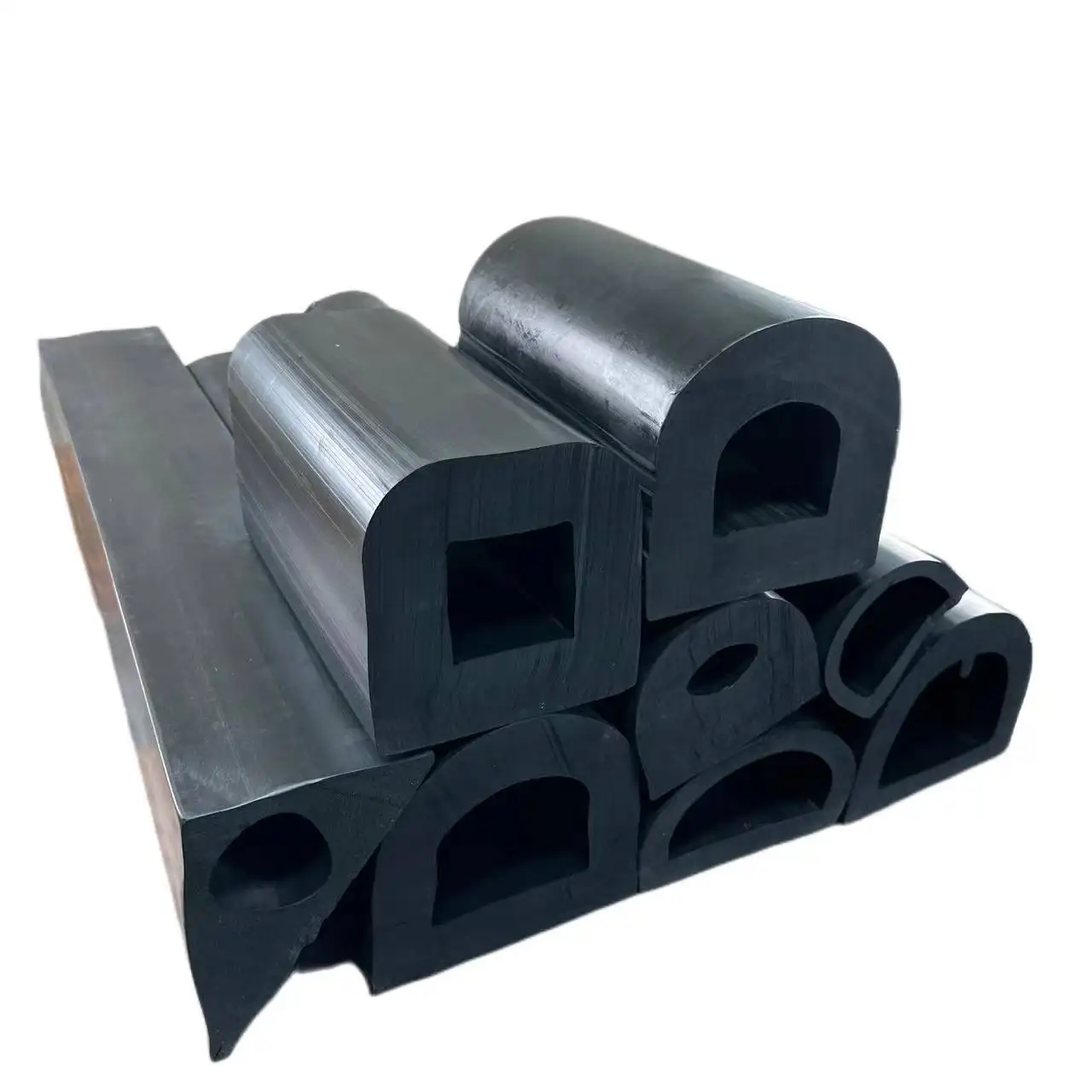
A barrier is a critical safety and access control device designed to regulate vehicle and pedestrian movement in various environments. This essential infrastructure component serves multiple purposes, from enhancing security at entry points to managing traffic flow in parking facilities, toll stations, industrial sites, and commercial properties. Modern barriers incorporate advanced technological features including automated operation systems, remote control capabilities, and intelligent sensor integration that enables seamless interaction with access control platforms. The barrier functions as a physical obstruction that can be raised or lowered to permit or restrict passage, providing property owners and facility managers with reliable control over their premises. Contemporary barrier systems utilize durable materials such as aluminum alloy or steel construction, ensuring long-lasting performance even under heavy-duty usage conditions. Many barriers feature LED lighting strips for enhanced visibility during nighttime operations, while safety mechanisms including anti-collision sensors and automatic obstacle detection protect both vehicles and pedestrians. Integration capabilities allow barriers to connect with RFID readers, license plate recognition systems, and ticketing platforms, creating comprehensive access management solutions. The barrier has evolved from simple manual gates to sophisticated automated systems that offer variable operating speeds, customizable arm lengths, and weather-resistant designs suitable for outdoor installation. These versatile devices are indispensable for organizations requiring controlled access, security enforcement, and efficient traffic management across residential communities, corporate campuses, transportation hubs, and government facilities.
 EN
EN