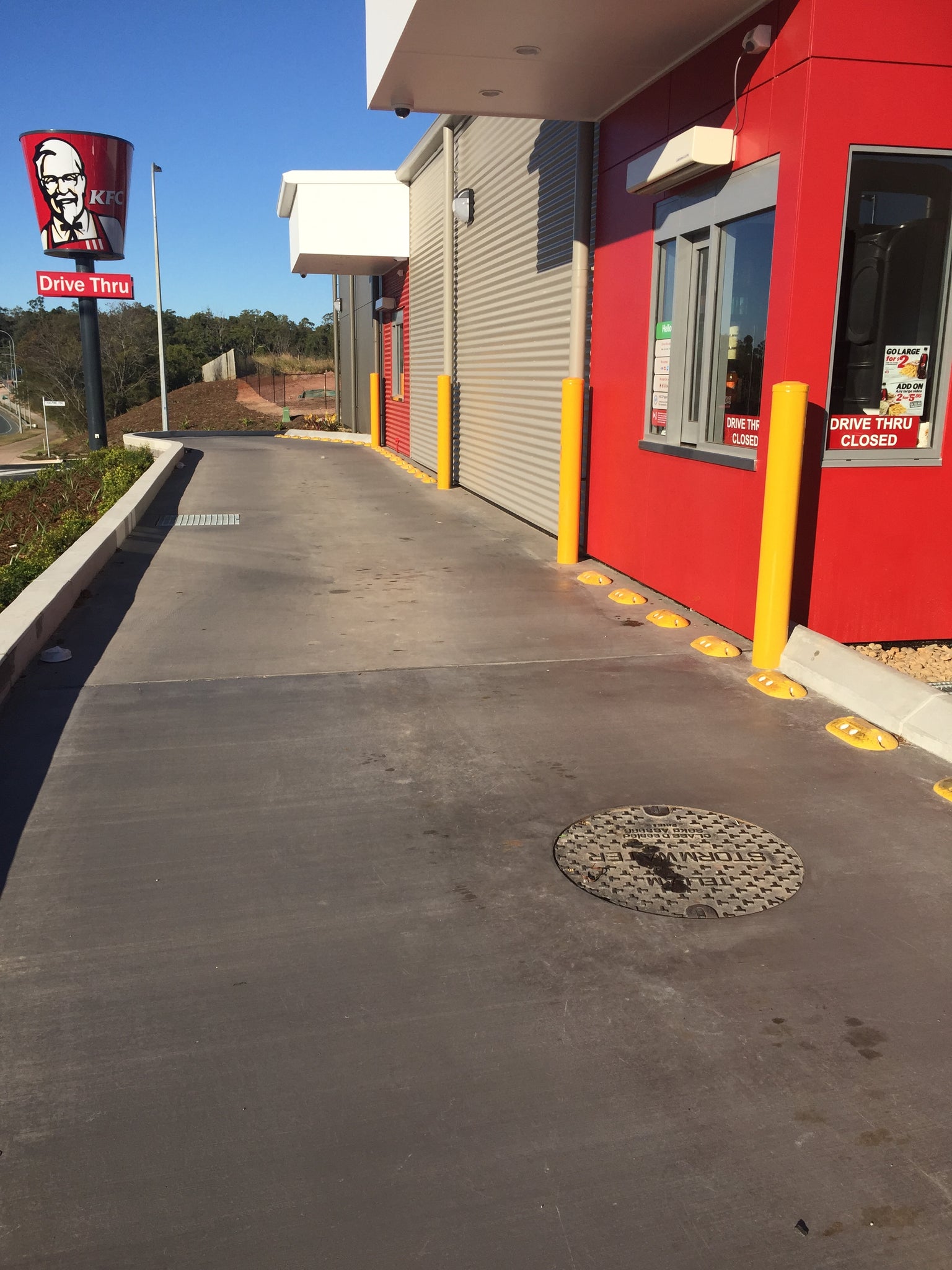
types of rumble strips
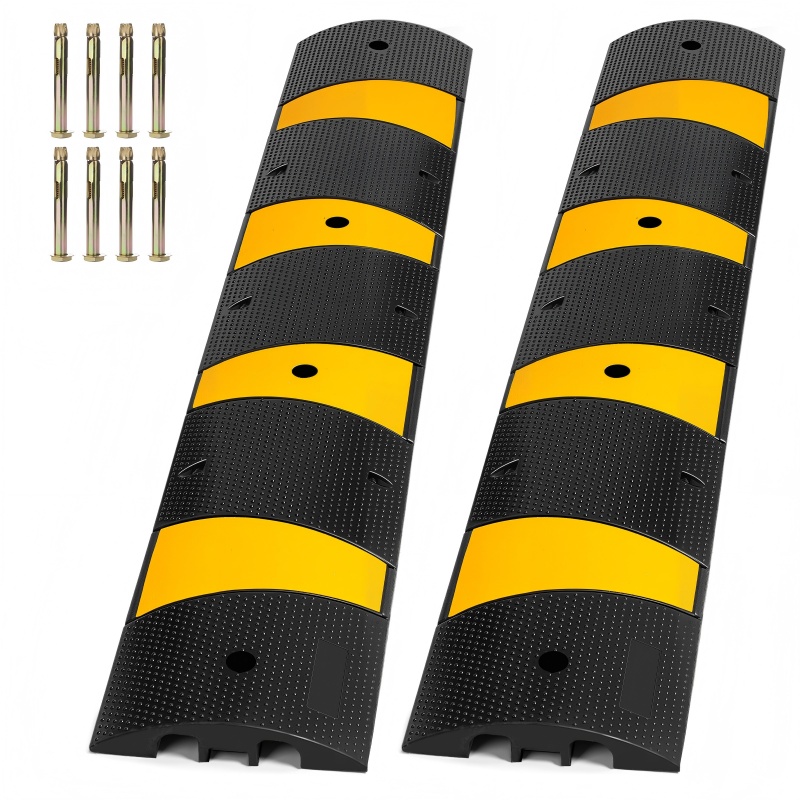
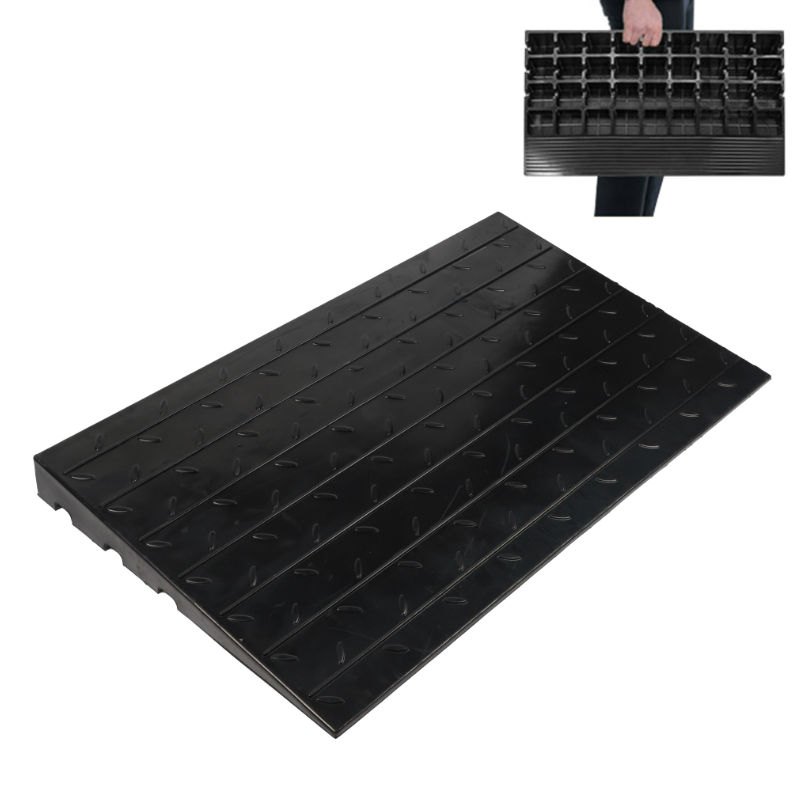
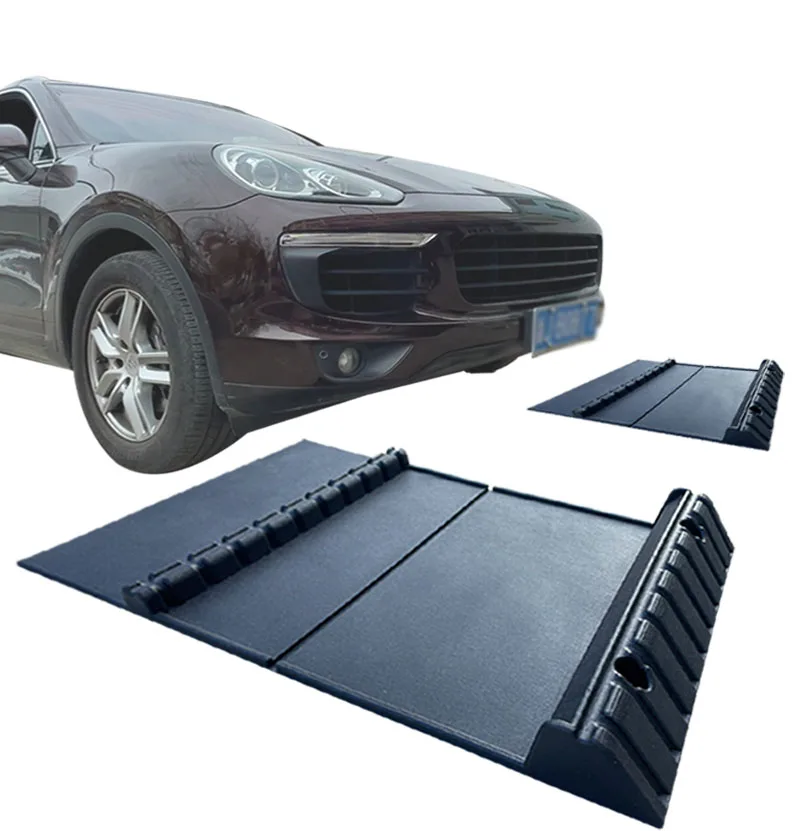
Rumble strips are essential traffic safety features designed to alert drivers through audible and tactile warnings when vehicles drift from their intended path. Understanding the types of rumble strips available helps transportation authorities and project managers select the most appropriate solution for specific road conditions. The primary types of rumble strips include milled rumble strips, rolled rumble strips, raised rumble strips, and formed rumble strips. Milled rumble strips are created by cutting grooves into existing pavement surfaces using specialized machinery, producing consistent depth and spacing. Rolled rumble strips are formed in freshly laid asphalt using a roller wheel that creates depressions before the material hardens. Raised rumble strips utilize adhesive materials or thermoplastic elements applied to road surfaces, creating elevated patterns. Formed rumble strips are integrated during initial pavement construction. Each type of rumble strip serves the crucial function of preventing run-off-road accidents and reducing driver fatigue-related incidents. The technological features vary across different types of rumble strips, with milled versions offering superior longevity and performance in diverse weather conditions. Installation methods, maintenance requirements, and cost considerations differ significantly among these variations. Applications span centerline installations on undivided highways, shoulder placements on freeways, and approach treatments at intersections or toll plazas. The selection among types of rumble strips depends on factors including traffic volume, pavement condition, budget constraints, and specific safety objectives for the roadway segment being treated.
 EN
EN