speed bumps
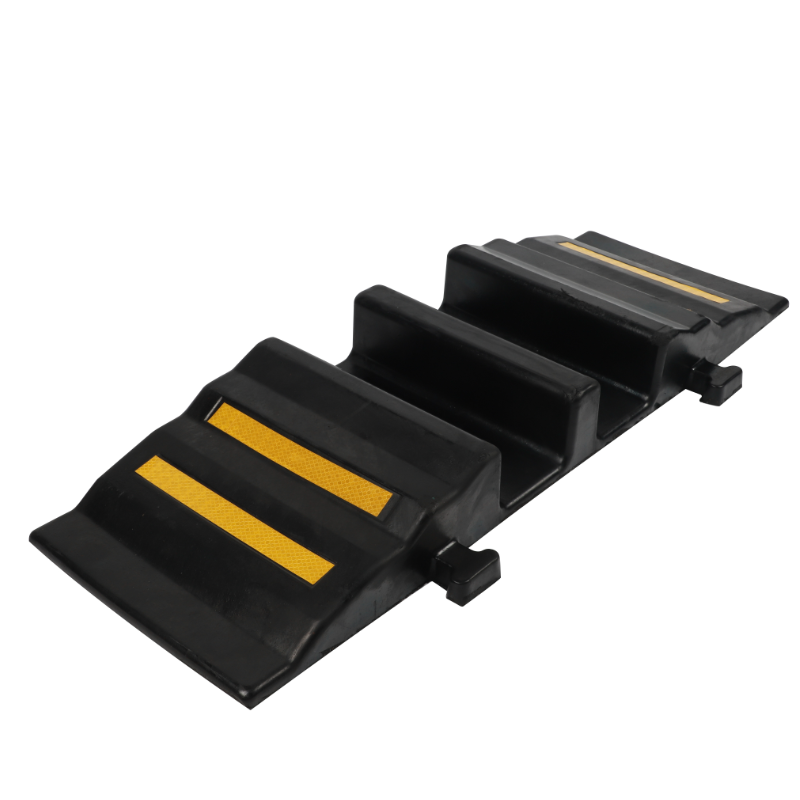
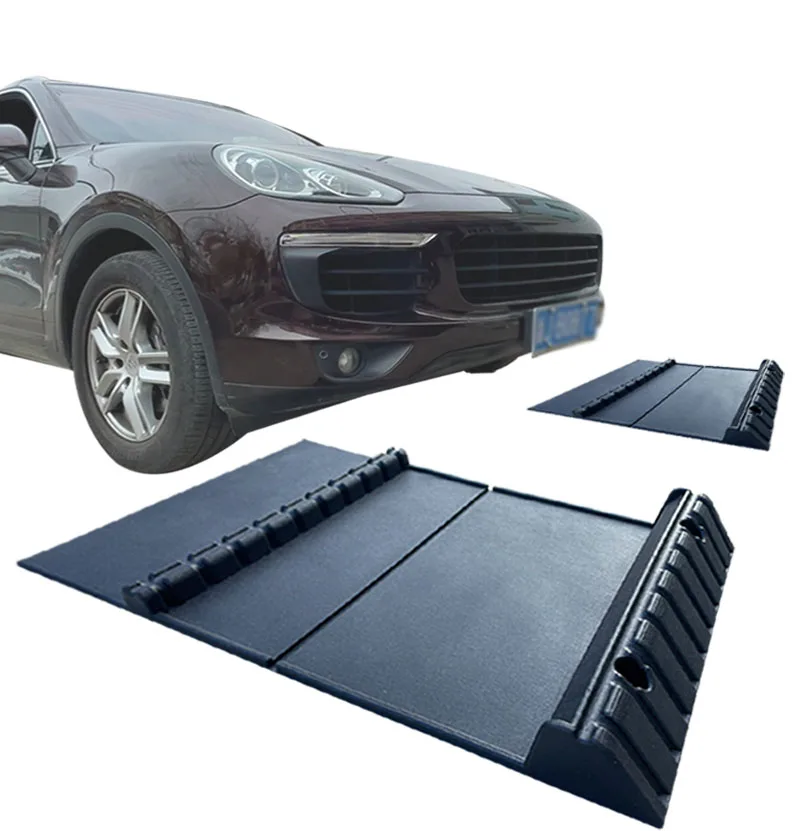
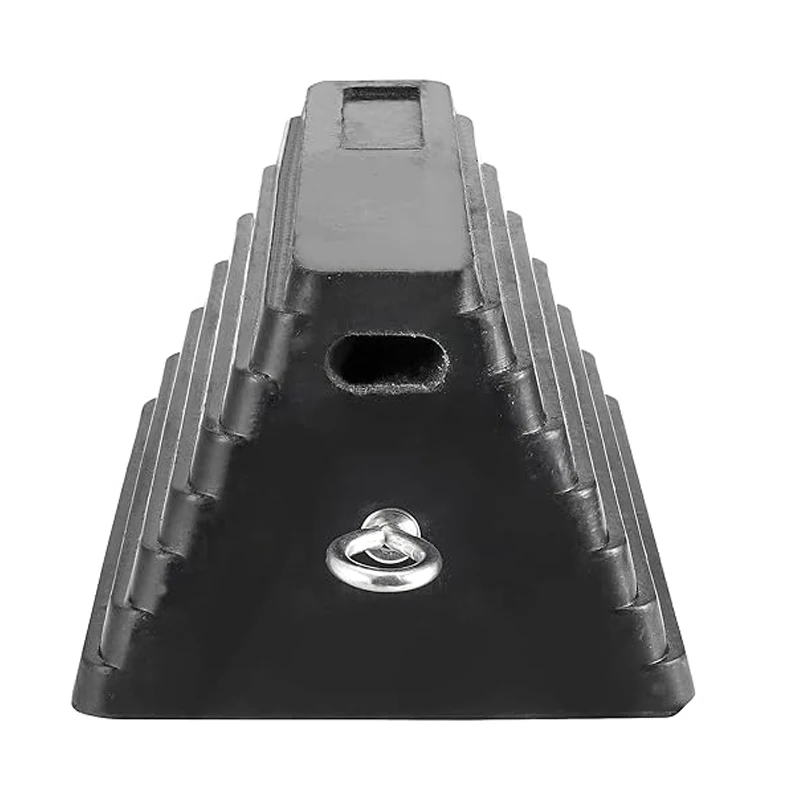
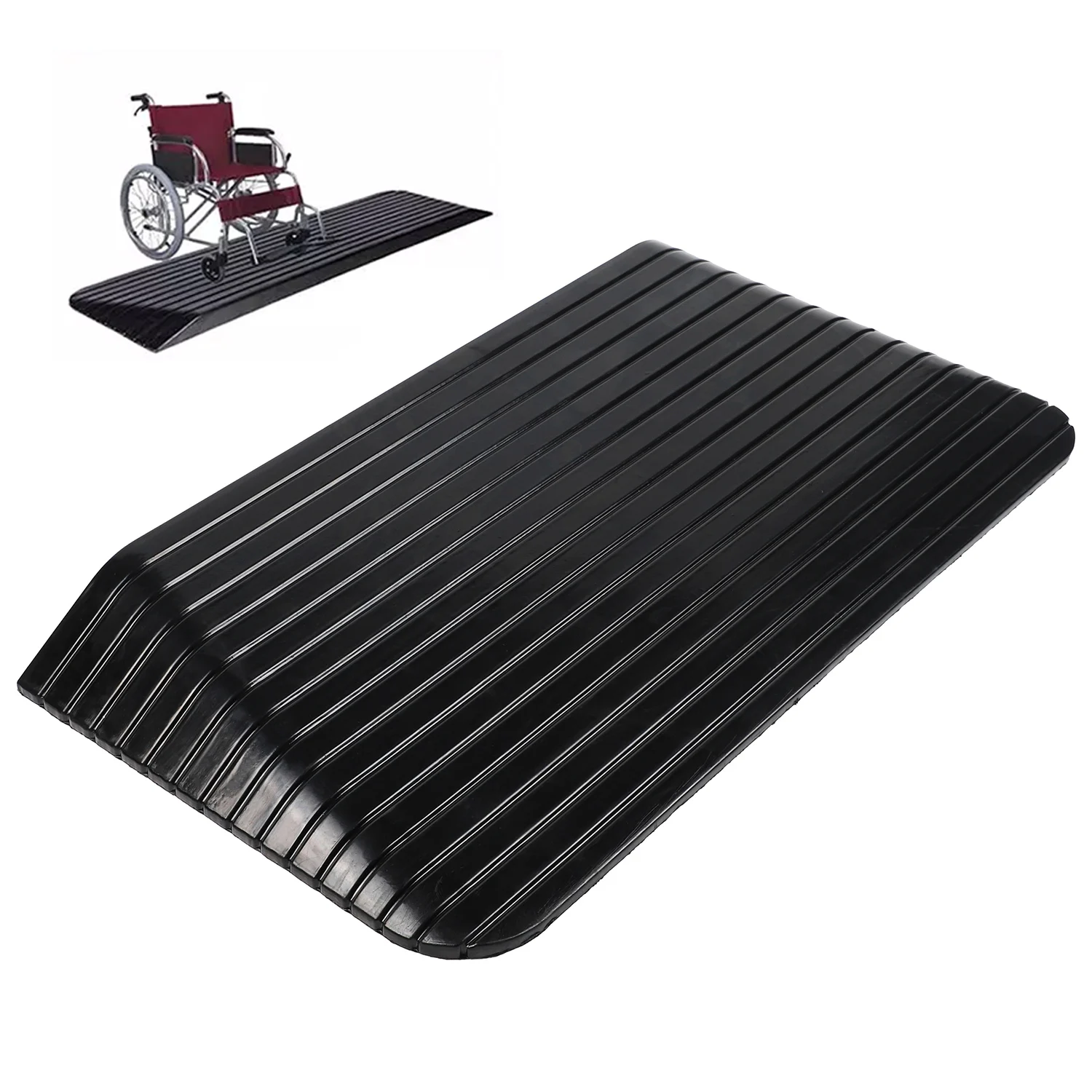
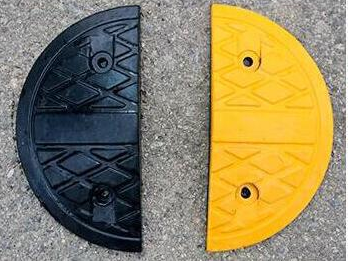
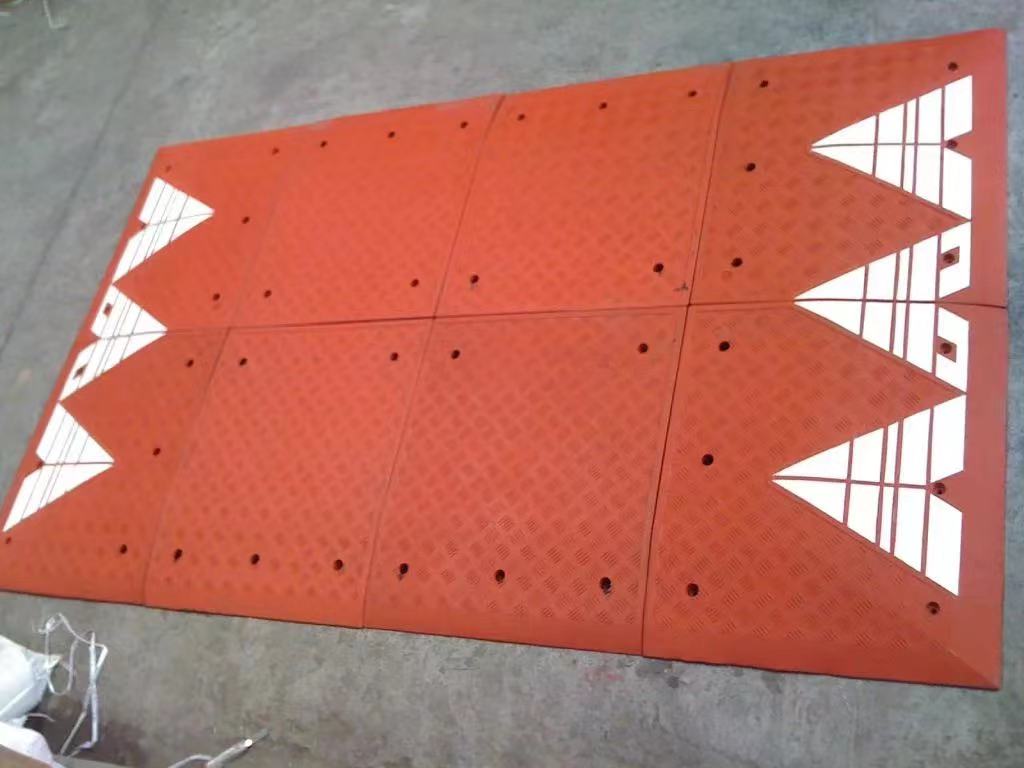
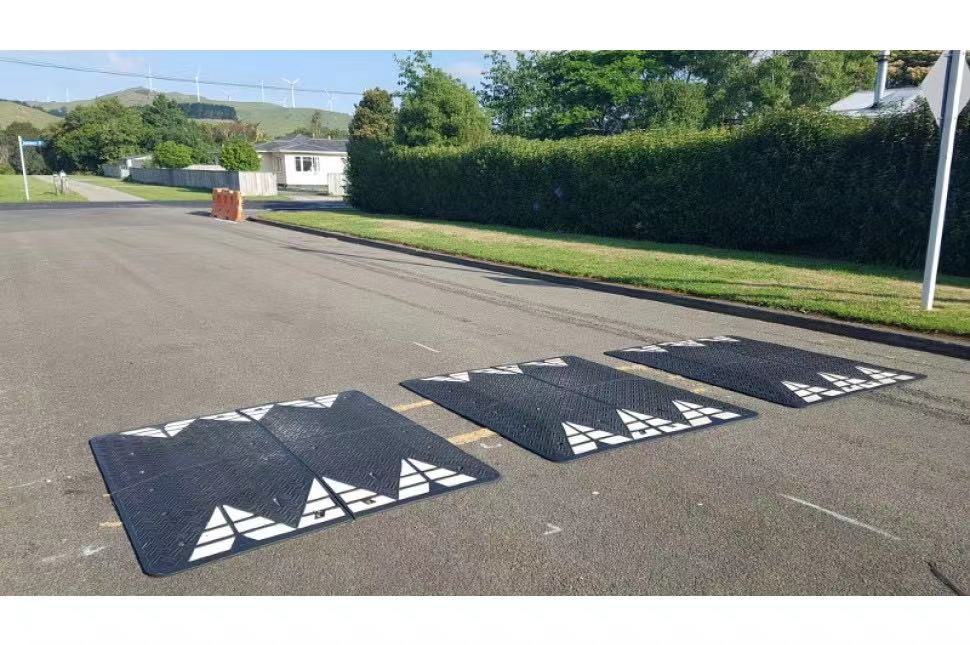
Speed bumps are traffic calming devices designed to reduce vehicle speeds in areas where pedestrian safety and controlled traffic flow are priorities. These raised sections of pavement force drivers to slow down, creating safer environments in residential neighborhoods, school zones, parking lots, and commercial areas. Speed bumps typically feature a rounded or trapezoidal profile that spans the width of the roadway, compelling vehicles to decelerate significantly when crossing. Modern speed bumps incorporate reflective markings and high-visibility colors to ensure drivers can easily identify them from a distance, particularly during nighttime or adverse weather conditions. The technological design of speed bumps balances effectiveness with driver comfort, utilizing materials like rubber, asphalt, or modular plastic that provide durability while minimizing vehicle damage when traversed at appropriate speeds. Installation methods vary from permanent asphalt-integrated designs to removable modular systems that offer flexibility for temporary traffic management needs. Applications for speed bumps extend across multiple environments including educational institutions, hospitals, residential communities, industrial facilities, and municipal roadways where speed reduction is essential for safety. These devices serve as physical reminders for drivers to maintain appropriate speeds, complementing signage and other traffic control measures. The effectiveness of speed bumps in reducing average vehicle speeds has been documented extensively, making them a proven solution for traffic management professionals seeking to enhance safety in high-risk areas while maintaining reasonable traffic flow.
 EN
EN