Proven Speed Reduction Performance
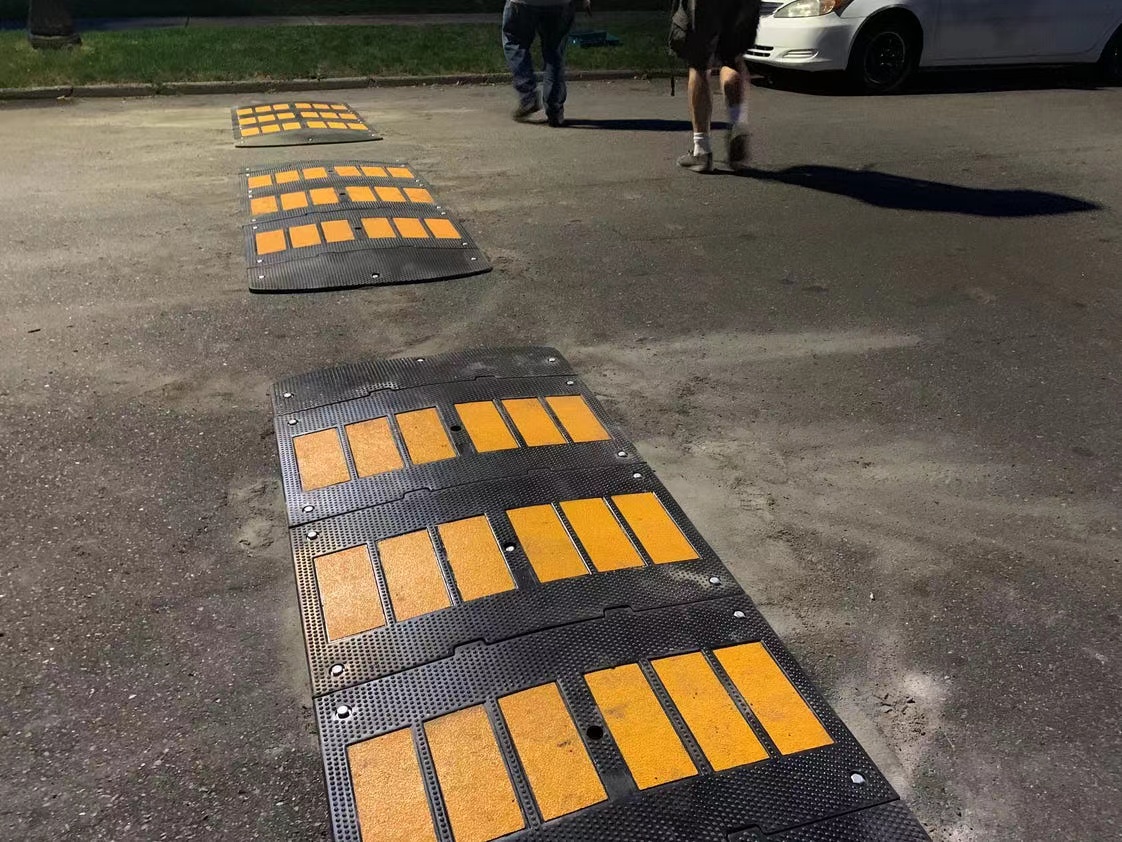
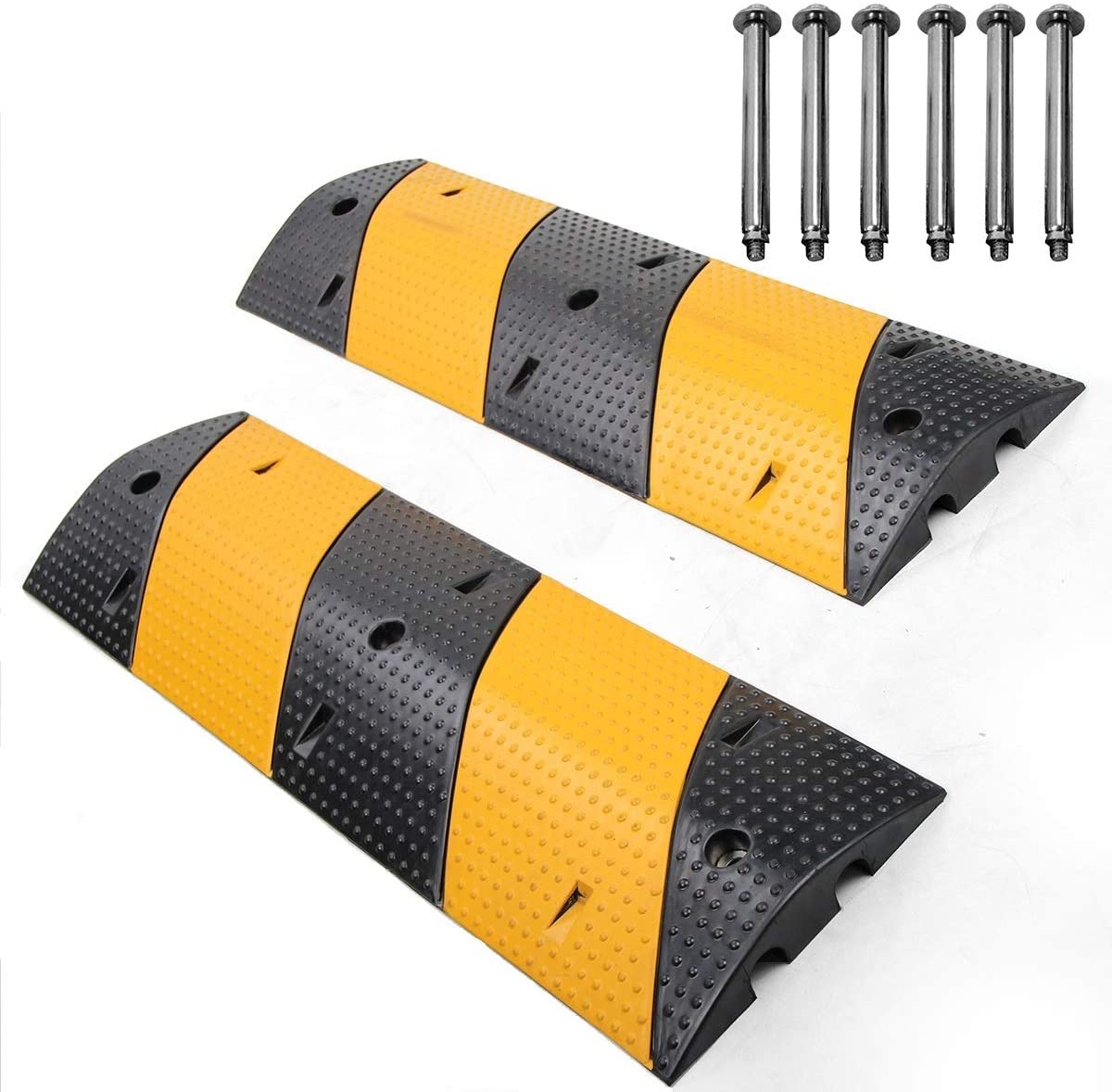
Traffic engineering studies consistently demonstrate that speed cushions achieve reliable speed reduction results, with vehicles slowing to target speeds of 15-25 mph in treated zones. The physical design creates unavoidable vertical displacement for passenger vehicles, generating sufficient discomfort at higher speeds to encourage voluntary compliance without requiring enforcement presence. Research data shows average speed reductions of 10-15 mph compared to pre-installation measurements, with some locations reporting even greater improvements. The psychological impact extends beyond the immediate device location, with drivers maintaining reduced speeds for 300-500 feet after passing the speed cushion, creating extended safety zones. Installation of multiple speed cushions in series amplifies effectiveness, conditioning drivers to maintain appropriate speeds throughout entire neighborhood streets. The measurable results include documented reductions in accident frequency, severity of injuries, and pedestrian conflicts. Communities report increased outdoor activity and walking behavior following installation, indicating enhanced perceived safety among residents. The effectiveness remains consistent across different times of day and varying traffic volumes, providing reliable performance without operational intervention. This proven track record makes the speed cushion a trusted solution for municipalities seeking evidence-based traffic calming measures.
 EN
EN