ada cable ramps
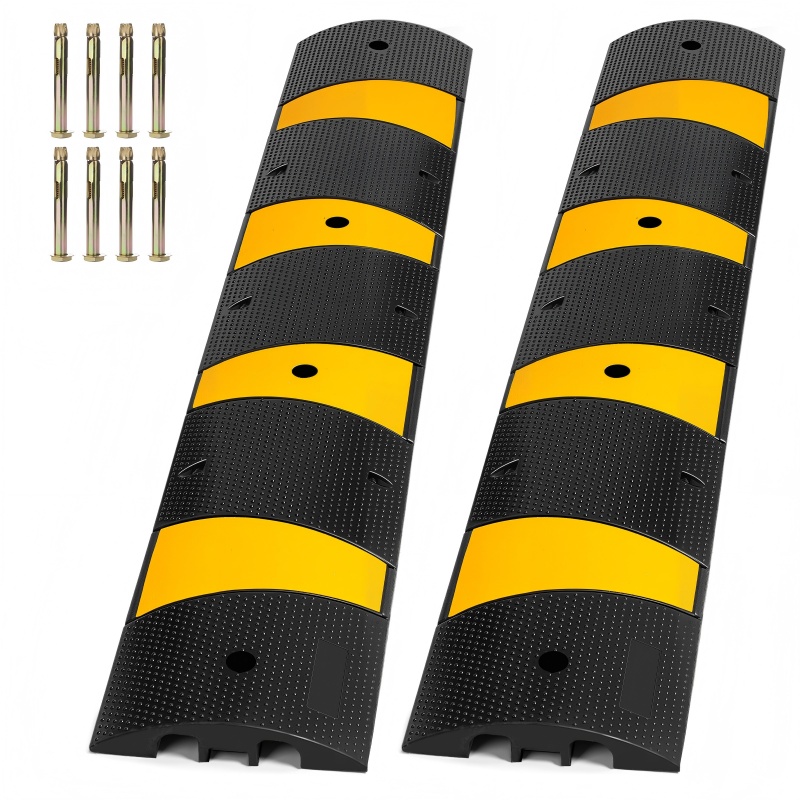
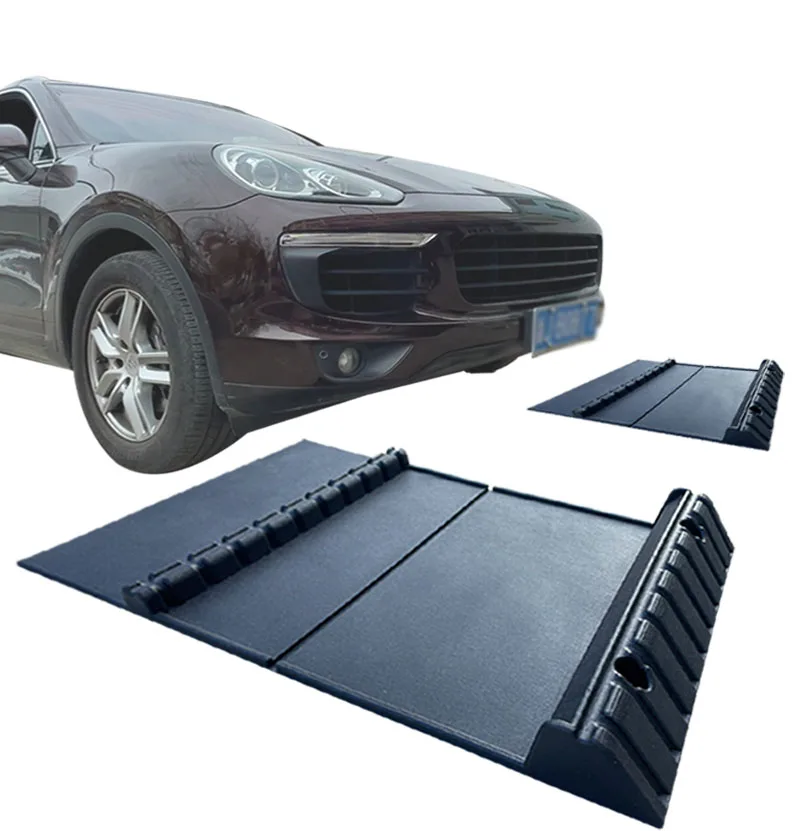
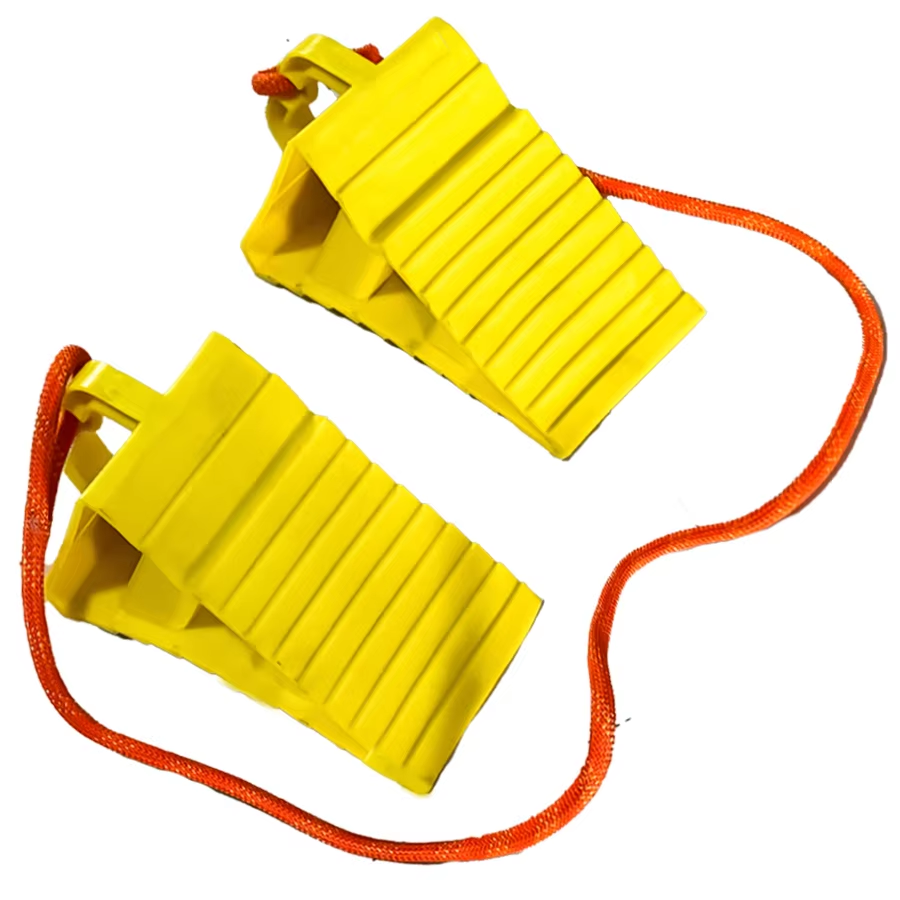
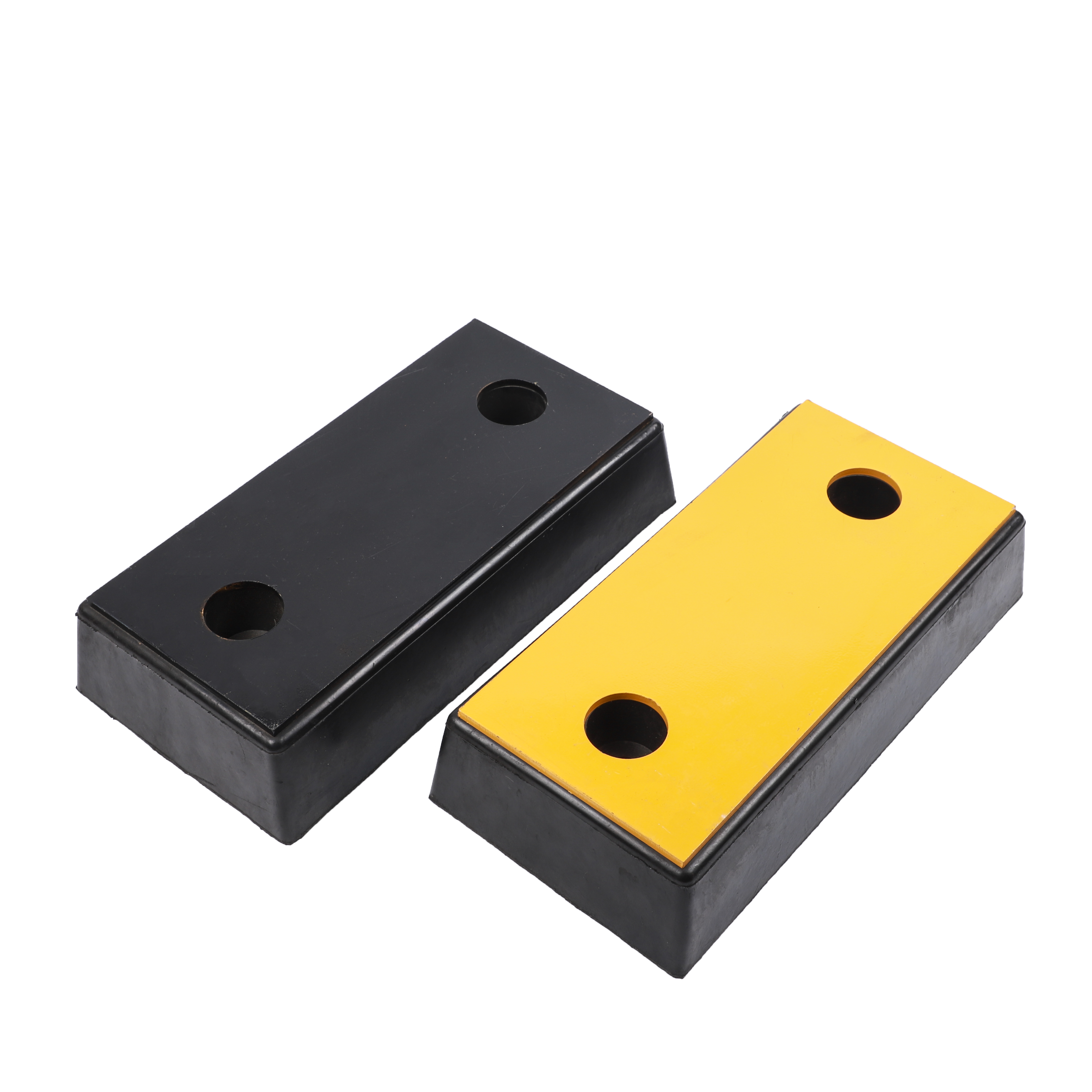
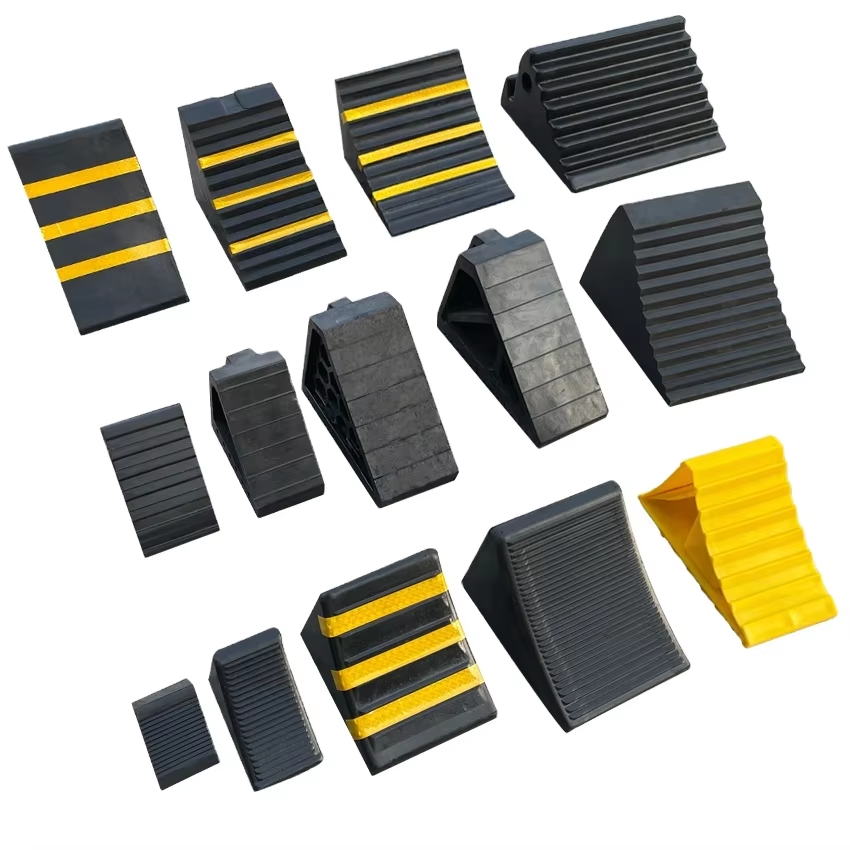
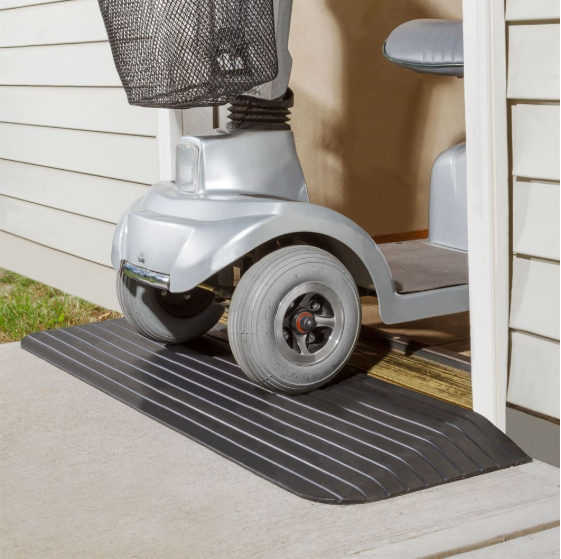
ADA cable ramps are specialized accessibility solutions designed to protect cables and hoses while providing safe passage for pedestrians, wheelchairs, and vehicles in compliance with the Americans with Disabilities Act standards. These durable ramps create smooth transitions over cables running across walkways, driveways, parking lots, and event venues, eliminating tripping hazards and ensuring accessibility for individuals with mobility challenges. The primary function of ada cable ramps is to safeguard electrical cables, data lines, and hoses from damage caused by foot traffic and vehicular movement while maintaining barrier-free access. Constructed from heavy-duty materials such as polyurethane, rubber, or reinforced plastic, these ramps feature multiple channels that organize and protect cables of various sizes. The modular design allows users to connect multiple sections to accommodate different cable quantities and pathway widths. Technological features include high-visibility colors, often yellow and black, to alert pedestrians and drivers of the ramp's presence. Non-slip surfaces provide traction in wet conditions, enhancing safety for all users. The gradual slope design meets ADA specifications, typically maintaining ratios that allow wheelchair users to traverse without assistance. Applications span outdoor concerts, construction sites, trade shows, warehouses, sports events, film productions, and temporary power setups. Facilities managers, event coordinators, and construction professionals rely on ada cable ramps to maintain compliance with accessibility regulations while protecting valuable equipment investments and preventing costly cable replacements due to damage from heavy loads or repeated compression.
 EN
EN