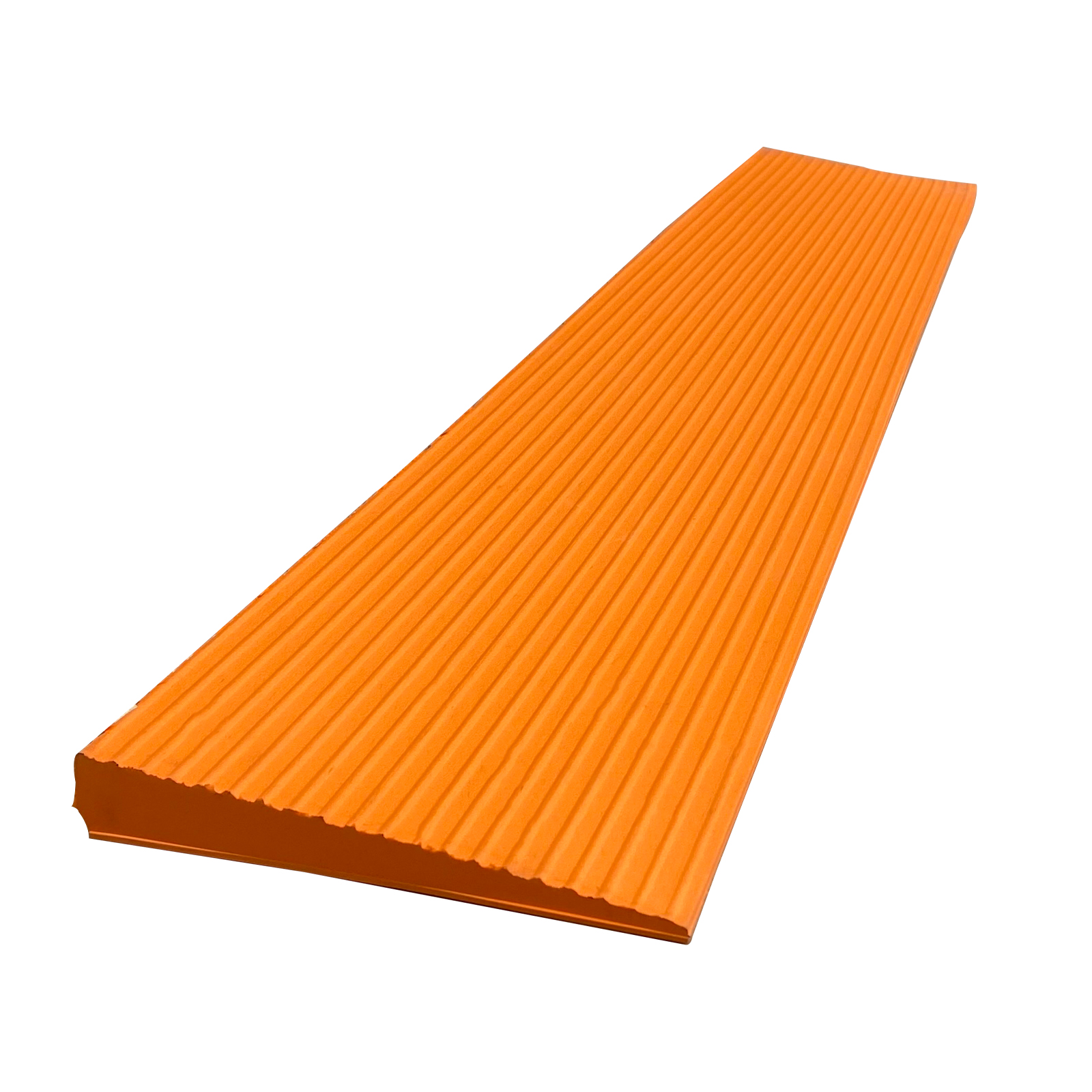
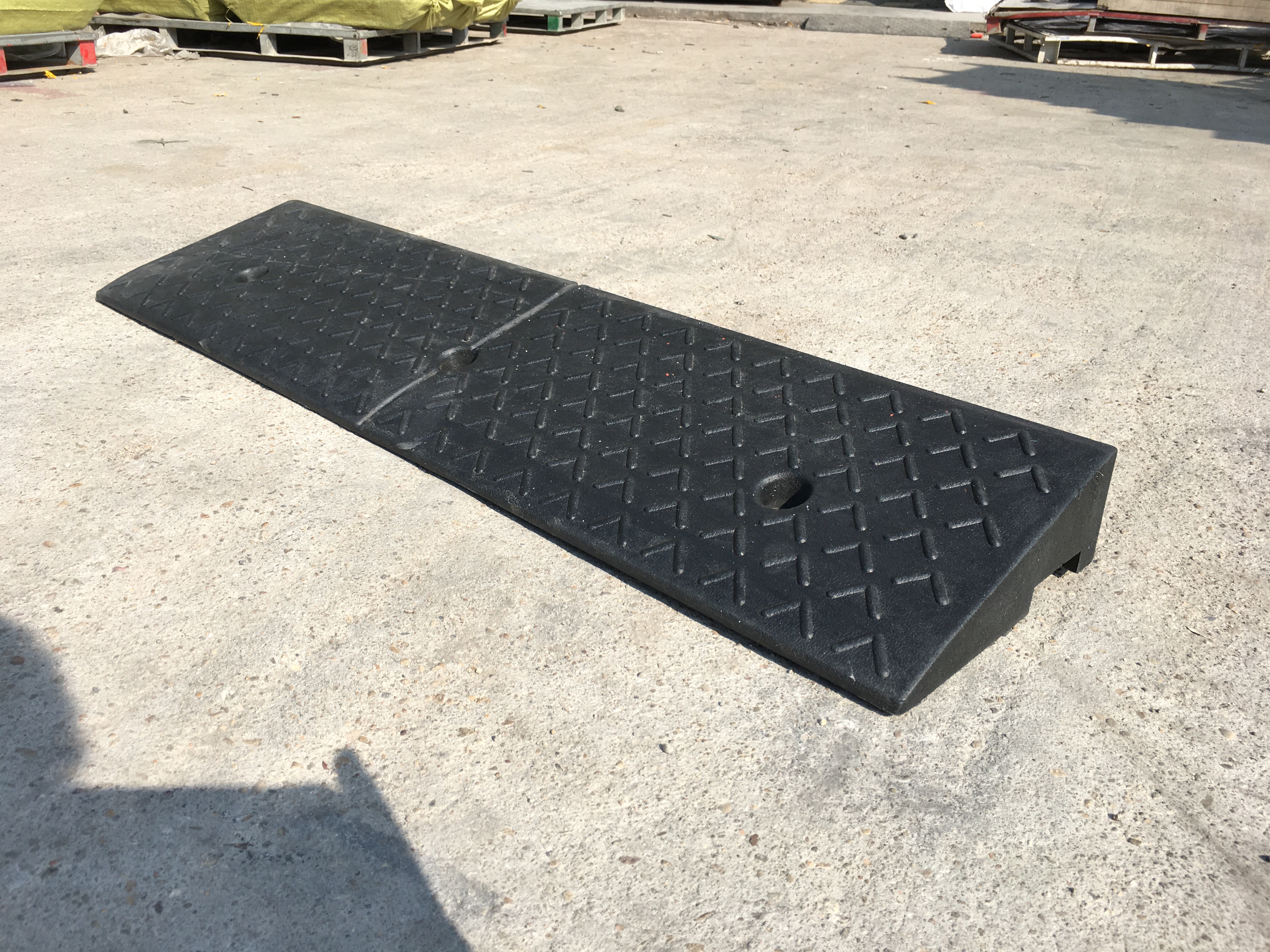
wheelchair ramps
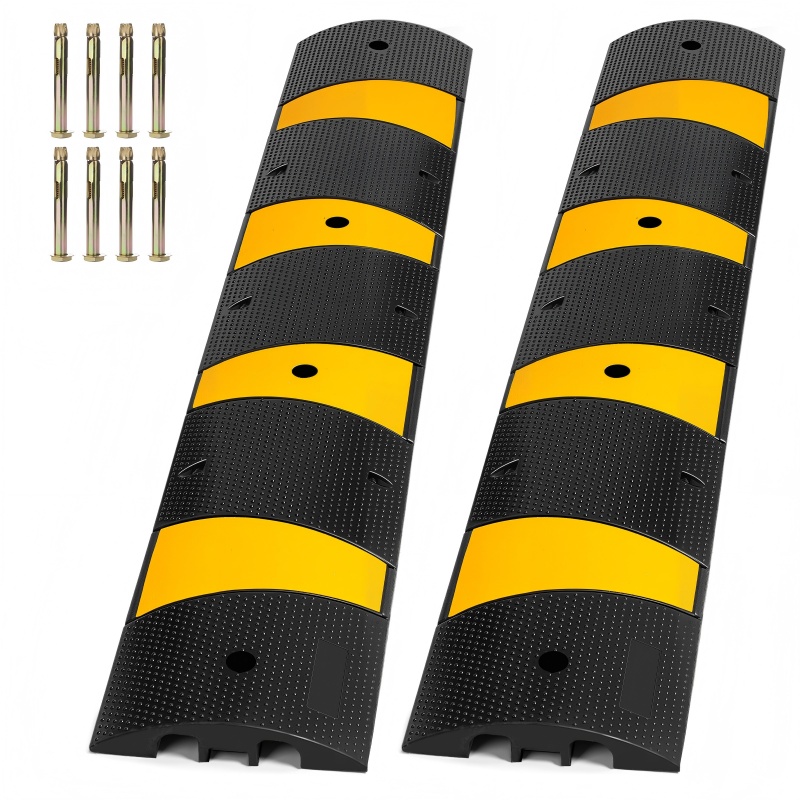
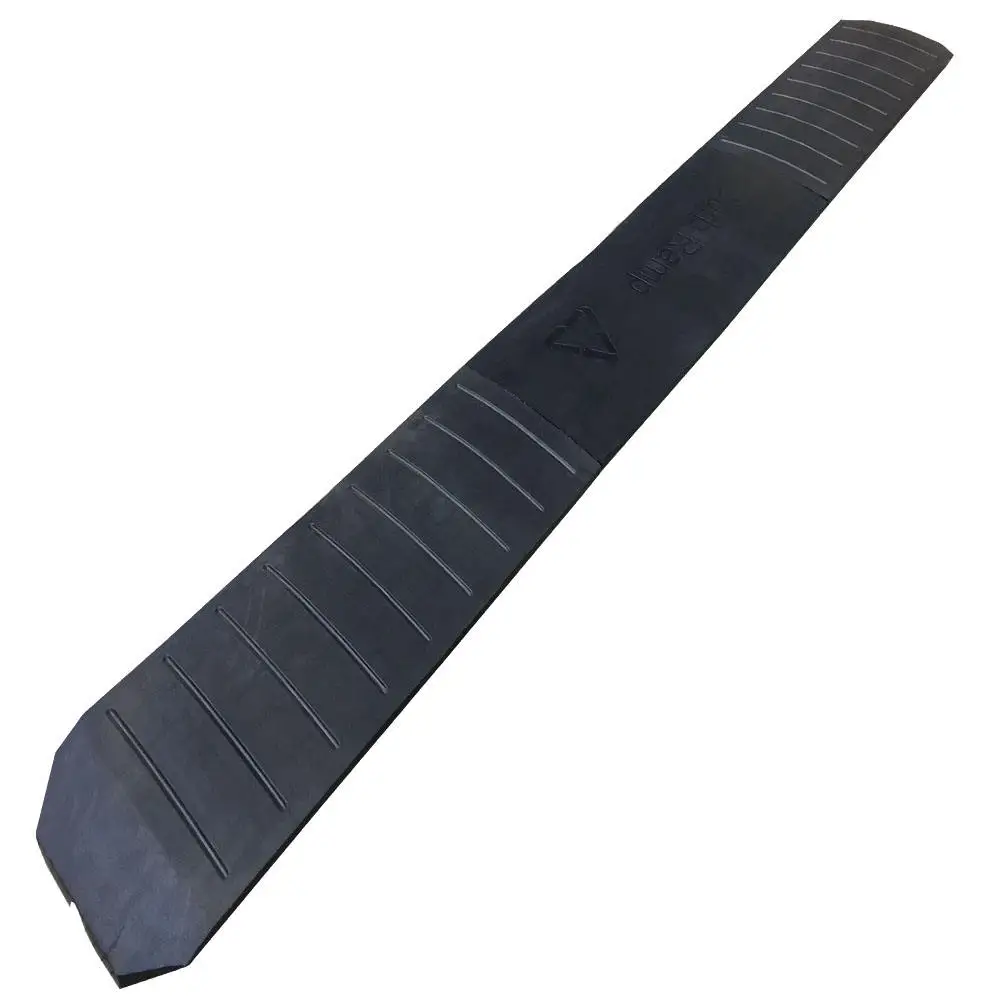
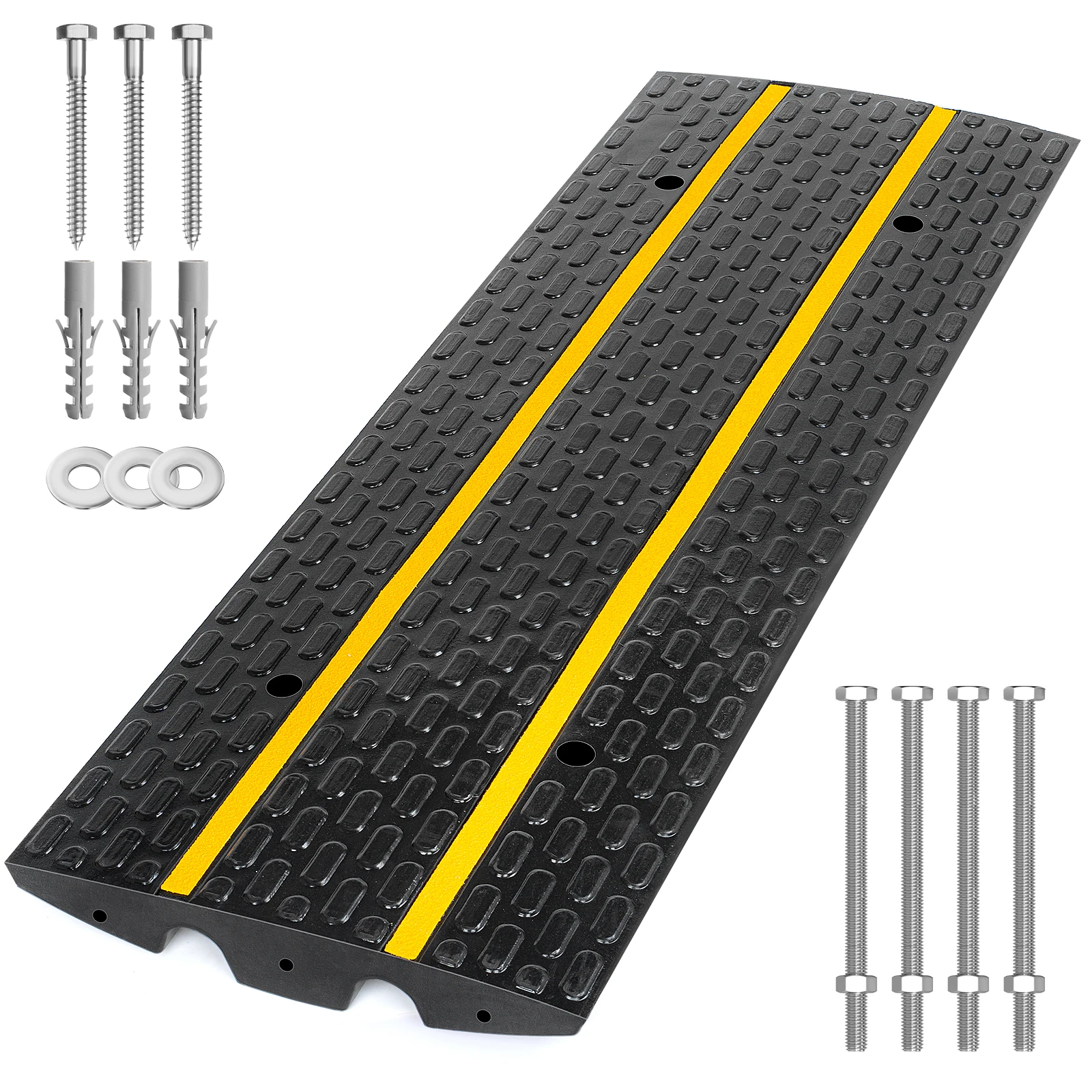
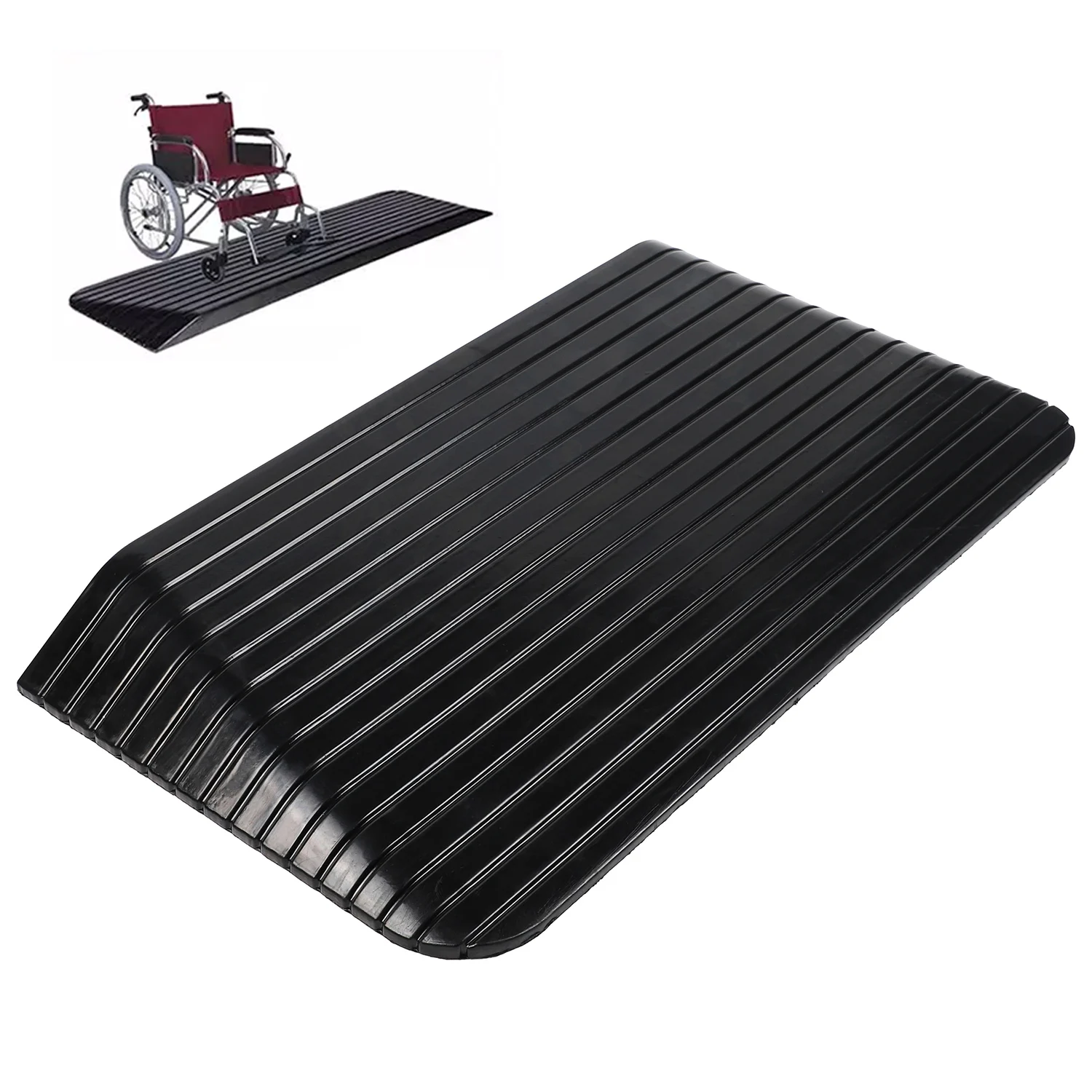
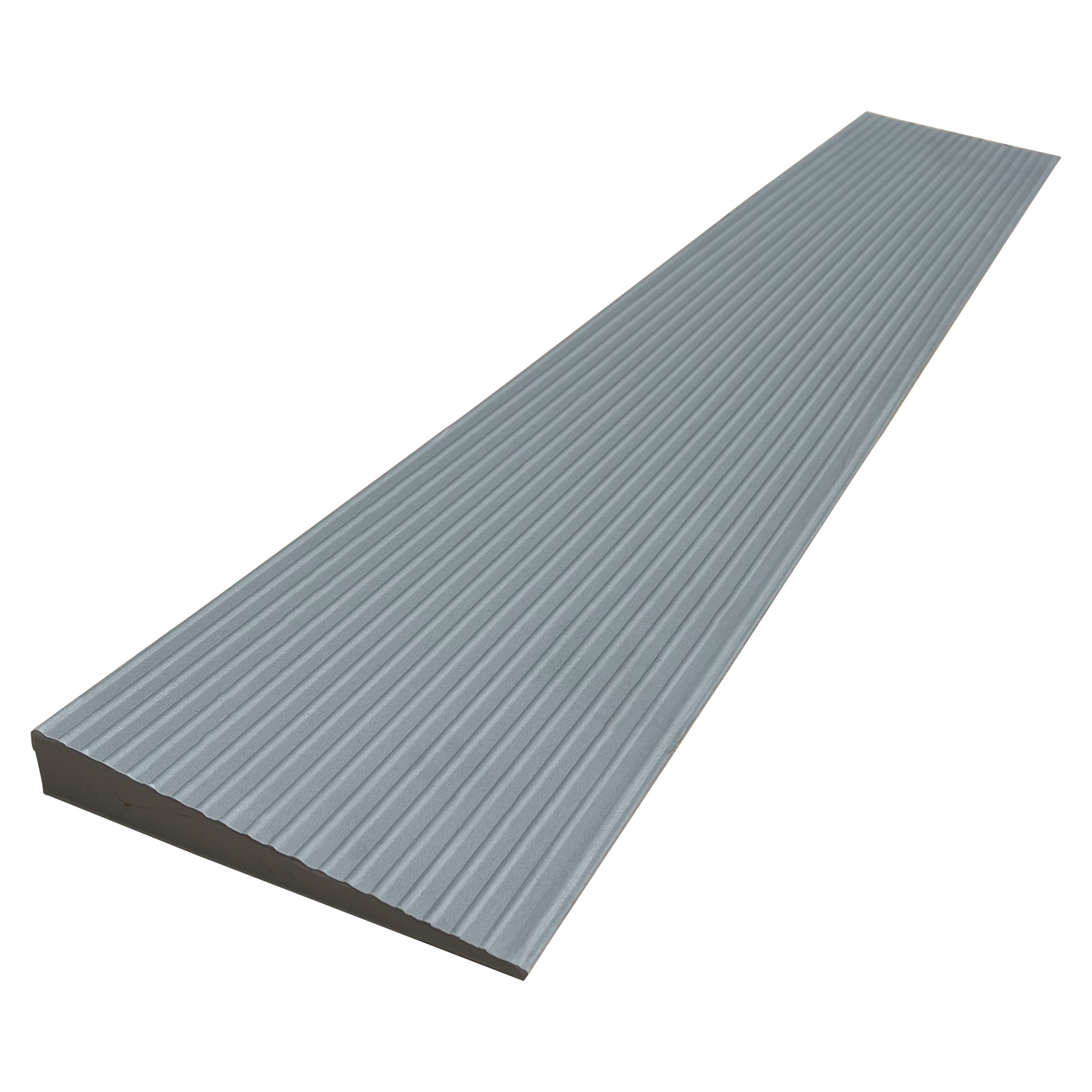
Wheelchair ramps are essential accessibility solutions designed to provide safe and convenient passage for individuals using wheelchairs, mobility scooters, and other assistive devices. These ramps eliminate barriers created by steps, curbs, and elevated entrances, enabling seamless movement between different levels. Wheelchair ramps come in various designs, including portable, modular, and permanent installations, each tailored to specific environmental requirements and user needs. The primary function of wheelchair ramps is to create an inclined surface that allows wheelchair users to navigate height differences independently and safely. Modern wheelchair ramps incorporate advanced materials such as aluminum, steel, and composite materials that offer durability while maintaining lightweight properties. Technological features include anti-slip surfaces with raised patterns or textured coatings that ensure traction in all weather conditions, preventing accidents during use. Many wheelchair ramps feature side rails or edges to prevent wheels from slipping off, and some models include adjustable height settings to accommodate different step configurations. Applications for wheelchair ramps span residential, commercial, and public settings, including homes, offices, hospitals, schools, transportation facilities, and retail establishments. These ramps ensure compliance with accessibility regulations such as the Americans with Disabilities Act, promoting inclusivity and equal access for all individuals. Whether for temporary events or permanent installations, wheelchair ramps represent a critical investment in accessibility infrastructure that benefits not only wheelchair users but also individuals with strollers, delivery personnel with carts, and anyone requiring barrier-free access.
 EN
EN