Rubber Threshold Ramps for Doorways Guide

All Categories

Get a Free Quote

Our representative will contact you soon.
Name
Company Name
Email Address
Phone Number
Message/Questions
0/1000

rubber threshold ramps for doorways

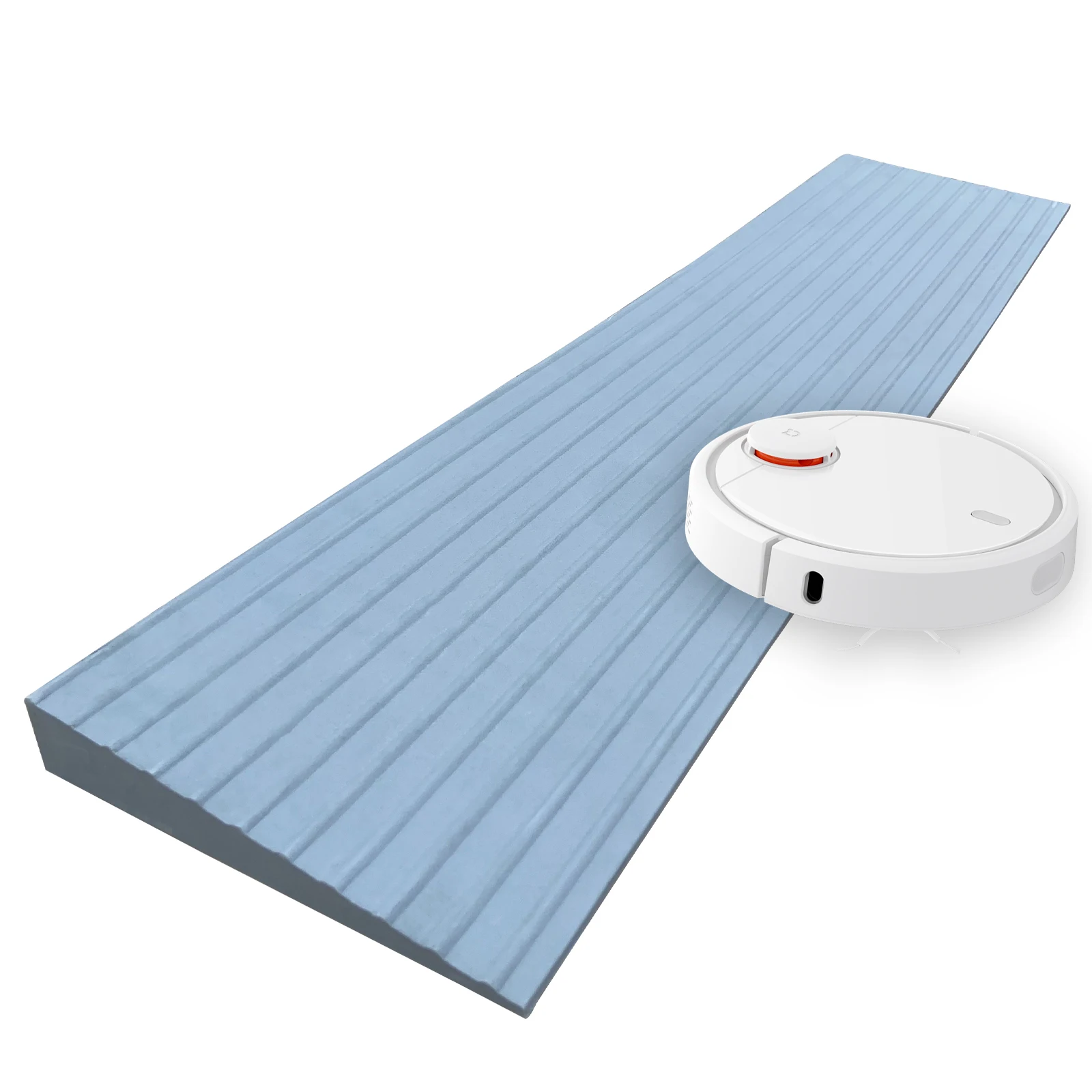
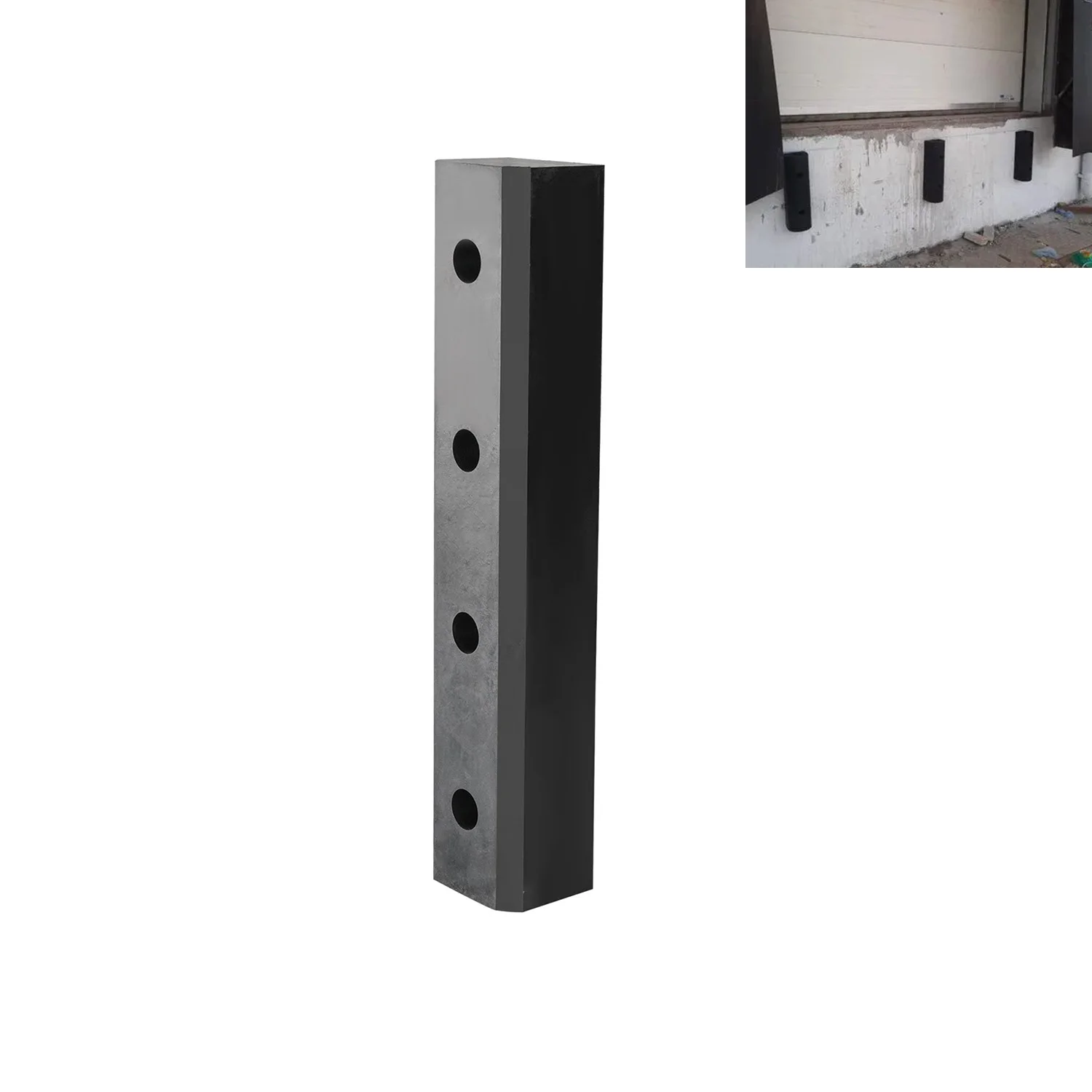
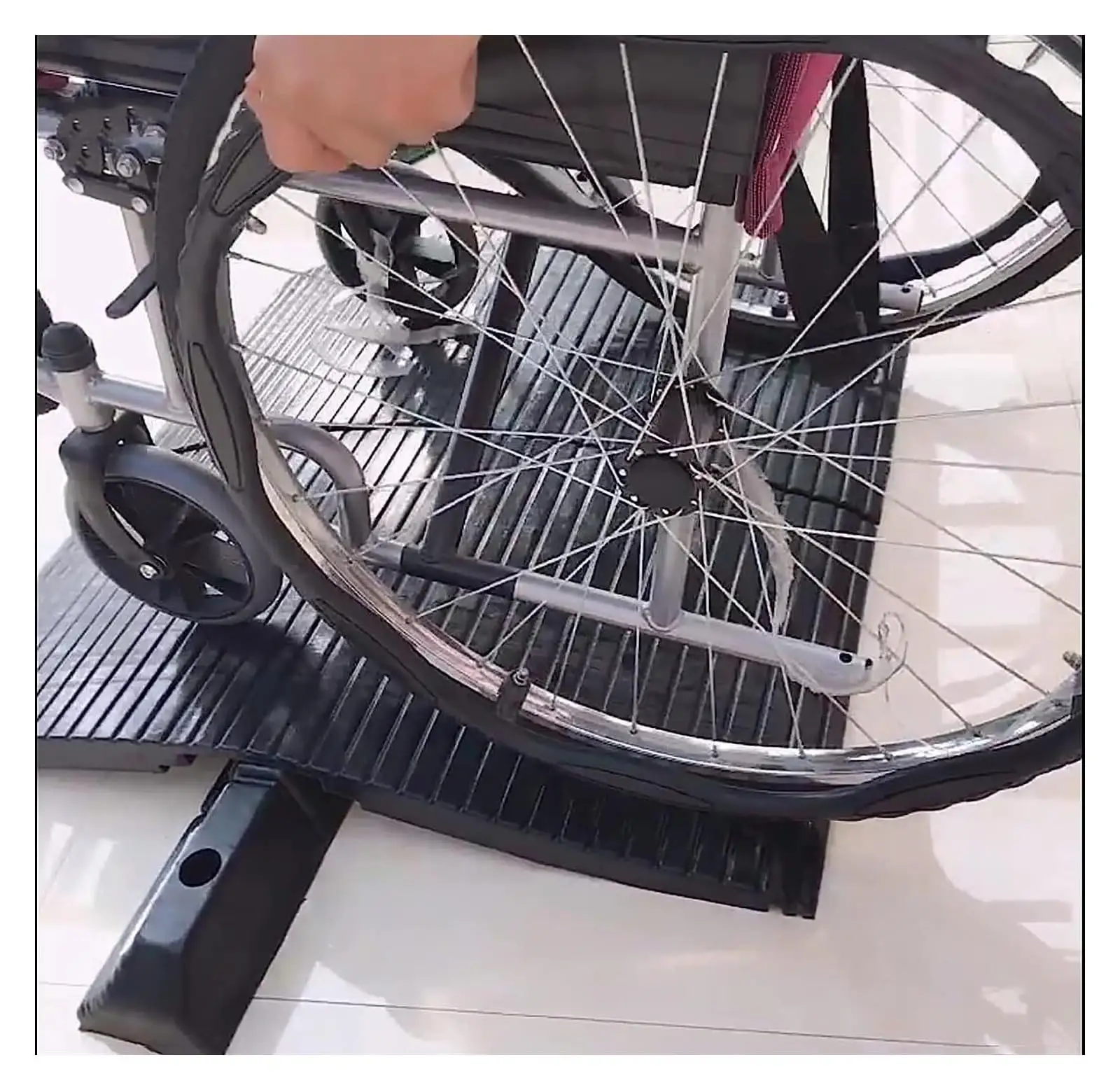
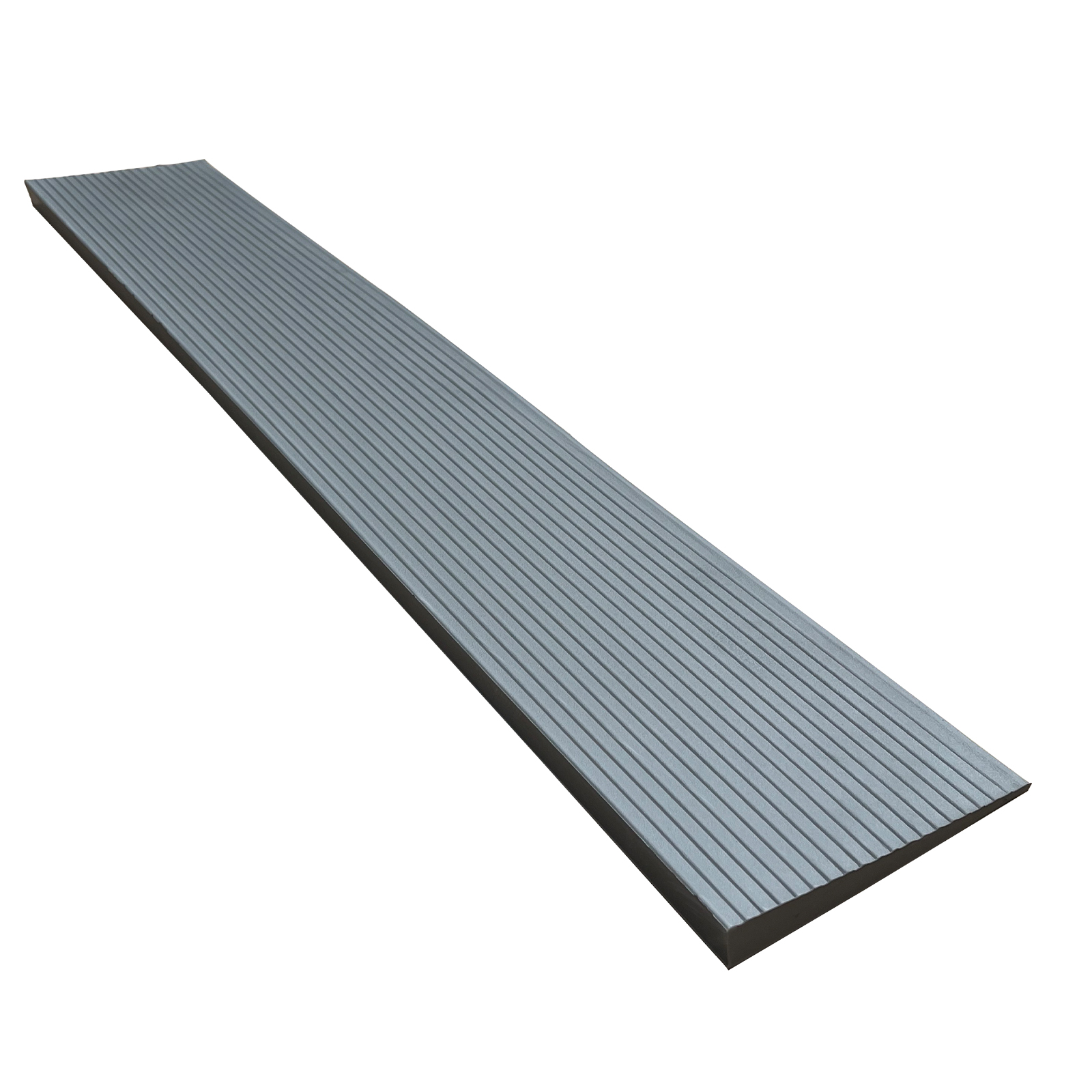
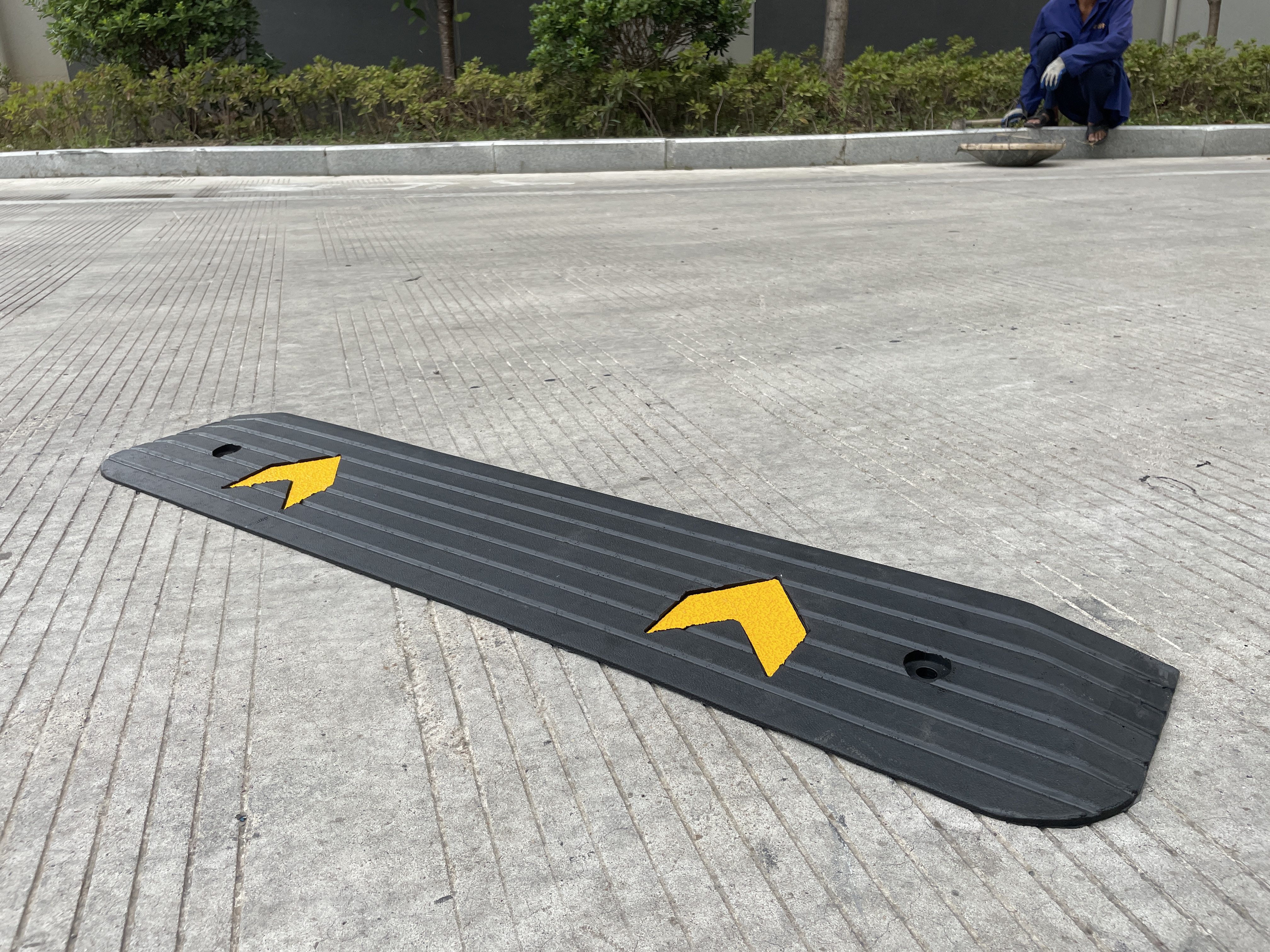
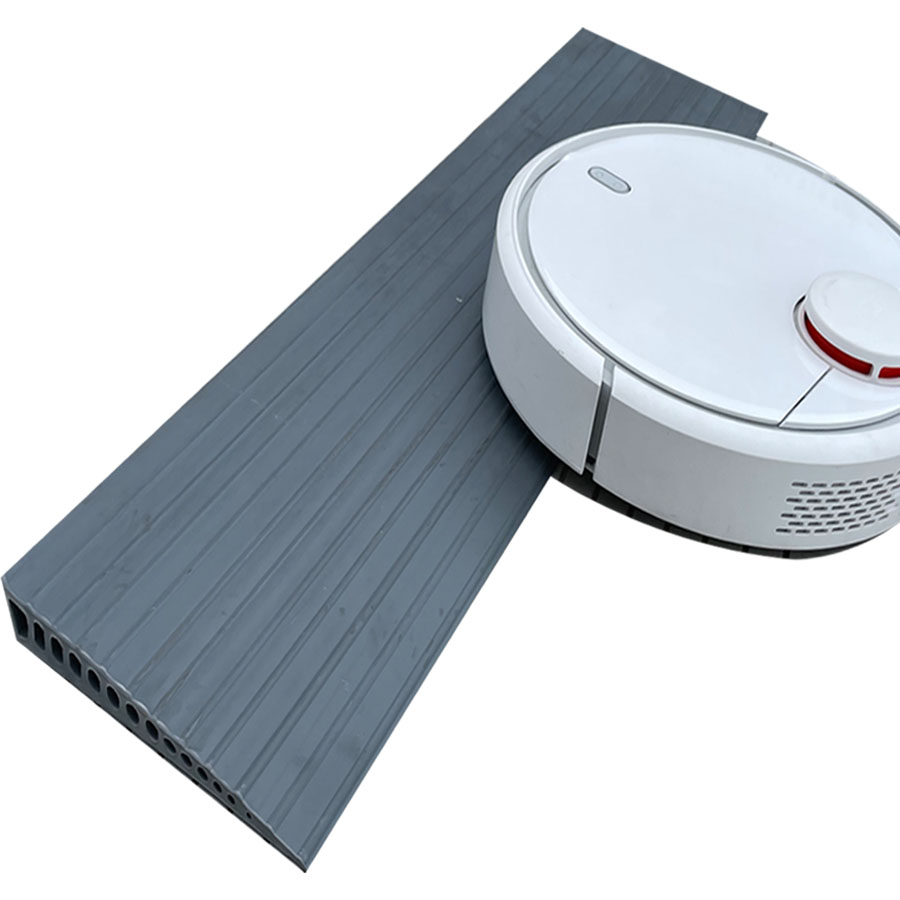
Rubber threshold ramps for doorways are essential accessibility solutions designed to bridge height differences between floors, enabling smooth transitions for wheelchairs, walkers, scooters, and other mobility devices. These durable ramps eliminate tripping hazards while providing safe passage over door thresholds, raised landings, and uneven surfaces. Constructed from high-quality rubber materials, these ramps offer excellent traction and stability in both residential and commercial settings. The primary function of rubber threshold ramps for doorways is to create barrier-free access, allowing individuals with mobility challenges to navigate entries and exits independently. These ramps feature beveled edges that facilitate easy wheel rolling and reduce the risk of catching or stumbling. The rubber composition provides natural grip properties that perform effectively in wet or dry conditions, making them suitable for interior and exterior applications. Technological features include non-slip surface textures, weather-resistant formulations, and load-bearing capacities that accommodate various weights from manual wheelchairs to powered mobility scooters. Many rubber threshold ramps for doorways come with pre-drilled mounting holes for secure installation, while others feature heavy-duty construction that remains stable through friction and weight alone. Applications span healthcare facilities, assisted living communities, private homes, office buildings, retail stores, and public spaces where accessibility compliance is required. These ramps effectively address threshold heights ranging from half-inch to several inches, with modular options available for customized height requirements.

New Products

Rubber threshold ramps for doorways deliver immediate accessibility improvements without requiring permanent structural modifications to buildings. The primary advantage lies in their ability to transform any doorway into a wheelchair-accessible entrance quickly and affordably, eliminating barriers that prevent independent movement. Unlike wooden or metal alternatives, rubber construction absorbs impact and reduces noise, creating quieter transitions that benefit all building occupants. The material flexibility allows these ramps to conform slightly to floor irregularities while maintaining stability, ensuring consistent performance across various installation surfaces. Operational benefits include maintenance-free performance, as rubber resists corrosion, rot, and degradation from typical environmental exposure. These ramps require no painting, sealing, or special treatments, saving time and money over their service life. The inherent non-slip properties of rubber provide superior traction compared to smooth metal or plastic ramps, significantly reducing slip-and-fall incidents even when surfaces become wet. Installation simplicity represents another practical advantage, as most rubber threshold ramps for doorways can be positioned and secured by a single person without specialized tools or professional assistance. This ease of installation translates to lower overall costs and faster accessibility solutions. Application suitability extends across temperature ranges, as quality rubber formulations remain flexible in cold conditions while resisting softening in heat. For residential users, these ramps integrate aesthetically with home decor while providing necessary functionality for aging-in-place strategies. Commercial facilities benefit from ADA compliance support and liability reduction through proactive accessibility measures. The decision to choose rubber threshold ramps for doorways represents a cost-effective investment in safety, independence, and inclusive design that serves diverse user populations effectively.

Tips And Tricks

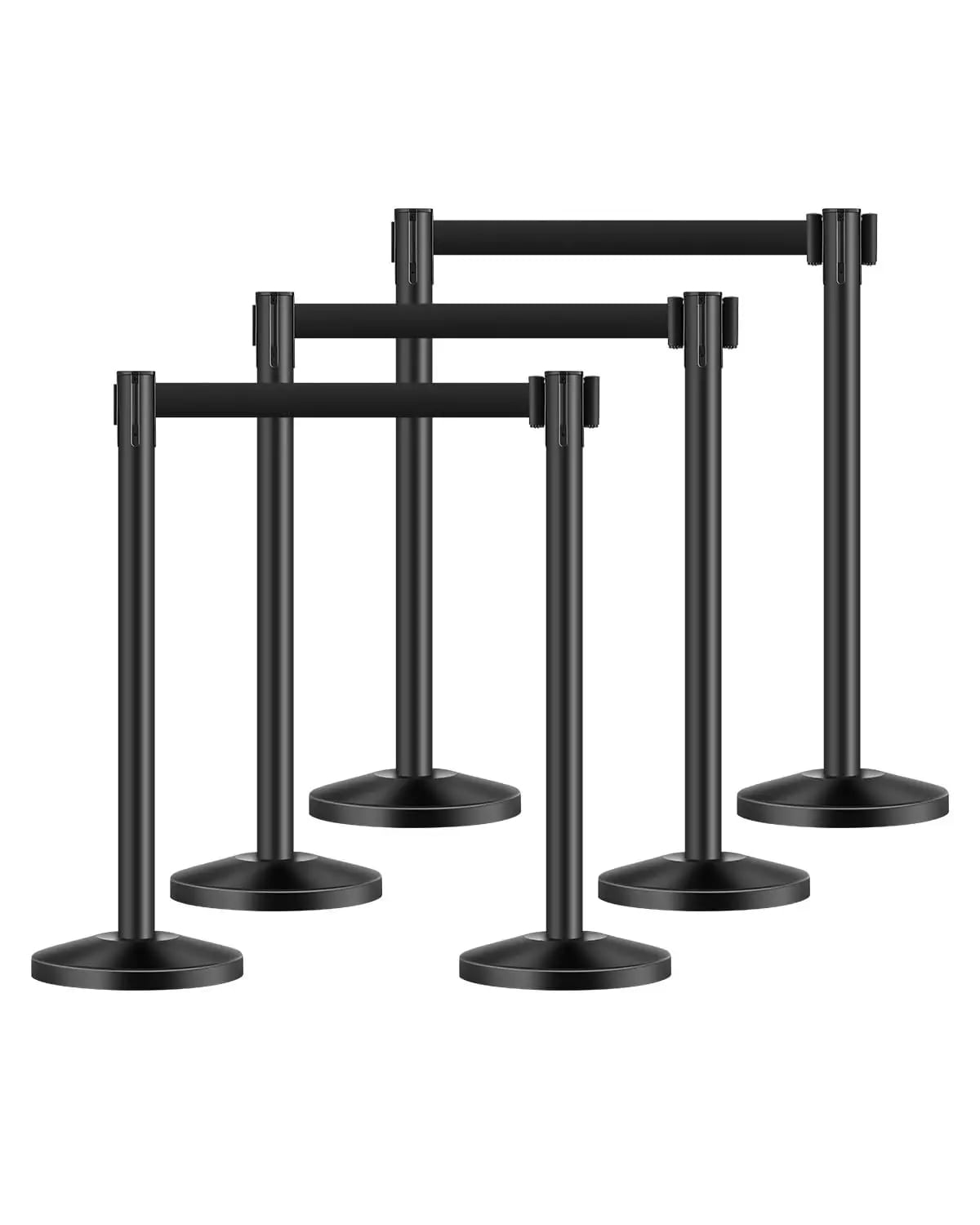
How to Use Crowd Control Barriers to Manage Event Traffic Safely

02

Jun

How to Use Crowd Control Barriers to Manage Event Traffic Safely

How to Use Crowd Control Barriers to Manage Event Traffic SafelyManaging large groups of people during concerts, exhibitions, trade shows, stadium events, airports, shopping malls, and public gatherings requires more than simply placing signs or rope...
View More
How to Extend the Life of Laminated Rubber Dock Bumpers

29

May

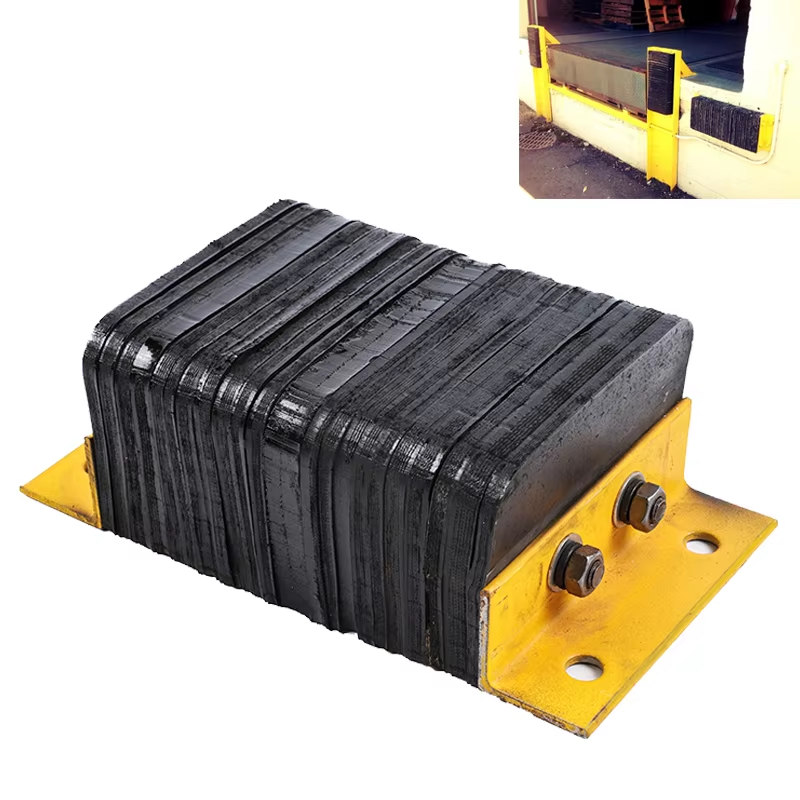
How to Extend the Life of Laminated Rubber Dock Bumpers

How to Extend the Life of Laminated Rubber Dock Bumpers Long-Term Protection Strategies for Industrial Dock Equipment Loading docks are among the busiest operational areas in warehouses, freight terminals, logistics hubs, ports, and manufacturing fac...
View More
How Do Rubber Bases Enhance Stability Compared to Plastic in Cones and Bollards?

02

Jun

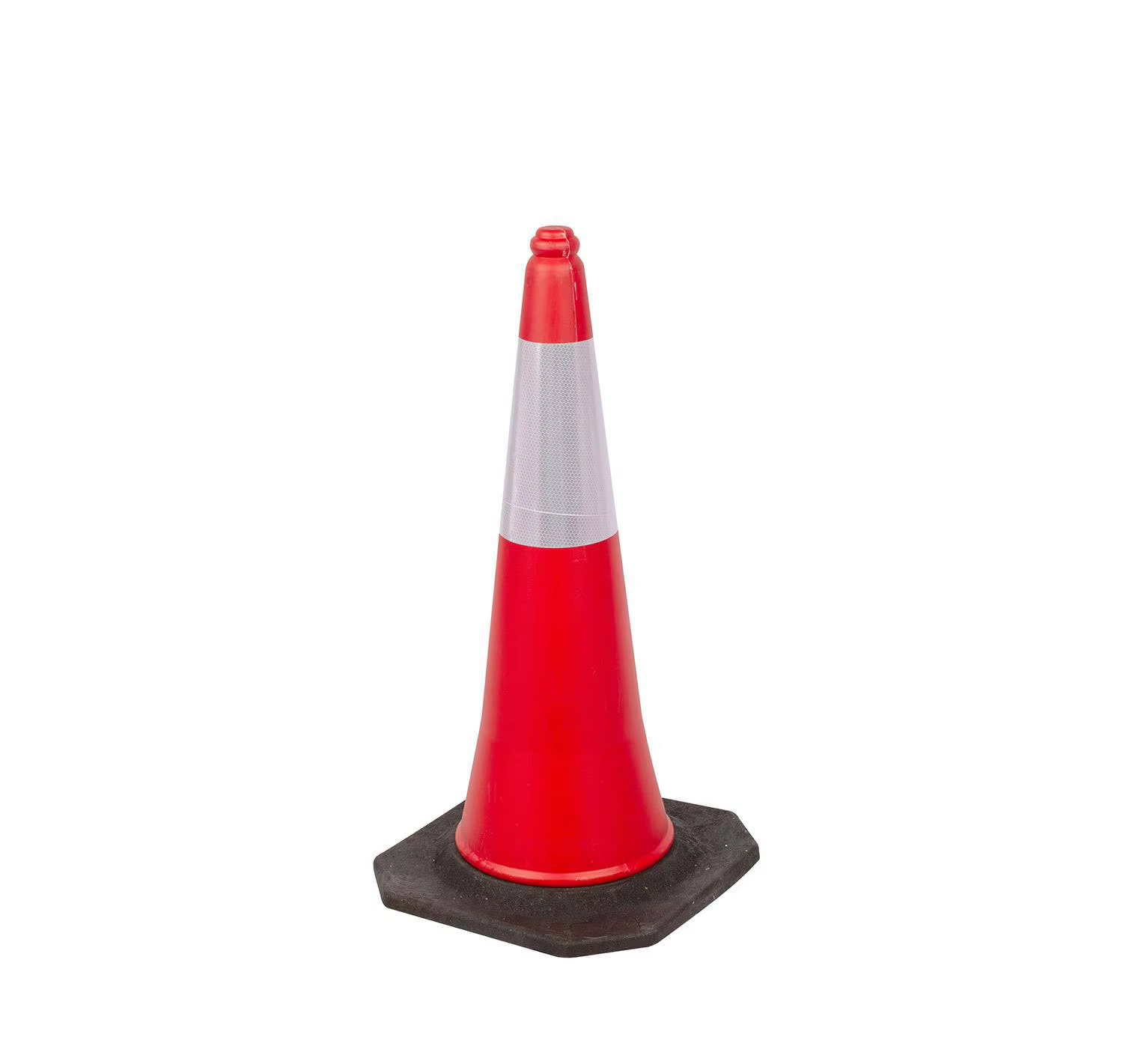
How Do Rubber Bases Enhance Stability Compared to Plastic in Cones and Bollards?

When it comes to road safety and traffic management, the foundation of any cone or bollard matters more than most people realize. A rubber base traffic cone offers a fundamentally different performance profile compared to its plastic-base counterpart...
View More
How to Choose the Best Modular Ramp Solution for Home Accessibility?

02

Jun

How to Choose the Best Modular Ramp Solution for Home Accessibility?

When a family member uses a wheelchair, walker, or has limited mobility, the entrance to your home becomes more than a doorway — it becomes a barrier or a bridge. Choosing the right modular ramp solution is one of the most practical and impactf...
View More

Get a Free Quote

Our representative will contact you soon.
Name
Company Name
Email Address
Phone Number
Message/Questions
0/1000

rubber threshold ramps for doorways

Superior Traction and Safety Performance

Superior Traction and Safety Performance

Rubber threshold ramps for doorways incorporate advanced surface texturing that delivers exceptional grip under all conditions, making them significantly safer than alternative materials. The rubber compound naturally provides friction that prevents wheelchairs, walkers, and foot traffic from slipping during transitions, even when moisture is present. This inherent safety feature becomes particularly valuable in entryways where rain, snow, or cleaning activities may create wet conditions. The beveled edge design works synergistically with the rubber surface to guide wheels smoothly upward without abrupt impacts that could destabilize users or cause discomfort. Unlike rigid materials that can become hazardously slippery when wet, rubber maintains consistent traction properties, reducing liability concerns for property owners and managers. The material also cushions impacts if falls do occur, providing an additional safety layer compared to hard metal or concrete surfaces. For facilities serving elderly populations or individuals with balance challenges, this traction advantage directly translates to confidence and reduced injury risk. The visible texture patterns also provide visual cues that alert users to elevation changes, supporting wayfinding for those with visual impairments.
Durable Weather-Resistant Construction

Durable Weather-Resistant Construction

The rubber composition used in quality threshold ramps demonstrates remarkable resistance to environmental factors that quickly degrade other materials, ensuring long-term performance and value. Rubber threshold ramps for doorways withstand continuous exposure to sunlight without cracking, fading, or becoming brittle, unlike plastic alternatives that deteriorate under UV radiation. Temperature fluctuations that cause metal ramps to expand, contract, and eventually warp have minimal effect on rubber's dimensional stability. Moisture resistance prevents the rot and decay that compromise wooden ramps, while the non-corrosive nature eliminates the rust issues inherent to steel products. This weatherproof durability makes rubber ramps equally suitable for exterior doorways exposed to rain, snow, and temperature extremes as well as interior locations subject to cleaning chemicals and foot traffic. The material rebounds from compression, maintaining its shape and function even after years of repeated wheelchair and cart traffic. Chemical resistance ensures that common cleaning agents, oils, and mild acids do not degrade the ramp surface, supporting hygienic maintenance in healthcare and food service environments. Property managers appreciate the reduced replacement frequency, as these ramps typically provide many years of maintenance-free service, delivering superior lifecycle cost performance compared to materials requiring periodic refinishing or replacement.
Versatile Installation and Application Flexibility

Versatile Installation and Application Flexibility

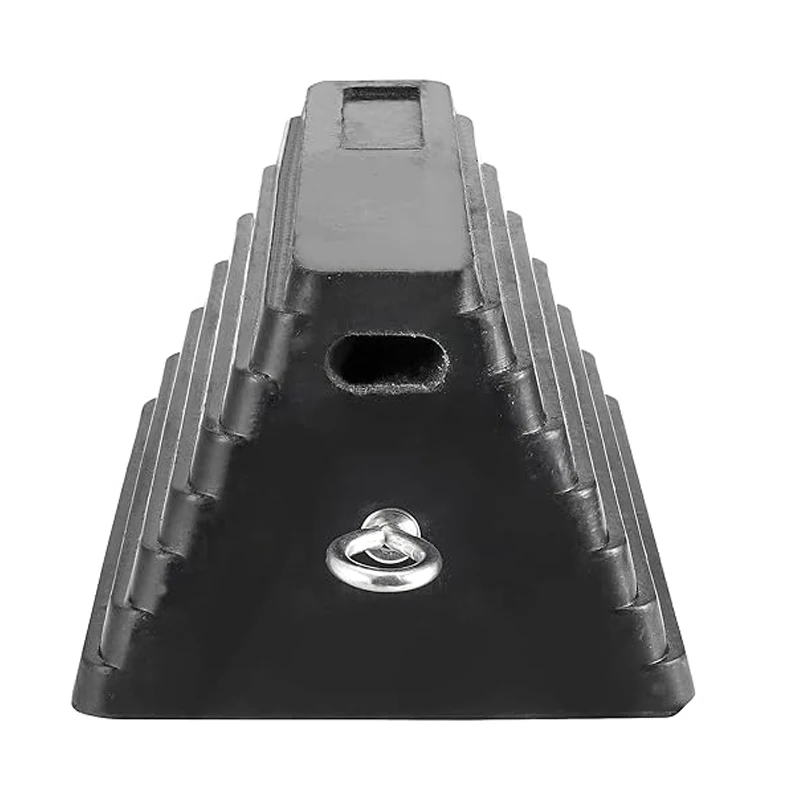
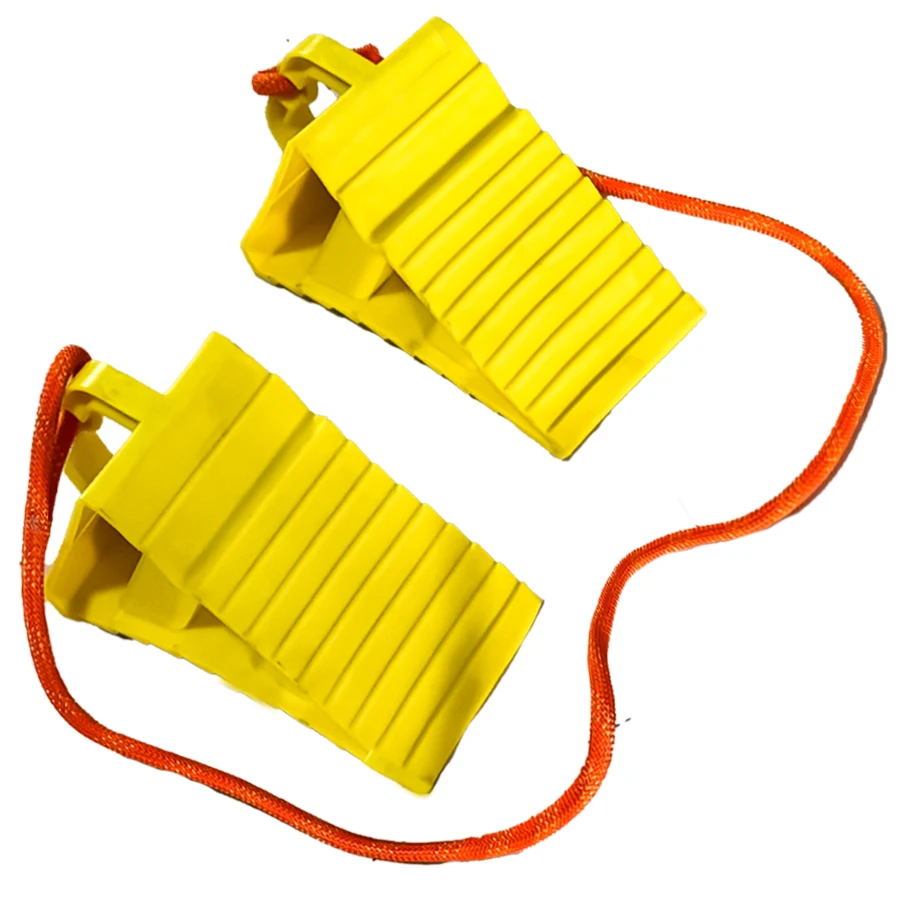
Rubber threshold ramps for doorways accommodate diverse installation requirements through multiple mounting options and size configurations that adapt to specific site conditions. Available in various heights, widths, and weight capacities, these ramps can be precisely matched to existing threshold dimensions and user needs without custom fabrication expenses. Permanent installation methods utilize pre-drilled holes and included hardware to anchor ramps securely for high-traffic commercial applications where stability is paramount. Alternatively, the substantial weight and friction-grip bottom surfaces of quality rubber ramps enable stable positioning without fasteners, ideal for rental properties or situations where drilling is impractical or prohibited. This installation flexibility allows the same product type to serve temporary accessibility needs during recovery periods or provide permanent solutions for ongoing mobility requirements. The modular nature of some rubber threshold ramp systems permits stacking or combining units to address greater height variations, expanding application possibilities beyond standard single-piece limitations. Color options in black, gray, or yellow enhance visibility for safety while allowing aesthetic coordination with surrounding surfaces. The compact profile of these ramps minimizes door clearance interference, ensuring doors can open and close fully without obstruction. Lightweight portability relative to concrete or metal alternatives simplifies repositioning when spatial requirements change, supporting adaptive use across evolving accessibility needs.

Get a Free Quote

Our representative will contact you soon.
Name
Company Name
Email Address
Phone Number
Message/Questions
0/1000