Traffic Sign Solutions - Safety & Compliance Guide

All Categories

Get a Free Quote

Our representative will contact you soon.
Name
Company Name
Email Address
Phone Number
Message/Questions
0/1000

traffic sign

A traffic sign is a standardized visual communication device designed to convey essential information, warnings, regulations, and guidance to road users including drivers, cyclists, and pedestrians. These critical roadway elements utilize universally recognized symbols, colors, and text to ensure safe and efficient traffic flow across highways, urban streets, rural roads, and specialized zones. Modern traffic sign systems incorporate reflective materials and advanced coatings that enhance visibility during nighttime and adverse weather conditions. The primary functions include regulating vehicle speed, indicating directional information, warning about potential hazards, and communicating mandatory actions to prevent accidents and maintain orderly traffic movement. Technological features of contemporary traffic sign manufacturing involve high-grade aluminum substrates, engineer-grade or diamond-grade retroreflective sheeting, UV-resistant inks, and weather-resistant finishes that ensure longevity and consistent performance over extended service periods. Applications span diverse environments from interstate highway systems and municipal road networks to parking facilities, construction zones, school areas, and private property access points. The traffic sign serves as a fundamental component of intelligent transportation infrastructure, supporting traffic management strategies and contributing significantly to public safety objectives. Compliance with established standards such as the Manual on Uniform Traffic Control Devices ensures consistency and immediate recognition, making every traffic sign an indispensable tool for accident prevention and traffic optimization across all transportation networks.

New Products

Investing in quality traffic sign solutions delivers substantial practical benefits that directly impact operational efficiency and safety outcomes. Durability stands as a primary advantage, with properly manufactured signs lasting seven to ten years or longer depending on environmental exposure, significantly reducing replacement frequency and maintenance costs. The retroreflective technology incorporated into modern traffic sign designs ensures exceptional visibility during darkness and low-light conditions, enabling drivers to identify and respond to critical information from safe distances, thereby reducing collision risks and improving reaction times. Easy installation procedures minimize labor expenses and traffic disruption, allowing transportation departments and facility managers to deploy or replace signs quickly without extensive road closures or specialized equipment requirements. The standardized nature of traffic sign systems means immediate recognition by all road users regardless of language barriers, creating universal communication that enhances compliance and reduces confusion at critical decision points. Cost-effectiveness emerges through the combination of long service life, minimal maintenance requirements, and the prevention of accidents that would otherwise result in expensive property damage, injury claims, and liability issues. Versatility allows traffic sign deployment across countless scenarios from permanent roadway installations to temporary construction zone applications, making them adaptable to changing traffic patterns and infrastructure projects. Weather resistance ensures consistent performance through rain, snow, extreme temperatures, and intense sunlight exposure, maintaining legibility and structural integrity without frequent intervention. For facility managers, municipalities, and transportation authorities, the traffic sign represents a straightforward investment with measurable returns through enhanced safety records, reduced accident rates, improved traffic flow efficiency, and demonstrable compliance with regulatory standards that protect organizations from legal exposure while serving community safety objectives effectively.

Latest News

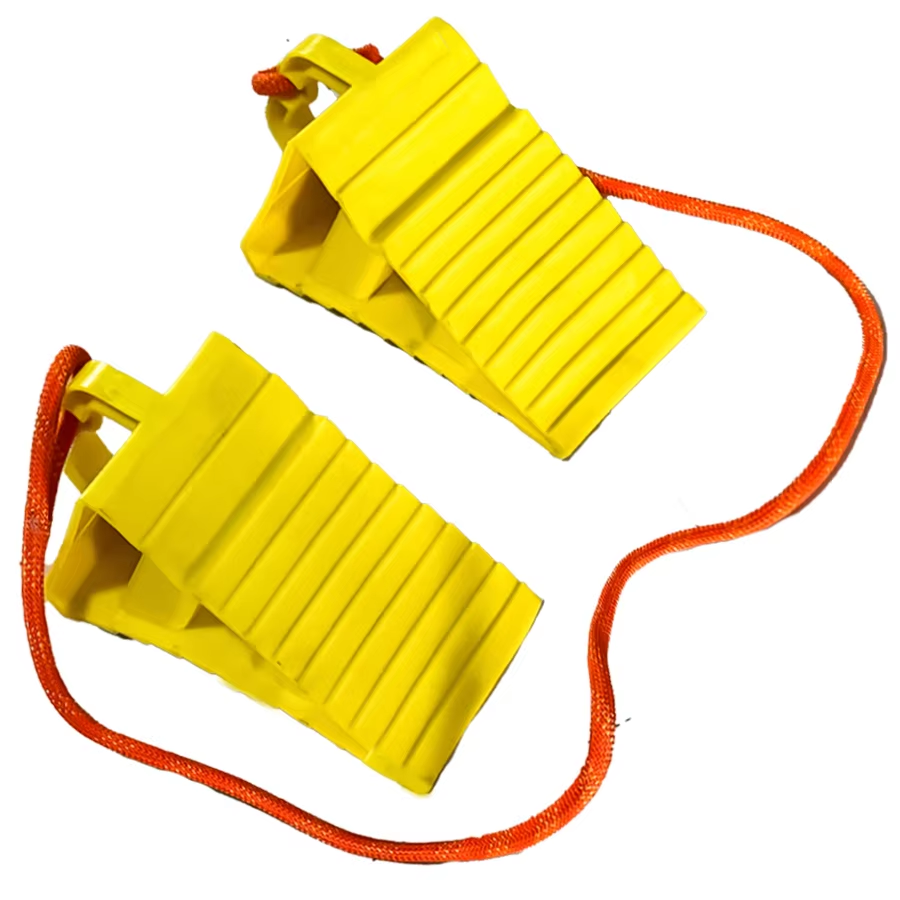
Wheel Chocks: What They Are & When You Need Them

20

May

Wheel Chocks: What They Are & When You Need Them

Wheel Chocks: What They Are & When You Need Them Reliable Vehicle Stabilization for Industrial and Commercial Safety Vehicle movement can become a serious safety hazard in industrial yards, warehouses, loading docks, airports, construction sites, and...
View More
Dock Bumper Wear: When to Repair or Replace

20

May

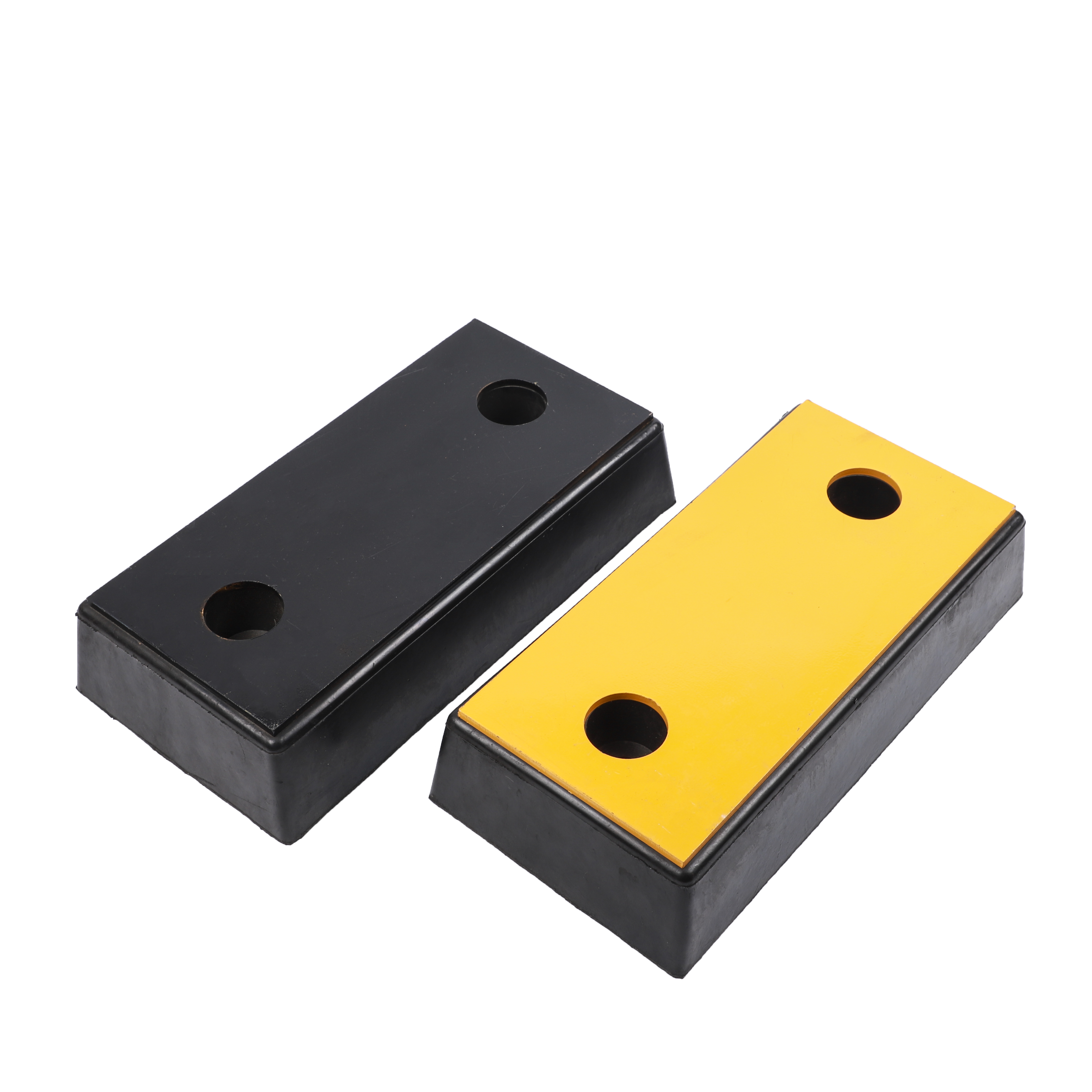
Dock Bumper Wear: When to Repair or Replace

Dock Bumper Wear: When to Repair or Replace Essential Loading Dock Protection for Safer Industrial Operations Loading docks are among the busiest and most demanding areas in warehouses, logistics centers, manufacturing plants, and distribution facili...
View More
Rubber Bumper Strips Factory Wholesale: Custom Width, Length & Yellow Warning Stripes

18

May

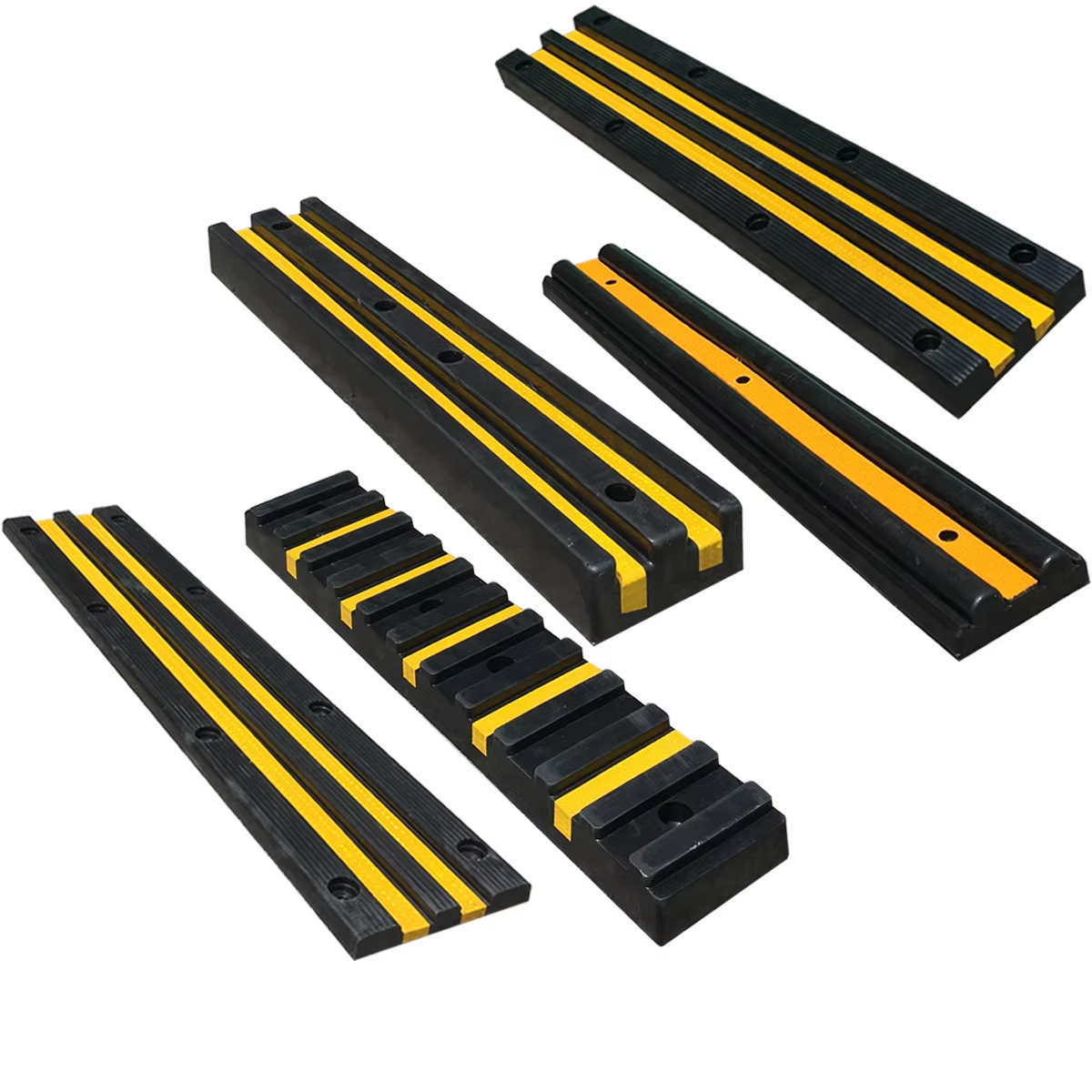
Rubber Bumper Strips Factory Wholesale: Custom Width, Length & Yellow Warning Stripes

Rubber Bumper Strips Factory Wholesale: Custom Width, Length & Yellow Warning Stripes Reliable Wall and Vehicle Protection for Industrial and Commercial Areas Industrial facilities, parking garages, warehouses, logistics centers, and commercial build...
View More
How to Choose the Best Modular Ramp Solution for Home Accessibility?

02

Jun

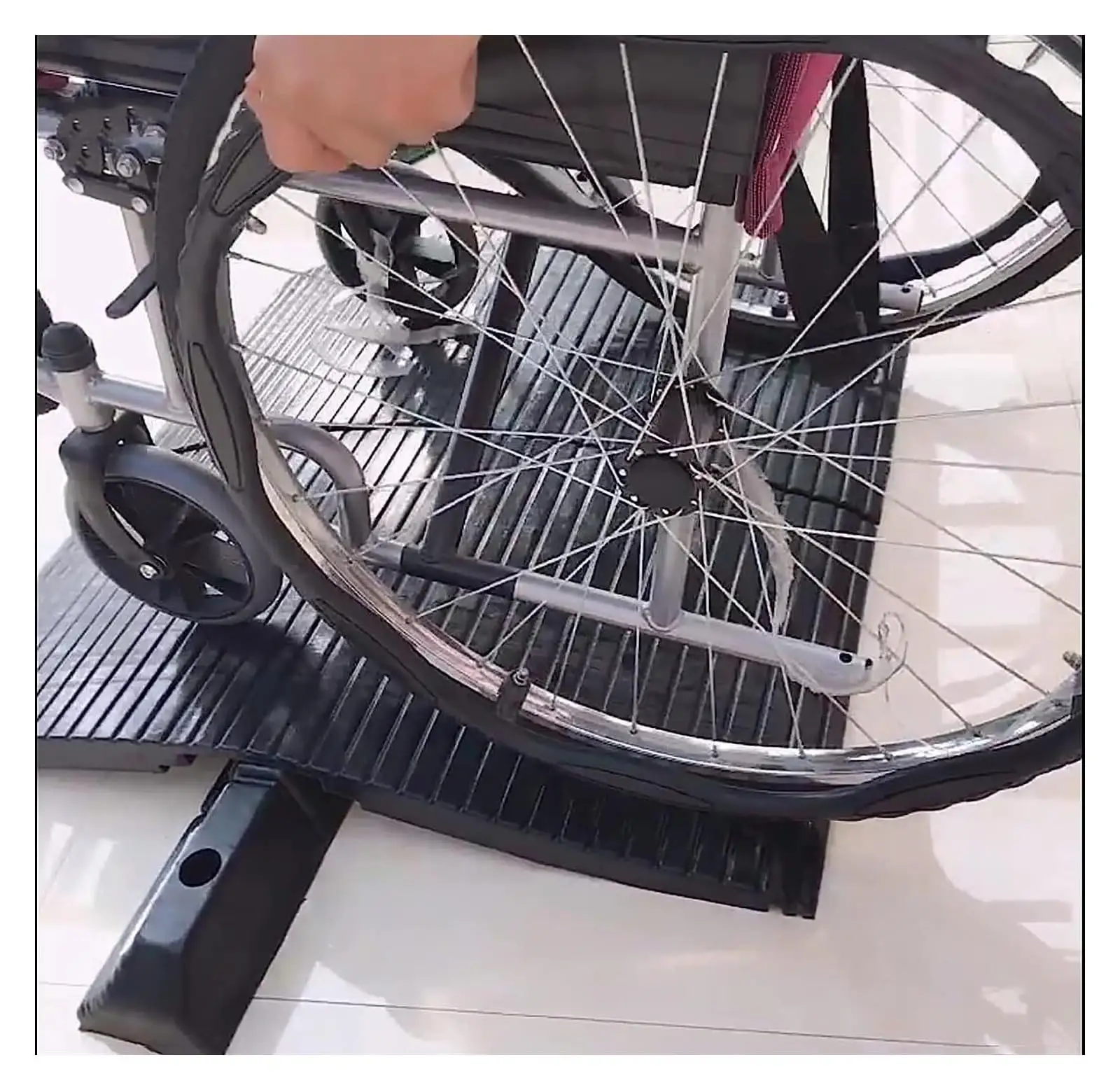
How to Choose the Best Modular Ramp Solution for Home Accessibility?

When a family member uses a wheelchair, walker, or has limited mobility, the entrance to your home becomes more than a doorway — it becomes a barrier or a bridge. Choosing the right modular ramp solution is one of the most practical and impactf...
View More

Get a Free Quote

Our representative will contact you soon.
Name
Company Name
Email Address
Phone Number
Message/Questions
0/1000

traffic sign

Advanced Retroreflective Technology for Maximum Visibility

Advanced Retroreflective Technology for Maximum Visibility

The integration of high-performance retroreflective sheeting technology represents one of the most significant features of modern traffic sign construction, directly addressing the critical need for consistent visibility across all lighting conditions and weather scenarios. This specialized material contains millions of microscopic glass beads or prismatic elements engineered to reflect light back toward its source, ensuring that vehicle headlights illuminate the traffic sign brilliantly even at considerable distances and acute angles. This technology proves especially valuable during nighttime operations, foggy conditions, and rainy weather when standard painted surfaces would become nearly invisible to approaching drivers. The retroreflective capabilities maintain their effectiveness throughout the expected service life, providing reliable performance year after year without significant degradation. Transportation authorities benefit from reduced accident rates at critical junctions, curves, and hazard zones where advanced warning is essential for safe navigation. The enhanced visibility also supports enforcement efforts by ensuring regulatory traffic sign messages remain clearly legible, promoting compliance and reducing violations that compromise safety objectives across managed roadway systems and controlled access environments.
Weather-Resistant Construction for Long-Term Durability

Weather-Resistant Construction for Long-Term Durability

Engineered to withstand the harshest environmental conditions, quality traffic sign construction employs corrosion-resistant aluminum substrates, UV-stabilized coatings, and weatherproof adhesives that maintain structural integrity and visual clarity throughout years of continuous outdoor exposure. The aluminum base material resists rust and corrosion that would compromise steel alternatives, while specialized edge treatments prevent moisture infiltration that causes delamination and premature failure. UV-resistant inks and protective overlaminates prevent color fading and symbol degradation even under intense sunlight exposure in desert climates or high-altitude locations where ultraviolet radiation reaches peak intensity levels. Wind resistance features including reinforced mounting holes and appropriate thickness specifications ensure the traffic sign remains securely attached during severe weather events including hurricanes, thunderstorms, and high-wind episodes that would dislodge inferior products. Temperature stability allows proper function across extreme ranges from sub-zero winter conditions to summer heat exceeding one hundred degrees, preventing warping, cracking, or adhesive failure. This comprehensive weather resistance translates directly into extended service intervals, reduced replacement costs, and consistent safety performance that protects both the initial investment and ongoing operational budgets while maintaining uninterrupted communication with road users.
Standardized Compliance for Universal Recognition

Standardized Compliance for Universal Recognition

Adherence to established regulatory standards ensures every traffic sign delivers immediate recognition and consistent messaging that transcends regional differences, language barriers, and individual driver backgrounds, creating a unified visual language understood by all road users. Compliance with specifications detailed in authoritative documents such as the Manual on Uniform Traffic Control Devices guarantees that shape, color, symbol design, and placement follow proven conventions developed through decades of traffic engineering research and real-world performance evaluation. This standardization means drivers encountering a traffic sign in any location can instantly interpret its meaning without hesitation or confusion, enabling appropriate responses at critical moments when split-second decisions prevent accidents. For organizations responsible for traffic management, standardized traffic sign systems simplify procurement, installation, and inventory management while ensuring legal defensibility in liability situations where proper warning and regulation communication is scrutinized. The universal recognition factor extends to international visitors and commercial drivers operating across multiple jurisdictions, creating seamless navigation experiences that support efficient freight movement and tourism activities. Regulatory compliance also protects organizations from citations, penalties, and legal exposure associated with non-conforming traffic control devices, making standardized traffic sign selection a risk-management strategy that combines safety enhancement with legal protection.

Get a Free Quote

Our representative will contact you soon.
Name
Company Name
Email Address
Phone Number
Message/Questions
0/1000