Temporary Water Filled Barriers | Safety Solutions

All Categories

Get a Free Quote

Our representative will contact you soon.
Name
Company Name
Email Address
Phone Number
Message/Questions
0/1000

temporary water filled barriers

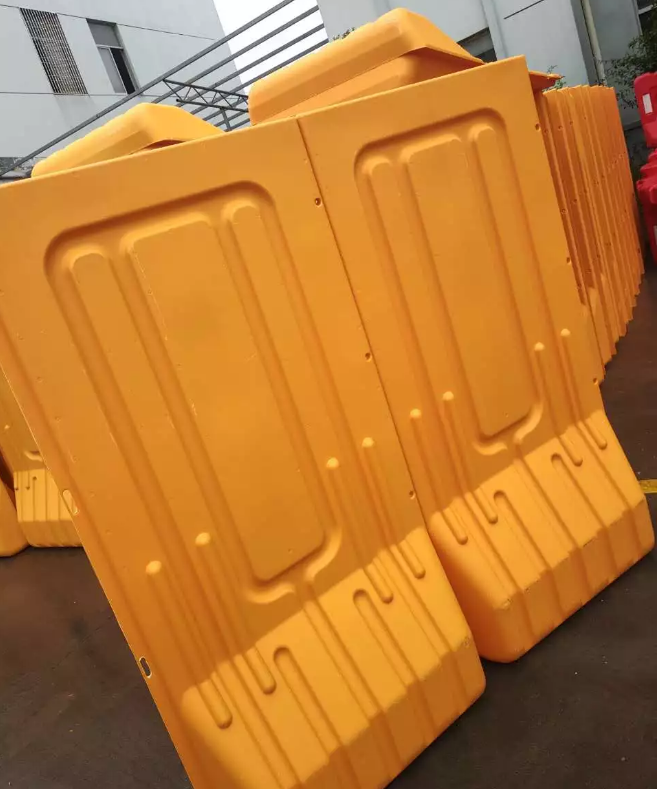
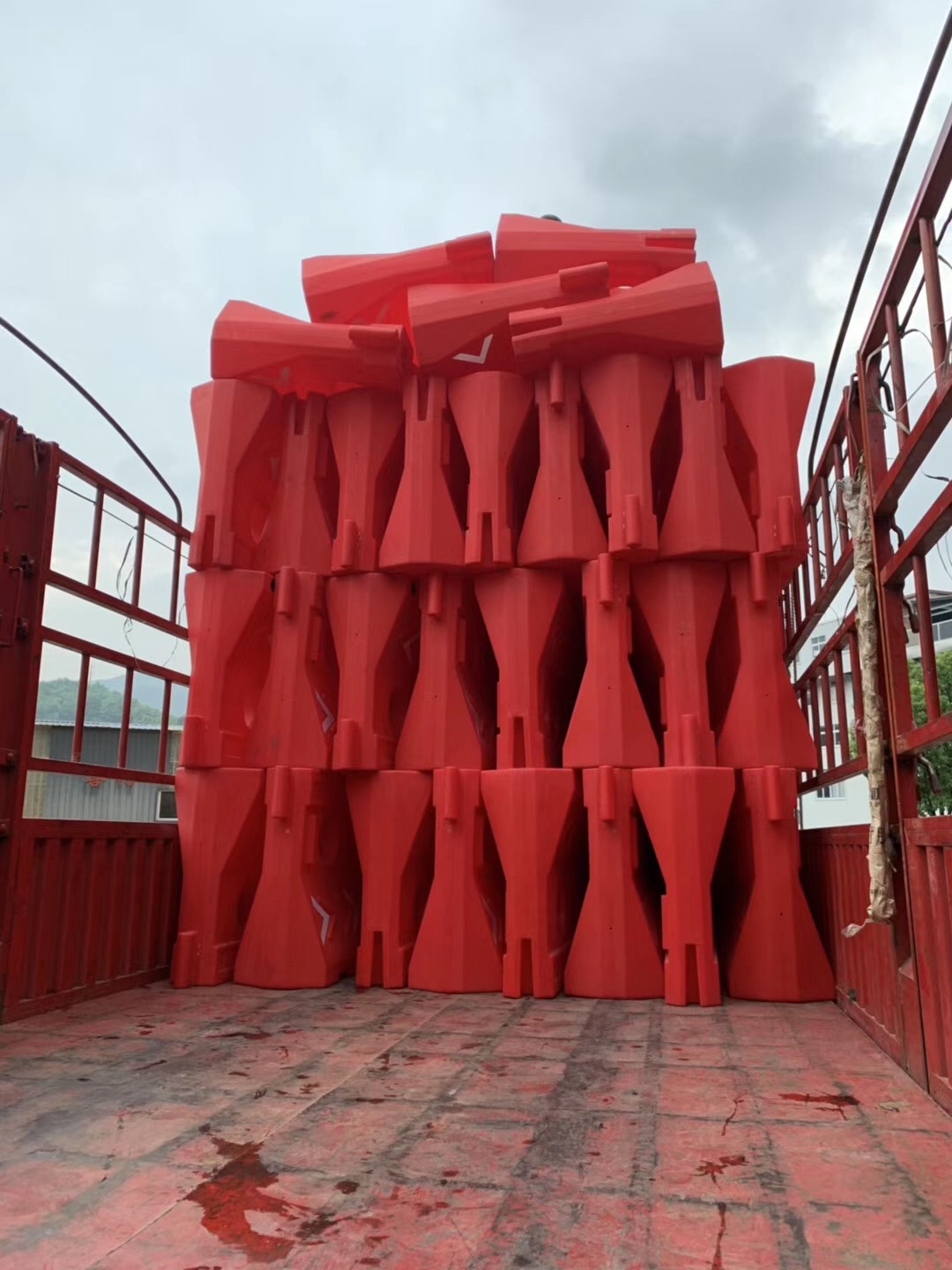
Temporary water filled barriers are innovative safety solutions designed to provide flexible and effective traffic control, crowd management, and site protection across various applications. These barriers consist of hollow plastic structures that can be quickly filled with water to create stable, impact-resistant barricades. When empty, they are lightweight and easy to transport, but once filled, they offer substantial mass and stability to withstand vehicle impacts and redirect traffic safely. Temporary water filled barriers are manufactured from high-density polyethylene or similar durable materials that resist UV damage, weather extremes, and physical wear. Their modular design allows for easy interlocking, enabling users to create continuous barrier lines of any length or configuration. The bright colors and reflective markings enhance visibility during day and night conditions, improving safety for motorists and pedestrians. These barriers serve multiple functions including highway work zone protection, construction site perimeter security, event crowd control, parking lot management, and emergency response applications. The filling and draining process is straightforward, requiring only standard water sources and basic equipment. Temporary water filled barriers have become the preferred choice for many safety professionals because they eliminate the need for heavy equipment to position concrete barriers while still providing comparable protection levels. Their reusability and low maintenance requirements make them cost-effective alternatives to traditional barrier systems, and their non-permanent nature means they leave no lasting impact on road surfaces or landscapes after removal.

Popular Products

Temporary water filled barriers deliver exceptional value through their unique combination of portability and protective capability. Unlike concrete barriers that require cranes or forklifts for positioning, these barriers can be moved easily by one or two workers when empty, dramatically reducing labor costs and deployment time. This portability translates to operational flexibility, allowing you to reconfigure safety zones quickly as project needs evolve without expensive equipment rentals. The water-filling mechanism provides an intelligent balance between transportation efficiency and protective performance, as each barrier weighs only 30-50 pounds when empty but can hold 200-300 pounds of water for maximum stability. From a safety perspective, temporary water filled barriers absorb and redirect impact energy more effectively than rigid alternatives, reducing the risk of vehicle damage and occupant injury during collisions. Their bright coloring and optional reflective panels ensure high visibility in all lighting conditions, preventing accidental breaches and protecting workers and the public. These barriers prove suitable for diverse applications ranging from highway maintenance and construction zones to outdoor festivals, sporting events, and facility management. The initial investment is significantly lower than permanent barrier systems, and because temporary water filled barriers are reusable for years with minimal maintenance, your total cost of ownership remains remarkably low. The environmental benefits are considerable too, as the barriers require no concrete production, generate no waste during installation or removal, and can be recycled at end of life. For decision-makers evaluating traffic control solutions, temporary water filled barriers offer unmatched versatility, proven safety performance, economic advantages, and sustainable operation that traditional barriers simply cannot match.

Tips And Tricks

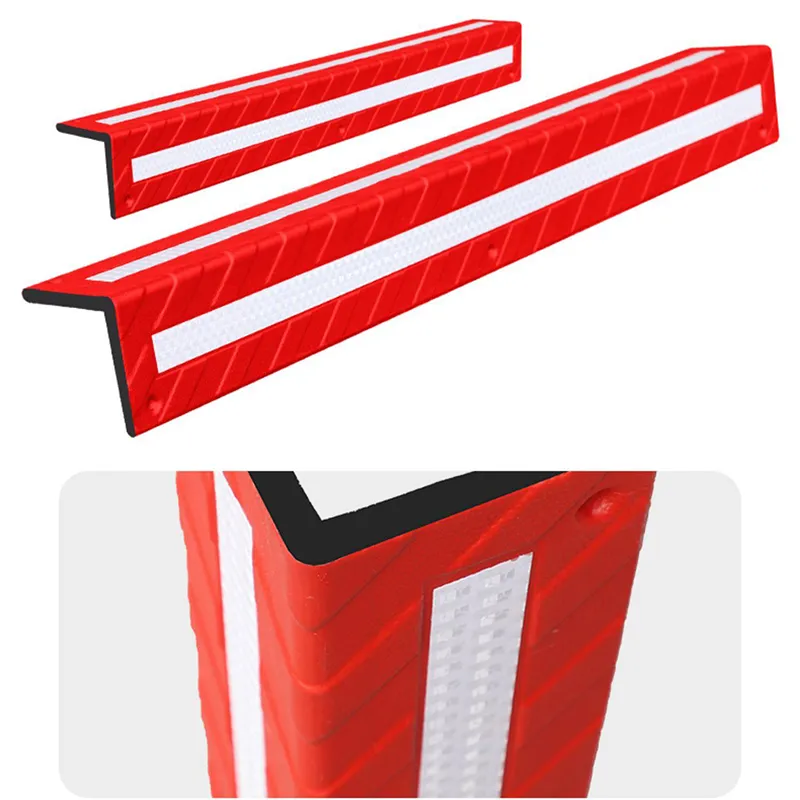
Corner Guards: Materials, Shapes & Protection Benefits

20

May

Corner Guards: Materials, Shapes & Protection Benefits

Corner Guards: Materials, Shapes & Protection Benefits Durable Wall and Column Protection for Commercial Safety Environments Busy commercial and industrial environments experience constant movement from vehicles, carts, forklifts, pallet jacks, and p...
View More
Types of Marine & Dock Fenders Explained

02

Jun

Types of Marine & Dock Fenders Explained

When a vessel approaches a dock, pier, or another boat, the forces involved can be surprisingly powerful. Even at low speeds, the mass of a vessel creates enough momentum to cause serious damage to both the hull and the berthing structure. A properly...
View More
Can Curb Ramps Prevent Car Scraping on Steep Driveways—and Which Is Better, Rubber or Concrete?

02

Jun

Can Curb Ramps Prevent Car Scraping on Steep Driveways—and Which Is Better, Rubber or Concrete?

If you have ever heard that sickening scrape of your car's bumper or undercarriage dragging across the edge of your driveway, you already know the frustration. Steep driveway transitions are one of the most common causes of vehicle damage in resident...
View More
How Do Rubber Bases Enhance Stability Compared to Plastic in Cones and Bollards?

02

Jun

How Do Rubber Bases Enhance Stability Compared to Plastic in Cones and Bollards?

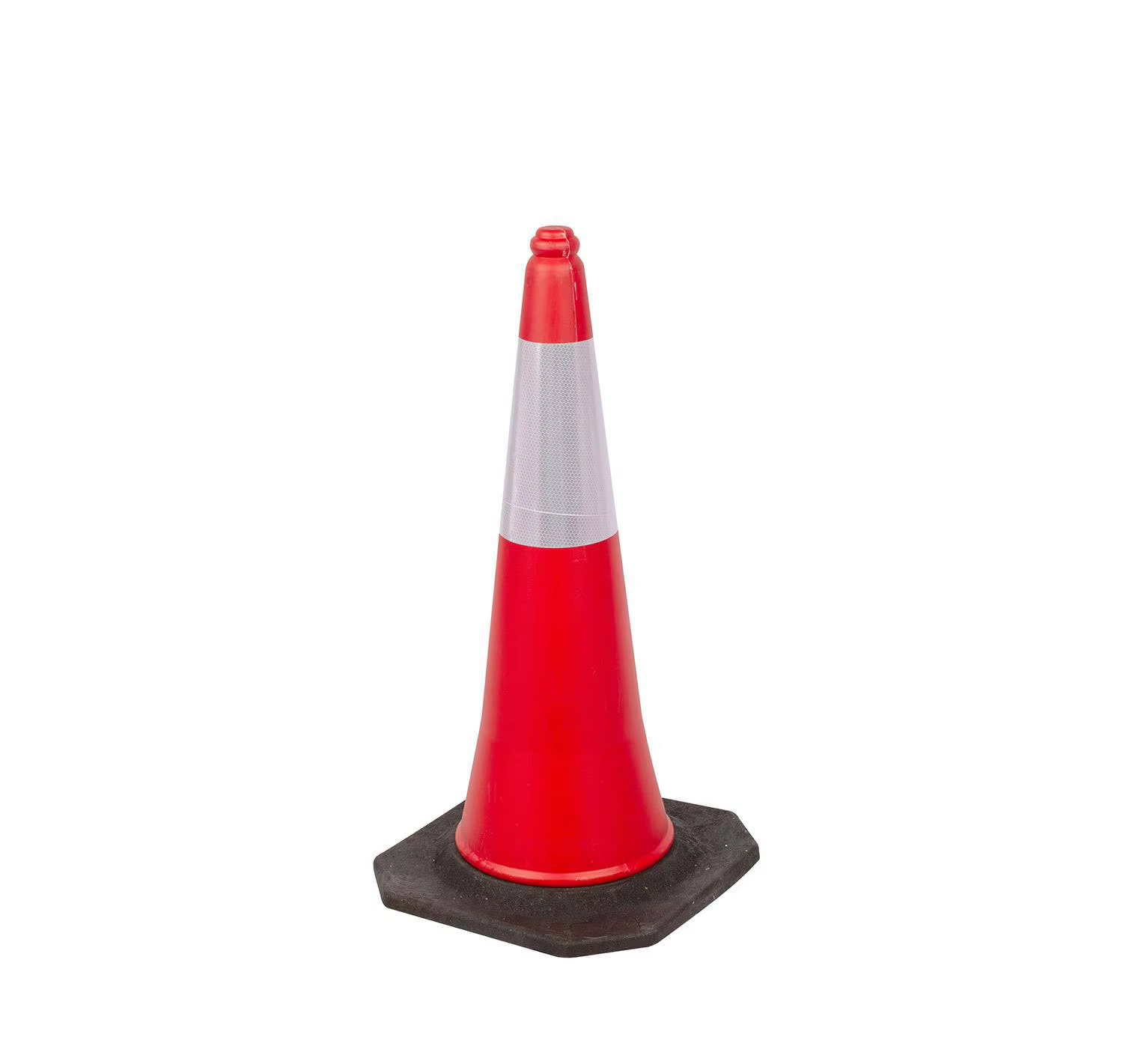
When it comes to road safety and traffic management, the foundation of any cone or bollard matters more than most people realize. A rubber base traffic cone offers a fundamentally different performance profile compared to its plastic-base counterpart...
View More

Get a Free Quote

Our representative will contact you soon.
Name
Company Name
Email Address
Phone Number
Message/Questions
0/1000

temporary water filled barriers

Rapid Deployment and Reconfiguration Capability

Rapid Deployment and Reconfiguration Capability

Temporary water filled barriers excel in situations requiring quick setup and frequent repositioning, making them ideal for dynamic work environments and changing project requirements. Each barrier unit weighs approximately 35-45 pounds when empty, allowing a single worker to carry and position multiple units without mechanical assistance or specialized equipment. The filling process takes only 3-5 minutes per unit using standard garden hoses or water trucks, transforming lightweight shells into robust protective barriers weighing up to 300 pounds when fully loaded. Interlocking connection systems enable crews to create continuous barrier lines spanning hundreds of feet in just hours rather than days, significantly reducing project mobilization costs and minimizing traffic disruption during installation. When projects conclude or layouts need adjustment, temporary water filled barriers can be drained quickly and relocated or stored compactly, occupying minimal space during transportation and warehouse storage. This exceptional flexibility allows contractors, event organizers, and facility managers to respond immediately to changing safety requirements without the lead time and expense associated with traditional barrier solutions.
Superior Impact Absorption and Safety Performance

Superior Impact Absorption and Safety Performance

The engineering behind temporary water filled barriers creates a sophisticated energy management system that outperforms rigid barrier alternatives in protecting both vehicles and occupants during collisions. When a vehicle impacts these barriers, the water-filled core absorbs kinetic energy while the flexible polyethylene shell deforms controlled, distributing impact forces over a larger area and extended time period. This progressive energy absorption reduces peak deceleration forces that cause vehicle damage and occupant injuries, particularly important in work zones where worker safety is paramount. The barriers' weight and low center of gravity provide excellent stability against displacement during impacts, effectively redirecting errant vehicles back into travel lanes rather than allowing penetration into protected work areas. Testing confirms that temporary water filled barriers meet or exceed crash testing standards established by transportation safety authorities for temporary traffic control devices. The highly visible coloring, typically bright orange or yellow, combined with reflective banding options ensures these barriers remain conspicuous in fog, rain, darkness, and challenging visibility conditions. This combination of physical performance and visual prominence creates multiple layers of protection that prevent accidents before they occur while minimizing consequences when collisions do happen.
Cost-Effective and Environmentally Responsible Solution

Cost-Effective and Environmentally Responsible Solution

Temporary water filled barriers represent a financially intelligent investment that delivers value throughout their operational lifespan while supporting environmental sustainability goals. The initial purchase price is substantially lower than concrete barriers of equivalent protective capability, and the elimination of heavy equipment requirements for deployment reduces mobilization costs by 60-70 percent on typical projects. Because these barriers are manufactured from durable, UV-stabilized polyethylene, they withstand years of outdoor exposure and repeated use cycles without significant degradation, providing reliable performance across dozens of projects. Maintenance requirements are minimal, usually limited to occasional cleaning and inspection for cracks or connection damage, keeping ongoing operational expenses remarkably low. The environmental advantages extend beyond reusability, as temporary water filled barriers eliminate the carbon emissions associated with concrete production and heavy equipment operation while using abundantly available water as ballast material that returns harmlessly to the environment after draining. At project completion, barriers leave no residue, surface damage, or anchoring holes, preserving pavement integrity and reducing repair costs. For organizations tracking sustainability metrics, these barriers contribute positively to green building certifications and corporate environmental responsibility objectives while simultaneously reducing project budgets and improving safety outcomes.

Get a Free Quote

Our representative will contact you soon.
Name
Company Name
Email Address
Phone Number
Message/Questions
0/1000